AI FinOps requires new forecasting and real-time governance as AI costs surge
AI FinOps is busy rewriting the rules of cloud financial management, systematically dismantling its own rulebook, which took nearly a decade to write.
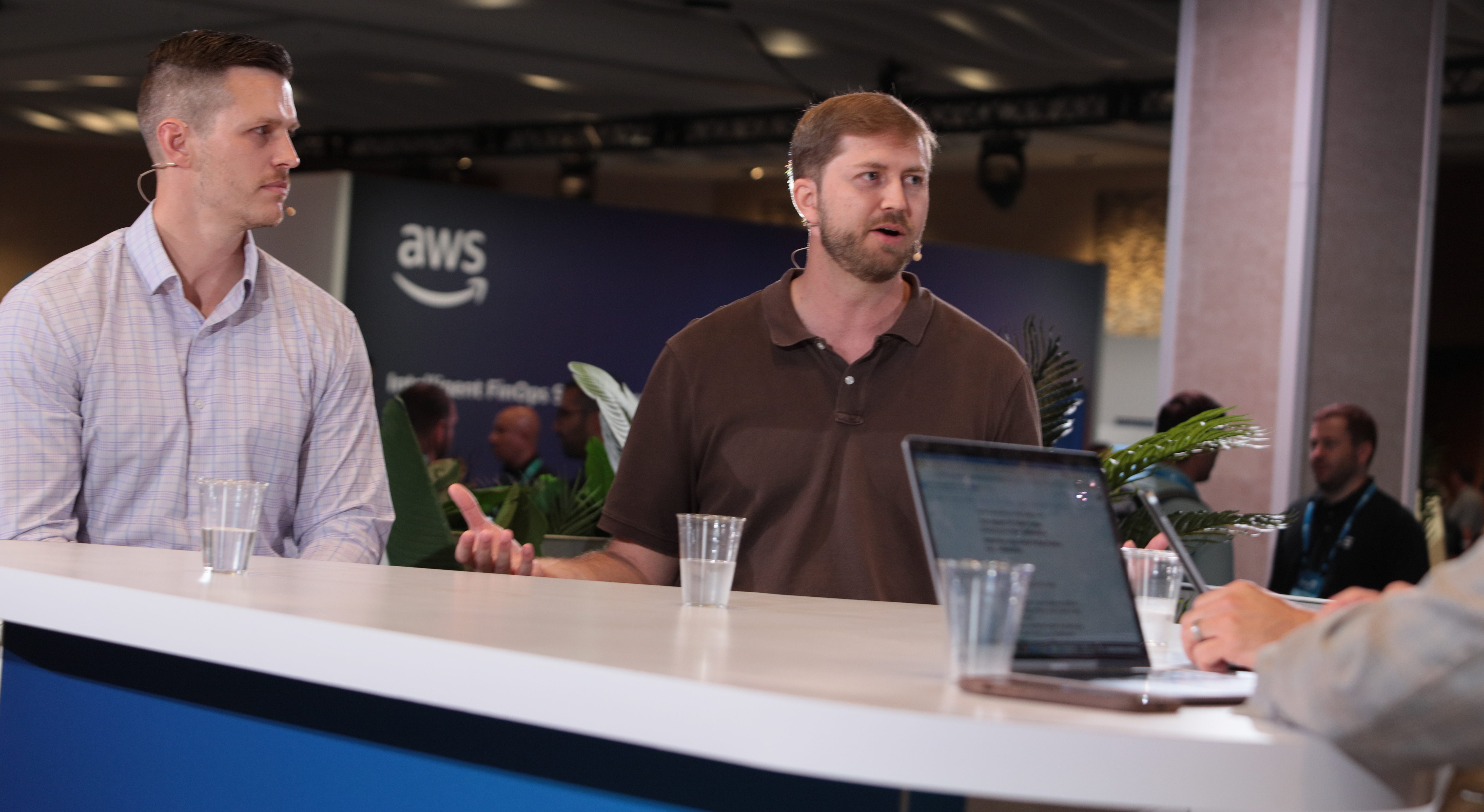
The shift goes deeper than simple cost optimization, according to Grant Byrum (pictured), North America FinOps lead at Accenture. Where traditional cloud spending aligns with compute, storage and licenses, AI introduces a fundamentally different cost model, one where architectural decisions determine the bill. In short, the familiar levers of cloud FinOps are mostly ineffective when applied to AI workloads absent modification.
“In AI, costs are tied to how the work is being done and not physical resources,” Byrum said. “Small changes to prompt size or model selection can have big knock-on effects in terms of what that does to cost.”
Byrum spoke with theCUBE’s John Furrier and Paul Nashawaty, principal analyst at theCUBE Research, at FinOps X 2026 during an exclusive broadcast on theCUBE, SiliconANGLE Media’s livestreaming studio. They discussed how AI FinOps differs from traditional cloud financial management and what enterprises need to get right before scaling AI workloads. (* Disclosure below.)