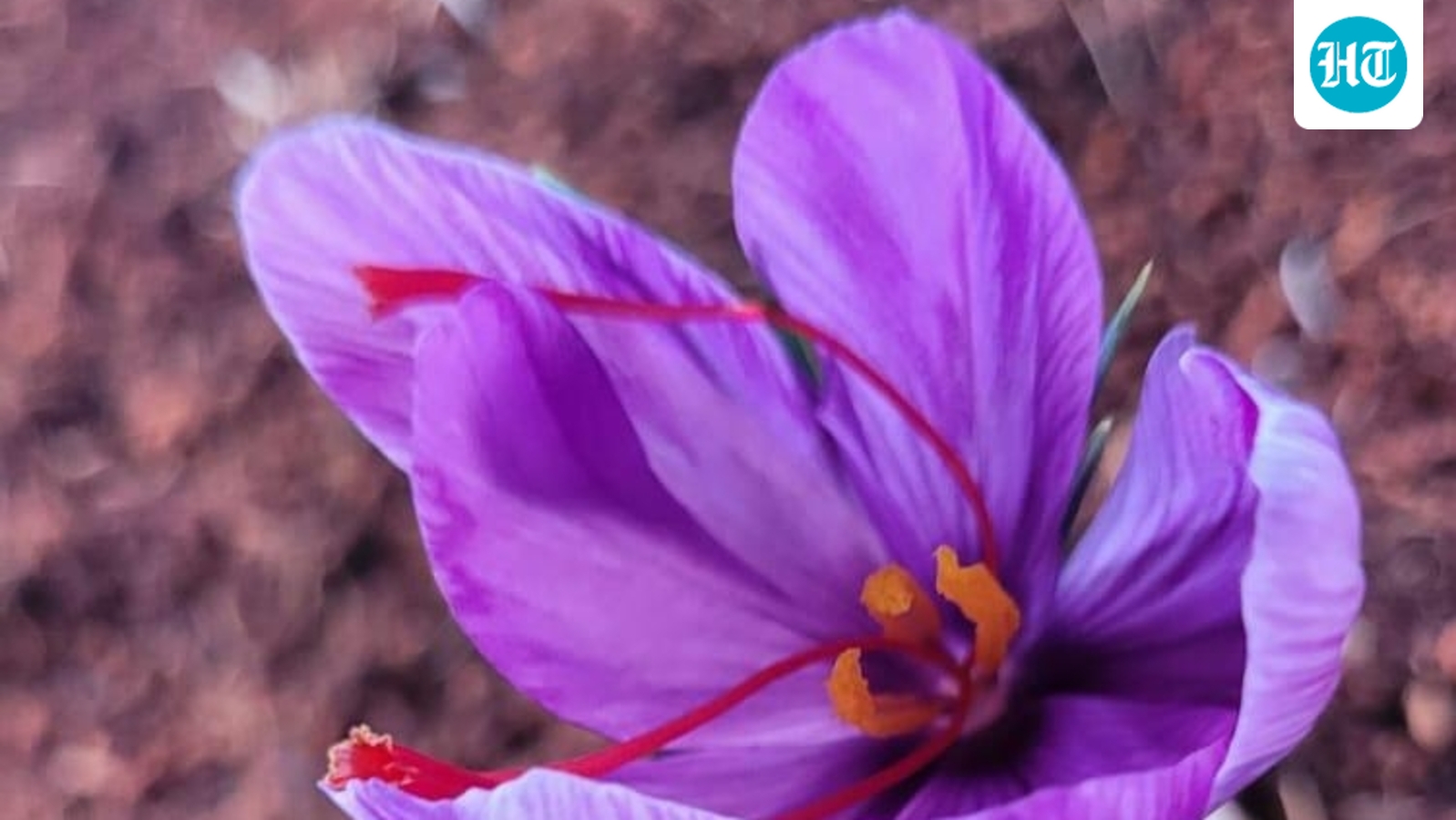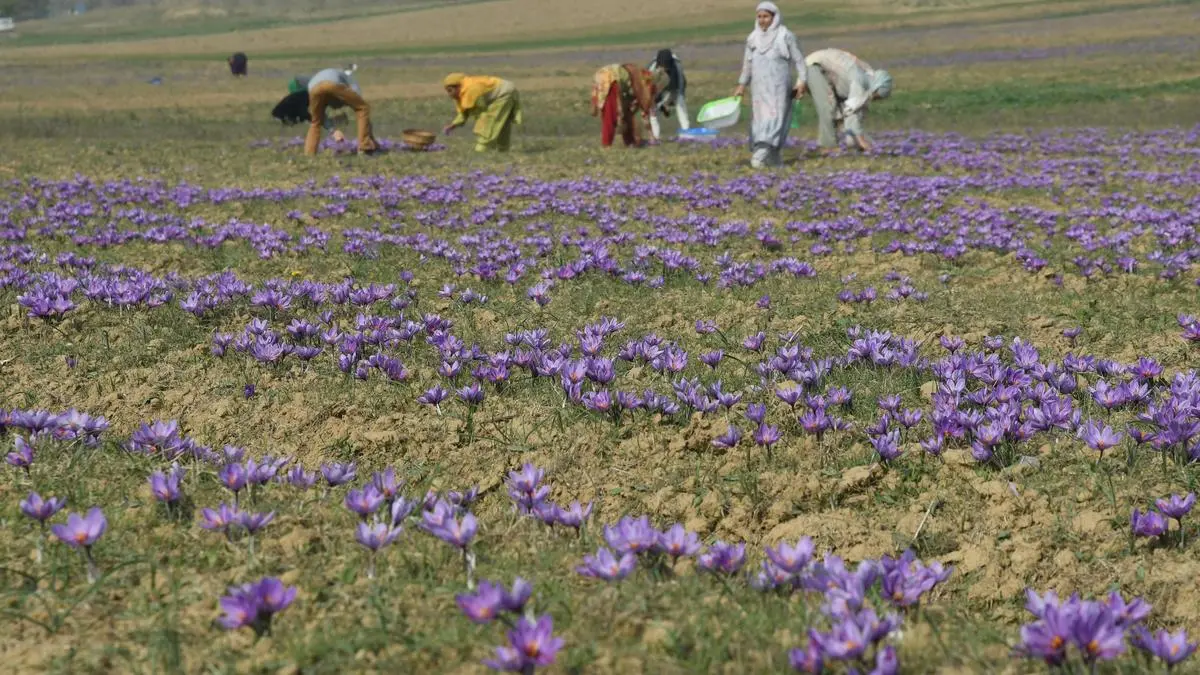
Kashmir accounts for over 90 per cent of India’s saffron production, with most of it cultivated in the highland fields of Pampore.
| Photo Credit:
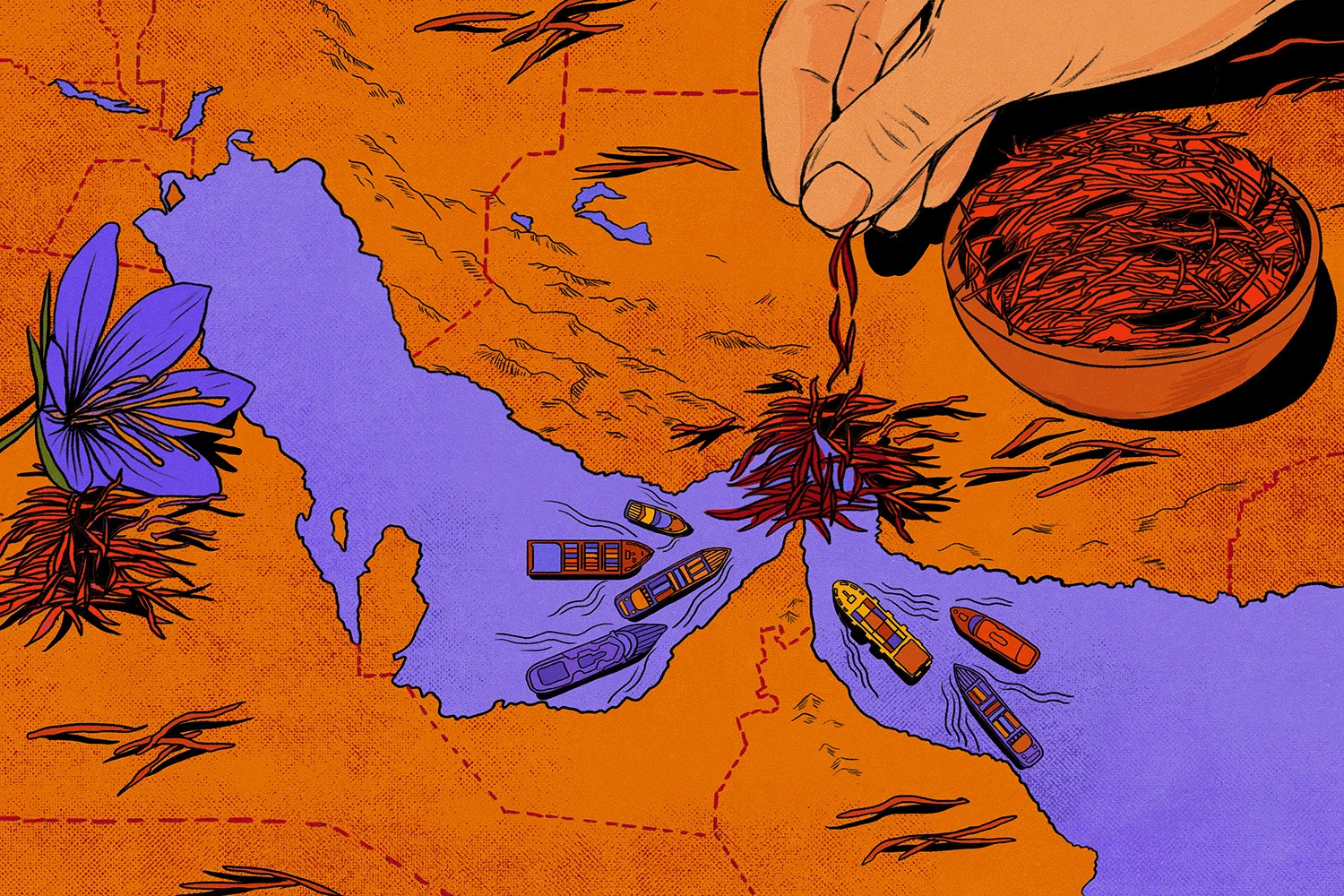
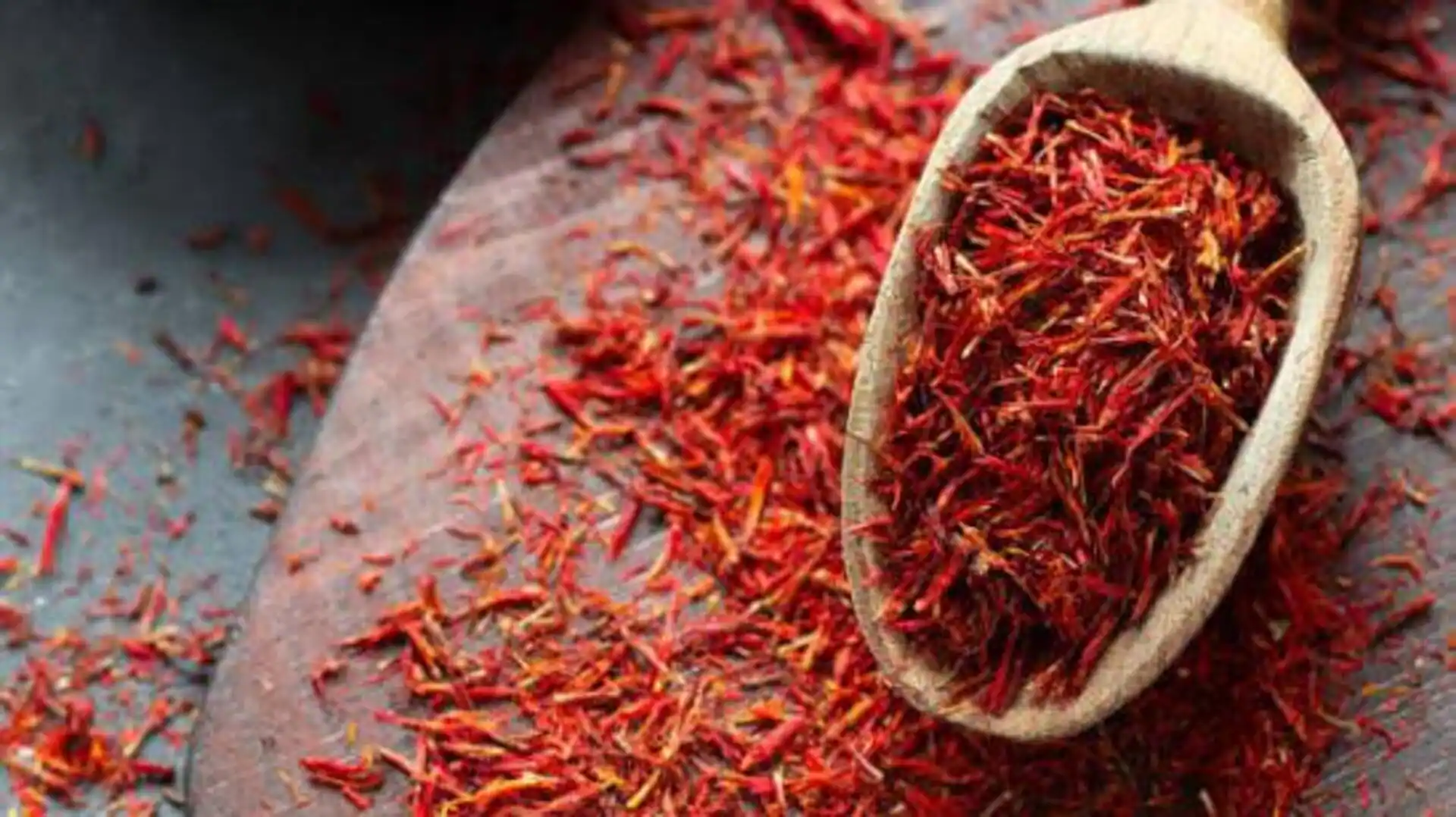
The war in West Asia is quietly reshaping the saffron market in Kashmir.Since the outbreak of the conflict involving Iran, Israel and the US, prices of Kashmiri saffron, one of the world’s most prized spices, have risen sharply.According to traders, Kashmiri premium-quality saffron is currently selling at ₹340–₹350 per gm, up from ₹200–₹250 per gm a year ago. Prices of GI-tagged saffron have shot up to around ₹380 per gm.Traders attribute the surge to disruptions in supplies from Iran, which accounts for about 90 per cent of global saffron production, as well as a sharp decline in local yield.“Traders in the Valley also sell Iranian saffron as production in Kashmir has declined significantly over the past few years,” said Mohammad Ashraf, a saffron trader.He said disruptions in the global supply chain following the conflict have pushed up saffron prices across international markets.Abdul Majeed, president of the Saffron Growers Association in Pampore, told businessline that saffron production last year fell to just 5–10 per cent of normal levels.“The decline in local production, coupled with the Iran conflict, has pushed up saffron prices,” Majeed said.Kashmir accounts for over 90 per cent of India’s saffron production, with most of it cultivated in the highland fields of Pampore.According to official data, saffron production in Jammu and Kashmir stood at 17.33 tonnes in 2020–21, before declining to 14.87 tonnes in 2021–22 and 14.94 tonnes in 2022–23.Output then rose sharply to 23.53 metric tonnes in 2023–24, before falling again to 19.58 metric tonnes in 2024–25.GradesKashmiri saffron is sold mainly in two grades: Mongra, the premium all-red variety with strong aroma, and Lacha, which contains a small portion of the yellow threads along with the red stigmas and typically commands a lower price.“The prices for both the grades have gone up, with Mongra selling ₹40-50 more than that of Lacha," said Majeed.According to him, prices for Iranian saffron, produced largely in the northeastern Khorasan region, have also surged.“One gram of Iranian saffron is now selling between ₹190 and ₹200, compared with normal prices of ₹150-160," he said.Majeed said the combined impact of weaker local output and disrupted Iranian supplies had reduced availability in the market, adding that prices were likely to remain firm in the near future amid continued uncertainty in global supply chains.Published on June 10, 2026