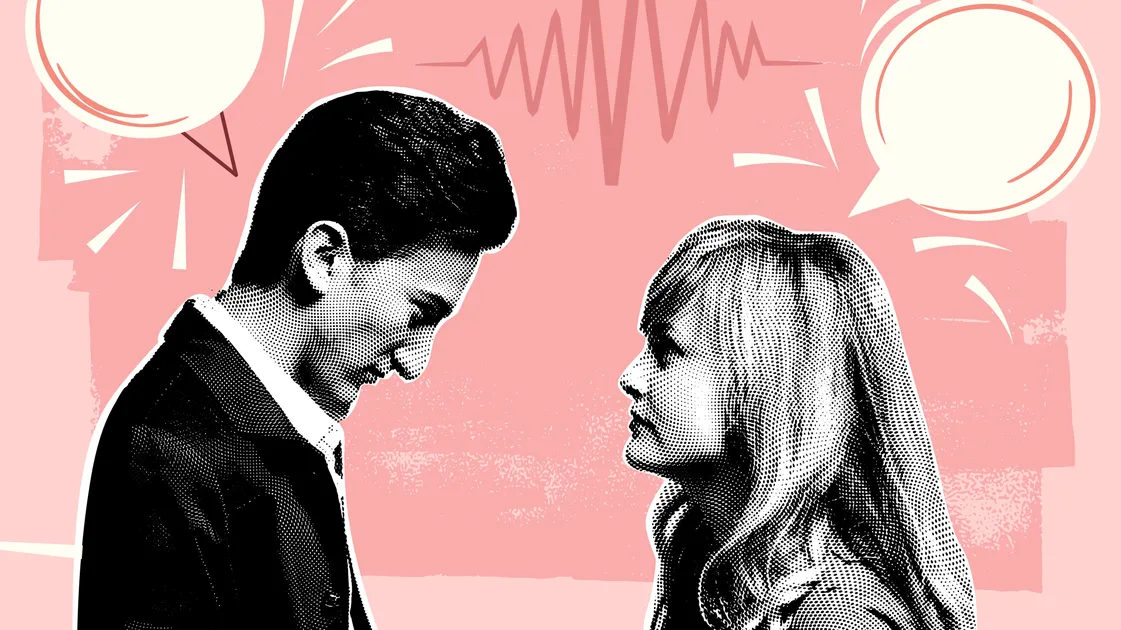
The term “low vibrational” has evolved from a spiritual concept into a viral relationship filter. On social media — especially within Gen Z communities — identifying a “low-vibrational” partner has become a form of boundary-setting and self-protection. While the idea is often applied romantically, people are also starting to use it to describe draining friendships and other relationships.“We are seeing this terminology surge on TikTok and dating apps because it provides an accessible way to categorize ‘toxic’ behaviors,” Matthew J. Greenwood, couples therapist at Conscious Couples Therapy said. “In a fast-paced digital world, labels like ‘low-vibe’ help individuals — particularly younger generations — quickly validate their intuition and prioritize self-care over trying to fix a partner.”So what’s the difference between someone who needs their morning cup of coffee and someone who is “low vibrational”? What if you’re the “low vibrational” one? HuffPost spoke to relationship experts to find out.diane555 via Getty ImagesGen Z found a term to describe this really common relationship dynamic where one party is doing majority of the labor.What is a ‘low vibrational’ relationship?Before tackling the idea, it helps to know how to recognize it. The worrying part is that “low vibrational” relationships can feel surprisingly familiar.“When people say ‘low vibrational,’ they’re describing a relationship that feels draining rather than energizing,” Shan Boodram, Bumble’s relationship expert, told HuffPost. “At its core, it’s a dynamic where growth feels one-sided. You’re the one initiating hard conversations, reflecting and stretching emotionally. Over time, that imbalance can leave you feeling depleted.”In these relationships, you may feel like you’re carrying the emotional work yourself, pushing the connection forward while your partner remains passive, even if they aren’t intentionally being unsupportive.How do you know if you’re in a ‘low vibrational’ relationship?Before you run off and text your partner to accuse them of being “low vibrational,” let’s get a little more specific. What are the signs of a “low vibrational” relationship?“You might notice a general decline in your own well-being, or start questioning yourself, for example, wondering whether you’re being too idealistic about your goals or ambitions,” Eloise Skinner, therapist and author said. “In relation to your partner, you might feel unresolved tension or a barrier between you and them, or find it difficult to communicate or identify the core issue. Overall, you might feel a loss of energy, drive or determination.”Boodram highlights a few other major signs:Lack of accountabilityYour needs are minimizedYour standards are framed as ‘too much’ simply because you’re asking for consistency, respect or effortYou consistently feel drained instead of energizedFriends and loved ones have started to comment on the relationshipAre they low vibrational — or just different from you?Like many viral dating terms, “low vibrational” can be overused. Just as people sometimes label every ex as “toxic” or claim people are “future faking” them, it’s important to avoid pathologizing perfectly normal personality differences.“Our culture often praises showers and punishes growers, which means introverts are often unfairly labelled as low vibrational,” Boodram said. “People also go through difficult seasons where they aren’t as energetic or optimistic as usual. Being mindful of mental health, trauma history and emotional well-being helps distinguish between a rough patch and a long-term pattern.”Could low vibrational energy show up in friendships too?Like many dating trends, the idea can extend to friendships. While the impact may be less intense than in romantic relationships, a “low vibrational” friendship can still feel emotionally exhausting.“I think you could look at friendships through this lens as well, although obviously since friendships are generally not exclusive, the impact of a ‘low vibrational’ friendship might be less intense or perceptible,” Skinner said. “It might also be a more impactful issue in a romantic relationship, since the ‘low vibrational energy’ can affect things like joint plans, couple activities and one’s sense of self-esteem.”We’ve all experienced one-sided friendships, where someone expects you to listen to their emotional baggage but brushes off your own, or expects you to constantly plan hangouts. The same principles can apply in romantic relationships, too.Westend61 via Getty ImagesNo one has immaculate vibes all the time — but you can take stock of your own behaviors and reflect to see if you've been playing a "low vibrational" part in your relationships.How can you ensure that you don’t become low vibrational in relationships?I don’t know about you, but whenever I read about a relationship trend or a new vaguely toxic behavior, my first thought is: Is this happening to me? Immediately followed by: What if I’m the one doing this to someone else?Because, as our relationship experts pointed out, people usually don’t mean to be “low vibrational.” It doesn’t typically come from a malicious or intentional place. That doesn’t minimize the harm — but it does suggest it may sometimes be unconscious behavior.So how can you tell if you might be guilty of it too?“I think a good practice of self-connection and self-reflection could be helpful — therapy, talking to friends and family, journaling, creative activities, exercise or sports — whatever helps you check in and connect with yourself,” Skinner said. “Talking to your partner or close friends about any concerns you have around feeling ‘low vibrational’ can also help: They might be able to offer support or a different perspective.”Skinner adds, “It’s important to remember that feeling ‘low vibrational’ shouldn’t necessarily make you feel guilty or negative about yourself — it might be a sign that you need to check in and work on deeper issues. It’s not always possible to eliminate sadness, negativity or low energy, but we can learn to notice those feelings and take small, supportive steps toward feeling better over time.”
Everyone’s Talking About ‘Low Vibrational’ Relationships — And You’ve Definitely Had One
You might even be the "low vibrational" one.
932 words~4 min read