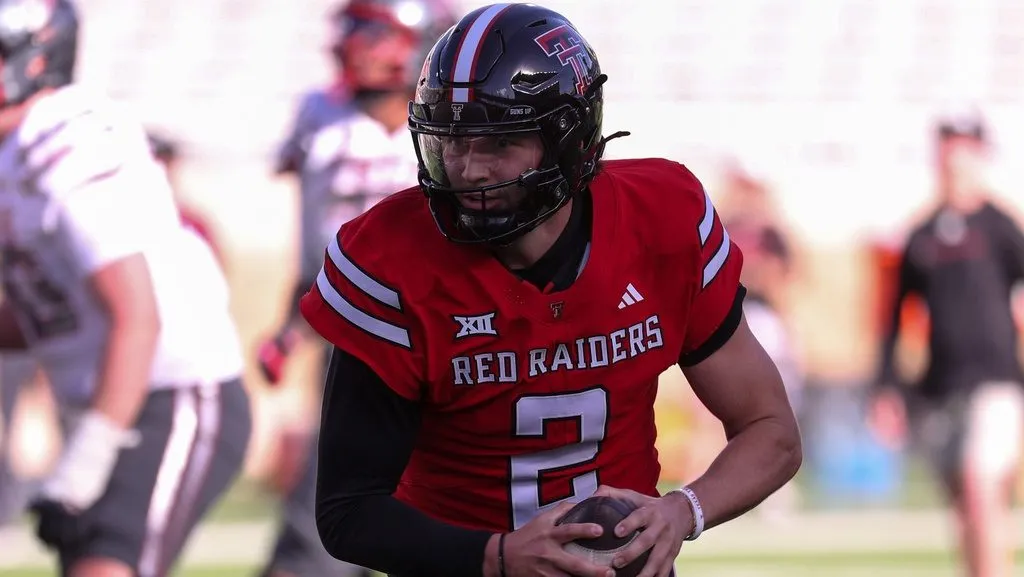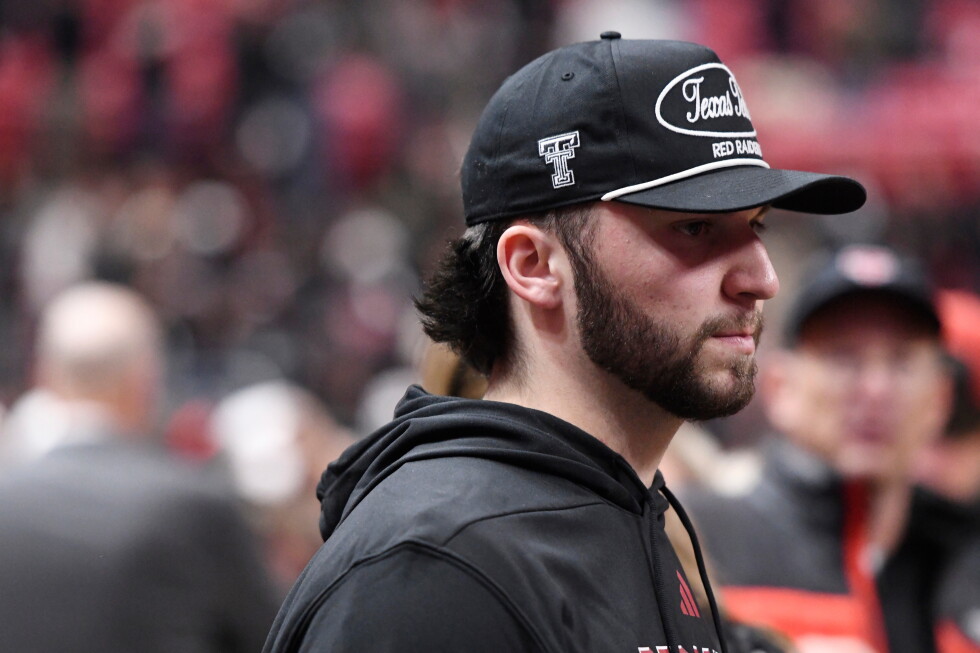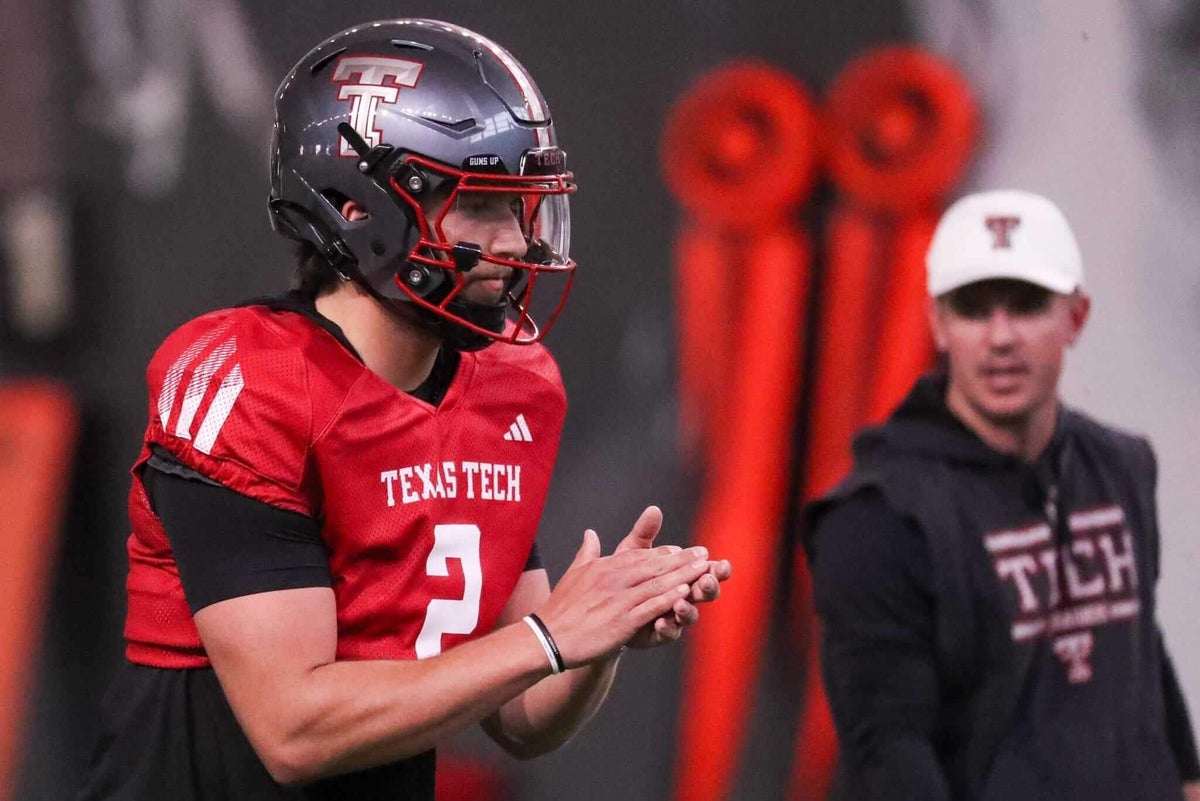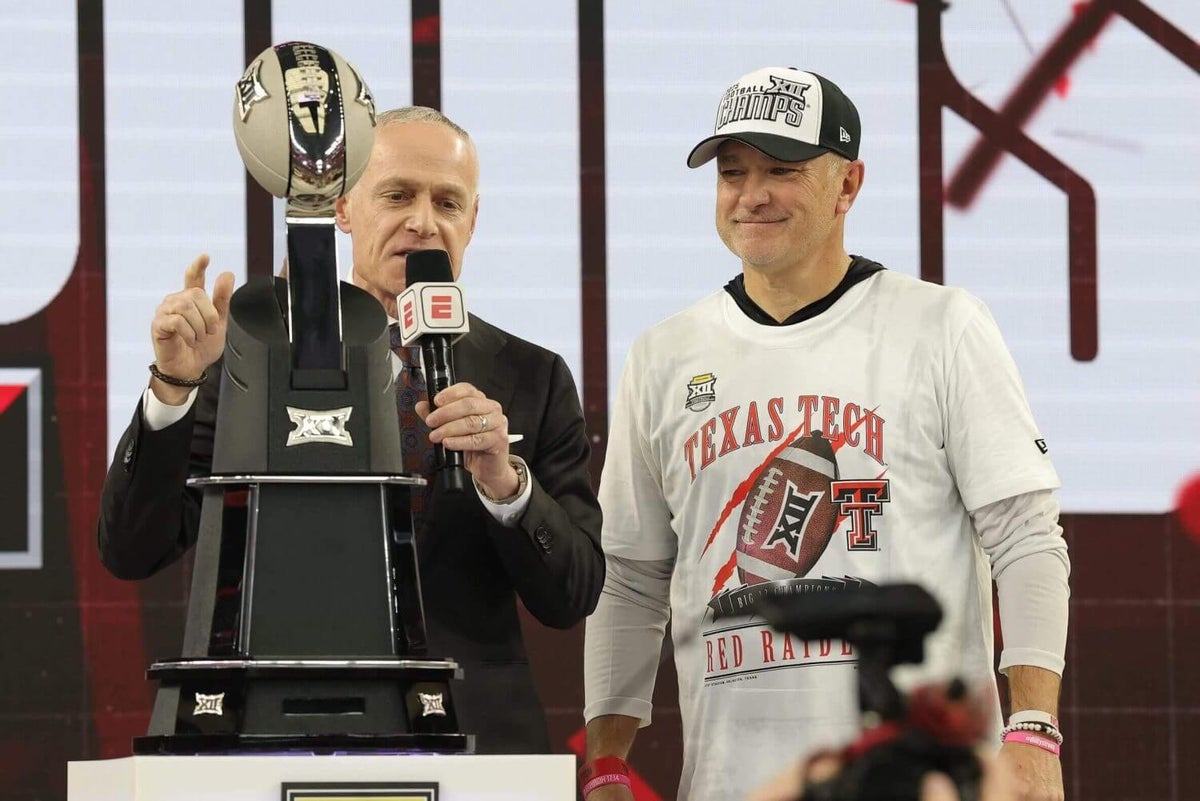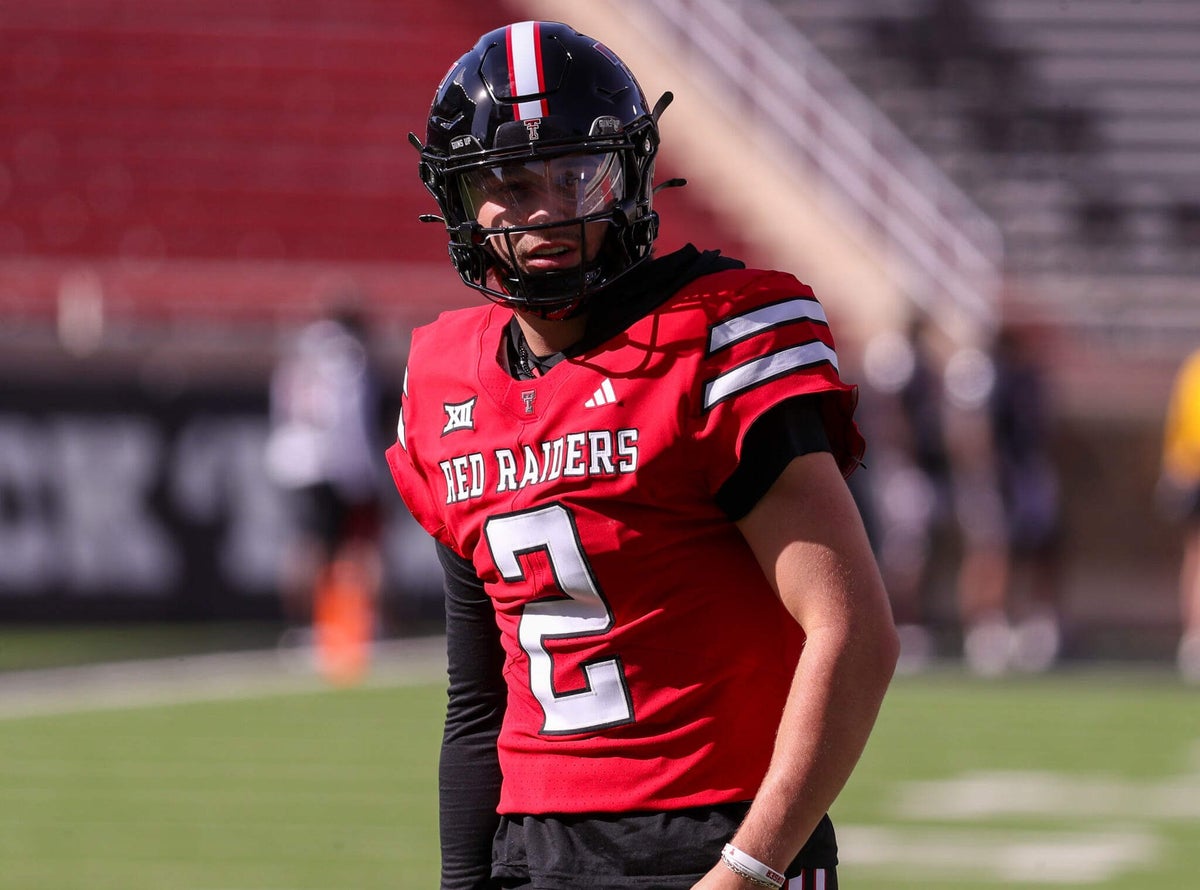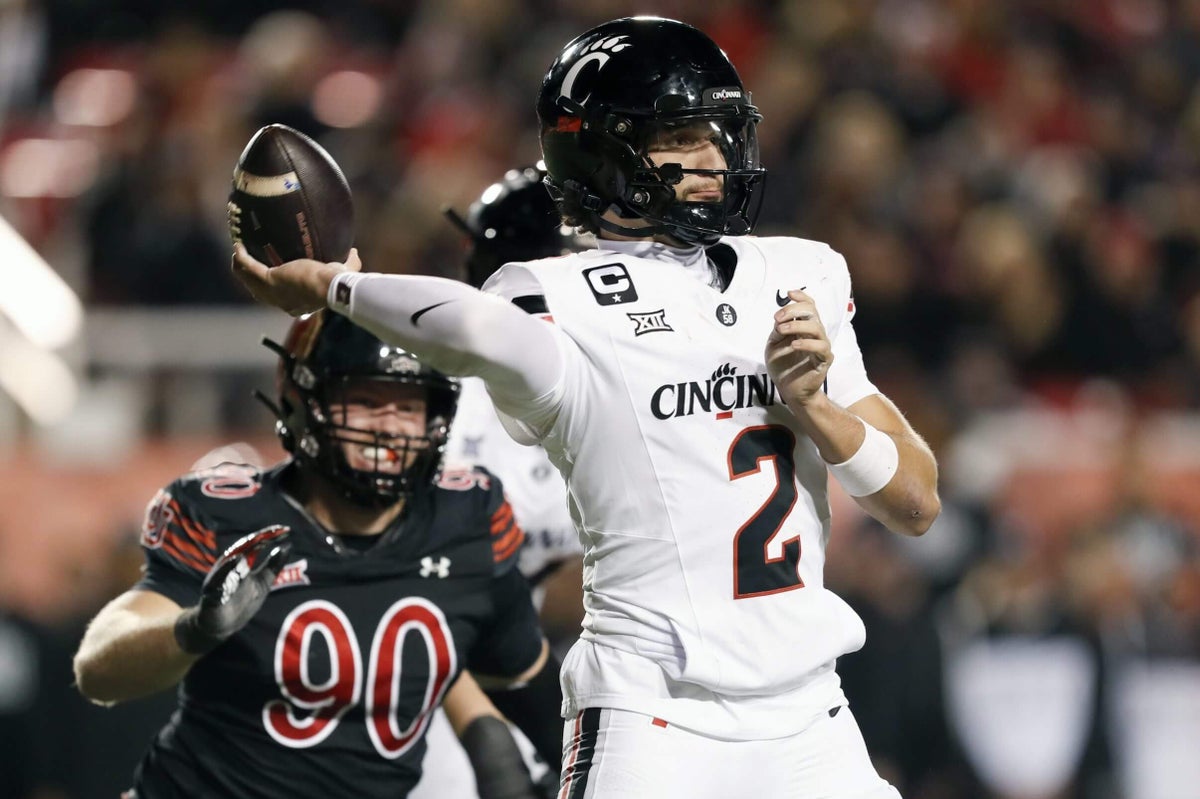
One of the few disadvantages of living on the West Coast is that sometimes news breaks pretty early our time. I was just coming downstairs to make coffee on Monday when the Slack notification popped up: “Brendan Sorsby has been granted an injunction to play in 2026.”My usual reaction to big news is a mild “Wow” or perhaps “Interesting.” For this one, I felt overtaken by horror and anger. As in, “This can’t be happening.”I soon learned literally everyone on the Internet outside of Lubbock, Texas, was having the same exact reaction at the same exact time.So it should come as no surprise that about 85 percent of my Mailbag submissions this week pertained to Sorsby. Let’s process our rage together.Can you please walk us through implications of the Sorsby ruling and the potential impact/permission it grants college athletes around what they can bet on, including their own team, apparently? — Kraig B.Technically, it has no effect on anyone outside Texas Tech and Sorsby. This was not a federal antitrust suit like those that struck down the NCAA’s rules on player compensation, transfer restrictions and booster involvement in recruiting. It’s just one local judge in one district granting an injunction to one specific athlete. It does not create binding precedent for anyone else.Practically speaking, though, it sends a terrible message: Betting on your own team isn’t that big a deal. If you get caught, go to treatment, find a sympathetic judge, and your penalty will be missing the Abilene Christian and Oregon State games. And schools are already freaking out about the possibility that many athletes, who may not be as versed in our legal system, will assume Monday’s news means the NCAA’s gambling rules are now null and void. They load up their apps, get in trouble themselves, and, perhaps like Sorsby, develop a dangerous addiction.Finally, it can’t be overstated how damaging this was to the NCAA’s already wobbly enforcement system. If it can’t uphold even one of its most basic rules — the same rule that led to Pete Rose’s lifetime MLB ban and cost numerous other pro athletes their careers — then the NCAA’s entire rulebook might as well be birdcage lining.Brendan Sorsby is granted an injunction, even though he placed bets on his own team. What value does the NCAA have given that a player betting on his own team can remain eligible? Do you think college football is too popular to fail, and nothing will bring it down? — Matt H.Hi Stew, did Texas Tech just kill the NCAA? — dB, Utrecht, the NetherlandsRealignment, NIL and the transfer portal — none of these have hurt the popularity of college football. But if the public can’t trust that the games are on the up-and-up, that’s a five-alarm fire.Yes, Sorsby is just one player on one team, and there’s no evidence he was engaged in point-shaving, but perception is reality. If the NCAA is powerless to act against behavior that endangers the integrity of the games, why would anyone trust that others aren’t doing the same?Obviously, the NCAA is appealing, and other schools are already applying pressure on the Big 12 and Texas Tech (like Georgia and Nebraska instructing their coaches not to schedule Texas Tech). Nothing like a little vigilante justice. But if this all ends with Sorsby suiting up Sept. 18 against Houston, we’re going to find ourselves on the cusp of a full-on crisis. Not quite “dozens of players dying on the field,” circa 1905, which led to the creation of the NCAA in the first place, but a modern-day credibility crisis that dwarfs all the modern NCAA legal challenges before it.Remember, the schools themselves make the rules the NCAA is tasked with enforcing. So if a school such as Texas Tech is going to blatantly ignore them — and a judge supports that effort — then why bother with any of it? Just have “the NCAA” focus on what it does best: staging tournaments and championships. Fold up shop on the whole rules/enforcement thing and say, you guys figure it out.If anything, Monday’s decision opened my mind for the first time to the possibility of the conferences governing themselves, though only if they’re willing to put some teeth behind their rules. If the Big 12 had a policy that a member could be sanctioned, possibly even kicked out, for knowingly playing someone who gambled on his own games, would that be a stronger deterrent than an NCAA investigation that takes years and results in few to no consequences? Or would that just be the next lawsuit, and we’d be right back in the same place?All in all, a truly sad day for college sports. But might this finally open some power brokers’ minds to the thing every pro sport uses to set hard parameters for its rules and regulations: collective bargaining?Nah, they’d rather keep flying to D.C. to play Charlie Brown to Congress’s Lucy.At this point, should teams just have a judge on the sideline to hand out temporary injunctions whenever a call doesn’t go their way? — JasonThat seems like the logical next step.I’m also wondering whether Jeffrey Kessler’s next client will be an athlete who sues the NCAA for allowing a coach to bench him, citing the harmful effect on his mental health.I’m not even sure if I’m joking at this point.Could the College Football Playoff committee ban Texas Tech from the Playoff? Tech could play its regular-season games and get a bowl invite. But they would be ineligible for the Playoff, and that’s all anyone cares about. — Zac H.They could, but given how they handled Michigan in 2023, I don’t see that happening. People raised the same question after the Connor Stalions caper broke in the middle of that season, and the CFP’s response was “It’s an NCAA issue. It’s not a CFP issue,” then-committee chairman Boo Corrigan said.In this case, though, unlike that one, the NCAA has already completed its process and definitively ruled Sorsby ineligible. While a judge issued an injunction putting that decision on hold, the committee could theoretically say, “Well, we still consider him ineligible and are going to treat him as such.” But again, I don’t think the 13 volunteers in that room consider that within their purview. Any decision of that magnitude would likely have to come from the CFP’s management committee — the 10 FBS commissioners and Notre Dame athletic director Pete Bevacqua.As of now, I believe this will resolve itself before then. Either the NCAA will get its appeal hearing expedited, and the panel will uphold it (at which point there’s not much anyone can do) or overturn it (problem solved); or the mounting pressure on Texas Tech, within and outside its own conference, will lead to a negotiated resolution in which Tech and Sorsby go their separate ways but he doesn’t lose his entire name, image and likeness contract.Precedent has it that the CFP committee will default to the NCAA on any sort of punishment for breaking the rules. (James Gilbert / Getty Images)Just for the sake of argument, if Texas Tech somehow is upset by Oregon State, how would the CFP committee treat that loss? From this Duck fan, “Go Beavs!” — Troy M.I just broke out in hives reading this. You can see it now. Tech goes 10-2. It’s right on the bubble, and Hunter Yurachek says, “Aw shucks, you know, they didn’t have their quarterback when they played Oregon State.”Rational Texas Tech alum here — I agree the Sorsby ruling is garbage. But if Tech is the villain here, what should the school have done differently? They knew nothing of Sorsby’s gambling when they signed him in the portal. Once it came to light, they supported him in his recovery, as any school would have. Now, a judge with no known ties to Tech has ruled him eligible to play. Is this just a case of people already irritated with Tech over NIL/Cody Campbell? — Andrew G.In fairness to Texas Tech, let’s not pretend they’re the only school that would have gone to bat for Sorsby if he were theirs. Do you know which school the QB almost signed with instead? LSU. Do we really think Lane Kiffin would have said, “Guys, I know we’re trying to win a national championship here, but we can’t support someone who gambled on his own team. We’re cutting him loose.” Nope.The extreme vitriol toward Texas Tech right now was two years in the making. Lots and lots of people already resented the program for brazenly trying to buy its way to the top. Personally, I was fine with it. The Red Raiders weren’t doing anything their competitors weren’t also doing. They were just writing bigger checks. But Cody Campbell became a lightning rod, even before he started running TV ads and meeting with congressmen to try to pass Tech-beneficial legislation under the guise of “saving college sports.”So when this broke — yeah, people were extra ticked.What could Tech have done differently? Pretty simple: Don’t support the lawsuit. Sorsby getting his eligibility back doesn’t mean much if he doesn’t have anyone to play for. Again, by no means are they the only school that would have gone to bat for him. But this is the school whose mega booster/de facto school president is the one running around telling everyone, “The system is broken.”Which, OK, maybe it is, Cody. But I could have sworn I saw you holding a baseball bat right next to that smashed vase.
Brendan Sorsby’s injunction raises the question: Can the NCAA enforce anything anymore?
Could the College Football Playoff committee or the Big 12 do something about the Sorsby situation?
2,466 words~11 min read