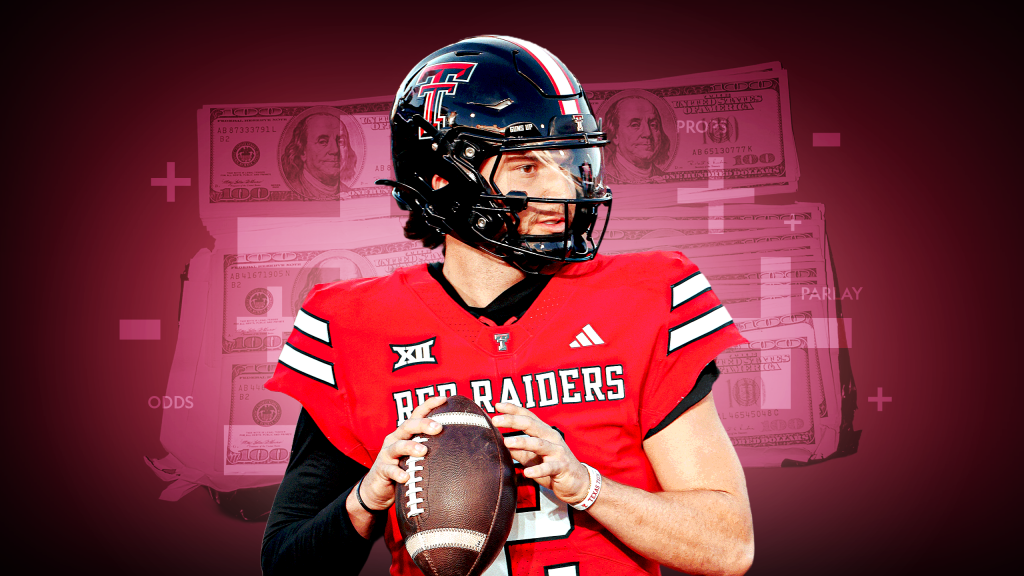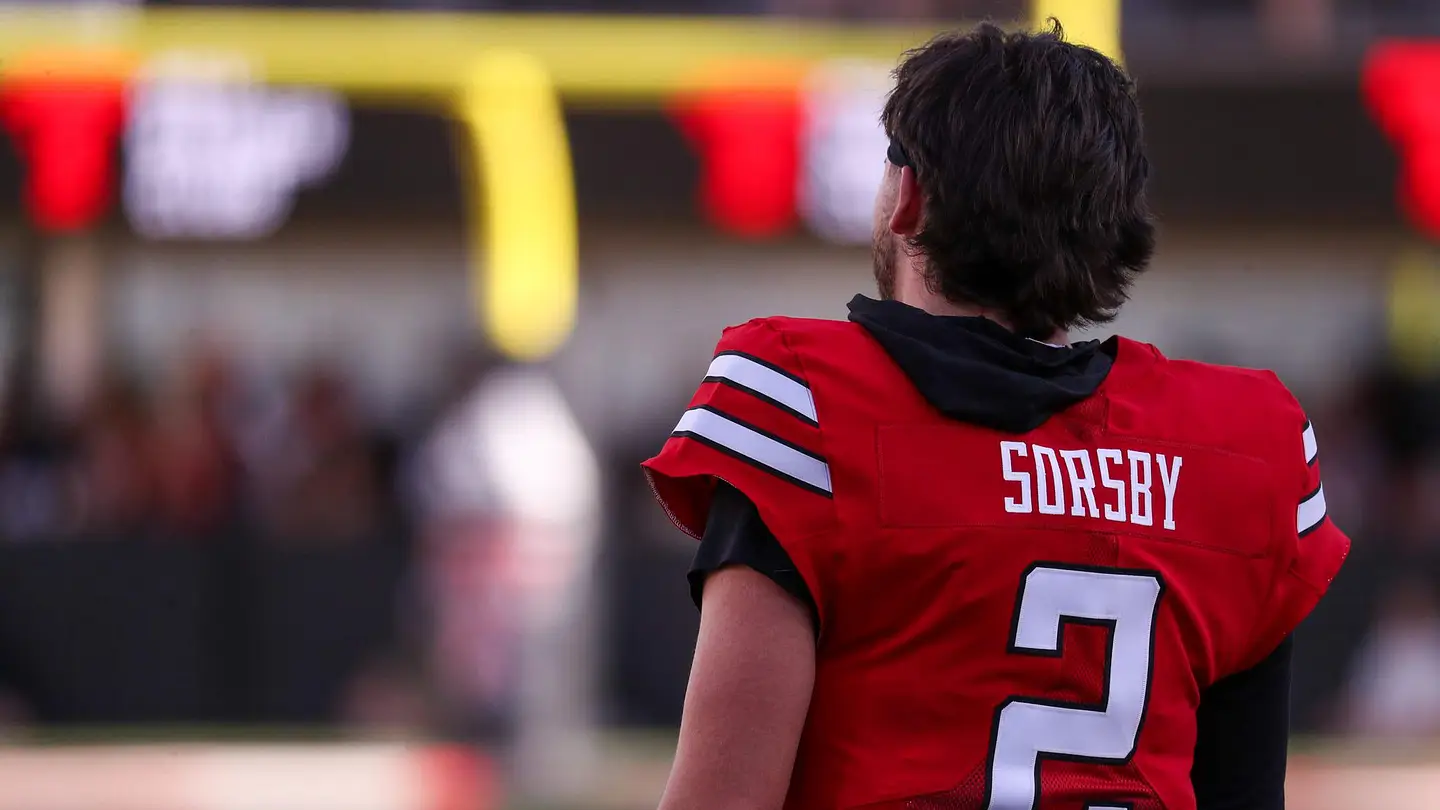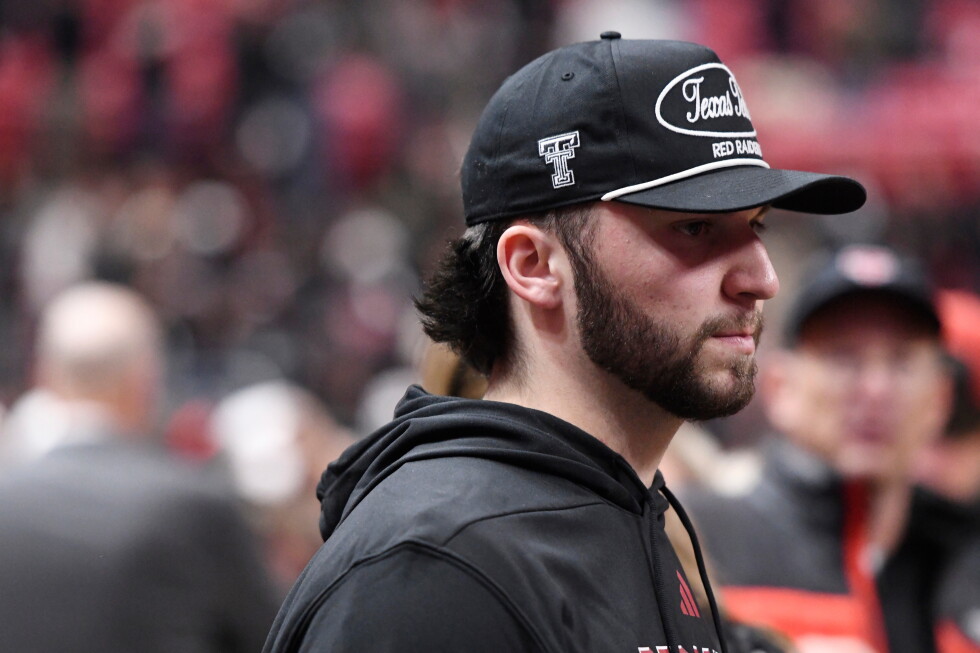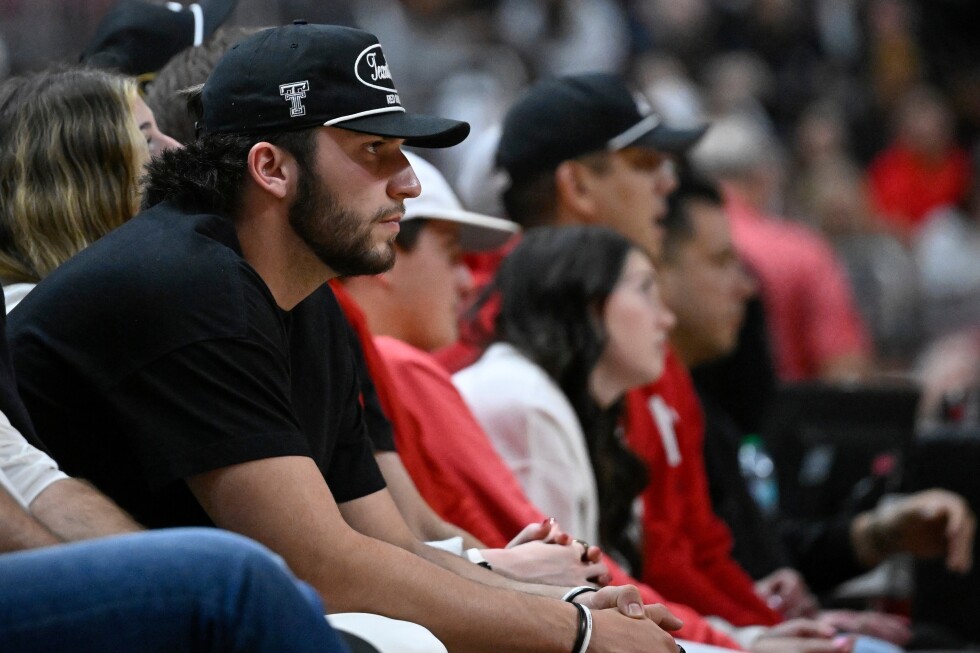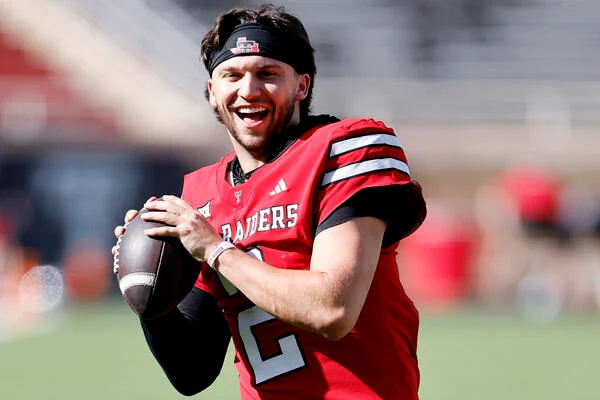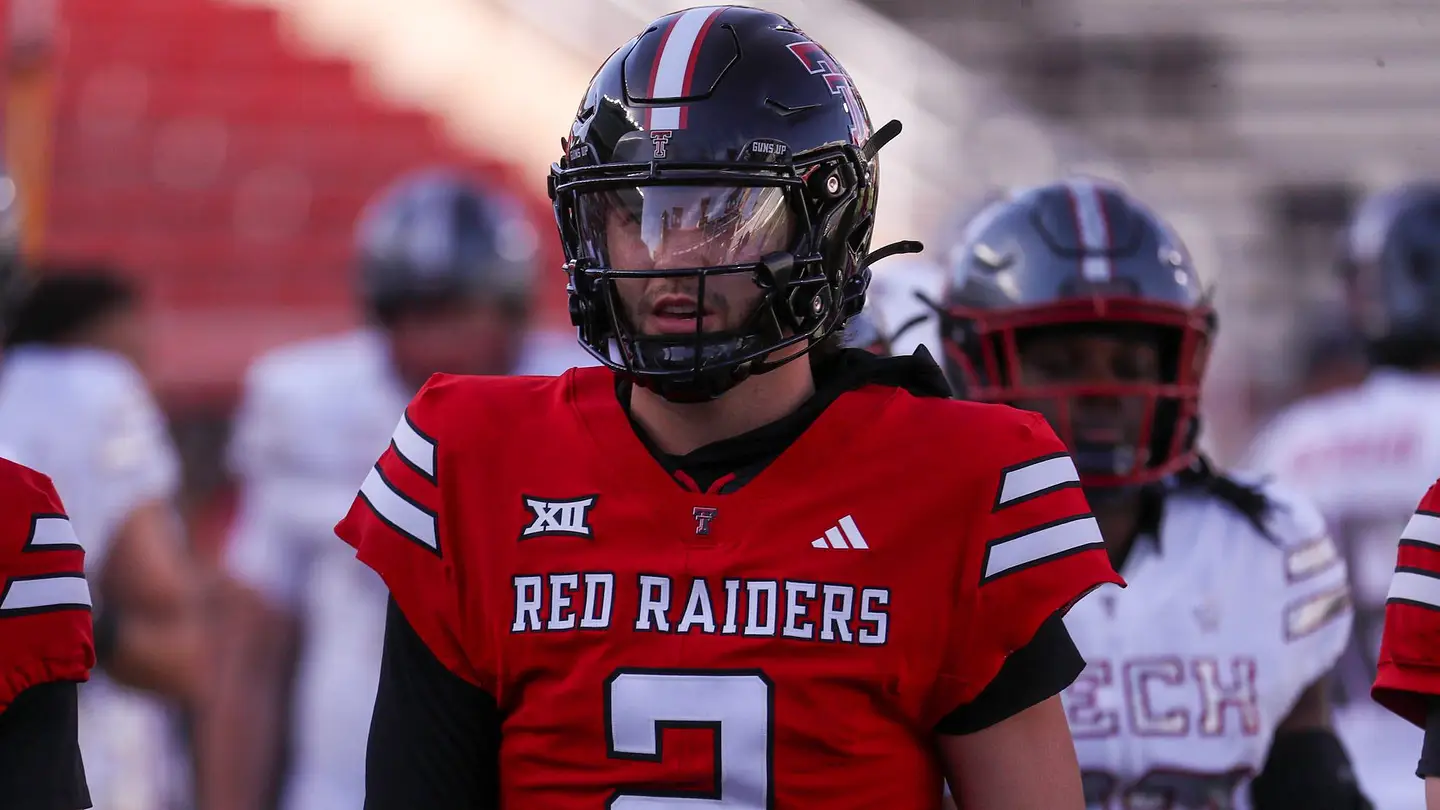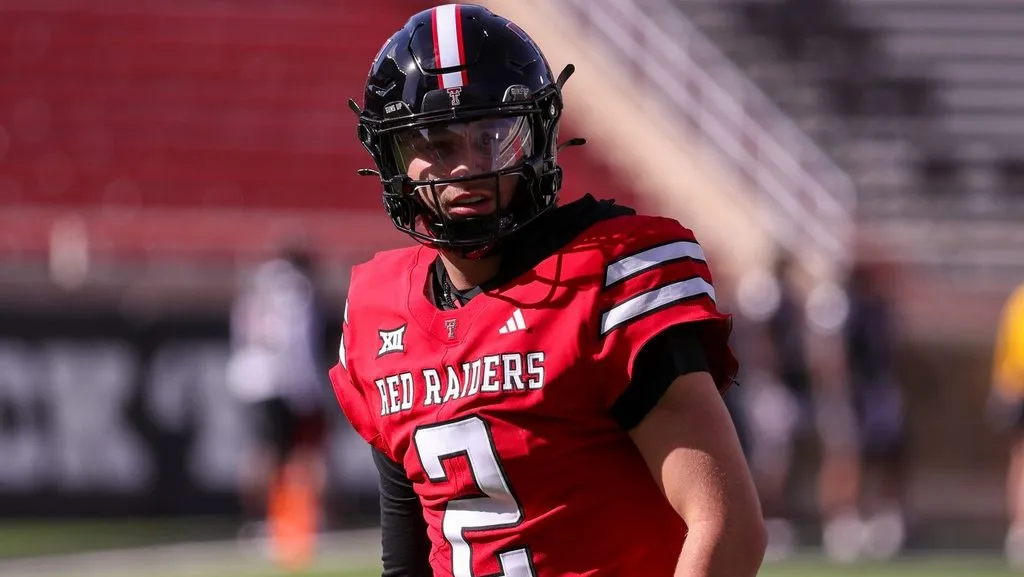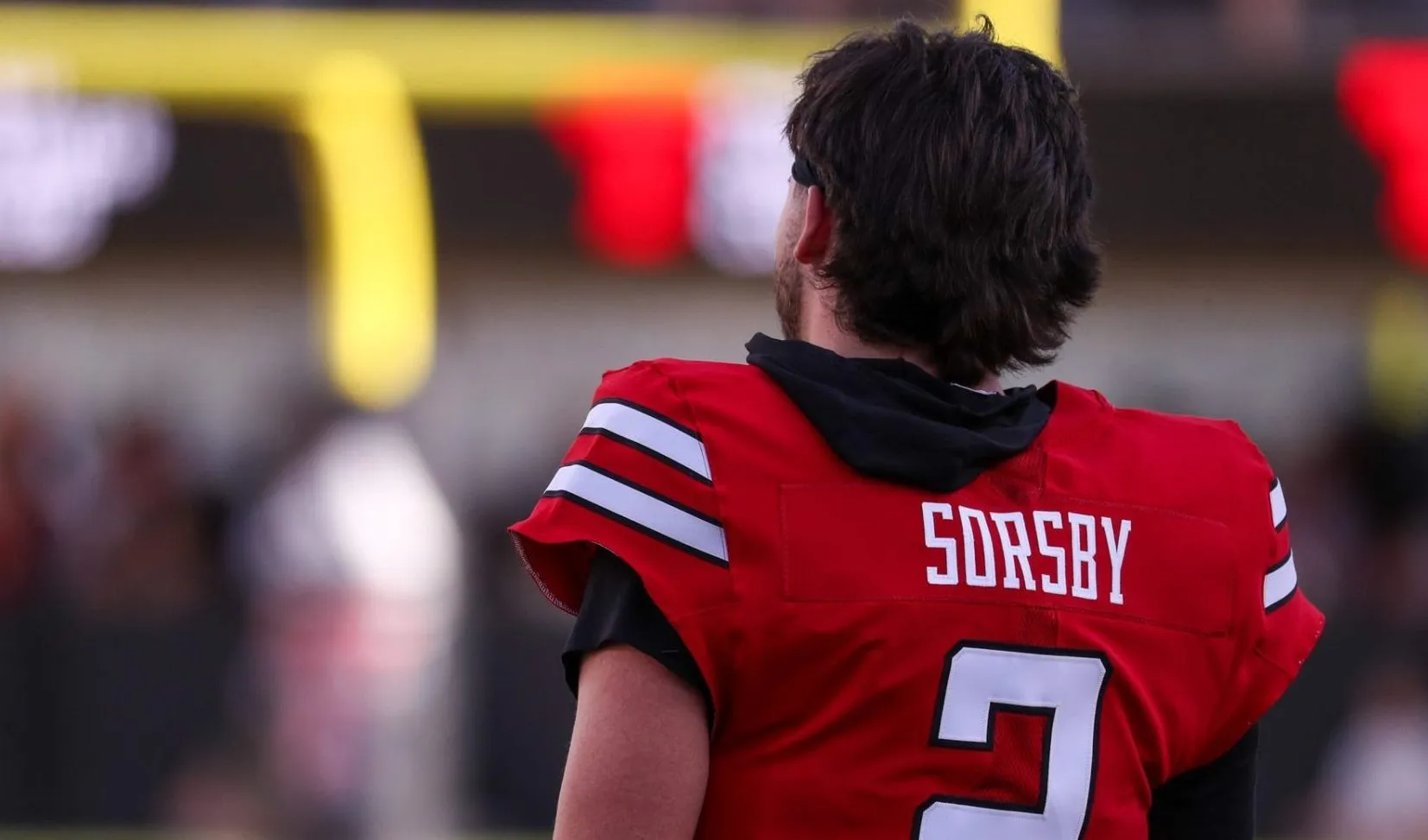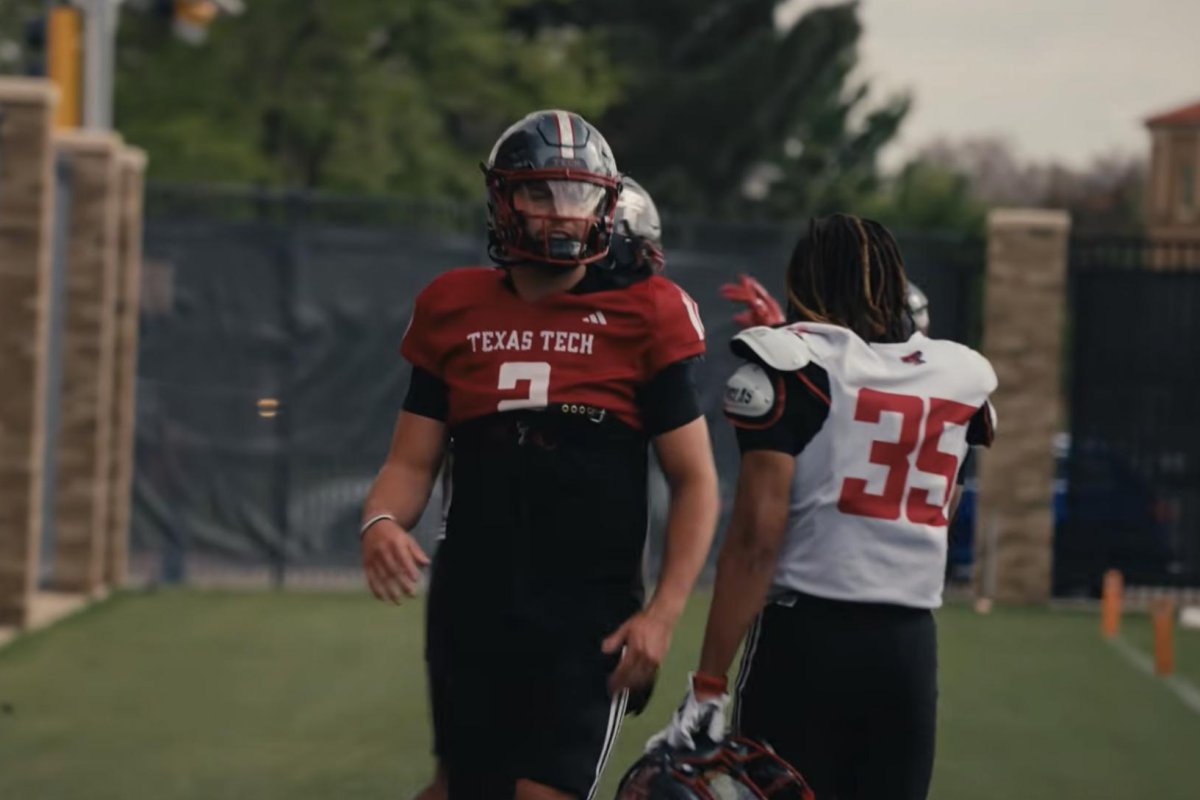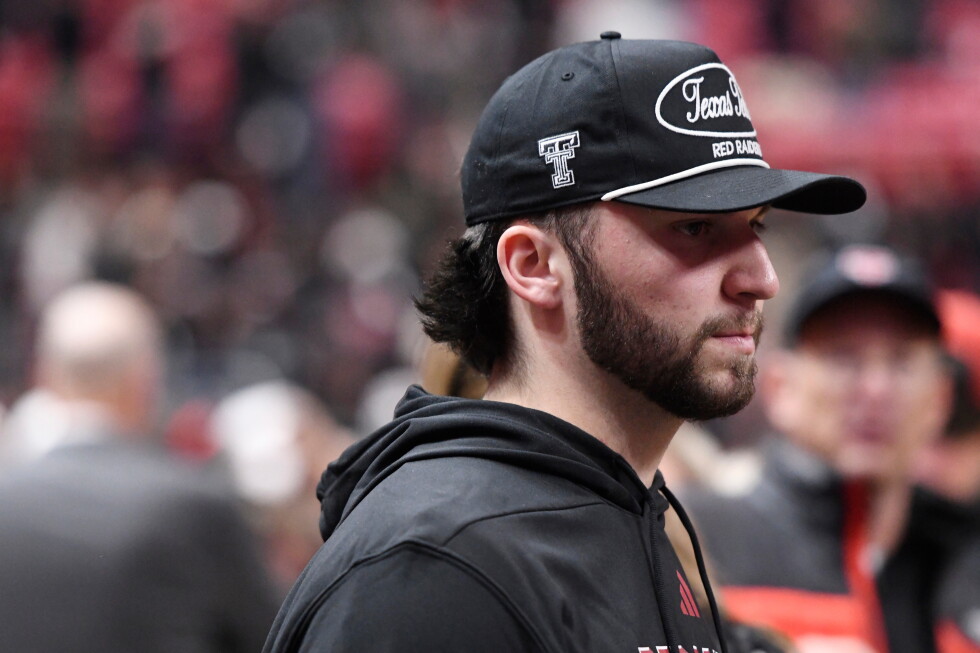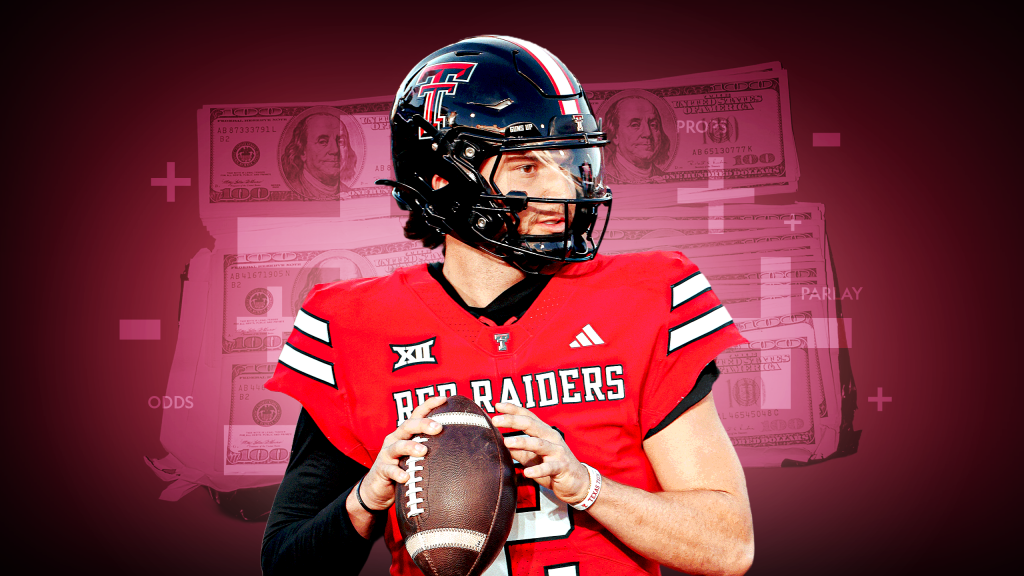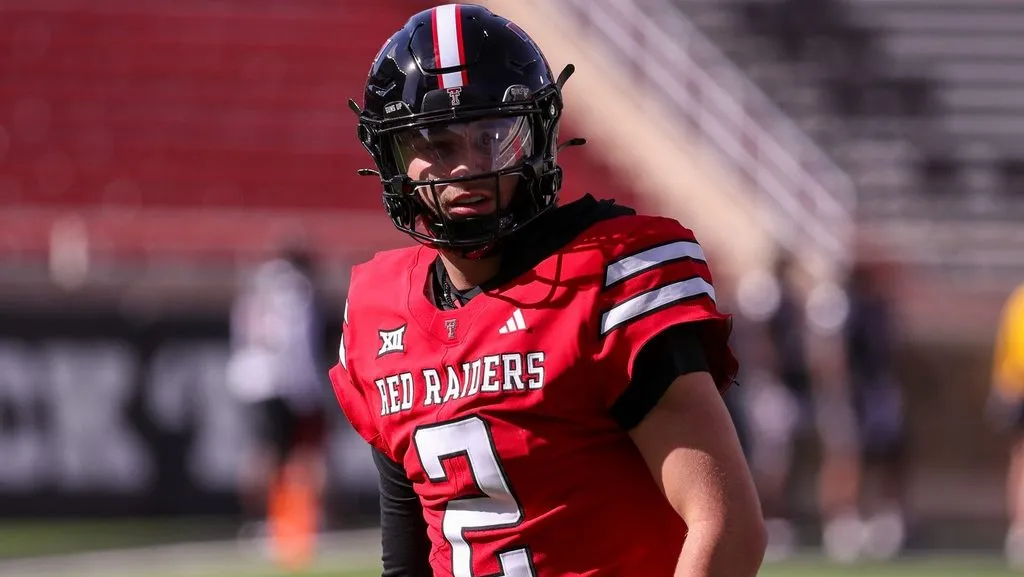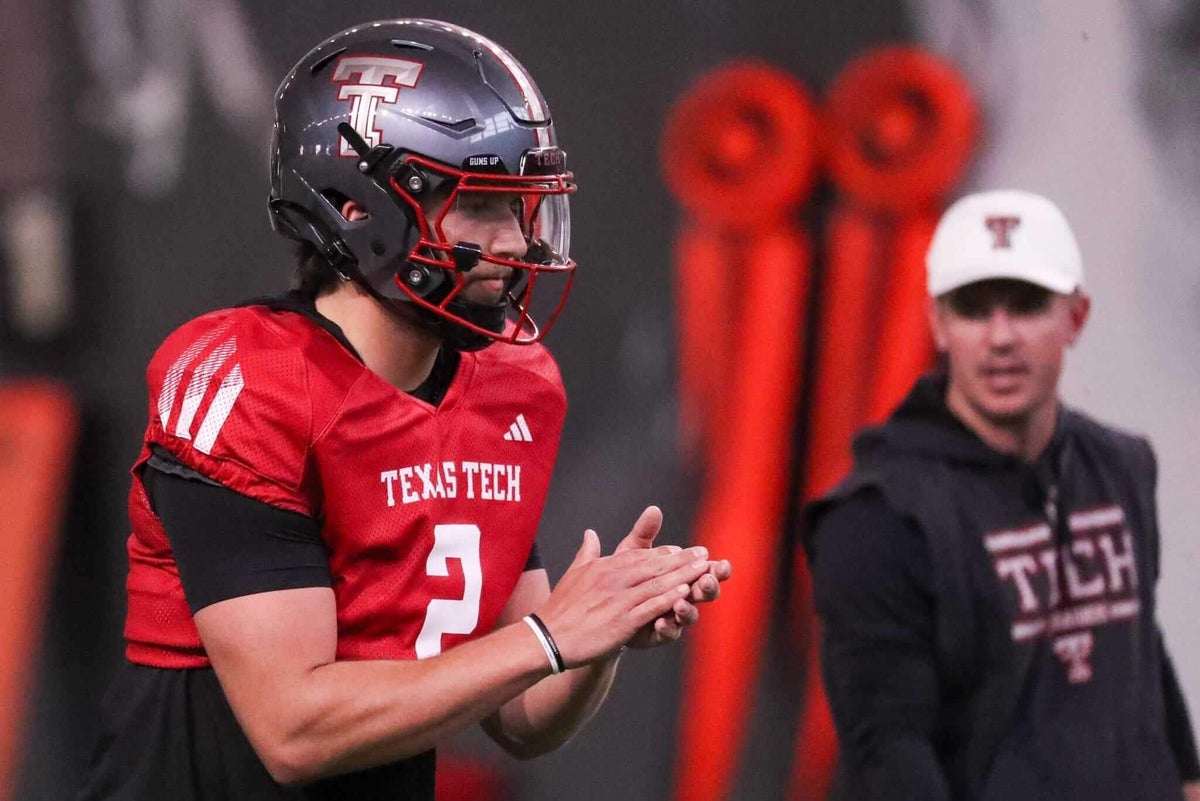
A Texas judge issued a temporary injunction to Texas Tech quarterback Brendan Sorsby on Monday, allowing the fifth-year transfer to immediately resume football activities with the program after the NCAA had previously ruled him ineligible for gambling violations.District Judge Ken Curry ruled Monday morning that Sorsby “will suffer a probable, imminent and irreparable injury if this Court does not issue this temporary injunction” to allow him to participate in Texas Tech’s upcoming football season.Sorsby gambled on his team’s games while a member of the Indiana football program in 2022 before transferring to Cincinnati and then Texas Tech. Sorsby, who admitted to placing more than 9,000 bets exceeding $90,000 total, including 40 bets totaling at least $850 on Indiana football, entered an in-person treatment facility for gambling addiction in April.The NCAA, which issued a permanent ban to Sorsby, is expected to file an appeal within days, a person with knowledge of the situation said.Outside of a two-game suspension, which was among six different preconditions ordered by Curry, will Sorsby automatically play this fall? What’s the NCAA’s legal recourse? Here are a couple of facts about what could come next.Appeal processThis is a state case, which means no entity outside of Texas has jurisdiction. The Lubbock County District Court feeds into the Texas Seventh Court of Appeals in Amarillo with four justices presiding.A pamphlet issued by the Pro Bono Committee of Texas provides a blueprint for Texas rules of appellate procedures and practices in civil appeals. An appeal doesn’t result in a new trial or hearing and attorneys are not allowed to present evidence, call witnesses or provide discovery. If the NCAA bases its appeal on judicial error, its complaint must be brought to Curry’s attention before the Court of Appeals reviews it.According to the pamphlet. “The Court of Appeals decides an appeal strictly on the basis of the trial court record, briefs, and, at the Court’s discretion, oral argument by the parties.”Civil case appeals must be filed within 30 days. It’s possible the NCAA will seek an accelerated appeal as it did in previous cases.Precedent for overturning rulingsIn January, an Alabama judge with the Tuscaloosa County Circuit Court granted men’s basketball player Charles Bediako a temporary, 10-day restraining order, which cleared the way for him to play for the Crimson Tide after an NCAA denial. Bediako competed at Alabama from 2021 to 2023 before declaring for the 2023 NBA Draft and playing three seasons in the G League. Under the restraining order, Bediako played in five games and averaged 10 points and 4.6 rebounds per game.Two weeks later, the Tuscaloosa Circuit Court denied Bediako’s preliminary injunction and he was not allowed to compete. Bediako requested injunctive relief from the court to keep playing while his appeal was pending but was denied. He also appealed to the Alabama State Supreme Court, which declined to hear his case and ended his season.In February, former Tennessee quarterback Joey Aguilar won a temporary restraining order against the NCAA, which prevented the organization from restricting his eligibility before a full hearing. Aguilar sought an extra season of Division I eligibility and maintained his junior college seasons should not count.However, Knox County Chancellor Christopher Heagerty, who granted Aguilar the temporary restraining order, denied the injunction seven days later. Considering the lengthy appellate process and possibility of an unsuccessful outcome, Aguilar chose to participate in the NFL combine and end his college career.Precedent against overturning rulingsFollowing the 2025 season, Ole Miss quarterback Trinidad Chambliss requested a redshirt medical season from the NCAA, citing medical issues from his second season at Division II Ferris State (Mich.). The NCAA denied the extra season, prompting Chambliss to sue the organization in Mississippi for immediate relief.In February, Chambliss won a preliminary injunction against the NCAA, which was granted in a Mississippi court. The NCAA appealed and requested an expedited ruling. The Mississippi Supreme Court denied the NCAA’s petition, upholding the preliminary injunction.In December 2024, former Vanderbilt quarterback Diego Pavia filed a federal lawsuit — different jurisdiction from the others — alleging his junior college service should not count against his eligibility and constituted an unlawful restraint toward earning NIL compensation. He secured a preliminary injunction to continue playing while the case worked through the legal system. The NCAA then granted a waiver for all junior college athletes for the 2025 season.Time frameAll three state cases required urgency, and the appeals were expedited quickly and adjudicated within a month. It’s undetermined whether the state of Texas would have similar swiftness through the Seventh Court of Appeals.Chief Justice Judy C. Parker holds a Juris Doctor from Texas Tech and previously served as president of the Texas Tech’s law school. Parker served as either a judge or associate judge in Lubbock County from 1994 through 2017, when she was elevated to the Seventh Court of Appeals. Justices Lawrence M. Doss, Alex L. Yarbrough and Laura A. W. Pratt also hold law degrees from Texas Tech. Whether these are conflicts of interest necessitating recusals is too early to determine. Curry, a Houston law graduate, took on the Sorsby case after Judge Phillip Hays, initially assigned, recused himself. Hays is a Lubbock native and Texas Tech alumnus.— Stewart Mandel contributed to this report.Jun 8, 2026Connections: Sports EditionSpot the pattern. Connect the termsFind the hidden link between sports terms
What’s next in the Brendan Sorsby case? What we know about NCAA appeal and past precedent
The NCAA, which had permanently banned Sorsby, is expected to file an appeal within days.
881 words~4 min read