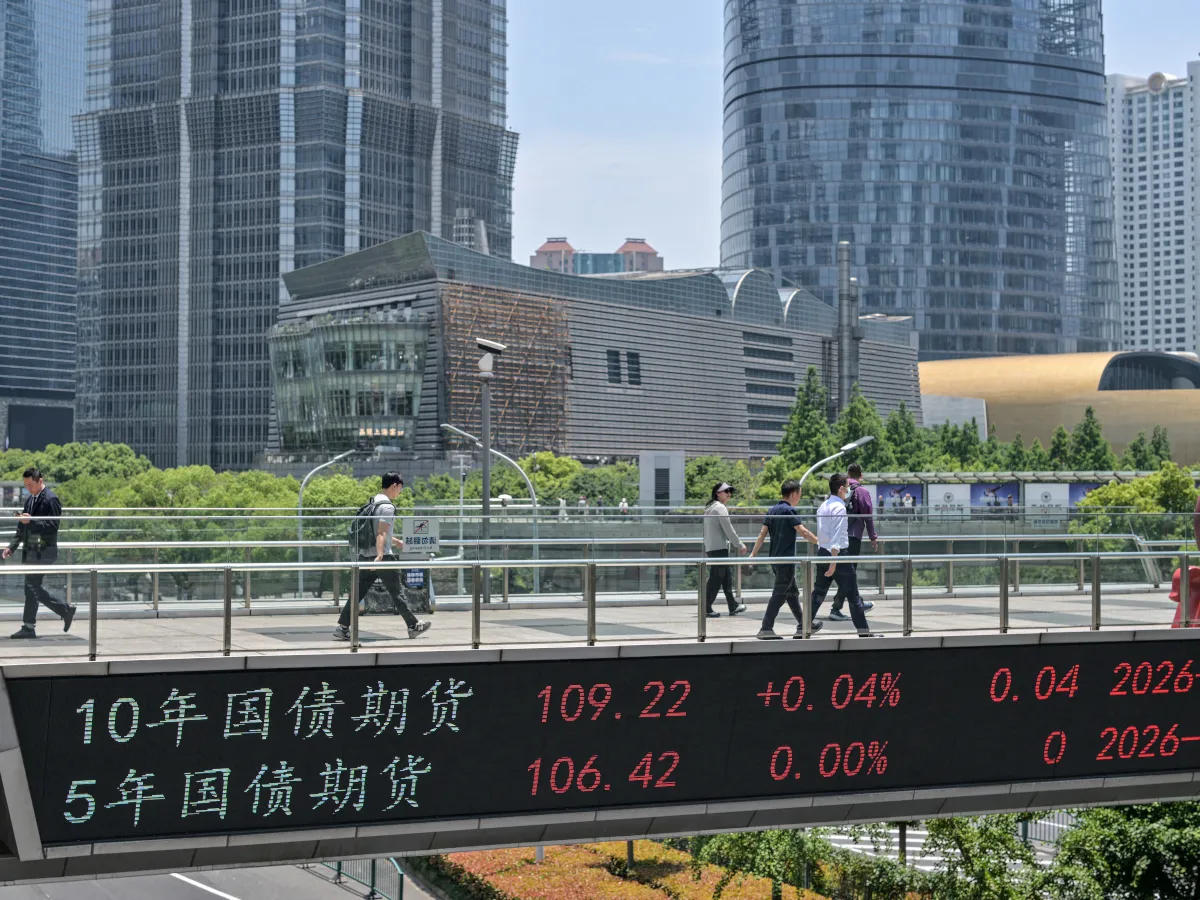
Skip to Content Subscribe Our Offers My Account Manage My Subscriptions FAQ Newsletters Canada Canadian True Crime Canadian Politics Health World Israel & Middle East Financial Post NP Comment Longreads Puzzmo Diversions Comics NP News Quiz New York Times Crossword Horoscopes Life Eating & Drinking Style Sponsored Play for Ontario Travel Travel Canada Travel USA Travel International Cruises Travel Essentials Culture Books Celebrity Movies Music Theatre Television Business Essentials Advice Lives Told Tails Told Shopping Buy Canadian Home Living Outdoor Living Kitchen & Dining Tech Style & Beauty Personal Care Entertainment & Hobbies Gift Guide Travel Guide Amazon Prime Day Deals Savings National Post Store More Sports Hockey Baseball Basketball Football Soccer Golf Tennis Driving Vehicle Research Reviews News Gear Guide Obituaries Place an Obituary Place an In Memoriam Classifieds Place an Ad Celebrations Working Business Ads Archives Healthing Epaper Manage Print Subscription Profile Settings My Subscriptions Saved Articles My Offers Newsletters Customer Service FAQ Newsletters Canada World Financial Post NP Comment Longreads Puzzmo Diversions Life Shopping Epaper Manage Print Subscription HomeNP CommentBryan Brulotte: China's economic and demographic crunch has massive implications for CanadaA slower-growing China may become more determined to secure strategic objectives while it still possesses relative strengthLast updated 5 minutes ago You can save this article by registering for free here. Or sign-in if you have an account.People walk on a footbridge with a screen displaying the treasury bond futures index, in Shanghai on June 1. Photo by Hector RETAMAL/AFPMuch has been written about China’s rise. Far less attention has been paid to a more important question: whether China’s economic model can sustain it.Enjoy the latest local, national and international news.Exclusive articles by Conrad Black, Barbara Kay and others. Plus, special edition NP Platformed and First Reading newsletters and virtual events.Unlimited online access to National Post.National Post ePaper, an electronic replica of the print edition to view on any device, share and comment on.Daily puzzles including the New York Times Crossword.Support local journalism.Enjoy the latest local, national and international news.Exclusive articles by Conrad Black, Barbara Kay and others. Plus, special edition NP Platformed and First Reading newsletters and virtual events.Unlimited online access to National Post.National Post ePaper, an electronic replica of the print edition to view on any device, share and comment on.Daily puzzles including the New York Times Crossword.Support local journalism.Create an account or sign in to continue with your reading experience.Access articles from across Canada with one account.Share your thoughts and join the conversation in the comments.Enjoy additional articles per month.Get email updates from your favourite authors.Create an account or sign in to continue with your reading experience.Access articles from across Canada with one accountShare your thoughts and join the conversation in the commentsEnjoy additional articles per monthGet email updates from your favourite authorsSign In or Create an AccountorFor more than three decades, China achieved one of the most remarkable economic expansions in modern history, lifting hundreds of millions out of poverty and transforming itself into the manufacturing centre of the world. Yet beneath that success lies a growing structural weakness that Canadian policymakers should watch closely: debt.The conventional wisdom in many western capitals portrays China as an unstoppable economic force. The reality is more complicated. China remains an economic and military powerhouse, but it is also one of the most indebted major economies in the world.This newsletter from NP Comment tackles the topics you care about. (Subscriber-exclusive edition on Fridays)By signing up you consent to receive the above newsletter from Postmedia Network Inc.We encountered an issue signing you up. Please try againAccording to the Bank for International Settlements, China’s combined government, corporate and household debt now exceeds 300 per cent of GDP. That level of leverage would be concerning in any economy. It is particularly concerning in one experiencing slowing growth and a shrinking population.The problem is not primarily Beijing’s central government debt. The larger challenge lies in the vast network of local government borrowing accumulated during decades of investment-led growth.Municipal governments financed infrastructure projects through Local Government Financing Vehicles, often borrowing outside formal government balance sheets. Today, these entities are estimated to hold more than 60-trillion yuan (C$12.35 trillion) in debt, a figure that exceeds the annual economic output of Germany.Much of this borrowing was tied to China’s property sector. At its peak, real estate and related industries accounted for over 30 per cent of China’s GDP.Local governments sold land-use rights to developers. Developers borrowed heavily to build housing. Rising property values generated revenues that financed additional infrastructure spending. It was a model that appeared self-sustaining until the underlying assumptions began to fail.The collapse of major developers such as Evergrande exposed the fragility of the system. Property prices have fallen, construction activity has slowed and local government revenues have weakened. In 2024, local government land sale revenues declined by 16 per cent.The financial engine that helped support local government spending for more than two decades is no longer performing as it once did.China’s challenge is compounded by demographics. The country’s working-age population has already peaked and is now declining. In 2025, China recorded only 7.9-million births, among the lowest levels in its modern history.Meanwhile, the share of citizens over 65 is projected to double by 2050. Debt is far easier to manage when an economy is growing rapidly and adding workers. It becomes far more difficult when growth slows and retirees represent a larger share of the population.China is, in many respects, aging before it becomes rich. Its demographic profile increasingly resembles Japan’s, but its per capita income remains far below that of Japan, Canada and the United States. These are structural realities that will shape China’s economic performance for decades.There is also an external dimension to China’s debt burden. Since 2013, Beijing has committed more than US$1 trillion (C$1.4 trillion) to its Belt and Road Initiative. These investments have expanded Chinese influence across Asia, Africa, Latin America and parts of Europe. They have also created substantial financial exposure.Research suggests that more than half of China’s overseas lending portfolio is now concentrated in countries experiencing elevated debt distress. Loans intended to expand influence are increasingly becoming liabilities requiring restructuring and financial support.Some observers interpret these trends as evidence that China is headed for collapse. That conclusion is premature.China retains enormous strengths, including a massive industrial base, substantial domestic savings, world-class manufacturing capacity and a government that exercises extraordinary influence over the banking system. Beijing can compel banks to extend loans, restructure debt and delay financial crises that might otherwise emerge. The more likely outcome is not collapse, but slower growth.For Canada, however, slower Chinese growth carries significant geopolitical implications. Economic weakness does not necessarily reduce military ambition. China’s official defence budget reached approximately US$245 billion in 2025, making it the second-largest military spender in the world.History suggests that governments facing economic pressure often place greater emphasis on nationalism and military prestige as sources of domestic legitimacy. A slower-growing China may become more determined to secure strategic objectives while it still possesses relative strength.At the same time, excess industrial capacity will increasingly seek foreign markets. Chinese producers of electric vehicles, batteries, solar panels, steel and advanced manufacturing equipment will need customers. This will create growing trade friction with western countries, including Canada.Beijing’s need for stable access to resources will also intensify. Canada possesses critical minerals, energy resources, advanced agricultural production and strategic Arctic access. These assets will become increasingly important in an era of great-power competition.Canadian policymakers must recognize that China’s debt problem is no longer merely an economic issue, it’s a strategic issue. Debt influences growth, military spending, trade behaviour and geopolitical decision-making. Canada should avoid two analytical mistakes: assuming China’s rise is inevitable or assuming its decline is imminent. Neither view reflects reality.China remains a formidable competitor confronting high debt levels, a property sector correction that’s disrupting the entire economy, declining birth rates and a rapidly aging population. The task for Canada is not to predict China’s future, but to prepare for it.National Post Join the Conversation This website uses cookies to personalize your content (including ads), and allows us to analyze our traffic. Read more about cookies here. By continuing to use our site, you agree to our Terms of Use and Privacy Policy.
Bryan Brulotte: China's economic and demographic crunch has massive implications for Canada
A slower-growing China may become more determined to secure strategic objectives while it still possesses relative strength
1,363 words~6 min read