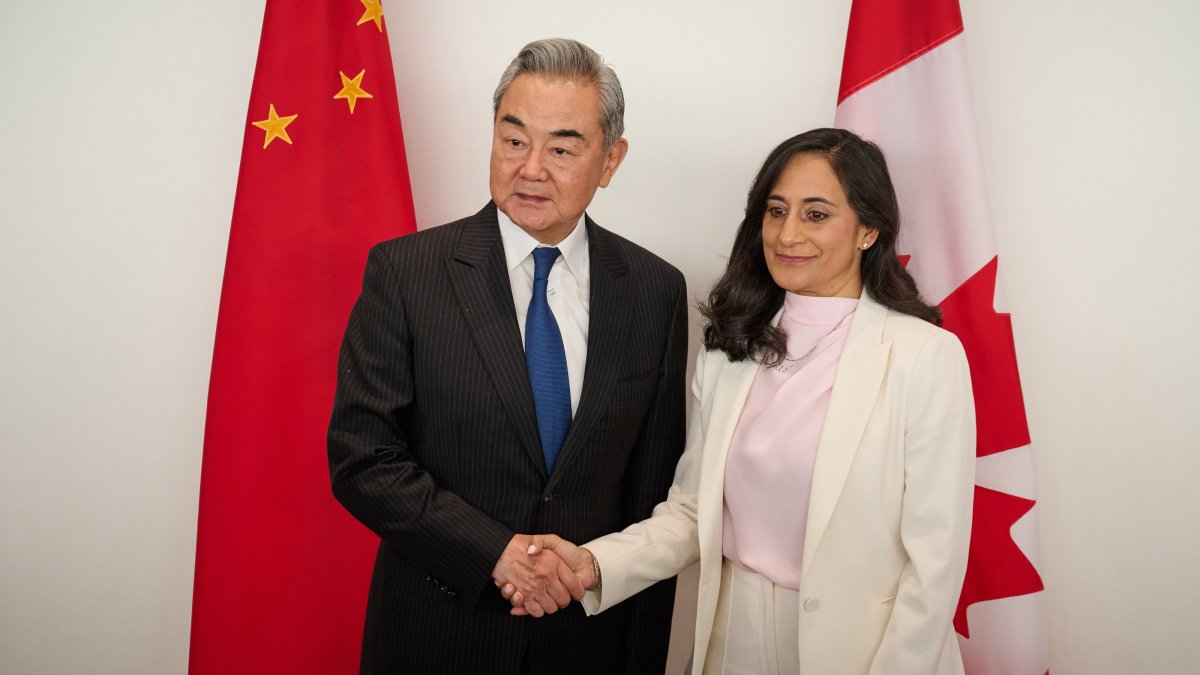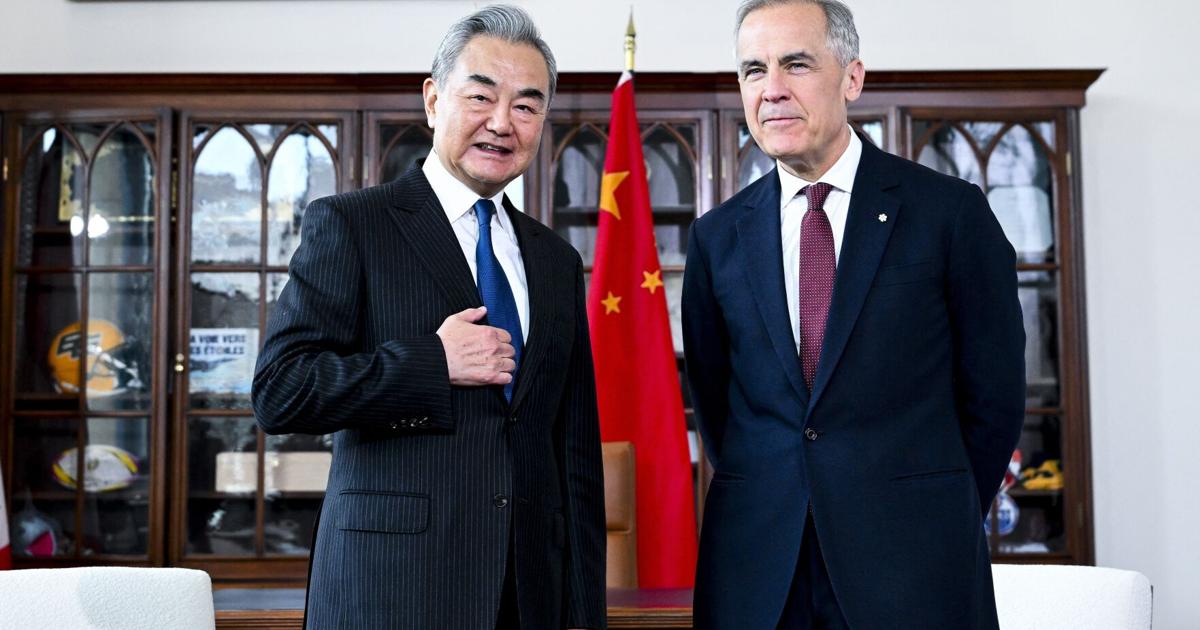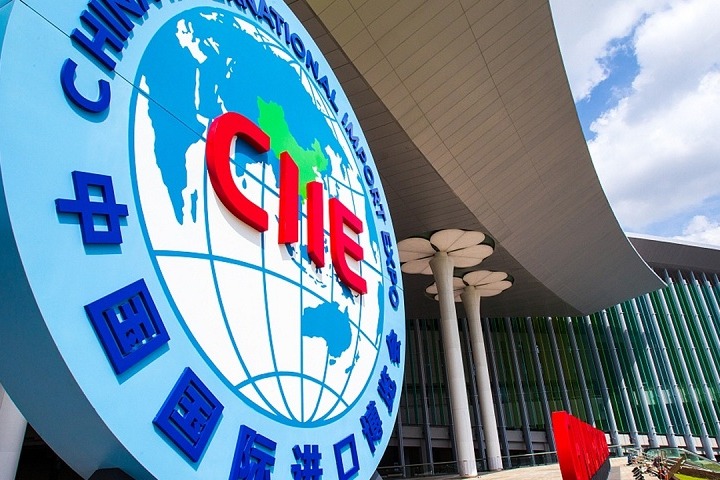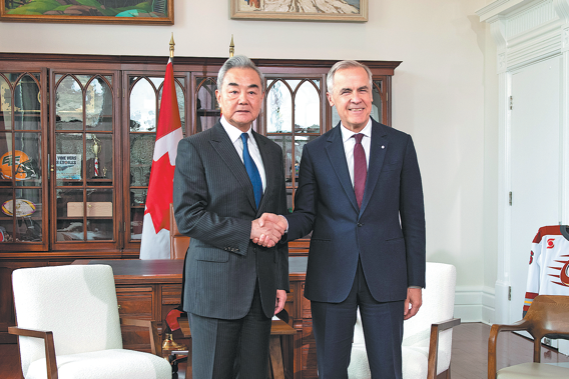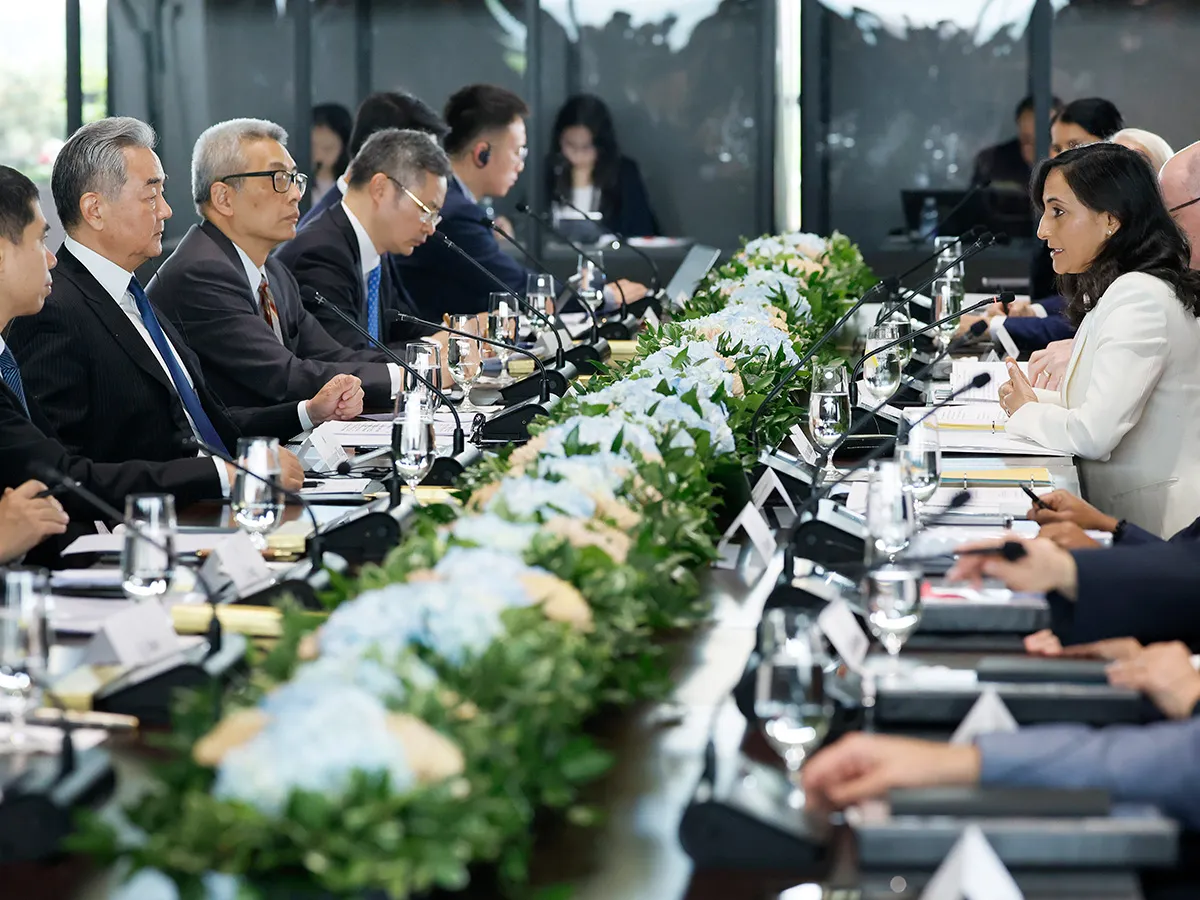
Skip to Content Subscribe Our Offers My Account Manage My Subscriptions FAQ Newsletters Canada Canadian True Crime Canadian Politics Health World Israel & Middle East Financial Post NP Comment Longreads Puzzmo Diversions Comics NP News Quiz New York Times Crossword Horoscopes Life Eating & Drinking Style Sponsored Play for Ontario Travel Travel Canada Travel USA Travel International Cruises Travel Essentials Culture Books Celebrity Movies Music Theatre Television Business Essentials Advice Lives Told Tails Told Shopping Buy Canadian Home Living Outdoor Living Tech Style & Beauty Kitchen & Dining Personal Care Entertainment & Hobbies Gift Guide Travel Guide Deals Savings National Post Store More Sports Hockey Baseball Basketball Football Soccer Golf Tennis Driving Vehicle Research Reviews News Gear Guide Obituaries Place an Obituary Place an In Memoriam Classifieds Place an Ad Celebrations Working Business Ads Archives Healthing Epaper Manage Print Subscription Profile Settings My Subscriptions Saved Articles My Offers Newsletters Customer Service FAQ Newsletters Canada World Financial Post NP Comment Longreads Puzzmo Diversions Life Shopping Epaper Manage Print Subscription HomeNewsCanadaCanadian PoliticsCanada looks to boost trade as China's foreign minister makes first visit in a decadeCanada is aiming to increase exports to China by 50% by 2030, ‘while safeguarding Canada’s economic and national security interests and values,’ Anand saidAuthor of the article: You can save this article by registering for free here. Or sign-in if you have an account.China’s Minister of Foreign Affairs Wang Yi attends a bilateral meeting with Canada’s Minister of Foreign Affairs Anita Anand at Global Affairs Canada in Ottawa May 29, 2026. Photo by Blair Gable/PostmediaForeign Minister Anita Anand said Canada aims to grow exports to China by 50 per cent by 2030, as her Chinese counterpart visits Ottawa in a sign of a shifting global order shaped by U.S. tariffs.Enjoy the latest local, national and international news.Exclusive articles by Conrad Black, Barbara Kay and others. Plus, special edition NP Platformed and First Reading newsletters and virtual events.Unlimited online access to National Post.National Post ePaper, an electronic replica of the print edition to view on any device, share and comment on.Daily puzzles including the New York Times Crossword.Support local journalism.Enjoy the latest local, national and international news.Exclusive articles by Conrad Black, Barbara Kay and others. Plus, special edition NP Platformed and First Reading newsletters and virtual events.Unlimited online access to National Post.National Post ePaper, an electronic replica of the print edition to view on any device, share and comment on.Daily puzzles including the New York Times Crossword.Support local journalism.Create an account or sign in to continue with your reading experience.Access articles from across Canada with one account.Share your thoughts and join the conversation in the comments.Enjoy additional articles per month.Get email updates from your favourite authors.Create an account or sign in to continue with your reading experience.Access articles from across Canada with one accountShare your thoughts and join the conversation in the commentsEnjoy additional articles per monthGet email updates from your favourite authorsSign In or Create an AccountorWang Yi’s trip to Canada marks his first in a decade and he also met with Prime Minister Mark Carney on Friday. U.S. President Donald Trump’s trade policy has pushed Carney to step up efforts to diversify Canada’s trade, with expanded oil and gas shipments to China high on the agenda.Speaking before her meeting with Wang, Anand said total bilateral trade between Canada and China reached $125 billion last year.“We are committed to growing this relationship responsibly with a goal of increasing exports to China by 50 per cent by 2030, while safeguarding Canada’s economic and national security interests and values,” she said.Wang’s trip follows Carney’s fence-mending visit to Beijing in January, where the prime minister struck a deal with President Xi Jinping to lower trade barriers. As part of that agreement, Canada will allow 49,000 Chinese electric vehicles annually at a tariff rate of 6.1 per cent, removing a 100 per cent surtax, in exchange for China easing agriculture tariffs.During his Beijing trip, Carney heralded Canada’s new “strategic partnership” with China, telling Premier Li Qiang that it “sets us up well for the new world order.”Wang said Friday that the bilateral relationship has achieved a “turnaround” and is now “improving and growing,” something he said is in the interest of both countries.Anand said China and Canada’s leaders have set out a “clear and ambitious vision” for the countries’ new relationship.“It includes elevated engagement and cooperation on trade and investment, energy, finance, public security and safety, and people-to-people ties,” she said.A readout from her office later said the ministers discussed a “wide range of topics in a frank and constructive manner, including consular issues, foreign interference, forced labor and human rights.”The countries will regularize annual foreign ministers’ meetings and resume mechanisms to discuss sensitive bilateral issues and national security, it said.Canada has accepted China’s invitation to be a country of honour at the China International Import Expo in Shanghai in early November, it said, adding “the ministers discussed supporting two-way investment and trade in clean and conventional energy.”Carney’s government has promised to support the province of Alberta’s proposal for a new oil pipeline to Canada’s west coast, which would carry at least one million barrels a day for shipment to Asia. Currently, Canada only has one pipeline that serves Asia, and most of the country’s oil still goes to the U.S.The two nations saw years of frosty diplomacy under previous prime minister, Justin Trudeau.Relations cratered in 2018 after Canada arrested a Huawei Technologies Co. executive at the request of the U.S., with China detaining two Canadian citizens soon after. Allegations of Beijing’s election interference and trade tit-for-tats have further strained ties since.For Beijing, mending ties with a close American ally that has been increasingly frustrated by Trump’s erratic trade and foreign policy serves its long-time strategy to drive a wedge in U.S. alliances — and their concerted efforts to counter China.U.S. policymakers, including Trump himself, have been sharply critical of Carney for cutting a deal with Xi on electric cars. Canada’s decision marked a major break with U.S. policy, and also opens a new market for Chinese EV manufacturers grappling with cut-throat competition at home.Carney defended that move at the Economic Club of New York on Thursday, saying Canada’s relationship with China required a reset. Key Canadian sectors such as agriculture and fisheries had been effectively shut out of a market that once supported hundreds of thousands of jobs, he said.“In this world, it’s the second-largest economy — you need to have a dialogue with China,” he said.The top Chinese diplomat last visited Canada in 2016, months ahead of late Chinese Premier Li Keqiang’s trip to Ottawa. That was the last time a Chinese leader has visited the country.Xi has never been to Canada since coming to power in 2012, making it the only Group of Seven nation he has not visited as president.Our website is the place for the latest breaking news, exclusive scoops, longreads and provocative commentary. Please bookmark nationalpost.com and sign up for our politics newsletter, First Reading, here. Join the Conversation This website uses cookies to personalize your content (including ads), and allows us to analyze our traffic. Read more about cookies here. By continuing to use our site, you agree to our Terms of Use and Privacy Policy.
Canada looks to boost trade as China's foreign minister makes first visit in a decade
Canada wants to increase exports to China by 50%, “while safeguarding Canada’s economic and national security interests and values”: Anand.
1,202 words~5 min read