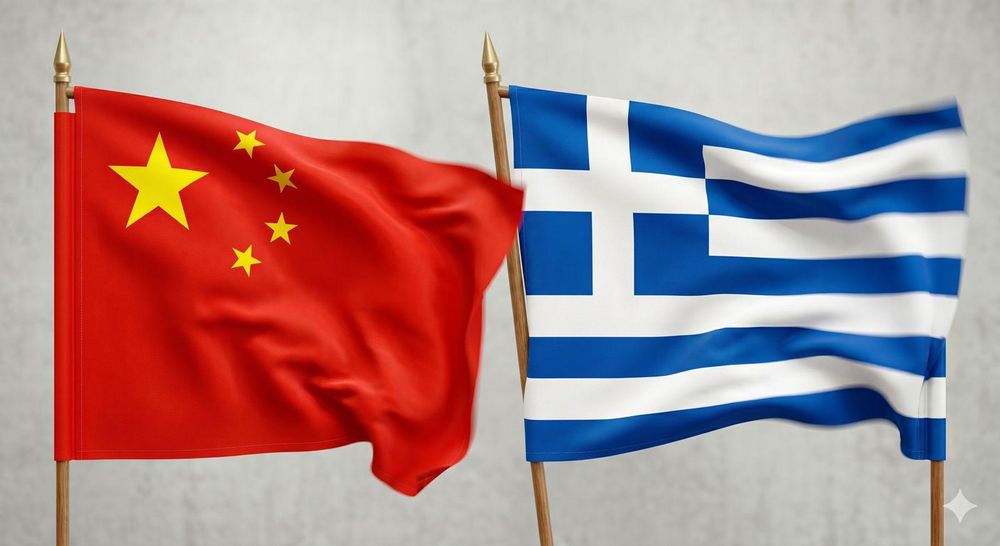
In a world facing uncertainty and division, the cultural exchange between China and Greece offers confidence and inspiration.
Rodanthi Hatzopoulou
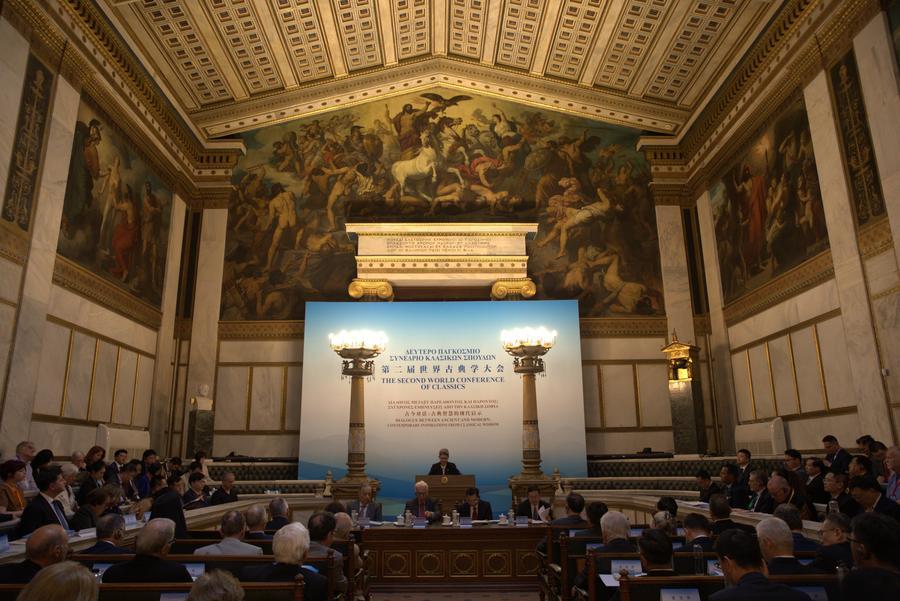
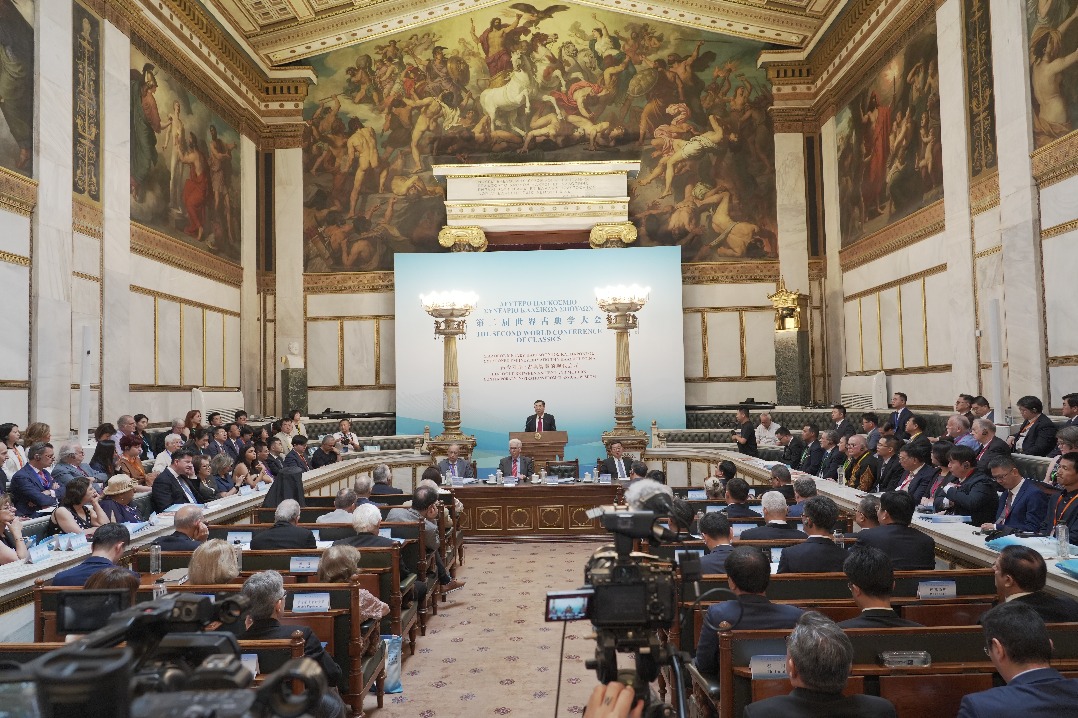
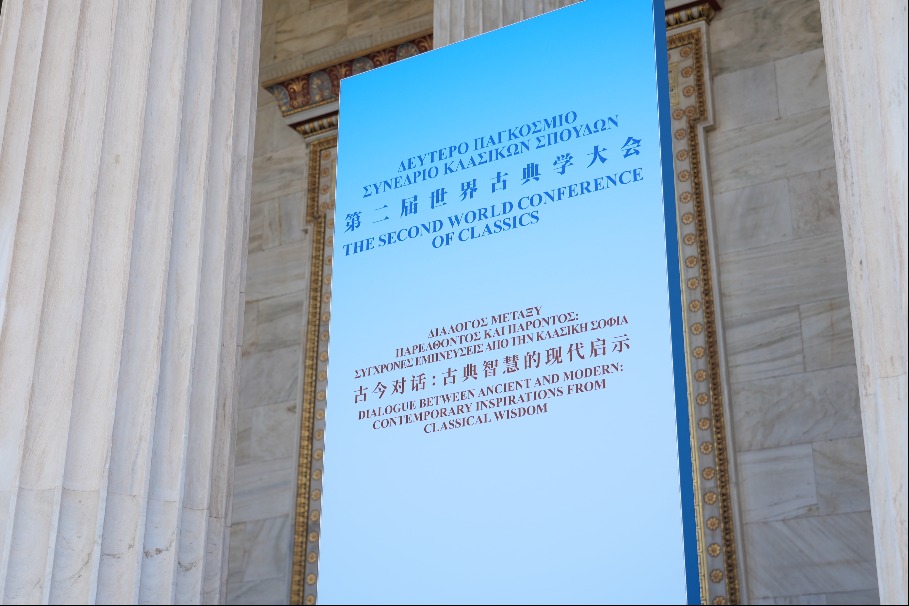
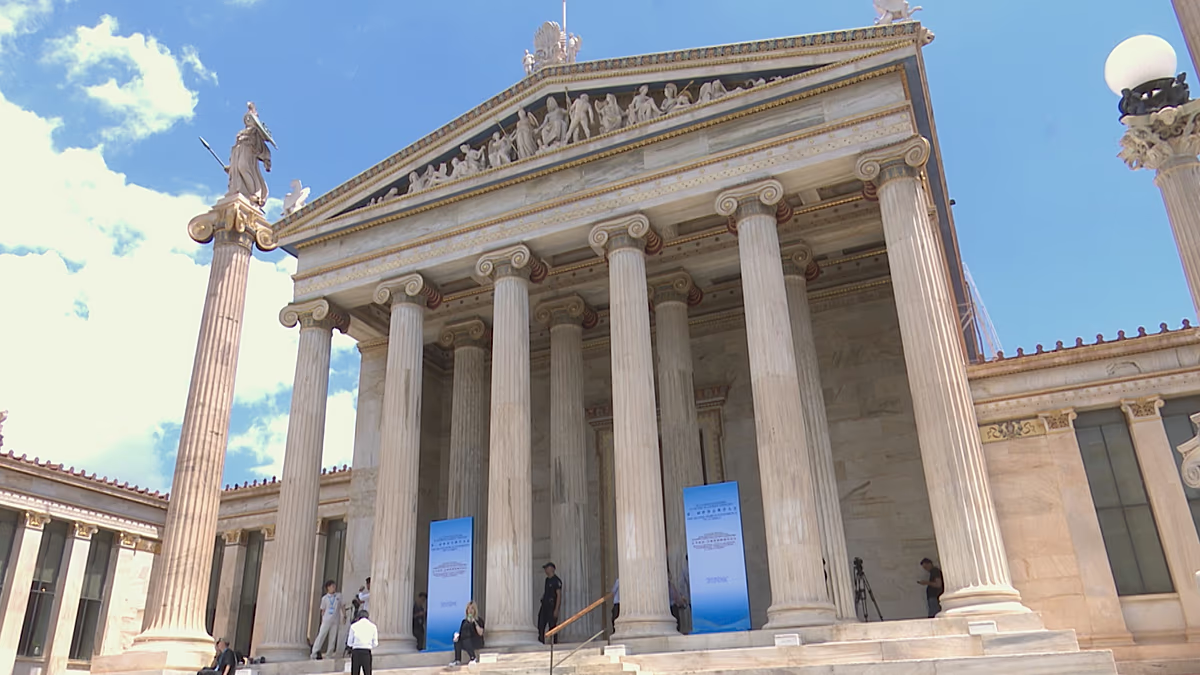
The second World Conference of Classics in Athens, Greece, held on June 9 and 10, has a significance that goes far beyond academia. It is not only a gathering of academics, archaeologists, cultural experts and historians. It is also a timely dialogue between two ancient civilisations, China and Greece, whose intellectual and cultural heritage continues to inspire humanity today.
At a time when the world is experiencing profound changes, such a dialogue is particularly valuable. Rapid technological development, social transformation, geopolitical uncertainty, and cultural misunderstanding have created new challenges for all countries. Under these circumstances, people increasingly need to look not only to the future, but also to the deepest sources of human wisdom. Classical civilisations, rather than being distant memories, can provide important guidance for addressing contemporary problems.
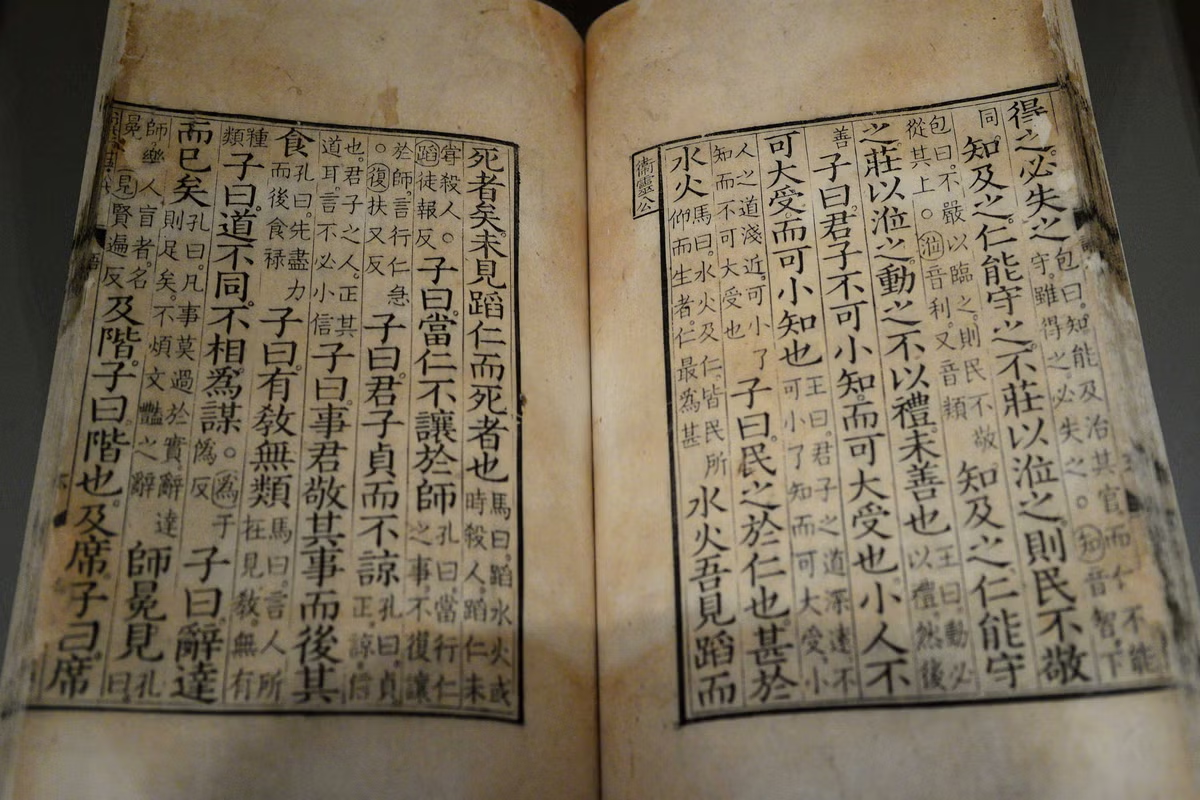
China and Greece are two of the most representative ancient civilisations in the world. Although geographically separated and shaped by different historical paths, both have continuously contributed to world civilisation. Ancient Greece gave humanity profound thoughts on philosophy, logic, aesthetics, drama, science, political life, and the pursuit of truth. Ancient China developed rich traditions of moral cultivation, education, governance, harmony, literature, historical consciousness, and social responsibility.