Every summer, millions of people head towards America's beaches expecting sunshine, surf, and warm coastal waters.
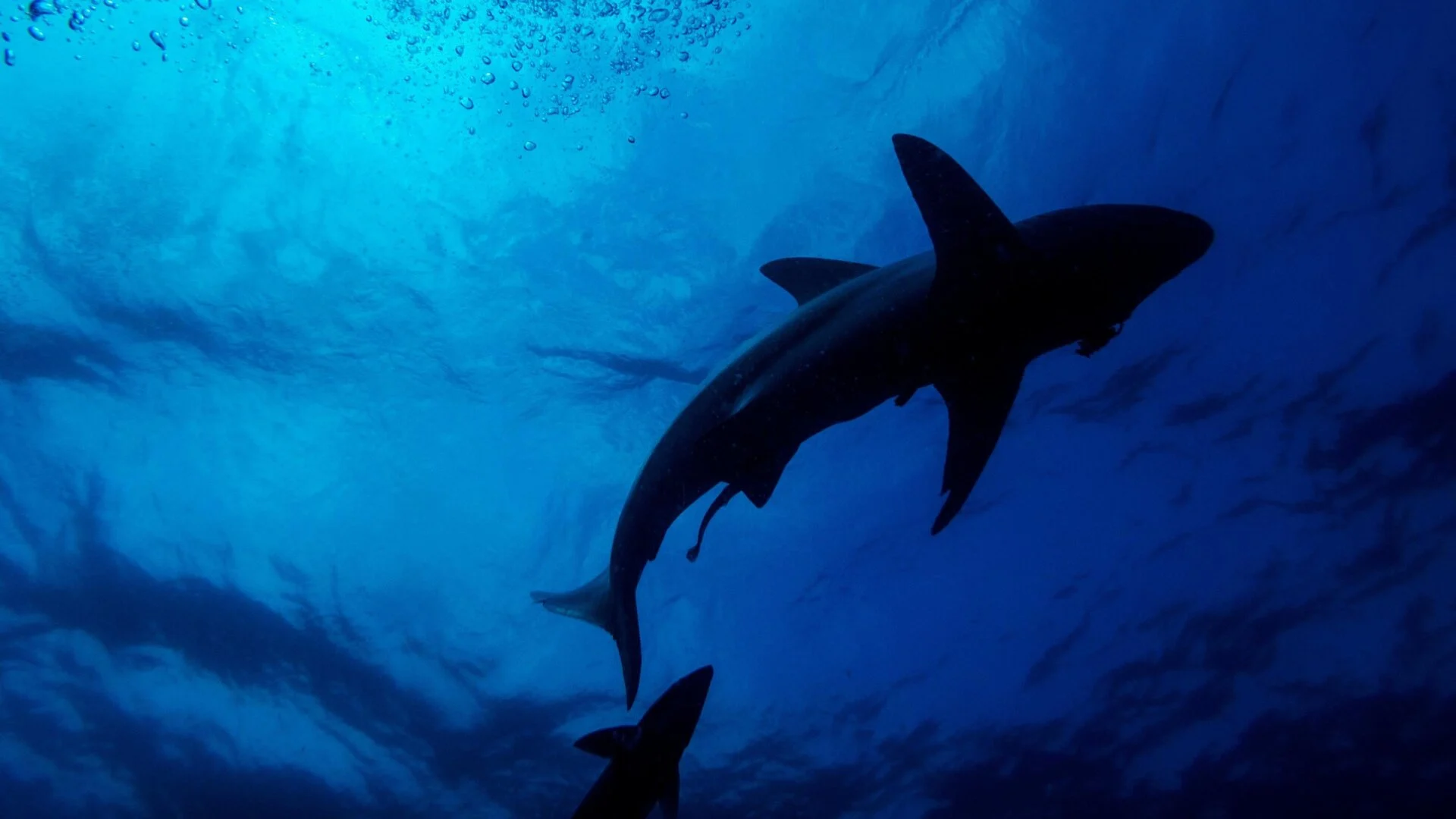
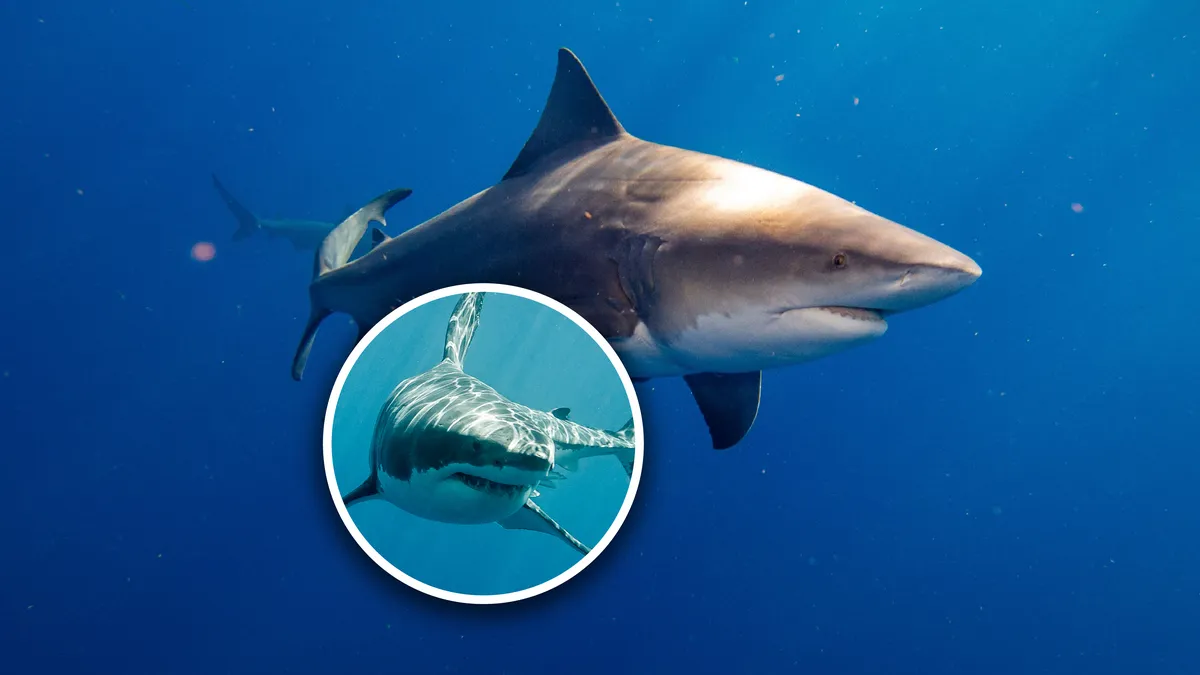
Yet beneath those same waves lives one of the ocean's most misunderstood predators.
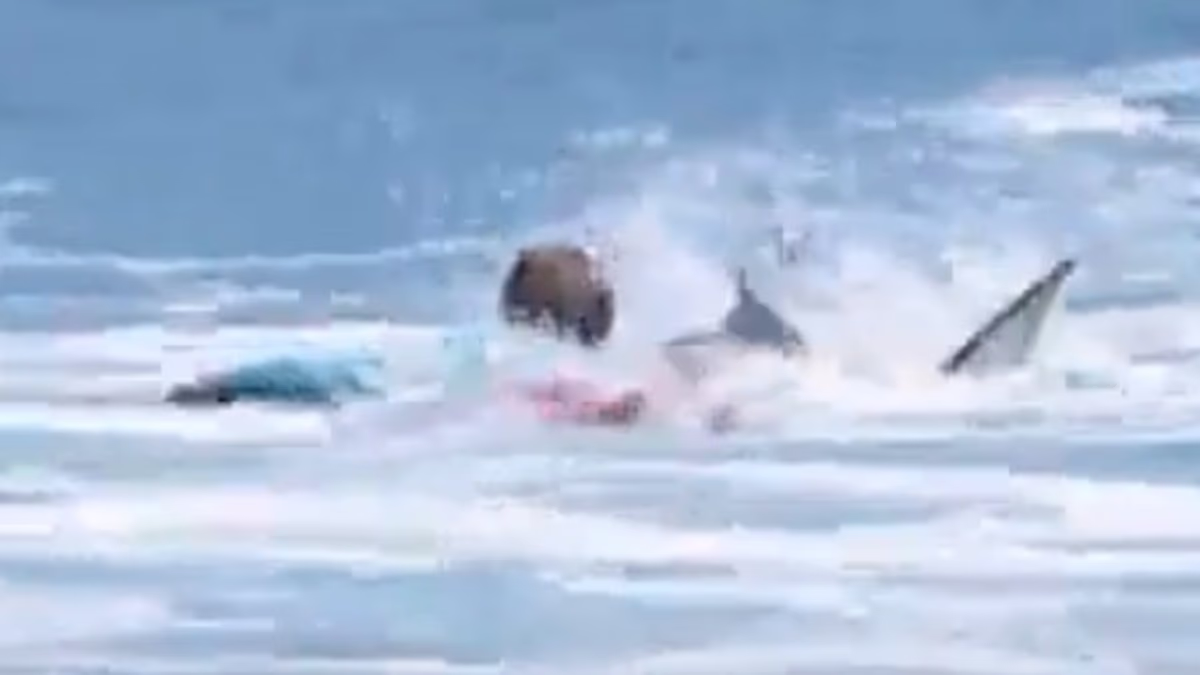
Shark attacks remain exceptionally rare, but they are not evenly distributed.
Some areas of coastlines in the United States have more incidents of shark attacks than other areas because of geographic features, temperatures of water bodies, ecosystems, and human activities.The best data available is provided by the International Shark Attack File (ISAF) at the Florida Museum of Natural History at the University of Florida.
The database, which contains records dating back centuries, reveals clear hotspots where unprovoked shark bites occur more frequently than elsewhere.