While the overall risk of a shark attack remains low, experts say warmer waters, various weather events, shifting prey and busier coastlines can increase the risk
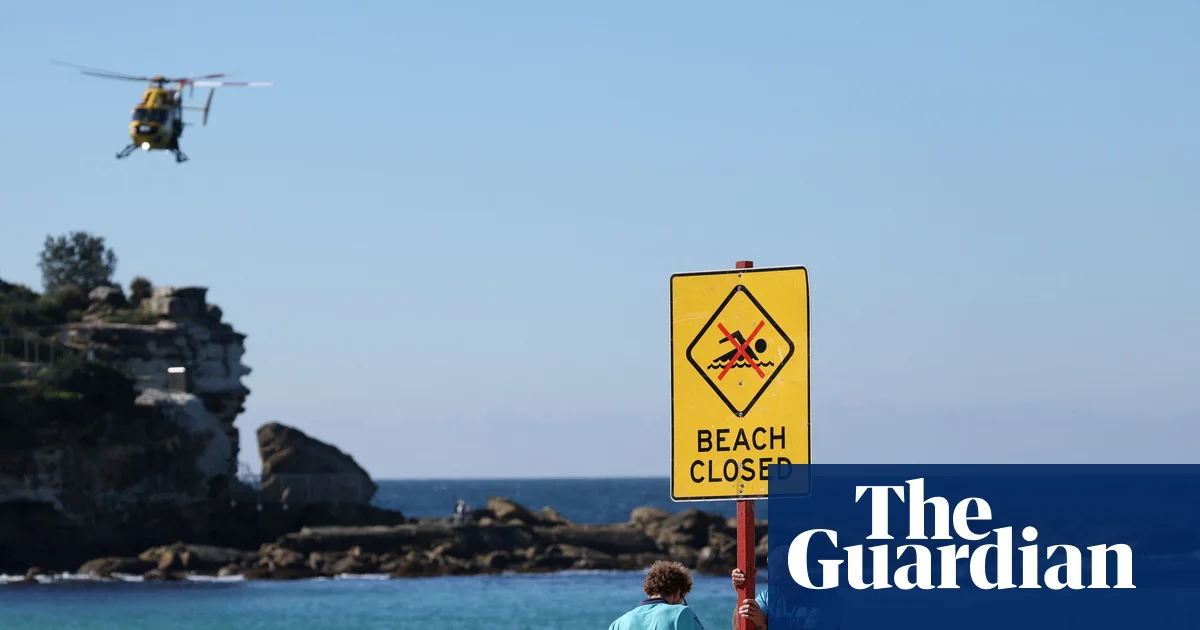
A recent cluster of shark attacks along Australia’s east coast – including a fatal attack on a 12-year-old boy in Sydney – has renewed attention on how people share the ocean with sharks, particularly in a country that sees more than 500 million coastal visits by beachgoers each year.
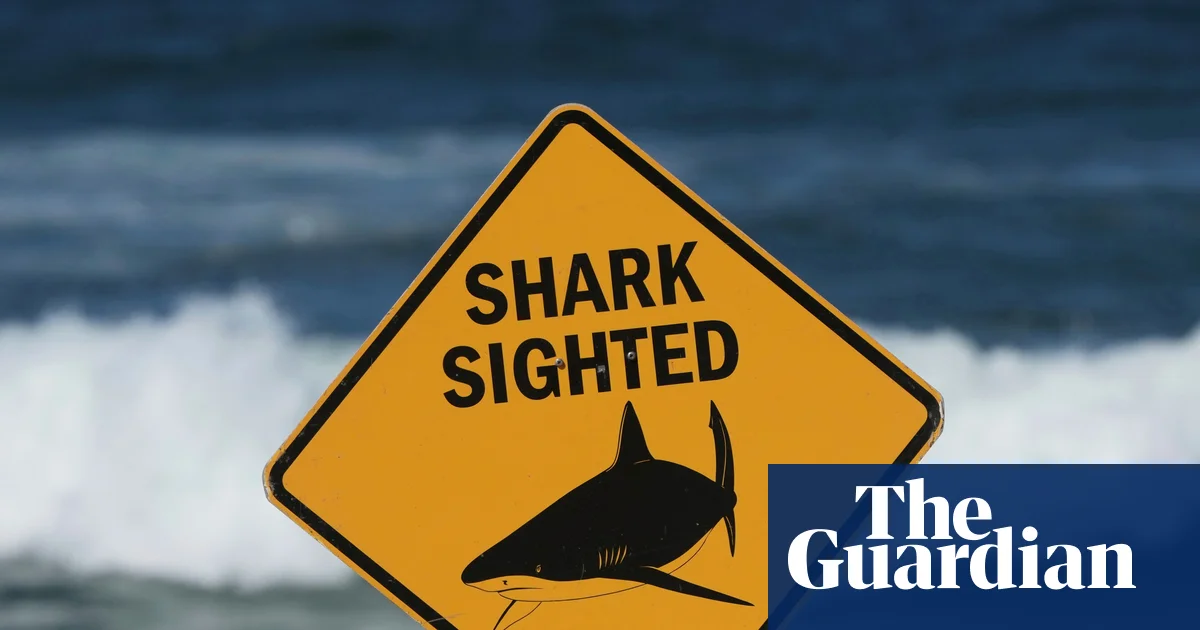
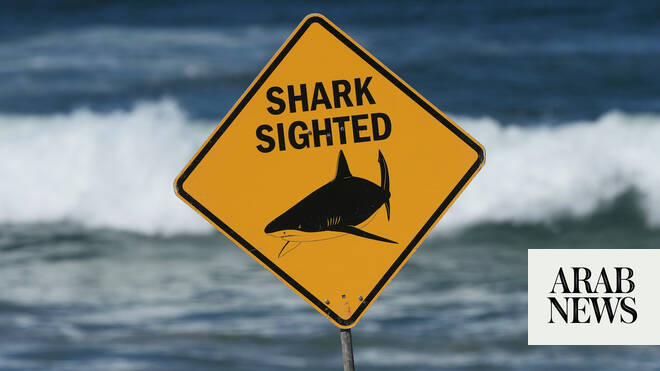
While the overall risk of a shark attack remains low, experts say warmer waters, various weather events, shifting prey and busier coastlines can increase the likelihood of shark encounters – making when, where and how people enter the water as important as ever.
Shark attacks have occurred most frequently in the state of New South Wales, largely due to the high number of beachgoers – particularly surfers – along its coastline.
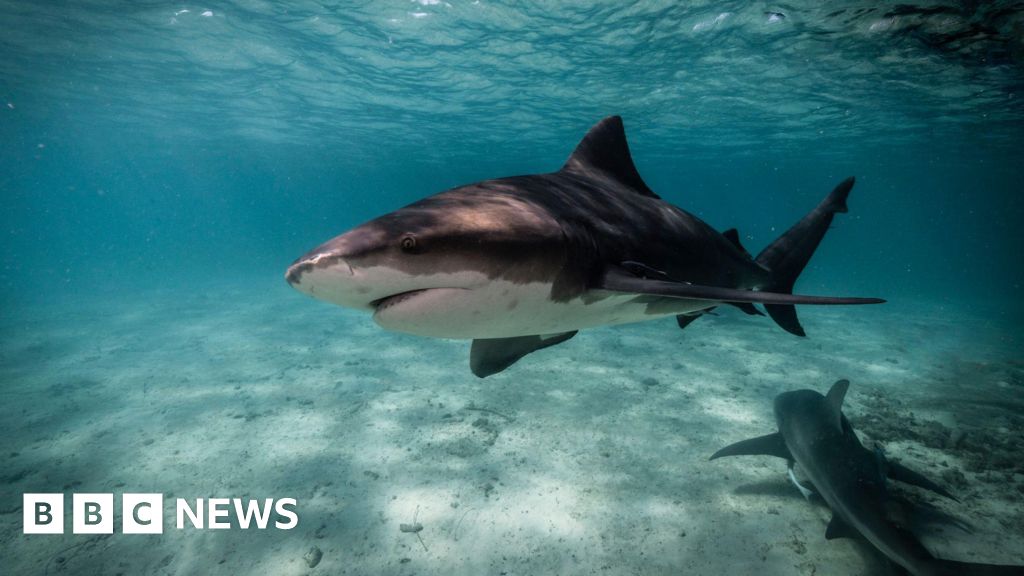
A range of shark species inhabit the coastline around Sydney including great whites and tiger sharks. But bull sharks – known for their ability to tolerate freshwater, as well as their adaptability to near-shore waters and river mouths – are among the most commonly implicated in attacks in the region.