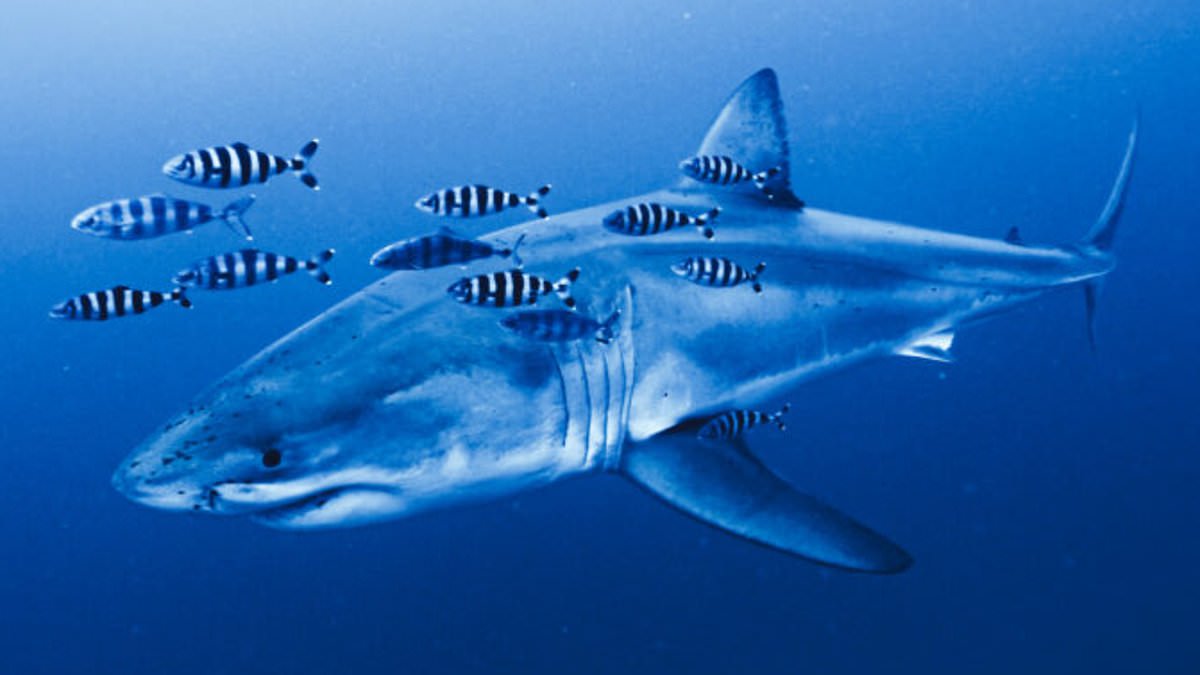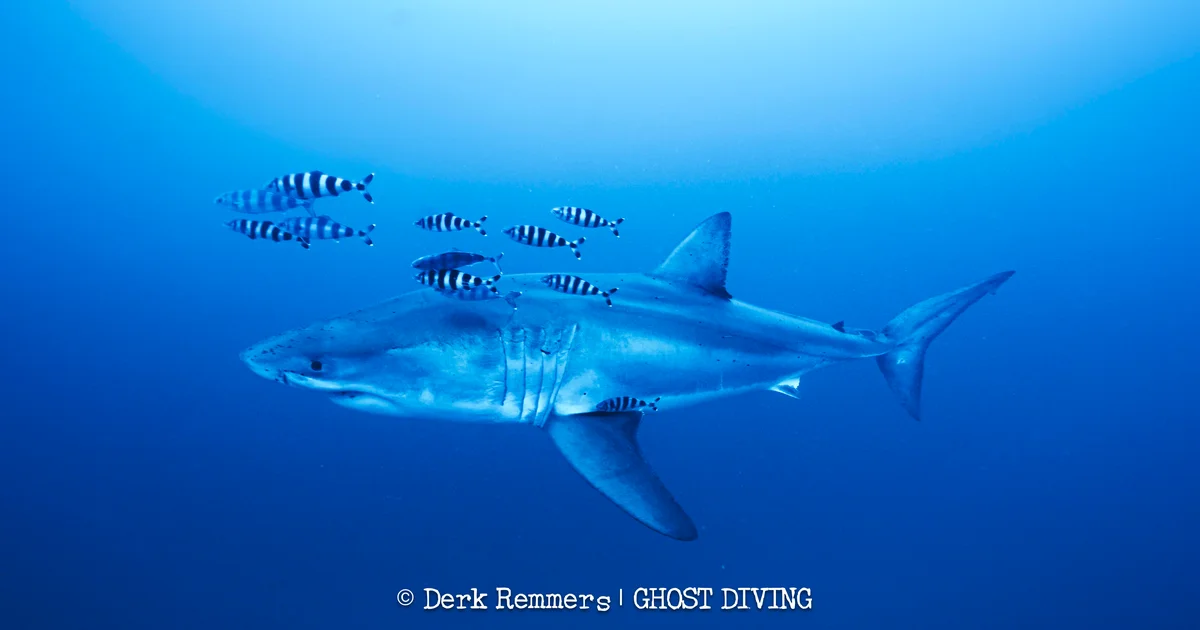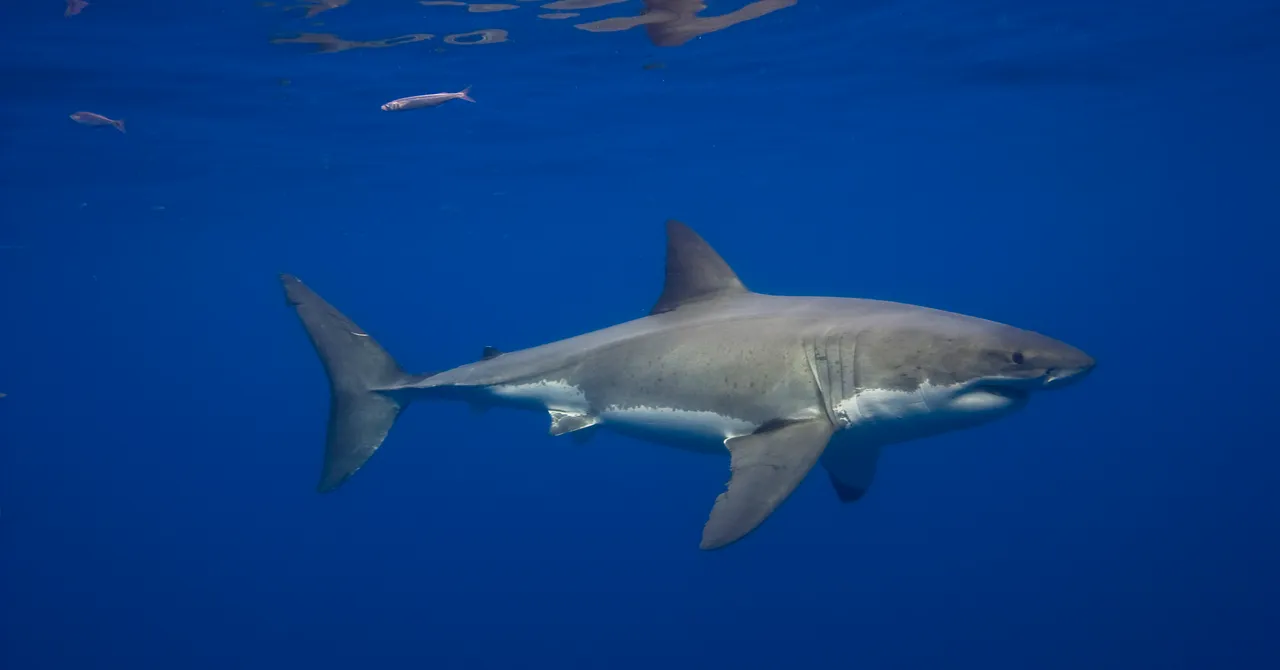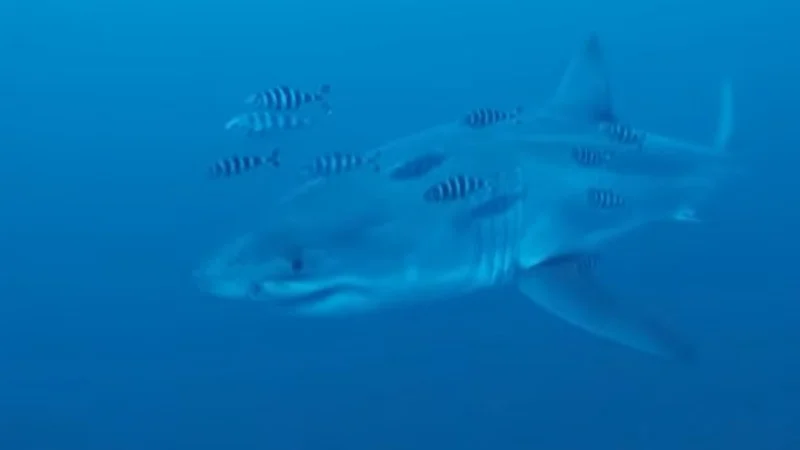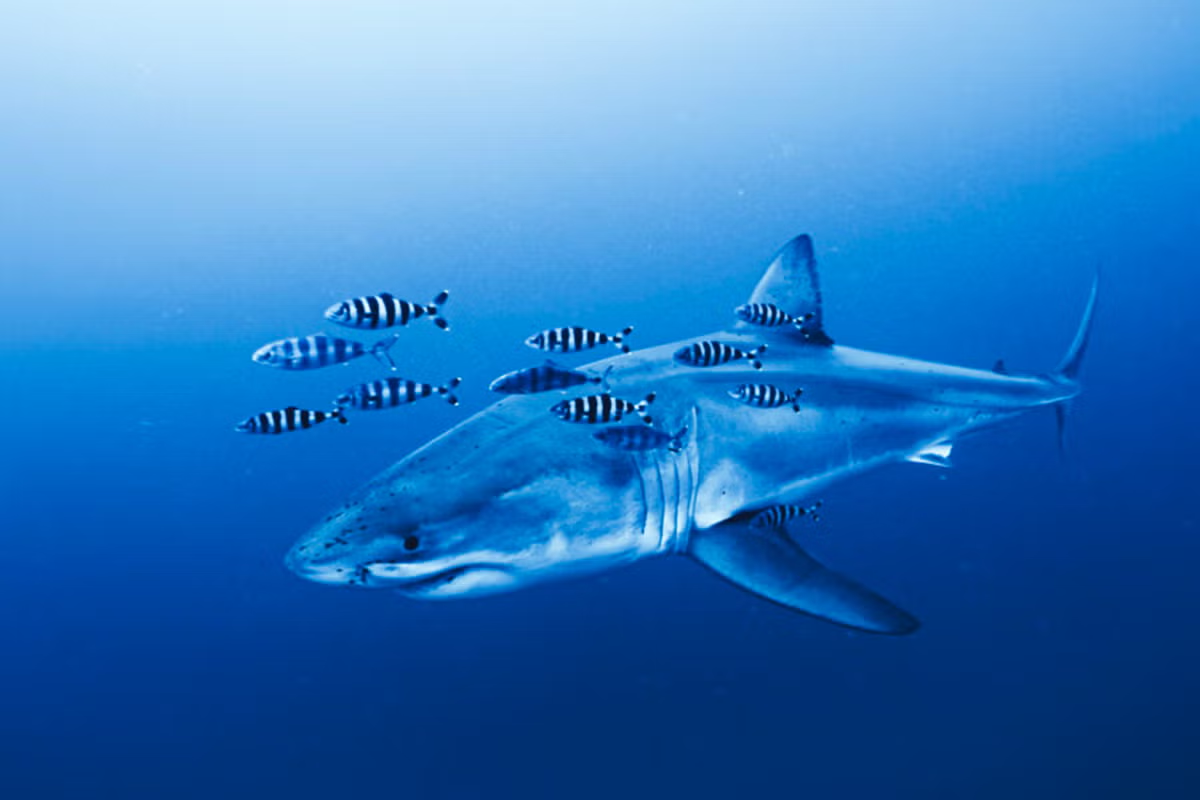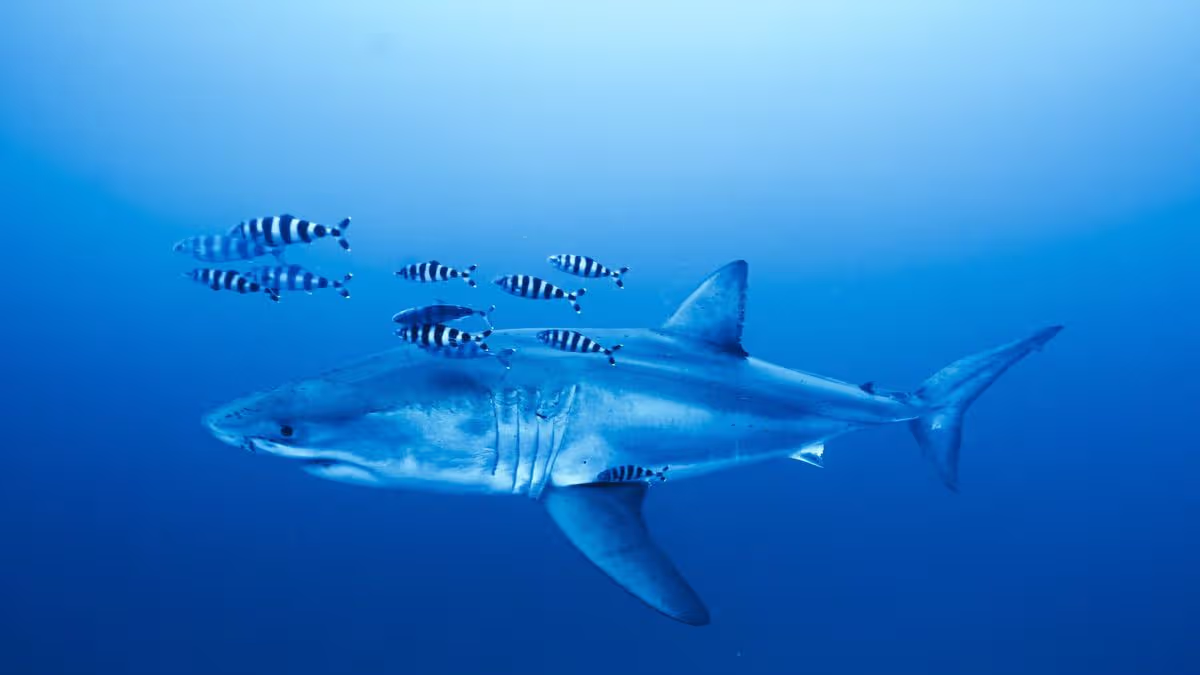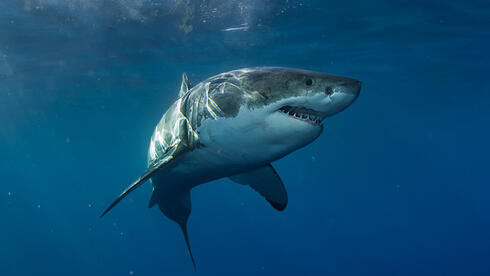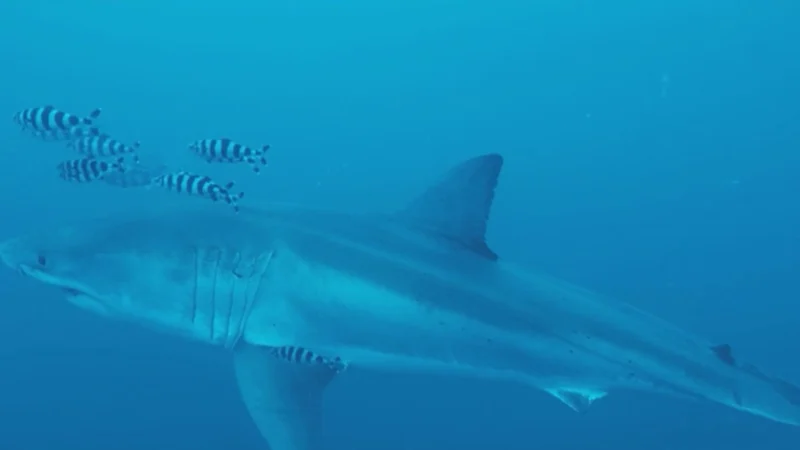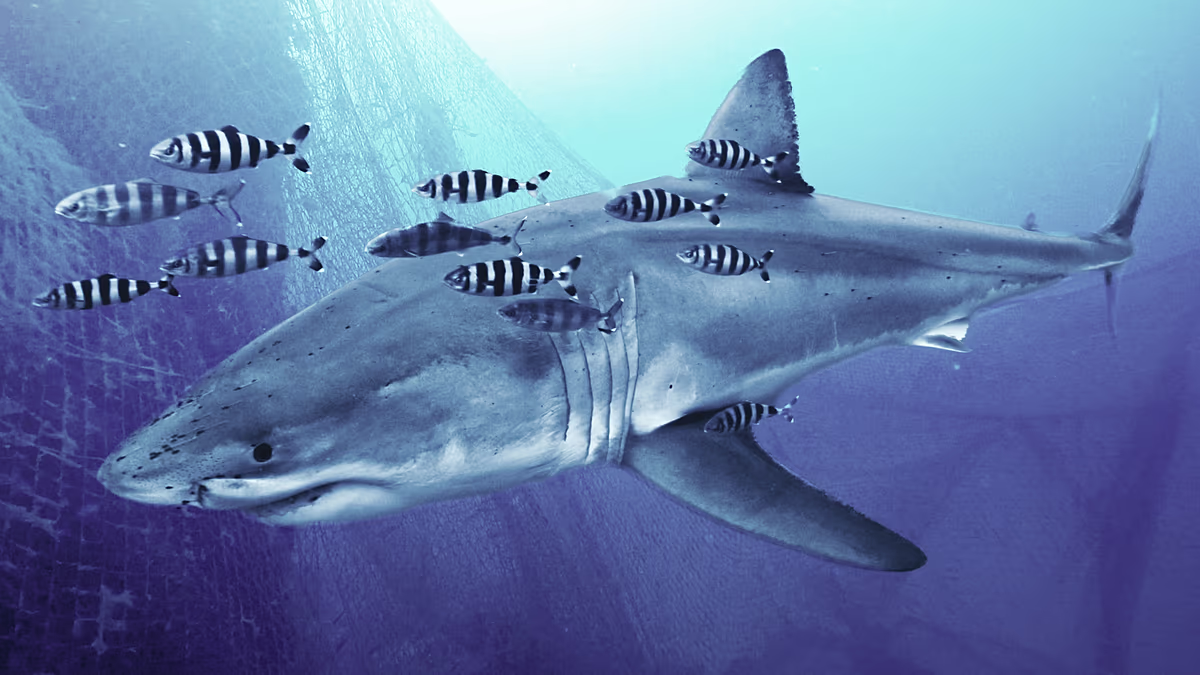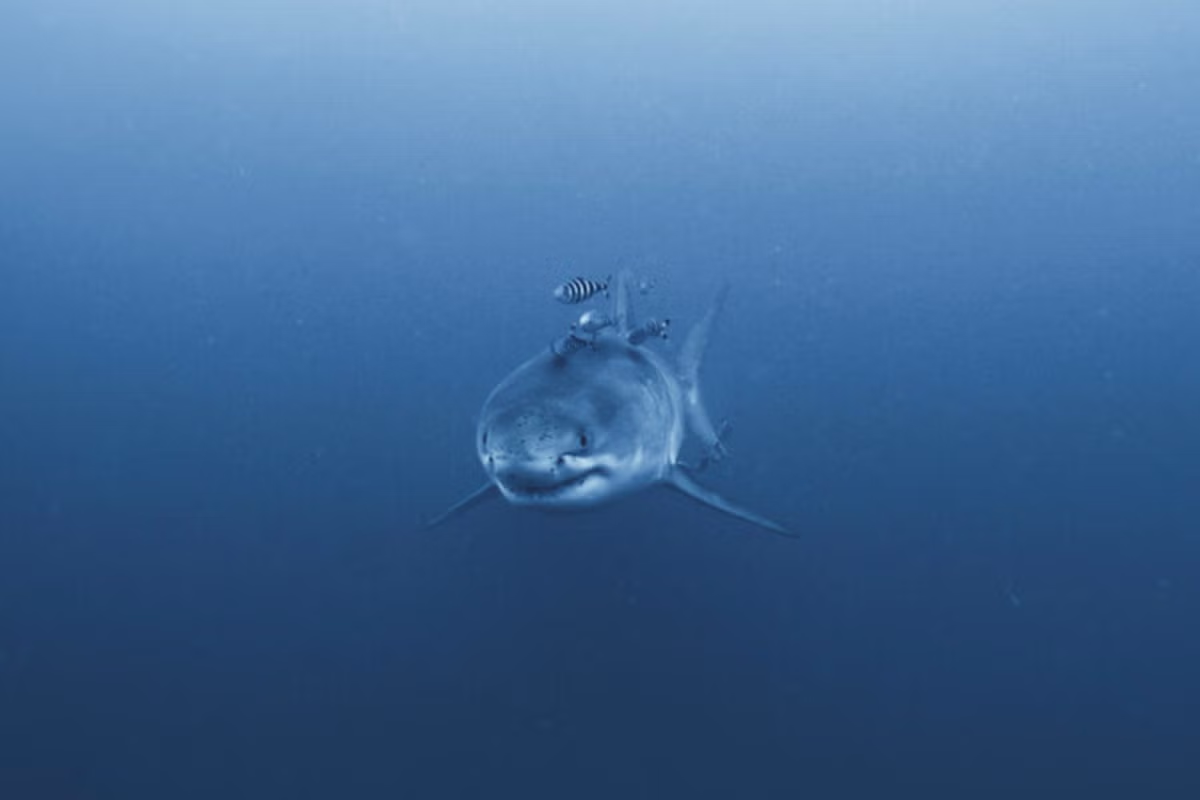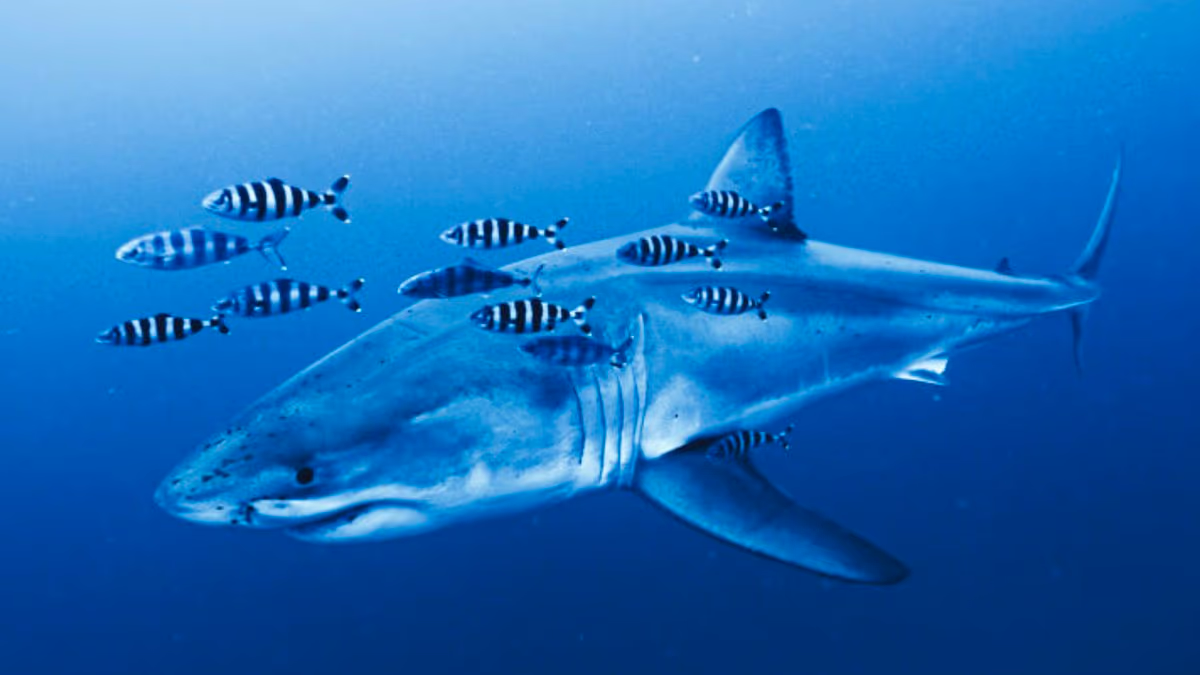
The world's shark attack hotspots have been revealed, after a great white shark was spotted in the Mediterranean Sea. The enormous predator was recorded between Sicily and Tunisia, in what is believed to be the first ever footage captured of an adult great white in the area.If you're visiting the Mediterranean this sumer, the sighting might have sparked concerns. Thankfully, scientists have reassured that there's no need to worry.Speaking to the Daily Mail, Dr Lauren Smith, a shark expert at Saltwater Life, said: 'This shark was filmed far from coastal beach resorts, and there is no reason for the public to be alarmed. The ocean is their domain, and encounters like this should inspire respect and appreciation rather than fear.'However, if your holiday is planned for Florida, you might want to be wary of entering the water. Florida is the shark attack capital of the world, with a total of 11 encounters in 2025 –representing 17 per cent of all unprovoked bites worldwide.Over half of those bites occurred in Volusia County in east–central Florida. The world's shark attack hotspots have been revealed, after a great white shark was spotted in the Mediterranean Sea
The International Shark Files records attacks around the world, including records dating back as far as the 1500s.However, the database only publishes data on 'unprovoked attacks', meaning a person did not initiate contact with a shark intentionally or unintentionally.That rules out any activities that change the shark's behaviour, such as spear fishing or releasing a shark from a hook or net.Last year was an unusually deadly year for shark attacks, according to the latest report.While there were 65 shark attacks recorded last year – slightly below the 10–year average of 72 – nine proved fatal, compared to an average of just six.The US was the worst country for shark attacks, with 25 bites, accounting for 38 per cent of the global total.Australia also had one of its worst years for shark bites in recent history, recording 21 bites compared to the five–year average of just 13.In addition, Australia had the most fatal attacks, accounting for 56 per cent of all deaths. The world's shark attack hotspots in 2025 US: 25 bitesAustralia: 21 bitesBahamas: 5 bitesNew Zealand: 3 bitesVanuatu: 1 bite Shark attacks in Australia tend to be more dangerous because the country is home to the so–called big three: Bull sharks, tiger sharks, and white sharks.White sharks, colloquially known as great whites, can grow up to 20 feet (six metres) long and have powerful jaws packed with serrated teeth.Their sheer power and size mean that even a small 'exploratory' bite from a white shark can prove deadly.Gavin Naylor, director of the Florida Program for Shark Research at the Florida Museum of Natural History, said: 'If these bites occurred anywhere other than Australia, they would probably have resulted in even more fatalities.'Their beach safety is second to none. Within minutes of a bite, they've got helicopters airborne ready to respond.'However, the remote locations of some Australian beaches mean that such a timely response is not always possible.In an early morning incident in November, a Swiss couple in their 20s was attacked by a bull shark while swimming and filming dolphins.A quick–acting bystander applied a makeshift tourniquet and the man survived after being flown to a local hospital, but the woman died before paramedics could reach the scene.