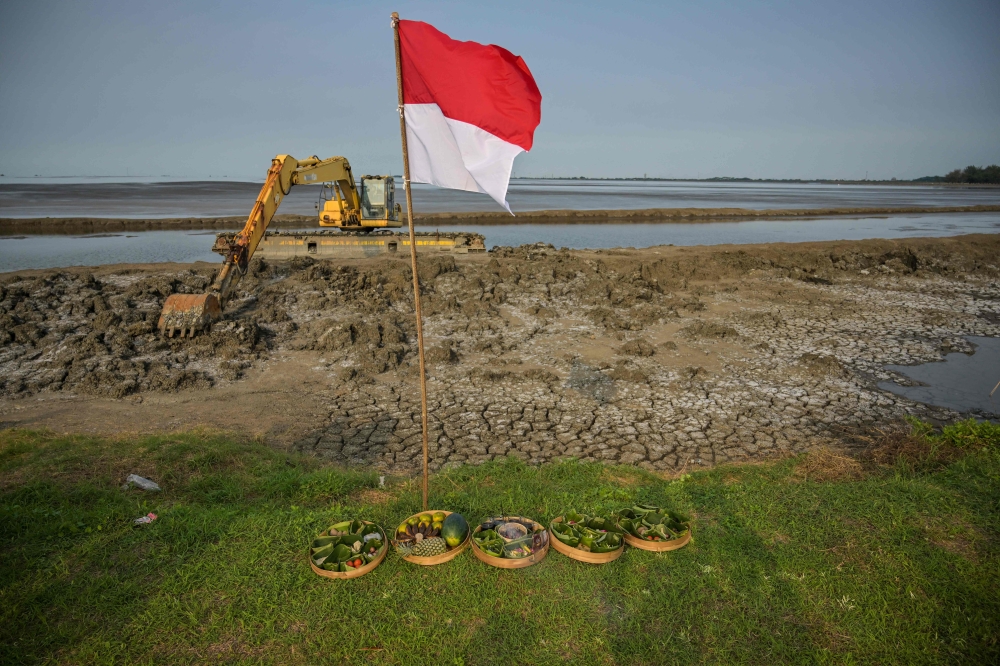
Pipes for the mud drainage system in Porong, Sidoarjo, East Java, Indonesia, on May 29. JUNI KRISWANTO/AFP
Editor's note: In this weekly feature China Daily gives voice to Asia and its people. The stories presented come mainly from the Asia News Network (ANN), of which China Daily is among its 20 leading titles.
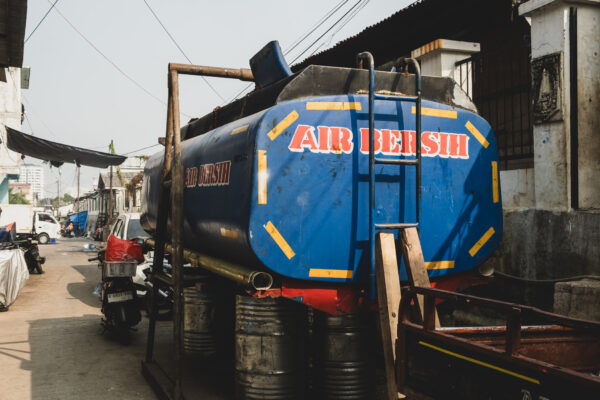
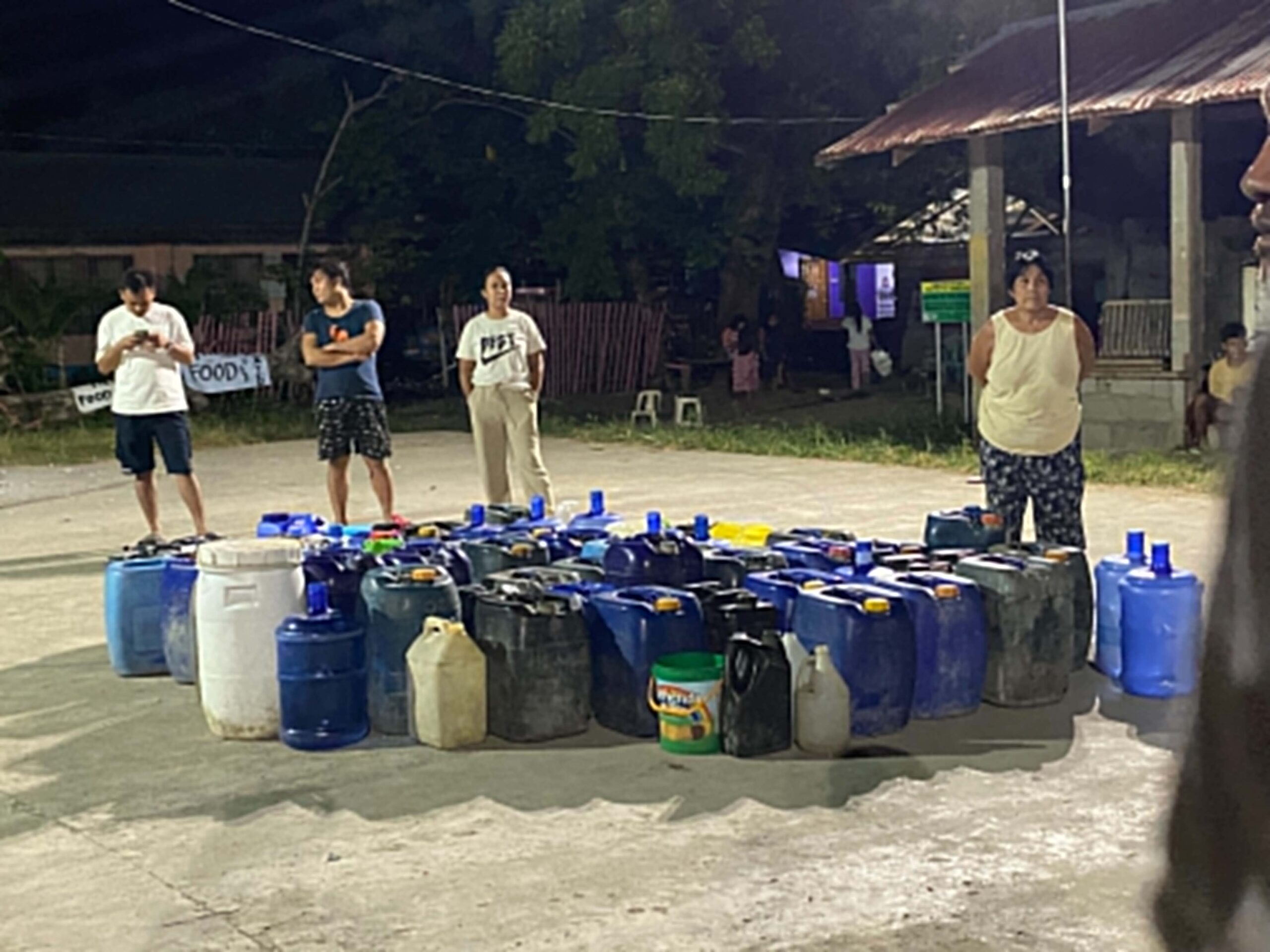
Under the sweltering afternoon sun, 47-year-old Ahmad Solihudin waits outside his home in Glagaharum village, Porong district, Sidoarjo regency, East Java, for the familiar sound of a water vendor's motorcycle. When the vendor finally arrives, Solihudin hurries to buy three 25-liter plastic containers for Rp 15,000 (83 US cents), the clean water his family depends on each day.
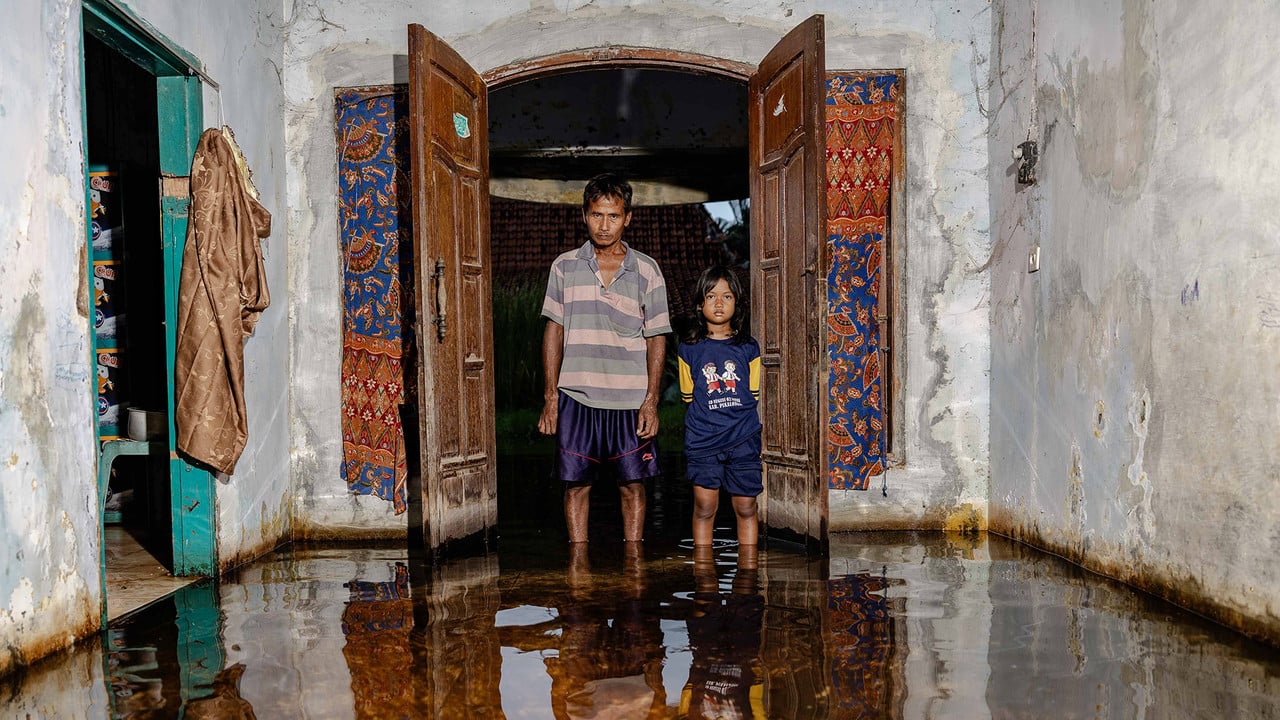
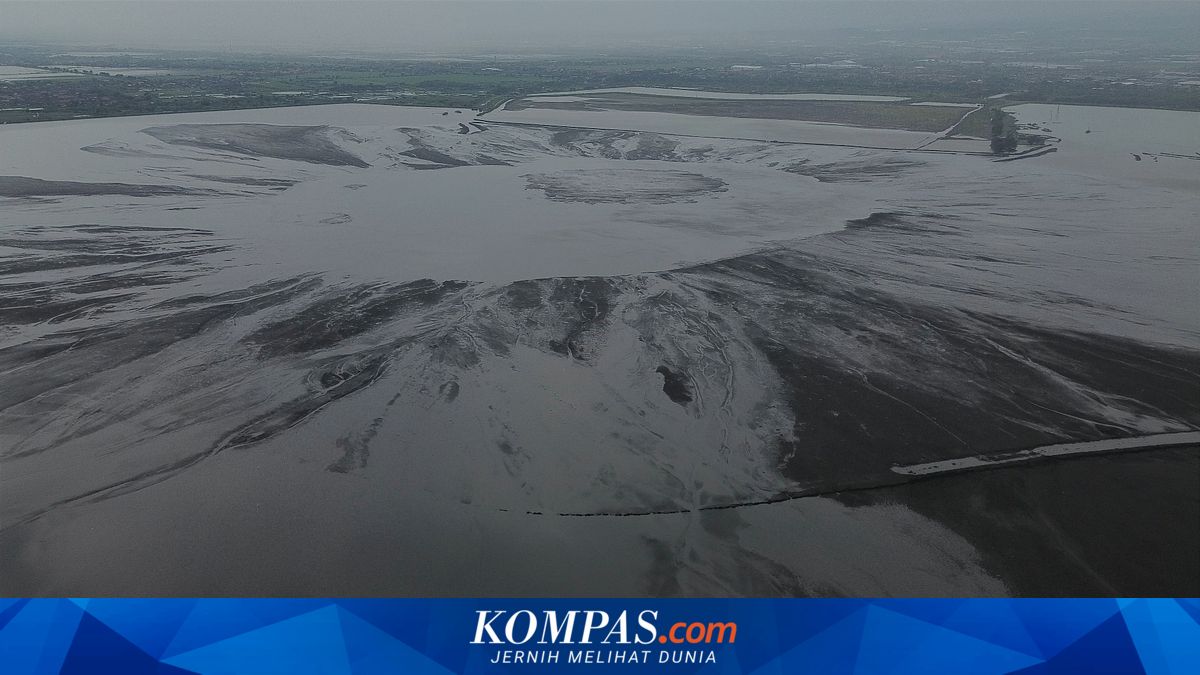
For nearly 20 years, this has been part of Solihudin's daily routine, a lasting consequence of the Sidoarjo mudflow disaster, which occurred in Porong district in 2006 and buried thousands of homes across nearby villages.
Although authorities managed to restrain the mudflow above ground by constructing embankments rising 9 to 11 meters high, they have not been able to contain its impact beneath the surface, where it continues to seep through the soil, contaminating wells and damaging groundwater supplies in surrounding communities.