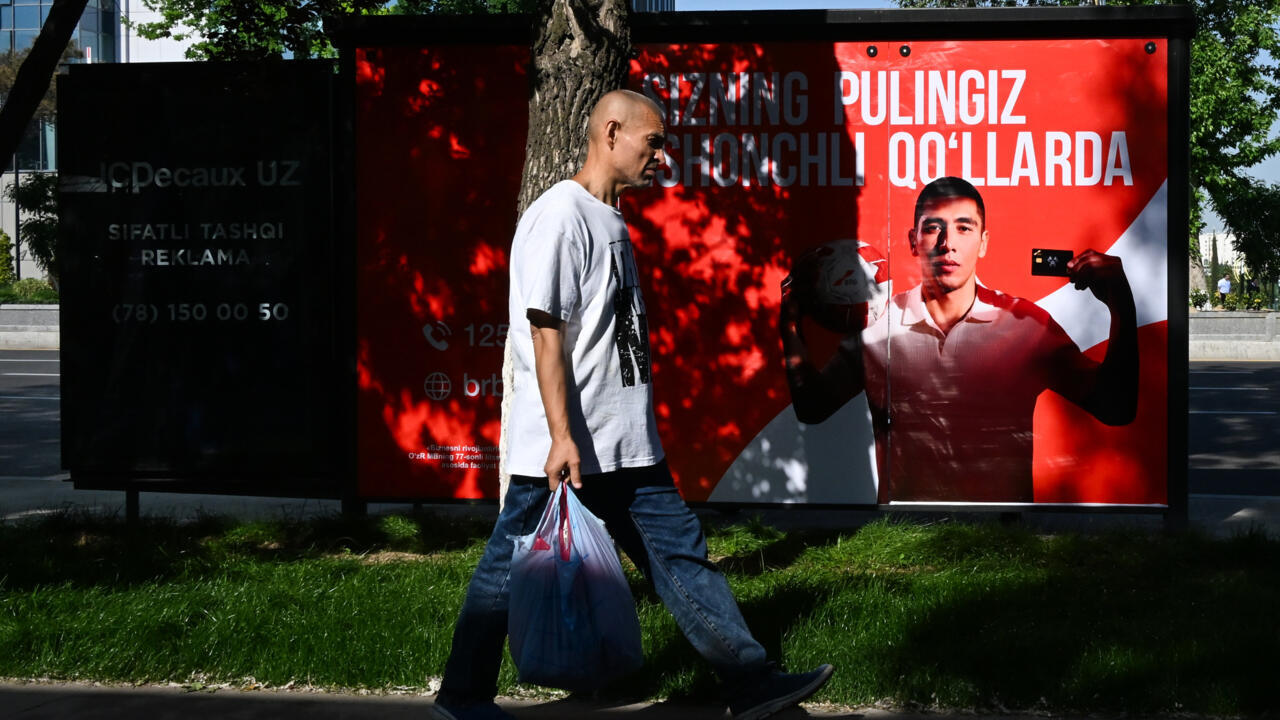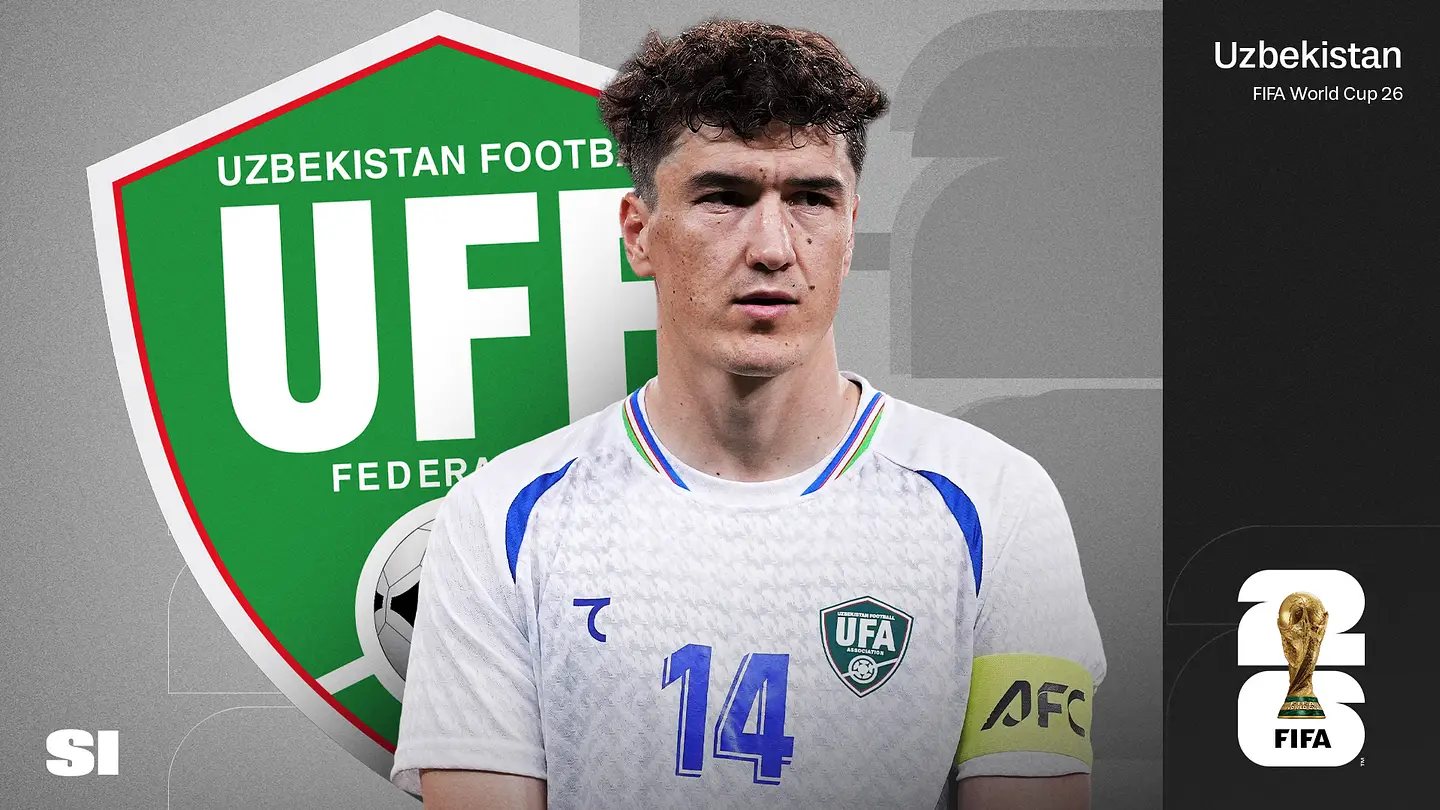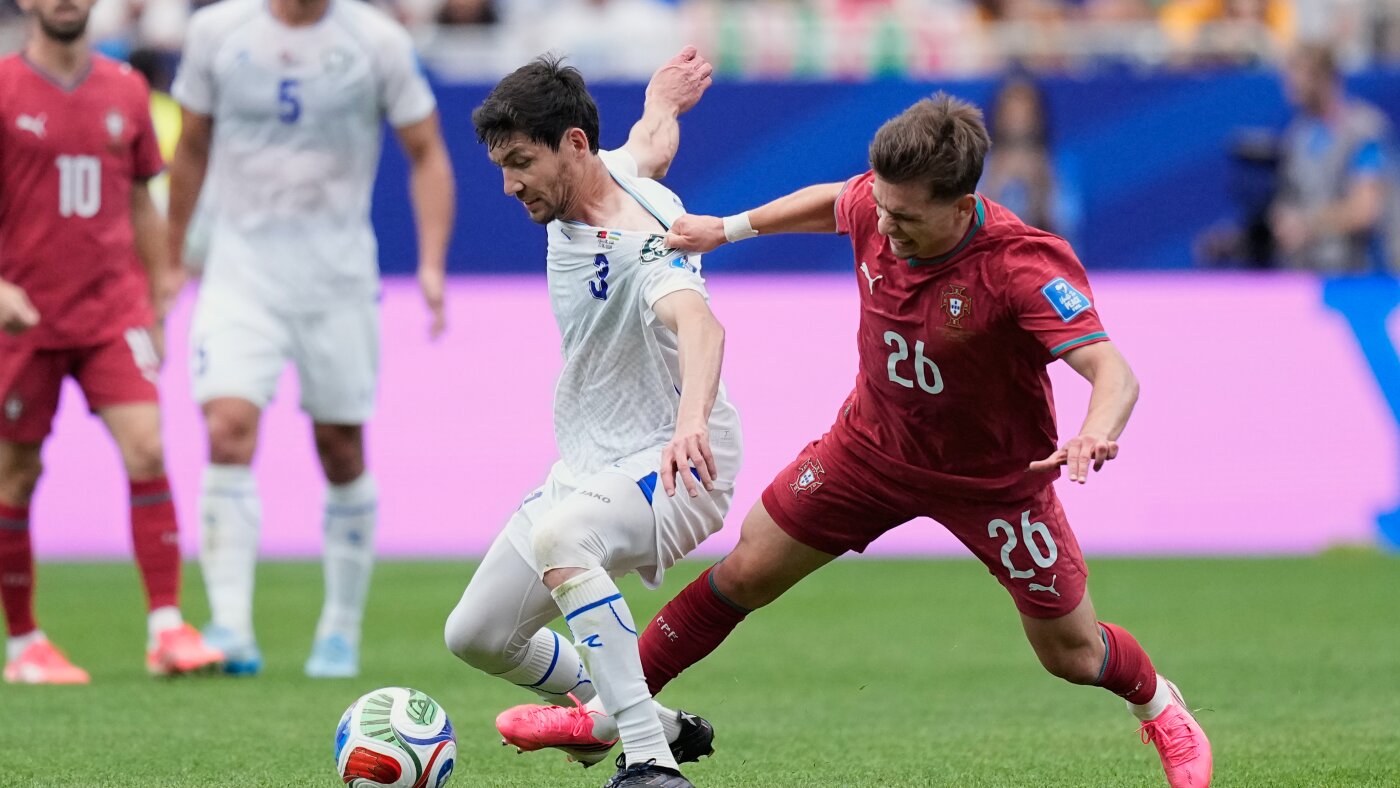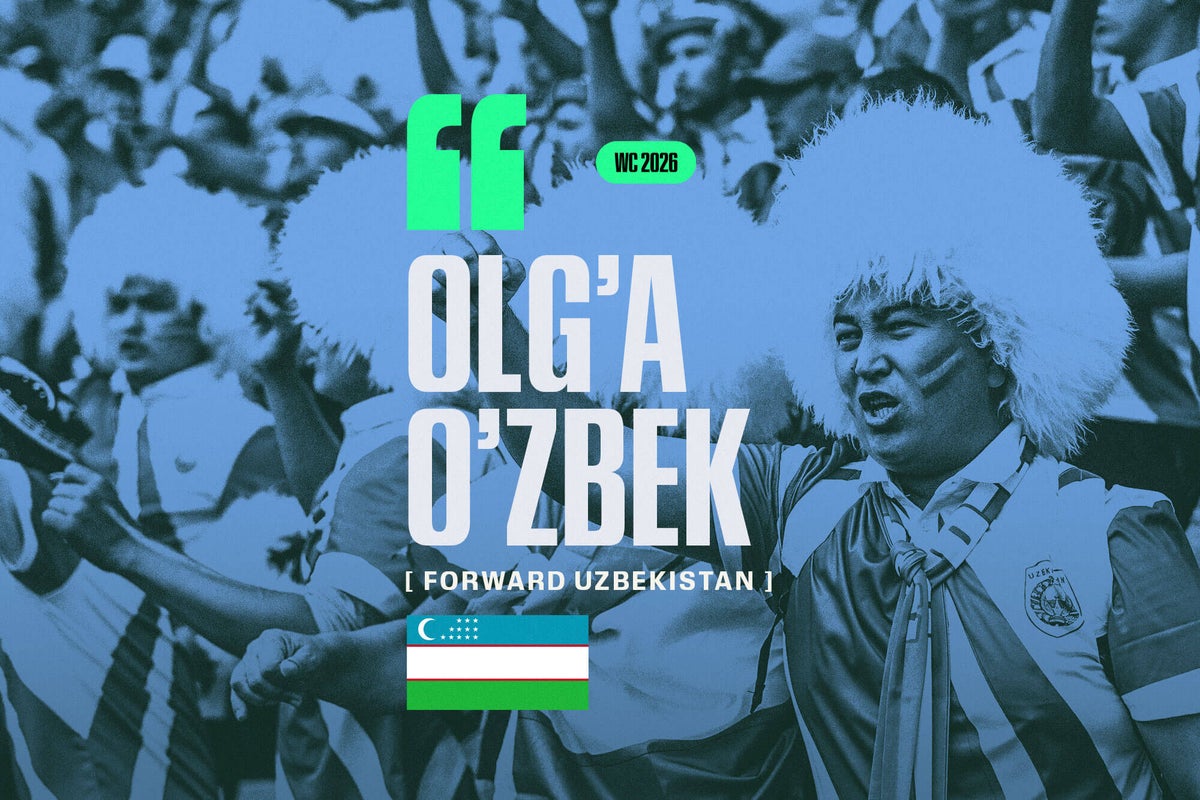
As part of our Language of Soccer World Cup series, The Athletic is speaking to supporters of all 48 nations competing at the 2026 edition to capture their unique football culture, distilled into a single phrase. You can read the articles in one place here.“Olg’a O’zbek” — Forward UzbekistanIf your national football team had earned the tag of ‘chokers’, having narrowly failed on numerous occasions to qualify for a World Cup, you would want to look forward not back, too.It has certainly been a long time coming for Uzbekistan to play on the world stage.Not only will they now compete in the tournament for the first time, but the future for Uzbekistani football arguably looks brighter than it ever has before.Huge state investment into infrastructure and coaching in the past 10 years has created a generation of talented players who have had success at under-17 (beating England in the age group’s World Cup in 2023), under-20 (they won the Asian Cup in 2023) and under-23 levels (playing in the Olympics for the first time in 2024) and, with some of those players now featuring for the senior side, hopes are high that Uzbekistan can become a recognised force in the international game.Olg’a O’zbek, then.“It means ‘Forward Uzbekistan’, and you’ll hear it a lot during games,” says Azambek Komilov, who is a regular at Uzbekistan matches.Uzbekistan are in a World Cup group containing Colombia, Portugal and DR Congo (Anvar Ilyasov/Getty Images)“It has multiple meanings, because we like the team to attack, but also we are striving for a big future with the national team and everyone in the country is desperate for them to do well.“Uzbek people are very hard workers and very quick learners, so we go forward quickly, too. We adapt.”Amid all this optimism, there should be sustainability as well. New stadiums, training pitches and academies have been built in the past decade, with more on the way, including a 55,000-seater national stadium due to open next year.A new national football centre opened in 2025, one of hundreds of facilities which have been built across the double-landlocked country, mostly in the capital city Tashkent but also in many other districts.As for this World Cup, there is feverish excitement at the team having finally qualified.After gaining independence from the Soviet Union in 1991, the country had tried and failed to make FIFA’s global jamboree on seven occasions, three times coming within one match (or round) of a place in the tournament.Competing in the Asian qualifiers (Uzbekistan is one of the five nations that comprise Central Asia, along with fellow ex-Soviet states Kazakhstan, Kyrgyzstan, Tajikistan and Turkmenistan), they missed out on goal difference and by two points in 2014 and 2018 respectively, both times regretting a failure to beat South Korea, who qualified ahead of them, towards the end of the group stage.
Forward Uzbekistan? This is a country with a new direction fans can enjoy on and off the pitch
As part of a special World Cup series, The Athletic is speaking to fans of all 48 competing nations to capture their unique football culture
1,342 words~6 min read