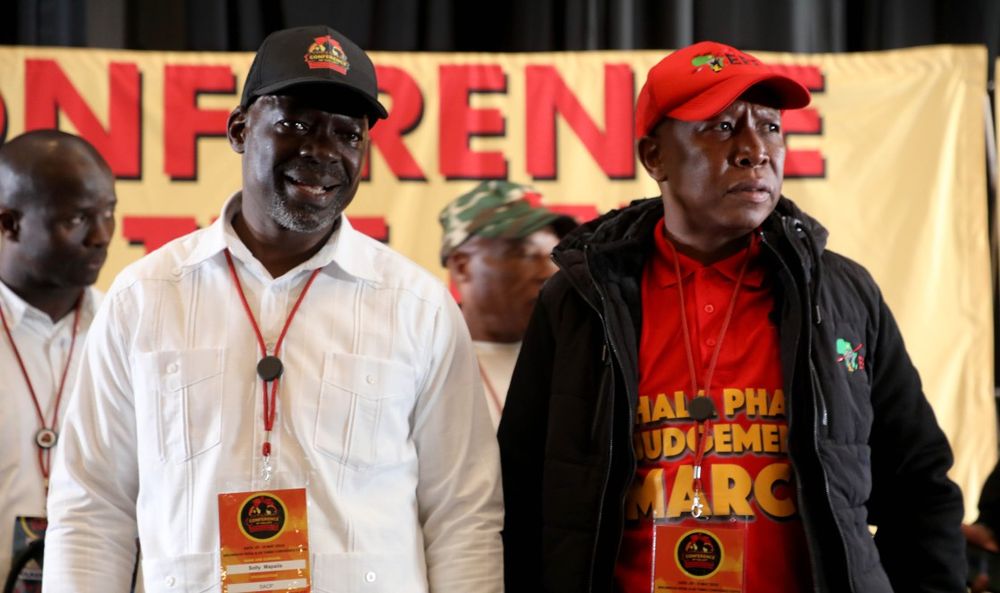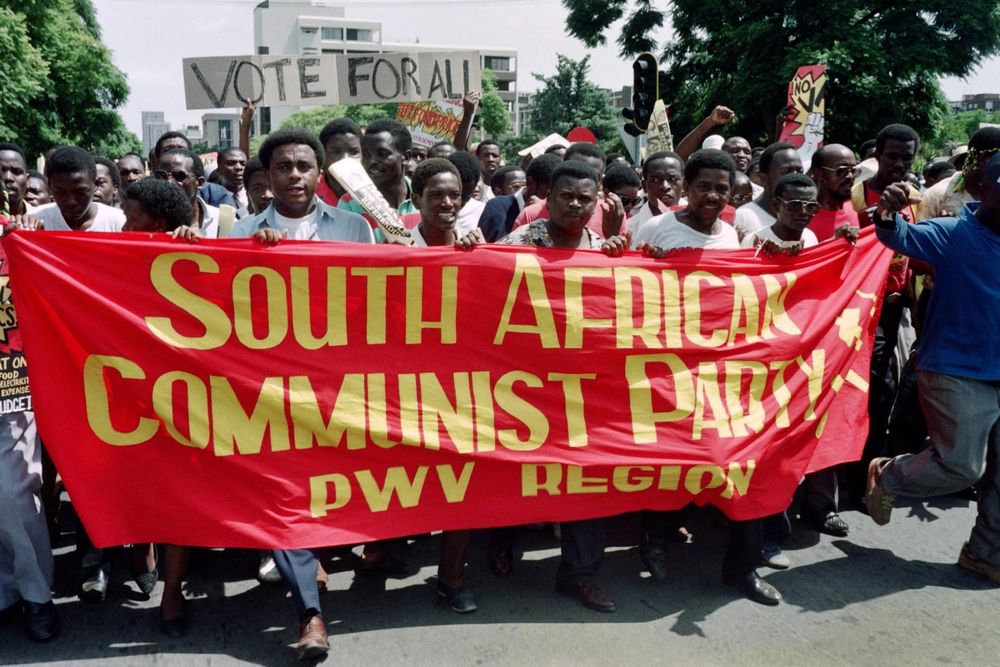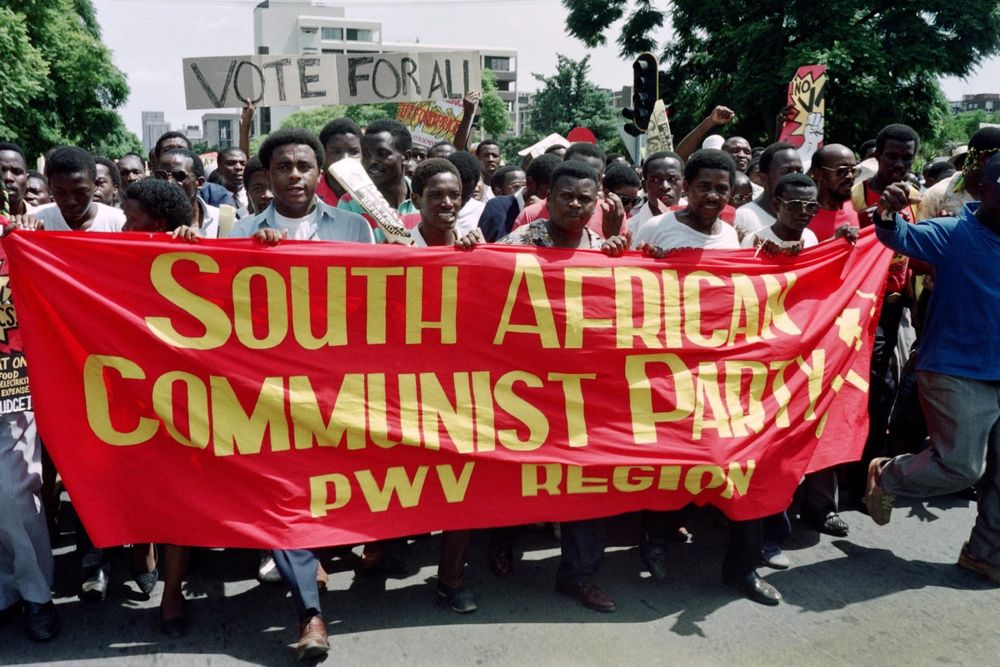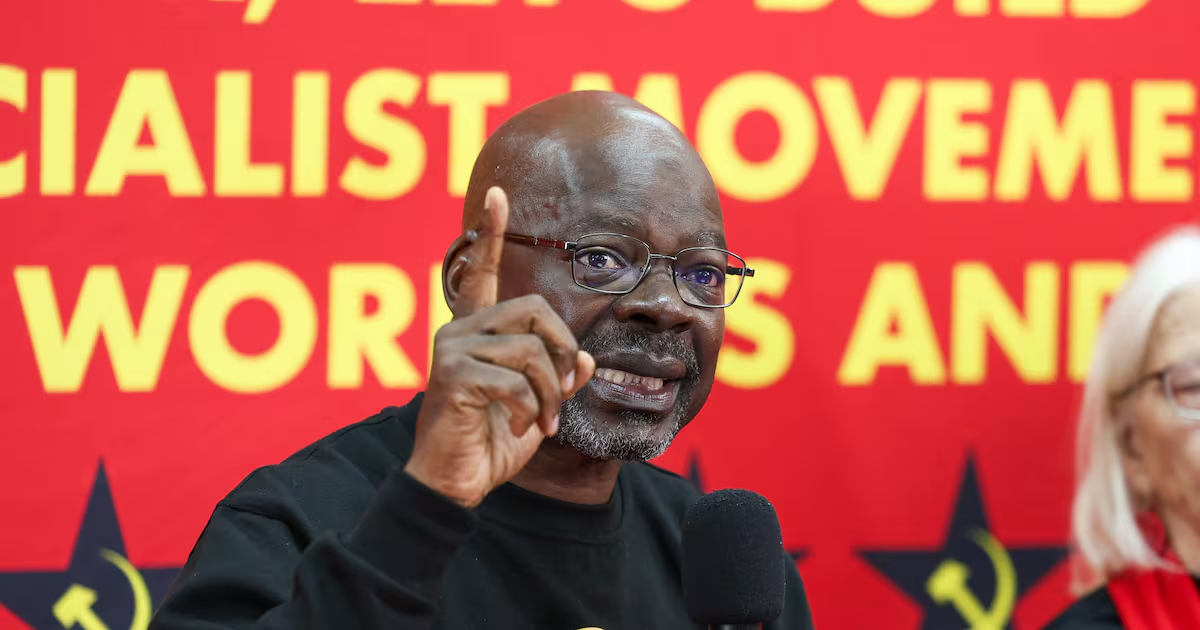
I have long held the view that I could have opened the batting for the Proteas. Alas, the selectors have inexplicably persisted in their unimaginative insistence on evidence of real ability. In most walks of life self-definition is seldom enough: believing oneself to be a thing is not quite the same as being it. Except, apparently, at the recent Conference of the Left, where ideological self-identification was the sole entry requirement (“The conference that divided the Left”, June 5). That was an unfortunate “boundary failure”, to say the least. It meant it was hard to take the whole thing seriously, given that the collection of misfit comedians and criminals known as MK turned up, alongside the EFF and the core organisers, the SACP. At least the EFF can make a half-case for being on the Left, even it is only on the basis of the “shoehorn” theory, whereby far Left and far Right are not poles at the end of a straight-line spectrum but a fingertip touch away from each other as the ends bend to meet, to the point where far-Left populists and far-Right fascists often look and sound remarkably similar. In contrast, MK is devoid of ideology and doesn’t even say things that could superficially be described as “leftist”; it is a cult, pivoting around former president Jacob Zuma and his ghastly entourage of sycophantic family members and crony fellow travellers. This may explain some of the commentary about the conference.‘Last rites’ or new life? In his Sunday Times column, Barney Mthomboti dismissed the event with glee, apparently relishing what he described as the “last rites” of the SACP and inviting us all to not waste our breath on the party (“Time to kick the last breath out of the SACP”, June 7). Mthomboti seems to think it is the SACP that should be blamed for the ANC’s failures in government. That’s not what I’ve witnessed. It has often been SACP members that have been the more diligent and energetic members of the ANC, which will miss their organisational zest in future elections now that the SACP has decided it will contest the local government election in November on its own. This will be a defining moment for the SACP, which will discover just how cold life outside the ANC can be, having exercised disproportionate influence under the rafters of the ANC’s broad ideological church for so many decades. Strategically that made sense. The ANC was a winning ticket. Why risk life outside when you can yield power quietly on the inside? But now the game is up — the ANC has not only lost its majority, with only one in seven eligible voters voting for it in the 2024 national election, but it is also a declining force. No doubt the ANC leadership, conspicuously absent from the Conference of the Left, will cast them as rats abandoning the ship. But from the SACP’s perspective, now is tactically the right moment — even if it wins only 1%-2% of the vote. As seen in countless different scenarios since the ANC dam started to burst a decade ago, a small party can easily be the tail that wags the dog in the febrile world of coalition politics. The SACP could become a far more interesting and serious, as well as progressive, king-maker than some of the rogues who have weaselled their way into power through dodgy coalition deals in recent years. Besides, a strong democracy needs a perpetual flow of new ideas and policy contestation of the sort that has been painfully absent in recent years as the ANC’s own capacity for policy (re)generation has been eclipsed by patronage and the pursuit of power for power’s sake. So, I am unwilling to either mock the SACP or prematurely celebrate its demise. It could be the end of the road for The Party, or it could be the beginning of some kind of renewal. • Calland is founding partner in political economy advisory The Paternoster Group and a visiting adjunct professor at the Wits School of Governance.
RICHARD CALLAND | Conference of the Left tests SA’s political boundaries
Divisions exposed, especially with inclusion of MK party, which lacks leftist ideology
677 words~3 min read