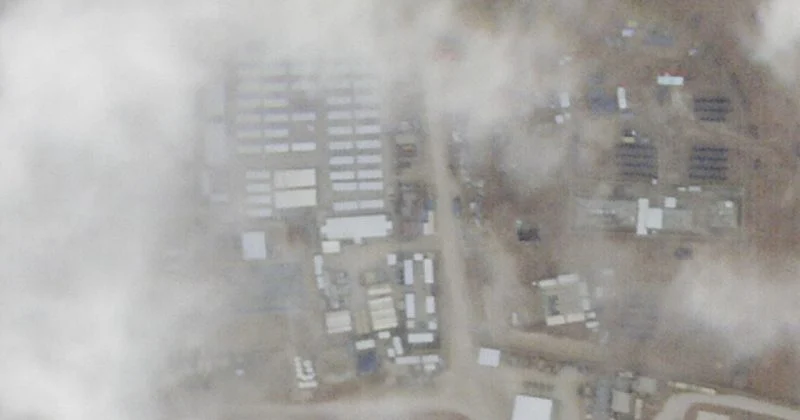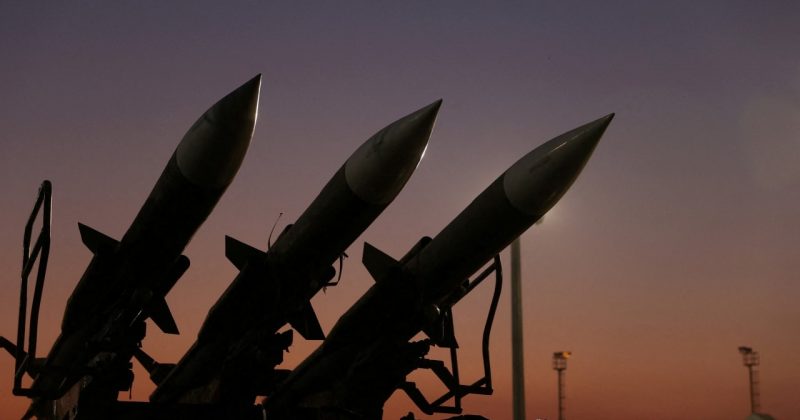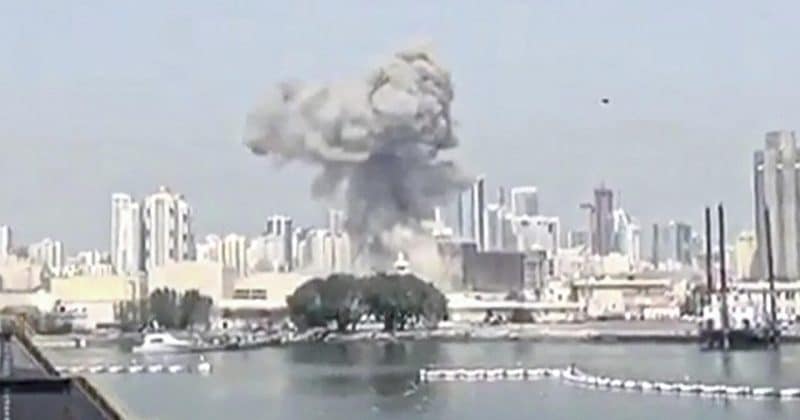
Iran’s Islamic Revolutionary Guard Corps says it launched a new generation of missiles at the Al-Azraq Air Base in Jordan, a facility the IRGC has labeled a hub for American military operations. Jordan’s military intercepted five of those missiles, continuing a pattern of largely effective air defense that has kept casualties at zero across multiple incidents.
The strikes, which the IRGC framed as retaliation against coalition activities in the region, are part of a broader Iranian escalation that saw 59 drones and 60 missiles directed at Jordan over a three-week period. For crypto investors, the relevant subplot is this: approximately $10.3 million in digital asset outflows were tracked from Iranian wallets between February 28 and March 2, coinciding with the initial wave of attacks.
What happened at Al-Azraq
The IRGC’s March 8 strike was the headline event. The corps claimed it deployed next-generation missiles against the base, which hosts US military personnel and has served as a launchpad for American operations in the region. Jordanian forces intercepted the incoming threats, and damage was described as lower than expected given the scale of the assault.
Two days later, on March 10, ballistic missiles struck a building at Al-Azraq that housed German military contingents. No injuries were reported from that incident either, though the fact that allied forces were hit, even without casualties, ratcheted up diplomatic pressure across NATO capitals.