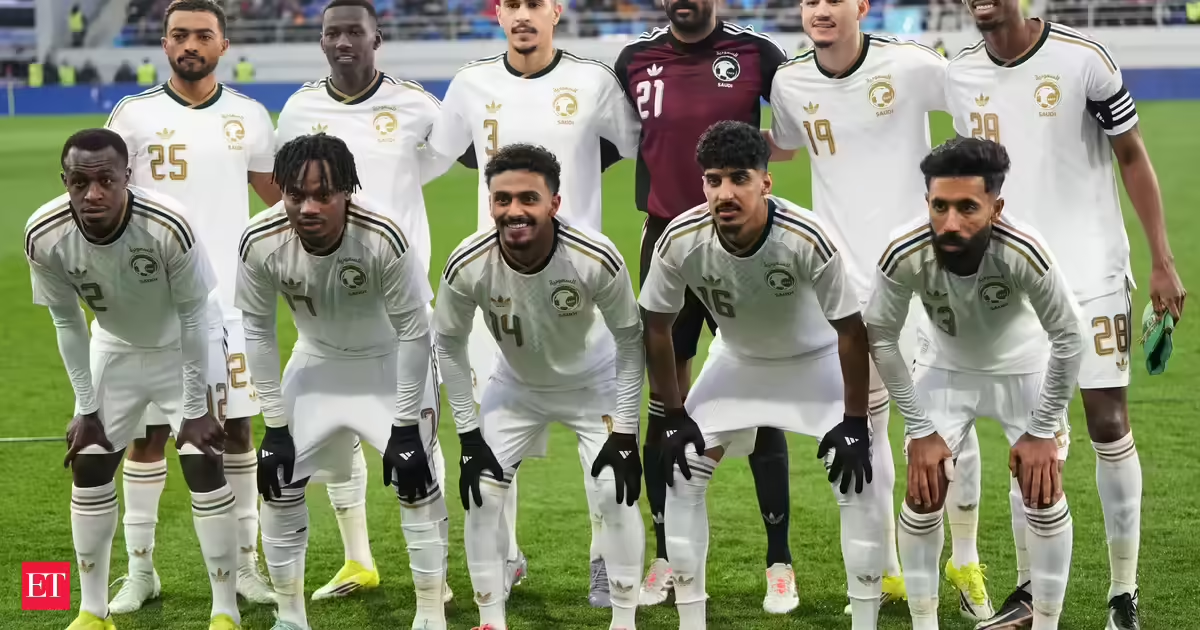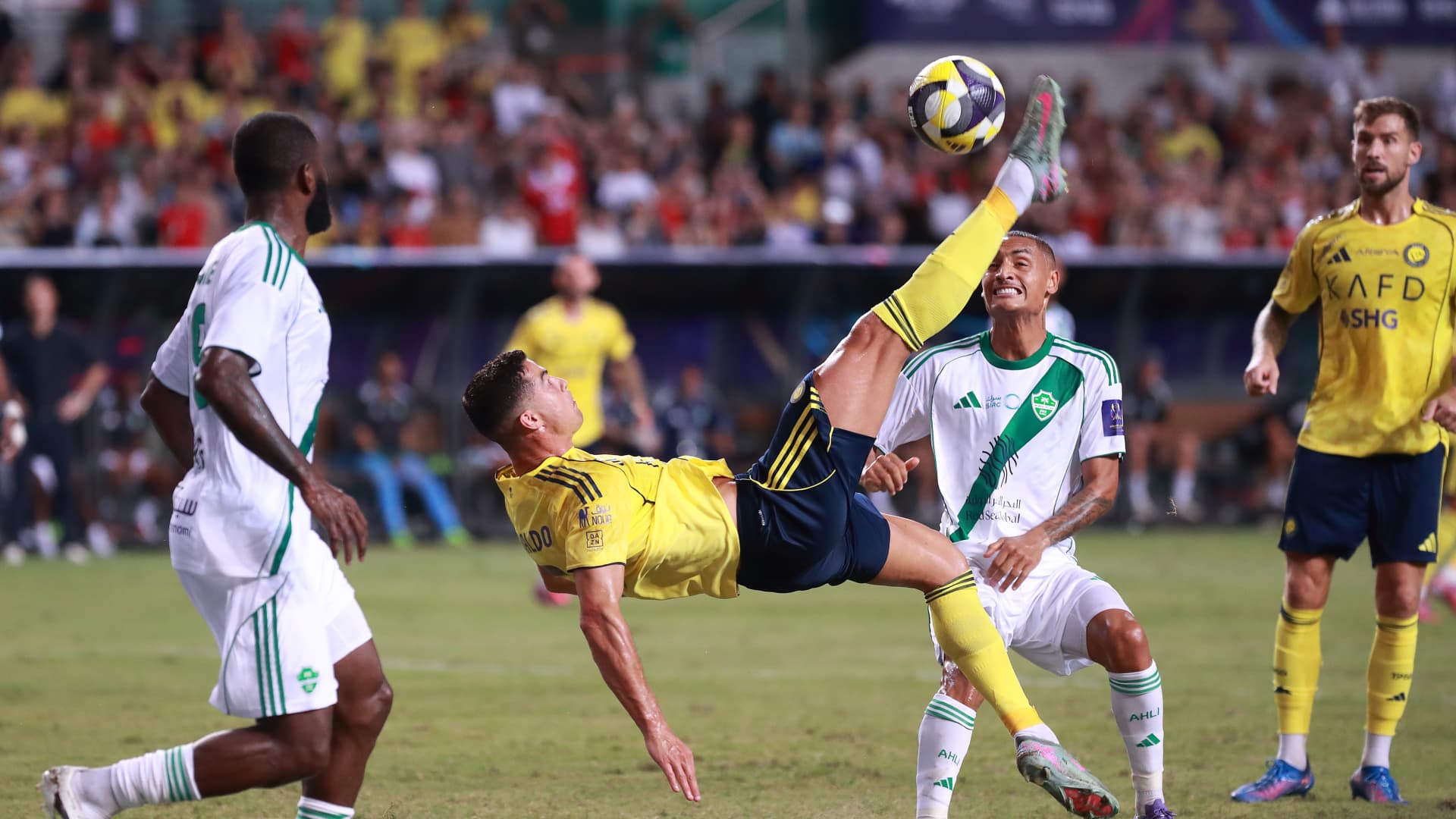
Saudi Arabia spent roughly $2 billion over three years turning its domestic football league into a destination for aging superstars. Cristiano Ronaldo, Neymar, and Karim Benzema all cashed enormous checks to play in the Saudi Pro League.
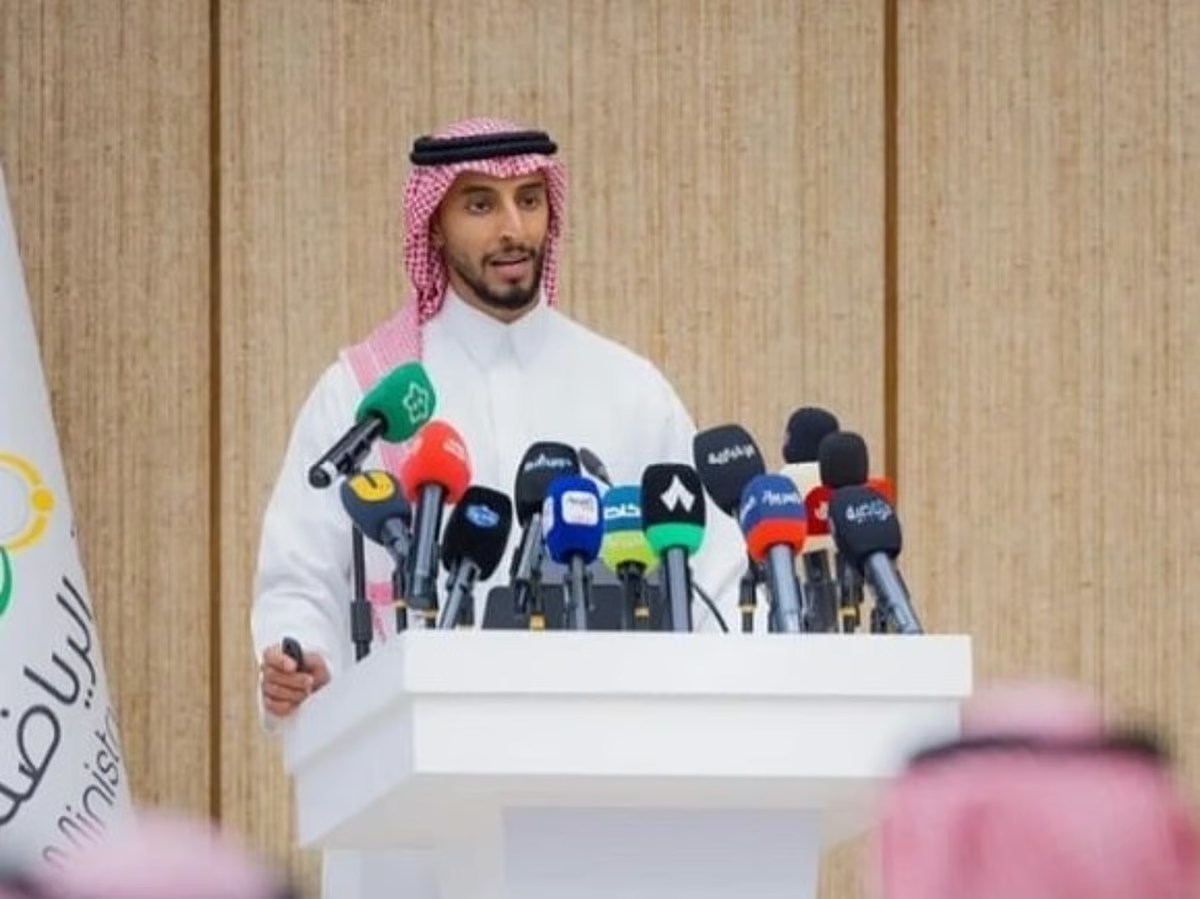
The oil-rich kingdom’s football gambit, bankrolled by the Public Investment Fund, is one of the most aggressive sports investments in modern history. PIF, which manages assets exceeding $900 billion, acquired stakes in major Saudi football clubs and then went on a player-signing spree that made European transfer windows look quaint by comparison.
Big names, bigger questions
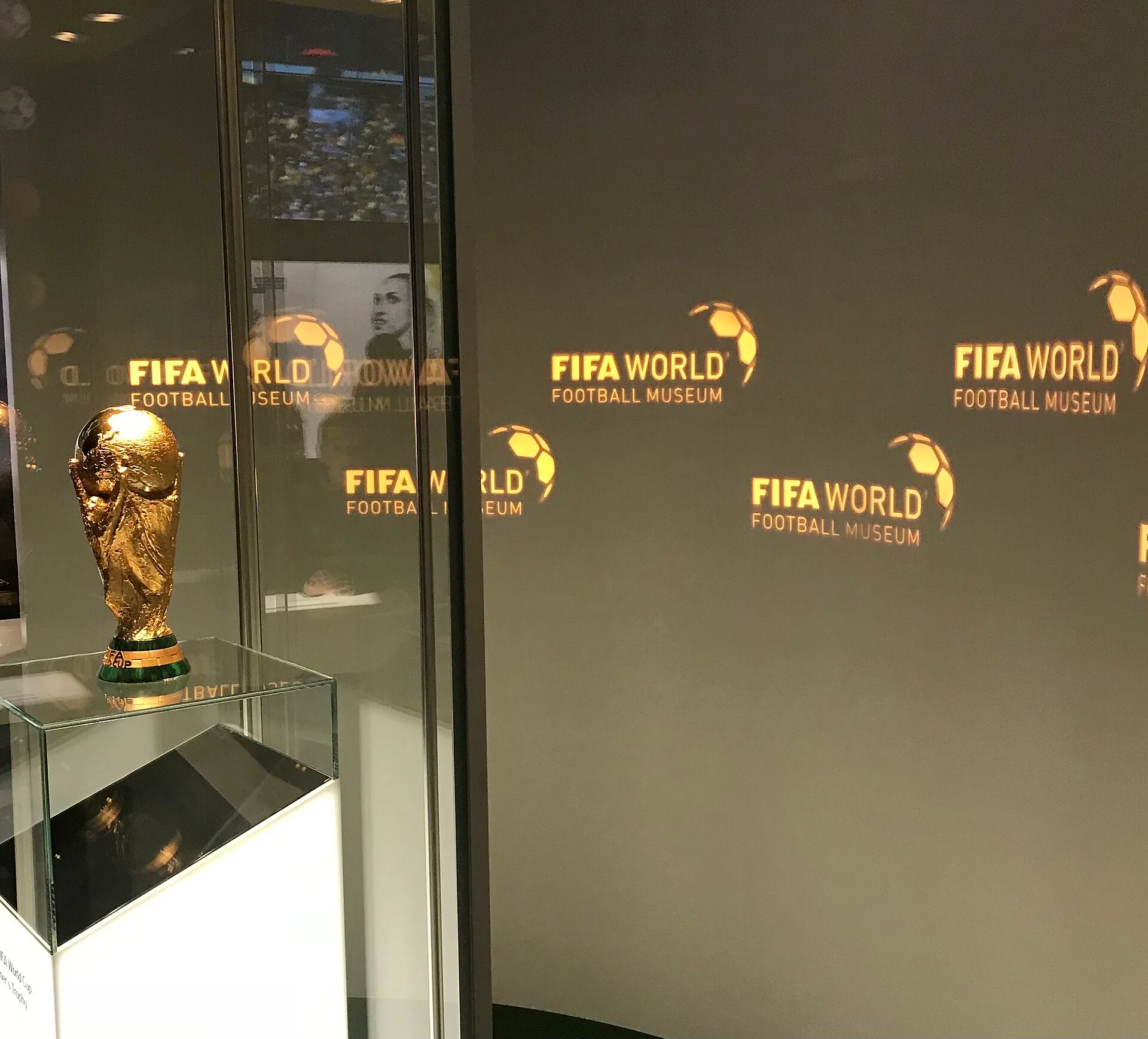
The strategy was straightforward: sign globally recognized players, generate international attention, and use that momentum to elevate both the league and the national team ahead of a potential World Cup hosting bid. PIF was recently named an official supporter of the FIFA World Cup 2026, a move that signals the fund’s long-term commitment to becoming a permanent fixture in global football governance.
Here’s the thing. The football spending is just one slice of a much larger economic diversification plan. Vision 2030, Saudi Arabia’s ambitious framework for reducing its dependence on oil revenue, treats sports as a core pillar of economic transformation.