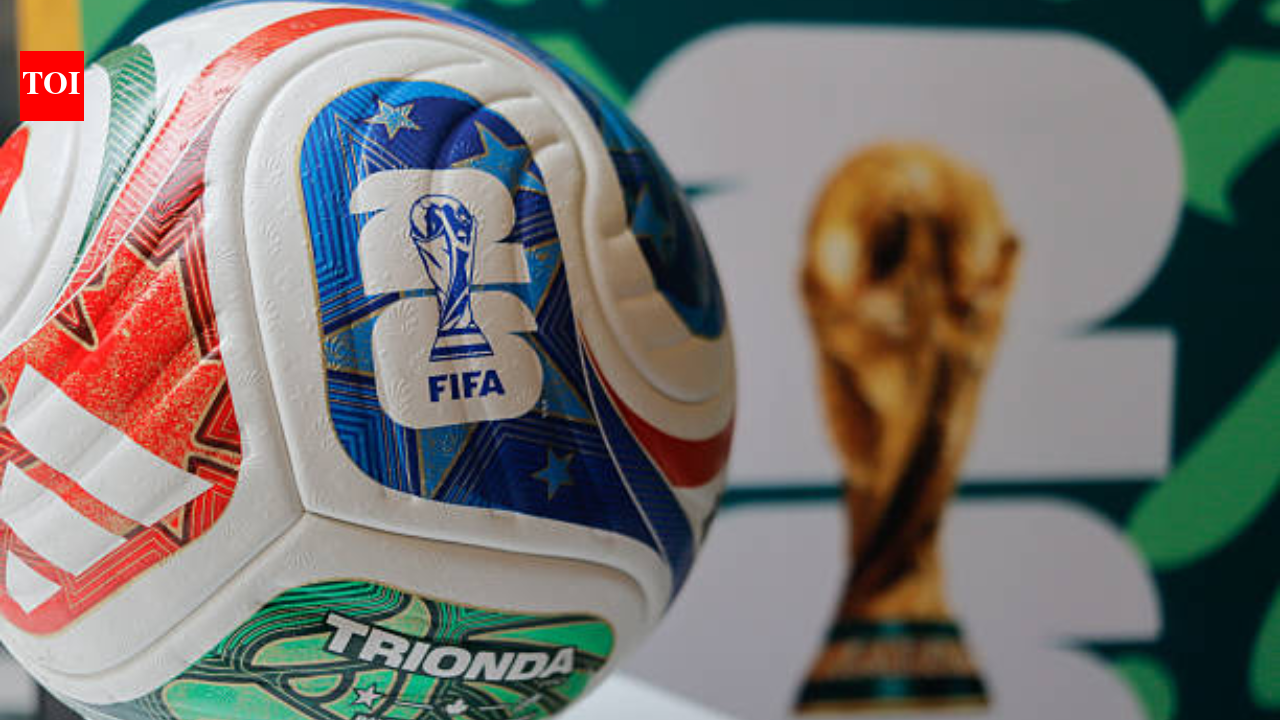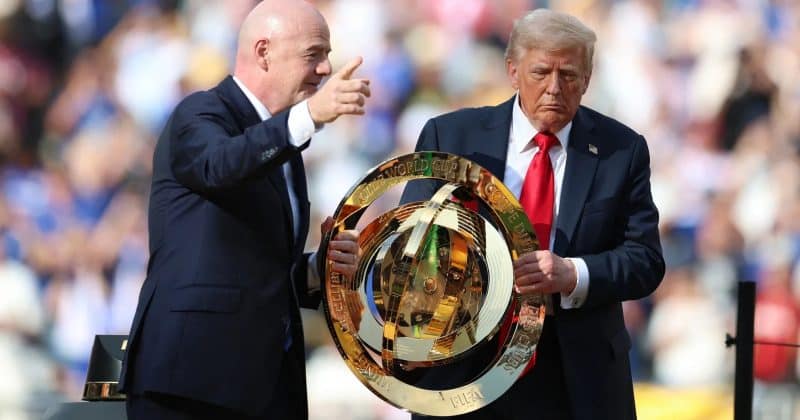
The World Cup is getting supersized, and not everyone thinks that’s a good thing. Maheta Molango, CEO of the Professional Footballers’ Association, used a FIFPRO briefing to lay out a pointed case against FIFA’s expansion plans, arguing that a bigger tournament doesn’t automatically mean a better one.
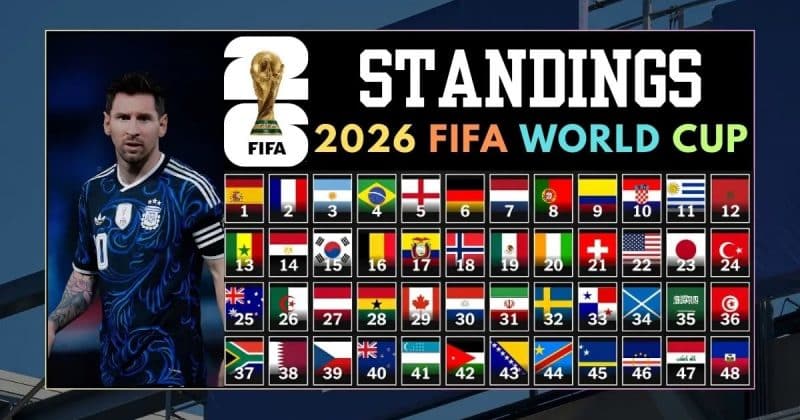
The 2026 World Cup, jointly hosted by the US, Canada, and Mexico, will feature 48 teams. That’s a 50% jump from the 32-team format that’s been standard since 1998. And FIFA is reportedly considering pushing that number to 64 for the 2030 edition in Spain, Portugal, and Morocco.
More games, more problems
Molango’s core argument is deceptively simple: scarcity creates value. He drew a comparison to the NFL, a league that has built an empire partly by keeping its regular season relatively short. Every game matters because there aren’t that many of them. Flooding the market with more fixtures, Molango suggested, risks diluting the very thing that makes the World Cup special.
Molango warned that the expanded format could disproportionately benefit the strongest national teams. Countries with deep squads and robust support infrastructure can rotate players and manage fatigue. Smaller nations, the ones the expansion is supposedly designed to include, may struggle to stay competitive across a longer tournament.