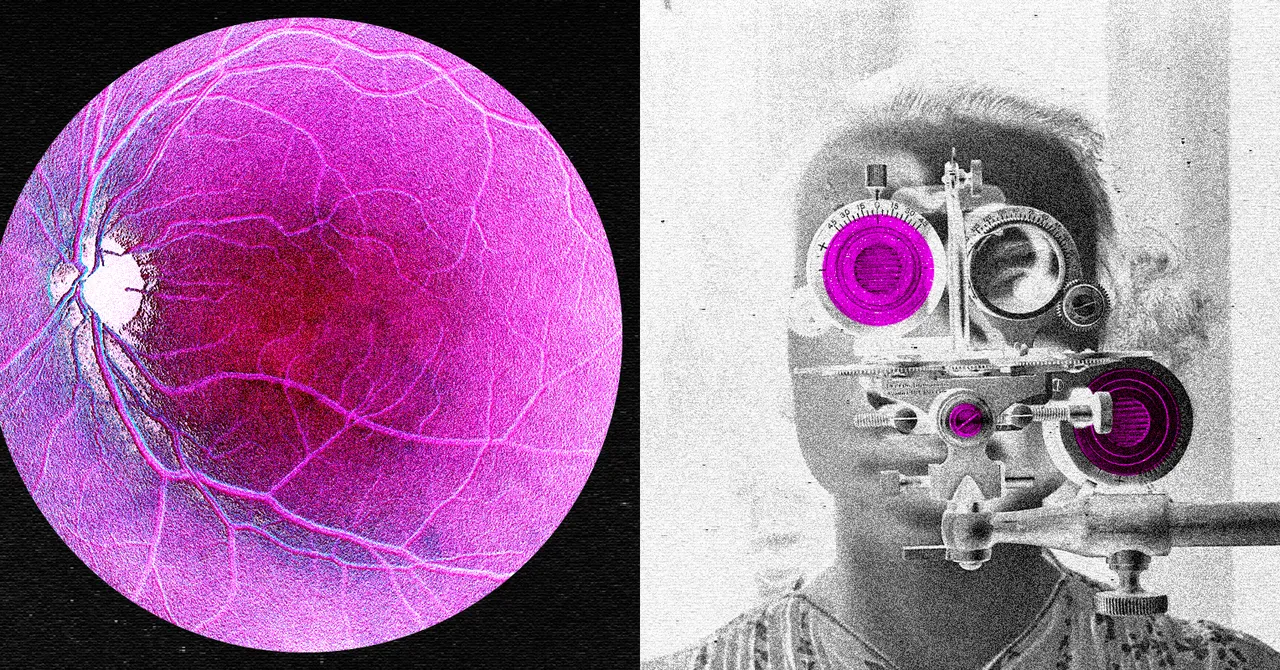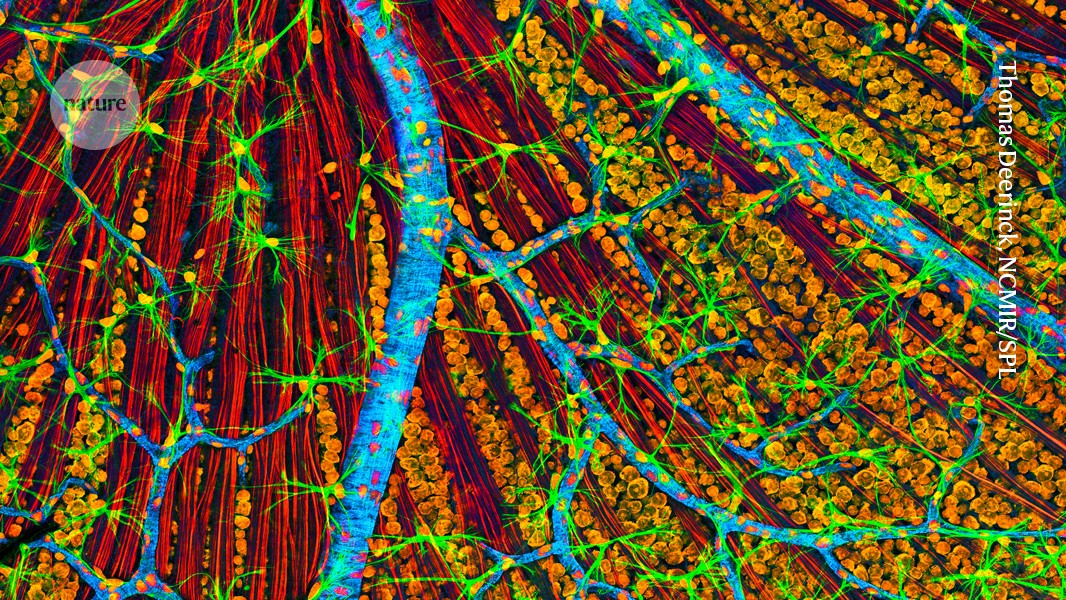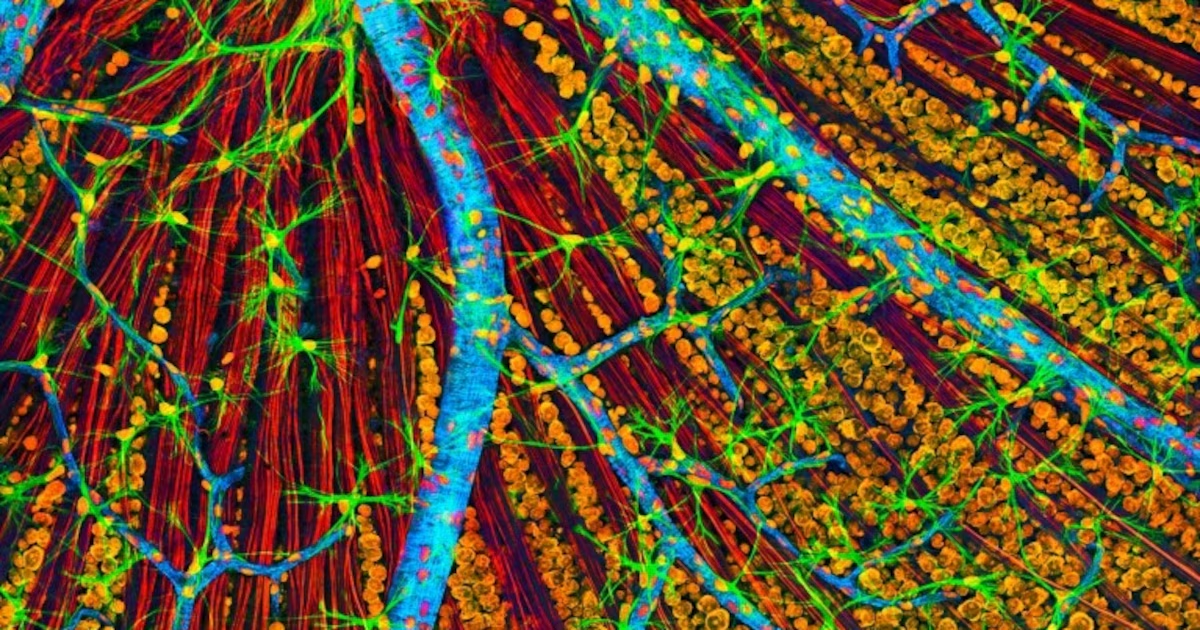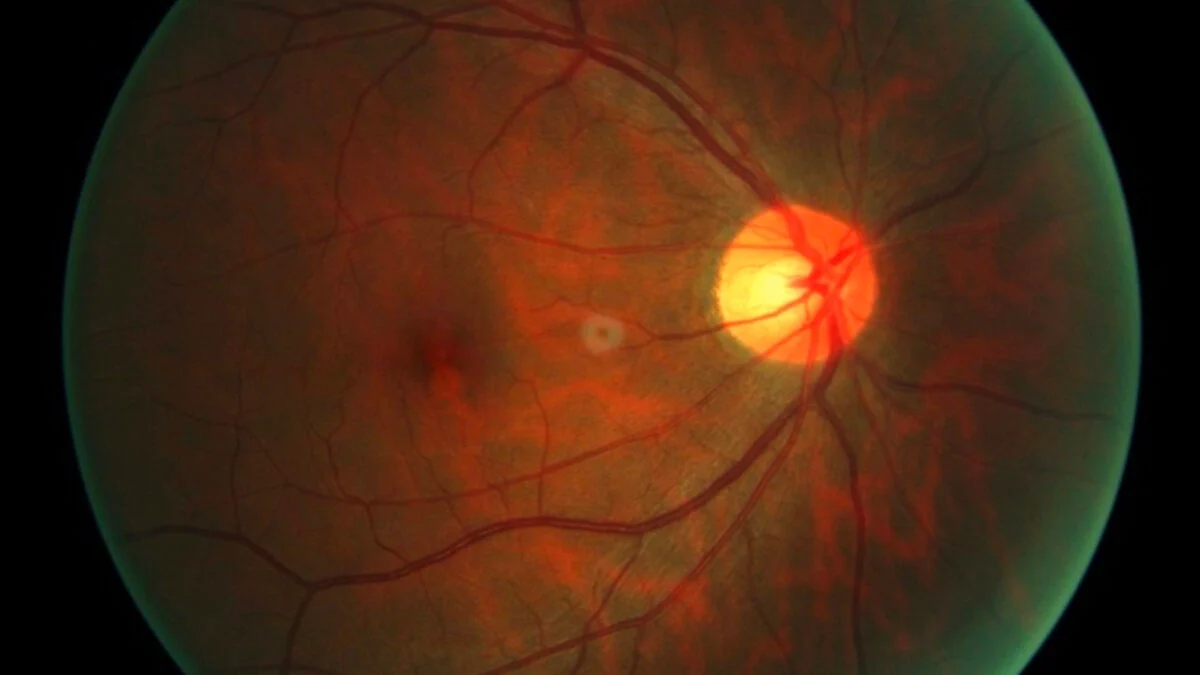
Buckle up. High-stakes human testing has now begun on a gene therapy that promises to reverse aging at the cellular level. About four months after the U.S. Food and Drug Administration (FDA) gave Life Biosciences clearance to initiate its clinical trials, the Boston-based longevity startup announced on Tuesday that it’s just dosed its first patient. Life Biosciences’s modest goal is to regenerate aging neurons in the optic nerves of patients struggling with glaucoma—a condition that often includes the irreversible death of neurons known as retinal ganglion cells, which connect the eye to the brain. The longevity firm’s strategy involves injecting a modified virus with tailor-engineered genes that reprogram cells to “reverse age-related epigenetic changes,” according to records with the U.S. National Center for Biotechnology Information. But—while the FDA has cleared the company’s ER-100 drug for human tests—some researchers watching this space worry that these “reprogramming” therapies might lead to runaway (or exuberantly youthful) cellular growth, similar to past tests that may have caused cancer in mice.
“It’s gotten a lot of hype,” neurobiologist Pete Williams at the Centre for Eye Research Australia explained to the journal Nature. “If this goes catastrophically wrong, it might screw us all in the future.” Fresh eyes Life Biosciences focused on neurodegenerative diseases related to blindness, in part because the eye is a relatively isolated organ within the body where unintended consequences are less likely to get out of hand. To further increase its tests’ safety, the company’s ER-100 drug is only activated when patients simultaneously take the antibiotic doxycycline. Without it, the drug’s genes switch off.