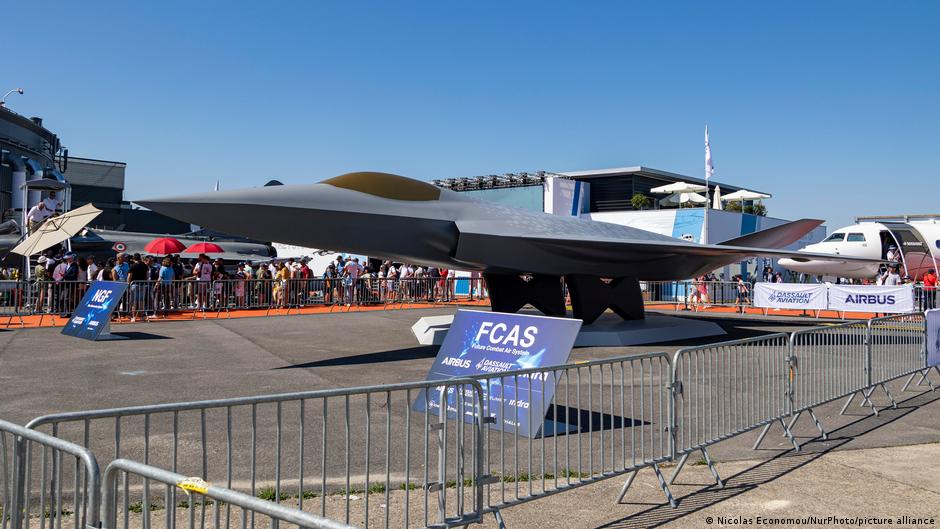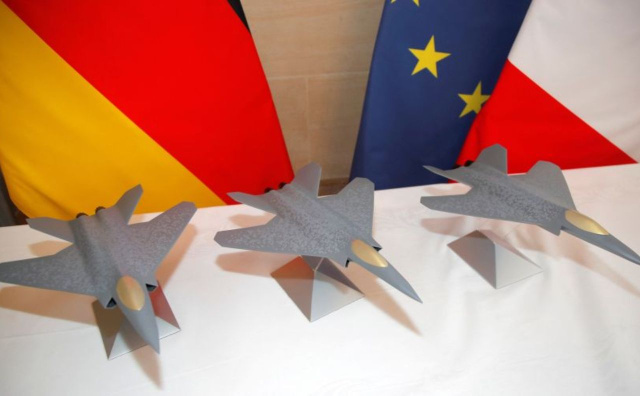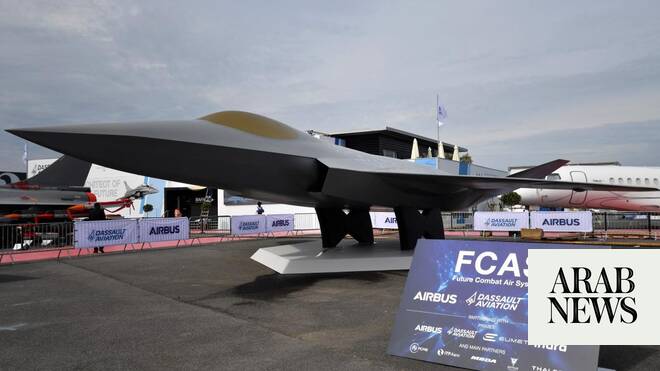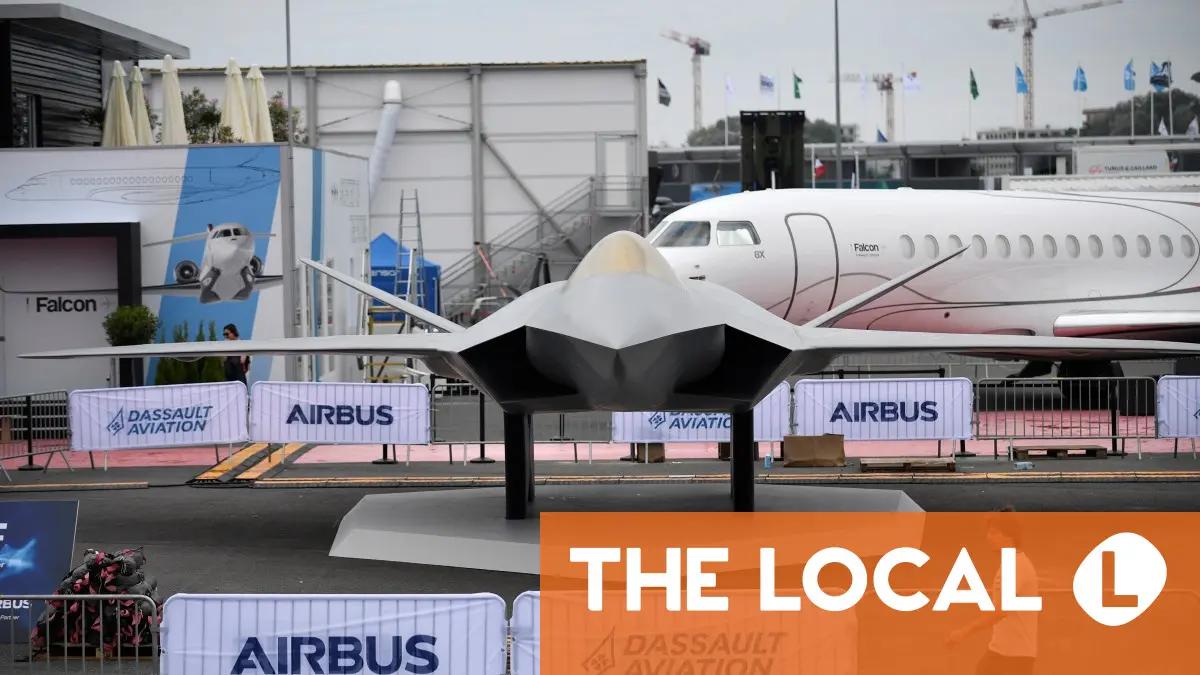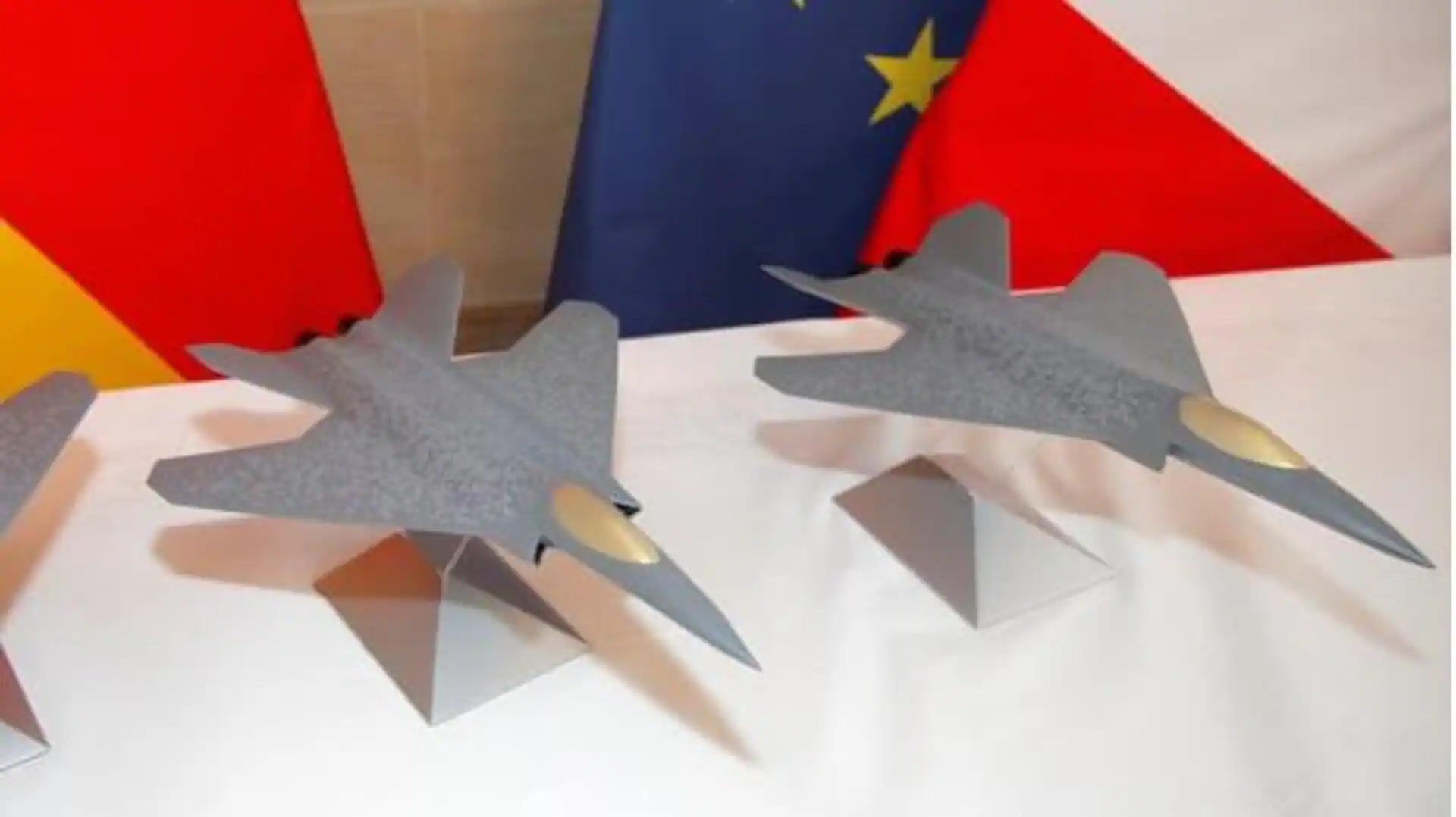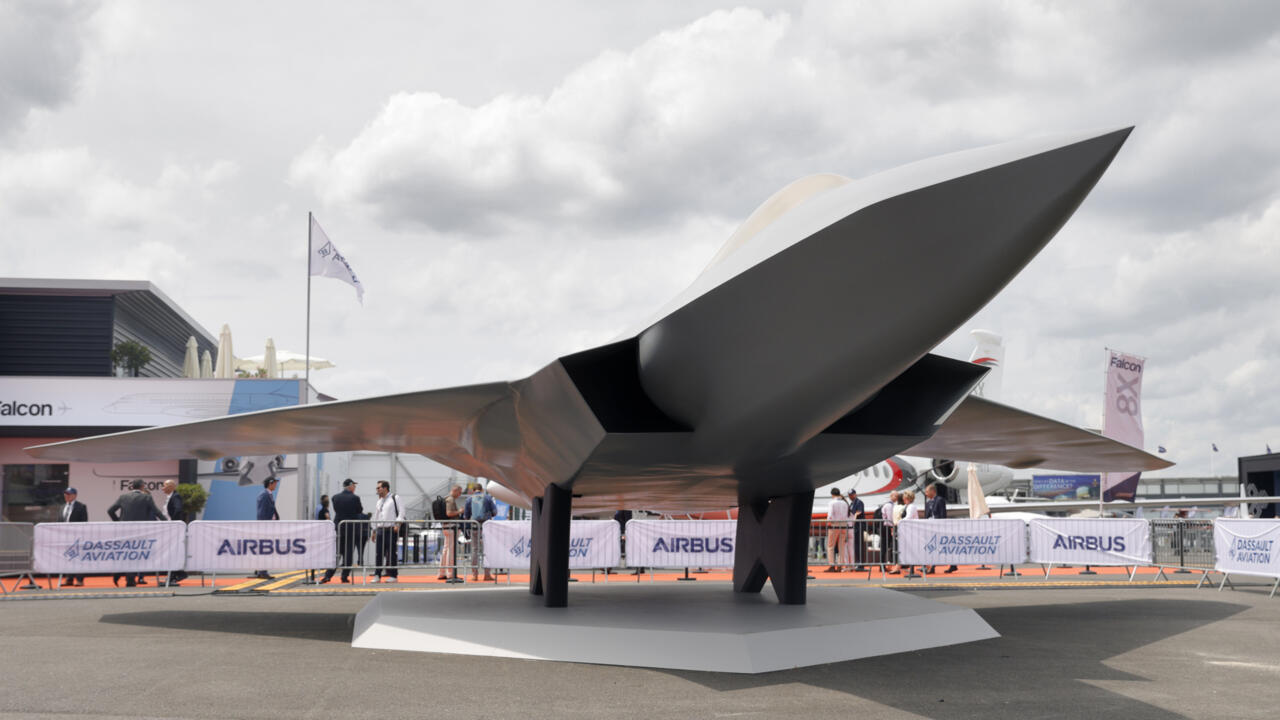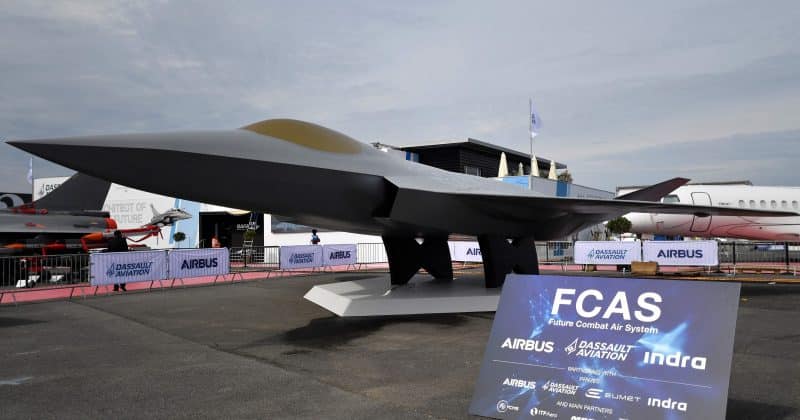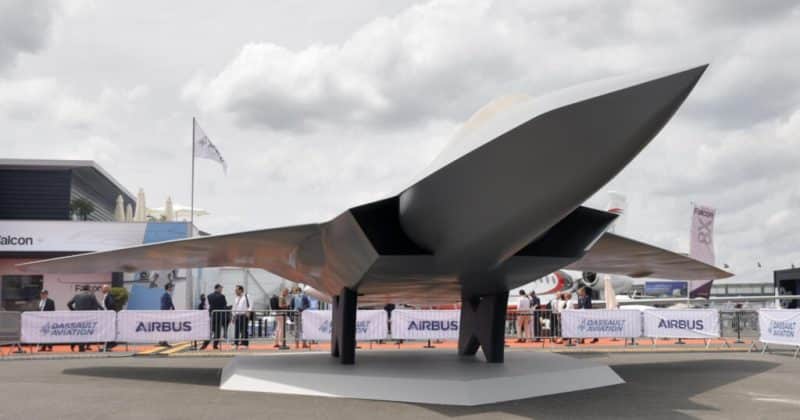
Europe’s flagship next-generation fighter jet program is dead. The Future Combat Air System, known as FCAS, was formally cancelled on June 8-9, 2026, after France and Germany concluded that the industrial partners at the heart of the project simply could not agree on how to build, govern, or share the technology behind it.
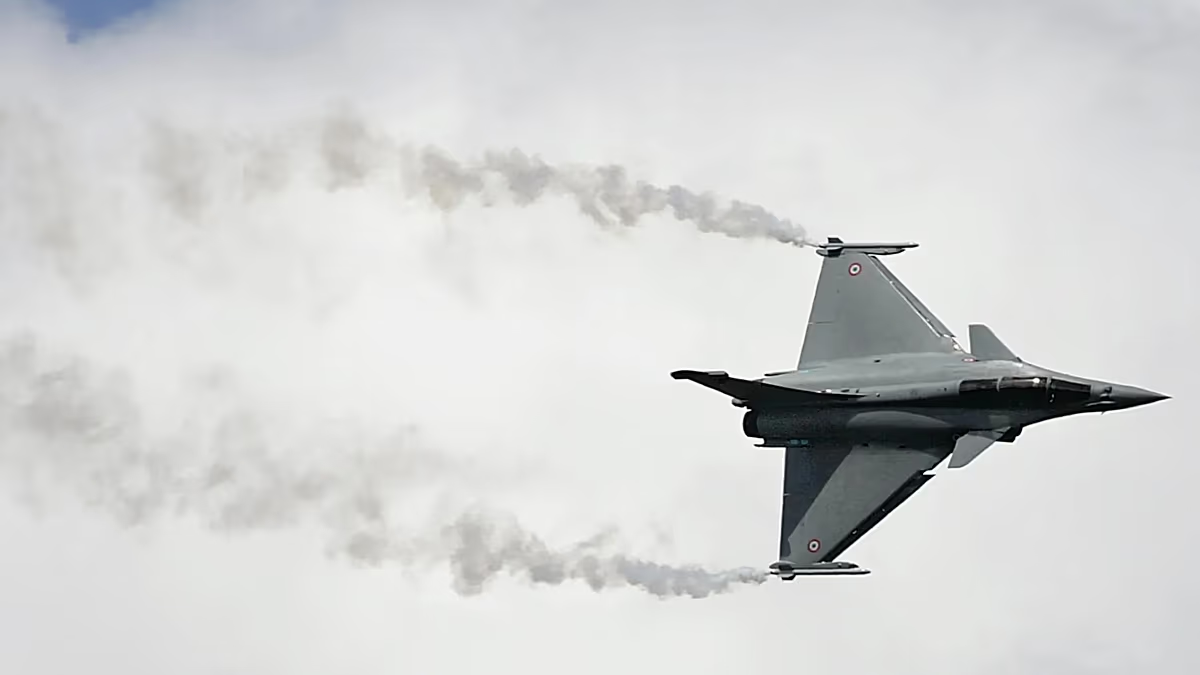
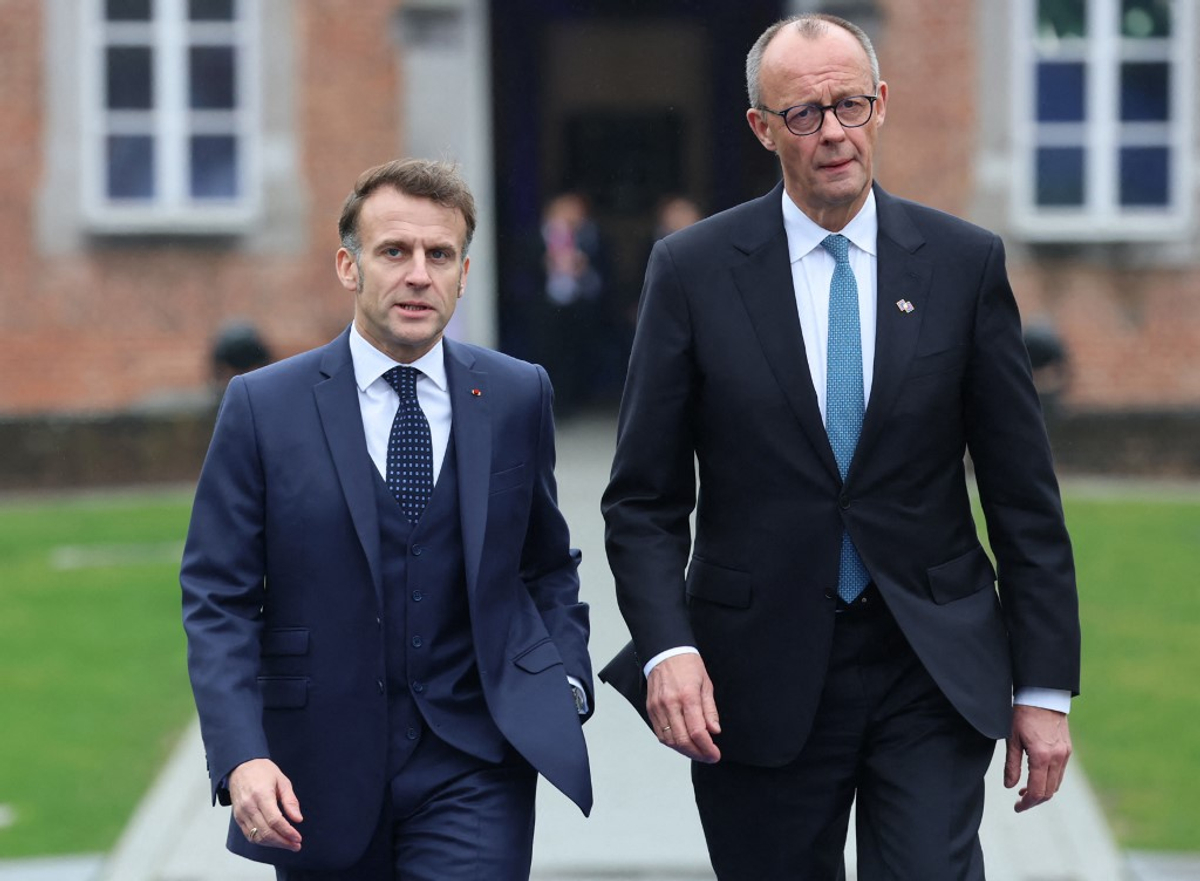
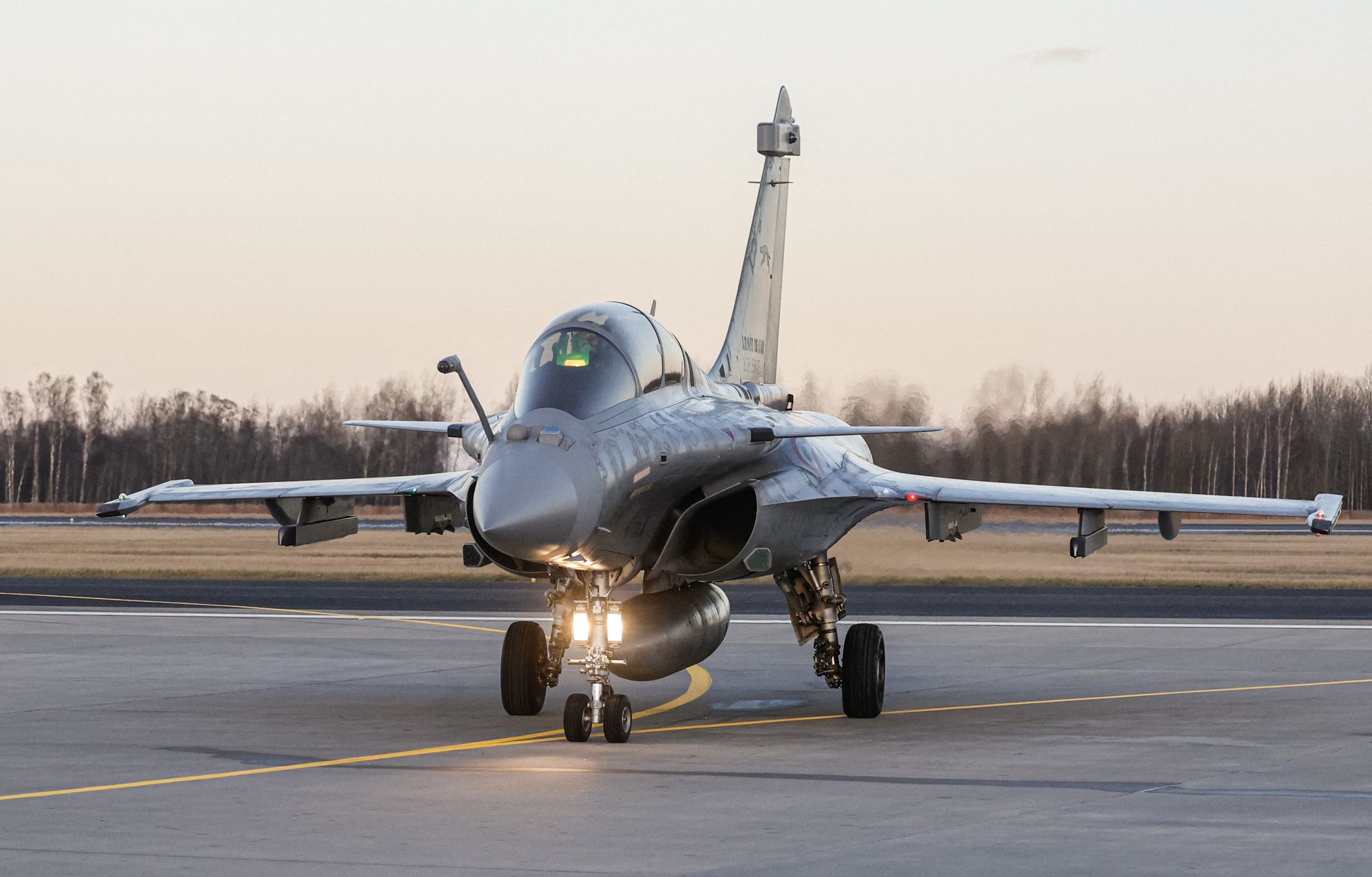
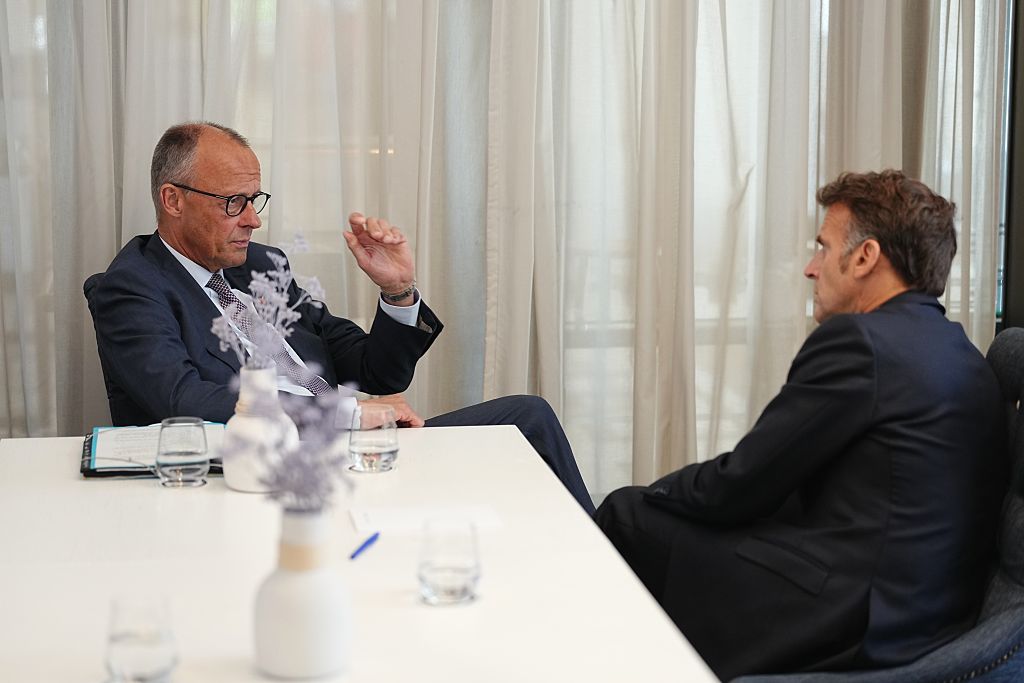
FCAS was launched in 2017, announced jointly by Chancellor Angela Merkel and President Emmanuel Macron as a symbol of Franco-German cooperation on defense. Spain later joined the effort. The goal was sweeping: develop a crewed next-generation fighter aircraft, alongside remote carrier drones and a networked “combat cloud” system, all designed to replace France’s Rafale and Germany’s Eurofighter fleets by around 2040.
The two primary industrial partners were Dassault Aviation on the French side, which led work on the Next-Generation Fighter component, and Airbus Defence and Space on the German and Spanish side, which was responsible for remote carriers and the combat cloud architecture.
The core disputes were structural. Dassault and Airbus could not reach agreement on project governance, meaning who would make the key decisions and how authority would be shared. They also clashed over the distribution of work packages. Then there was the intellectual property question. Access to sensitive technology and design data became a flashpoint. Neither side was willing to hand over proprietary knowledge without guarantees the other couldn’t replicate, and those guarantees never materialized.