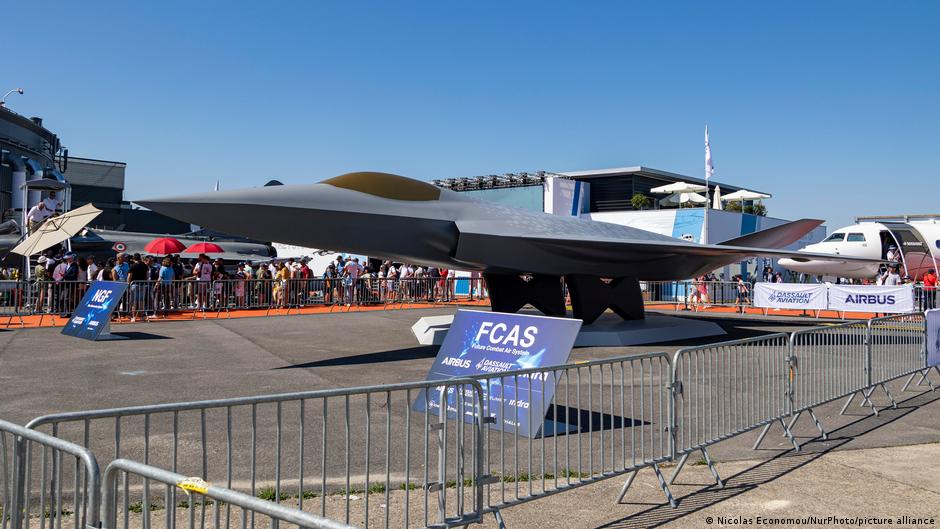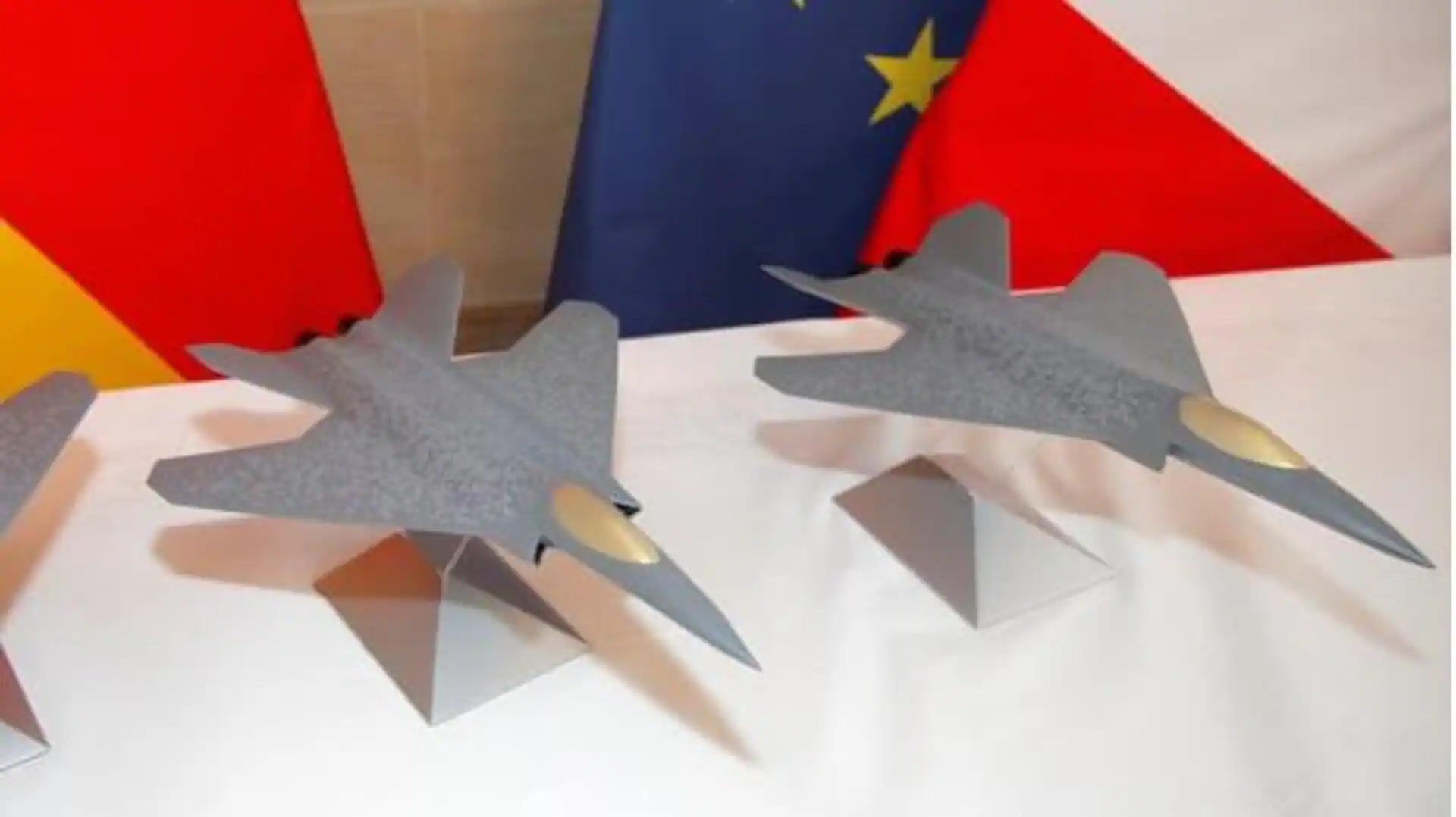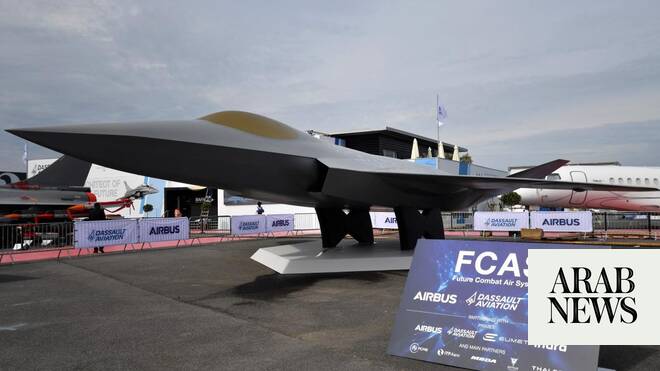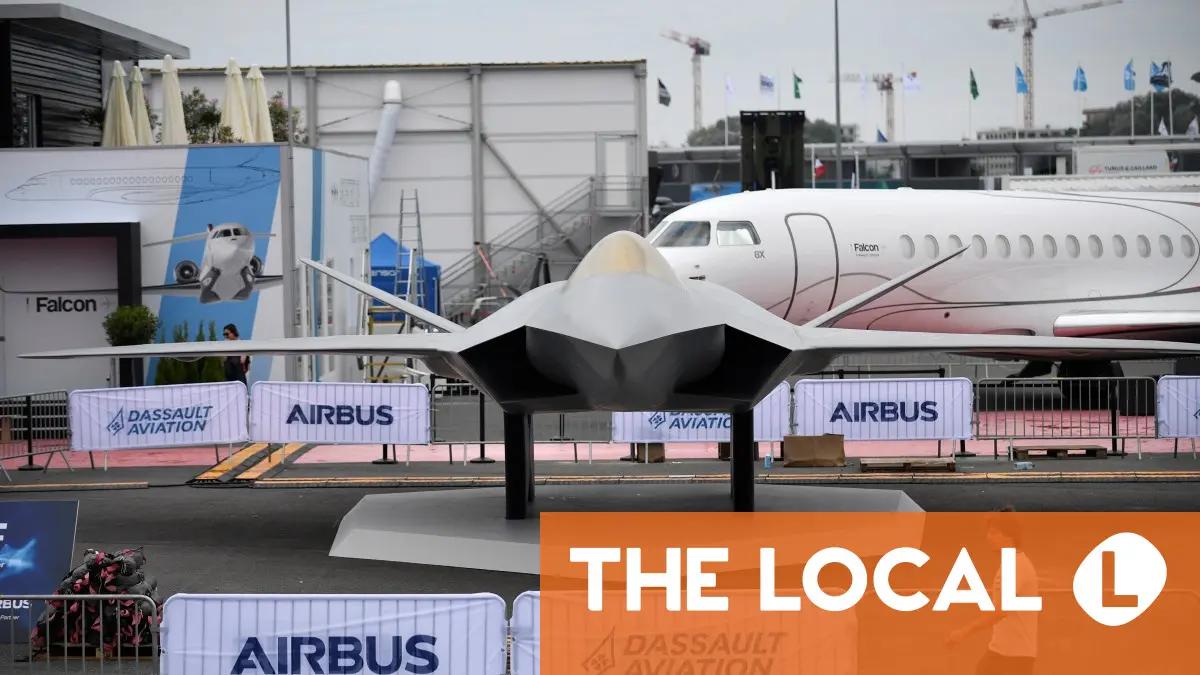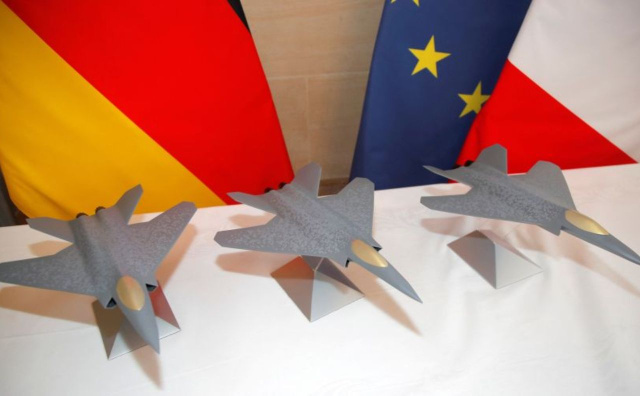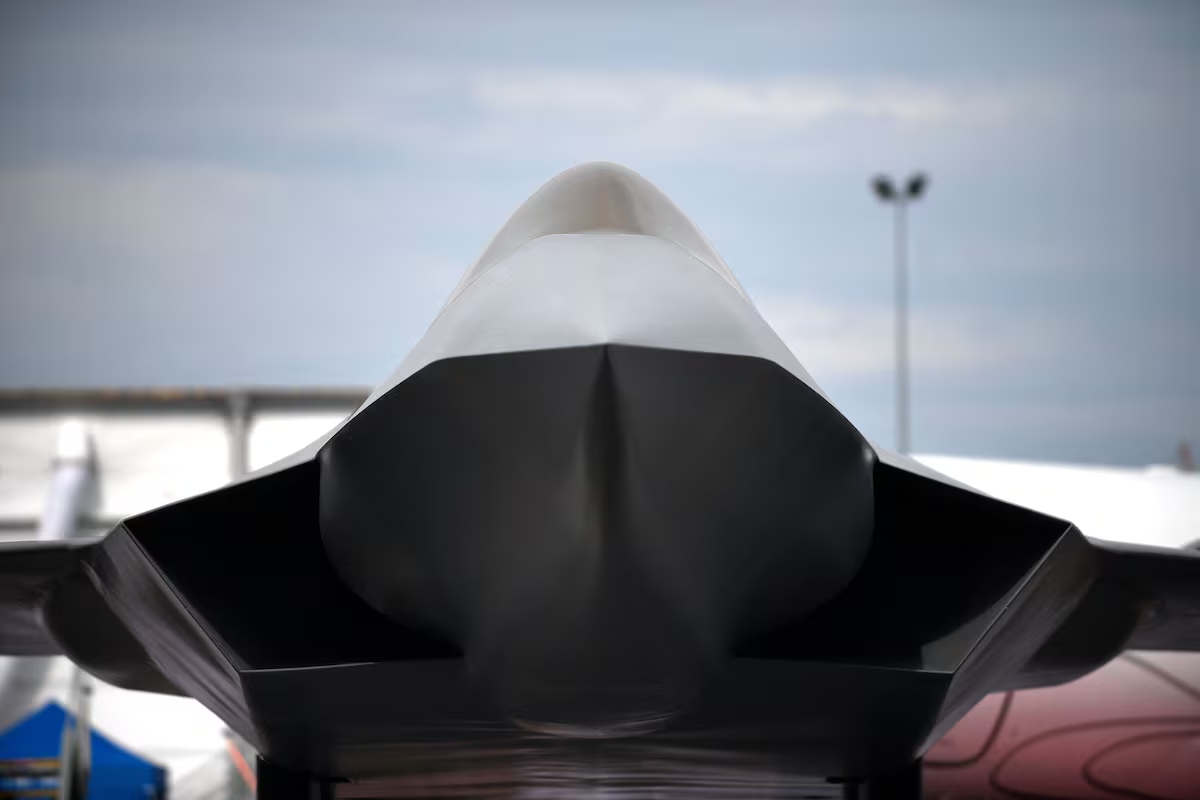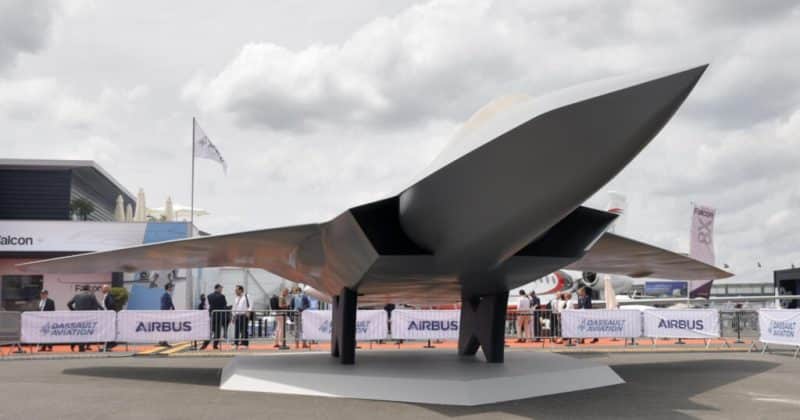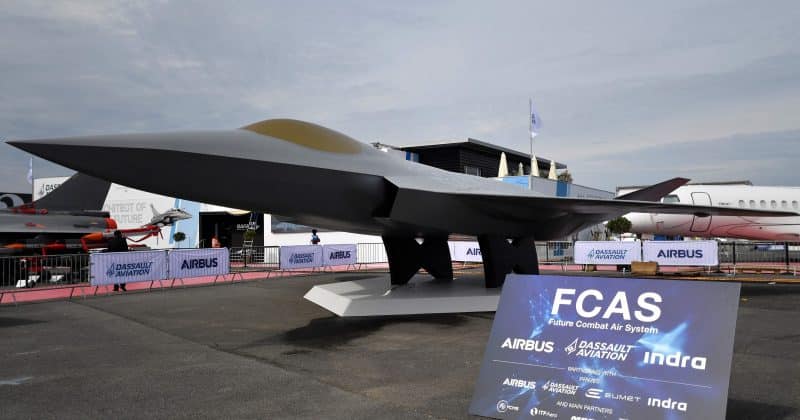
Europe’s most ambitious defense project is dead. Germany and France have officially pulled the plug on the Future Combat Air System, a €100 billion ($116 billion) initiative that was supposed to produce a sixth-generation fighter jet by 2040 and serve as the crown jewel of European military integration.
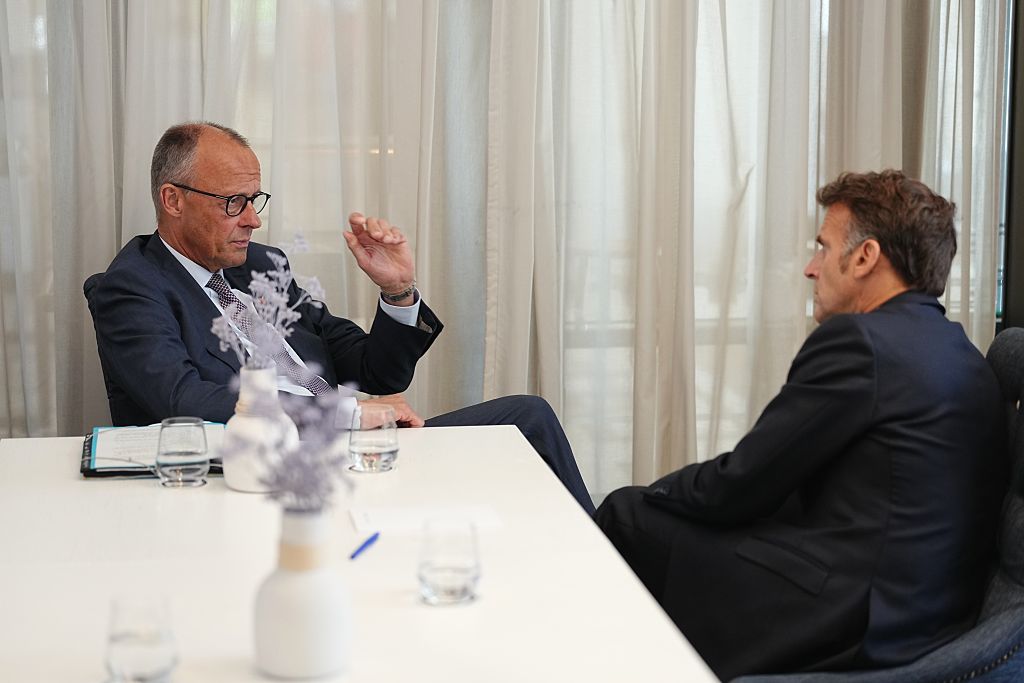
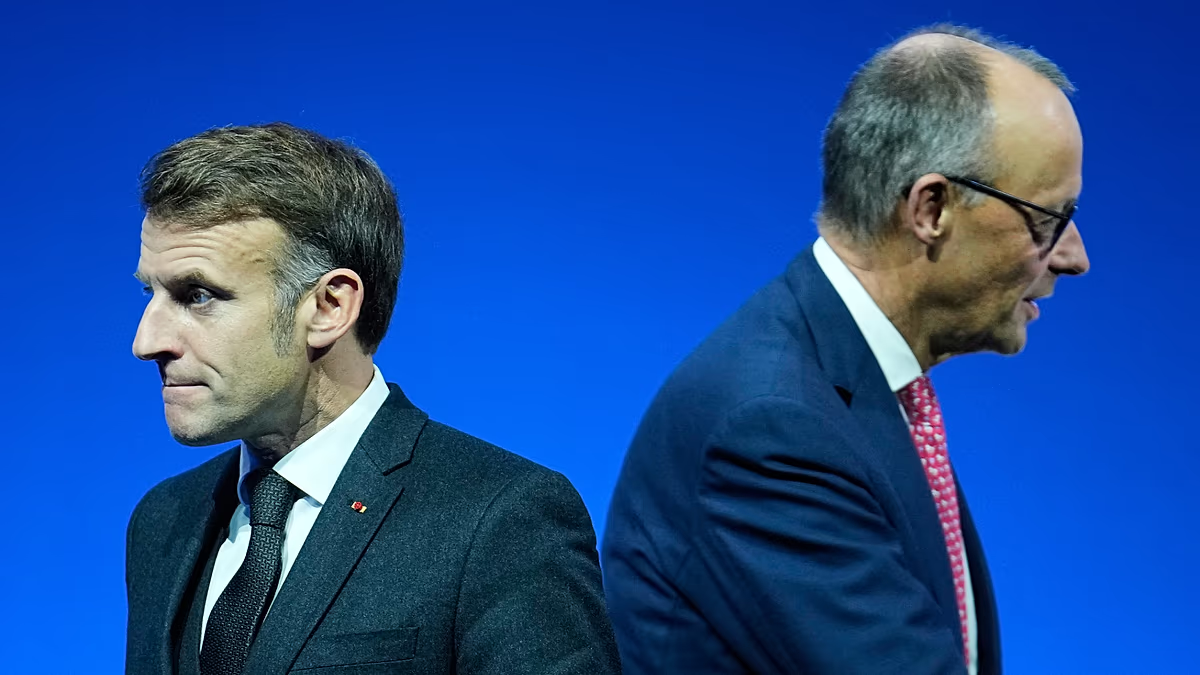
The announcement came on June 8, 2026, after German Chancellor Friedrich Merz and French President Emmanuel Macron concluded at a summit in Montenegro that the differences between the program’s two main contractors, Dassault Aviation and Airbus, were simply irreconcilable.
How a flagship program fell apart
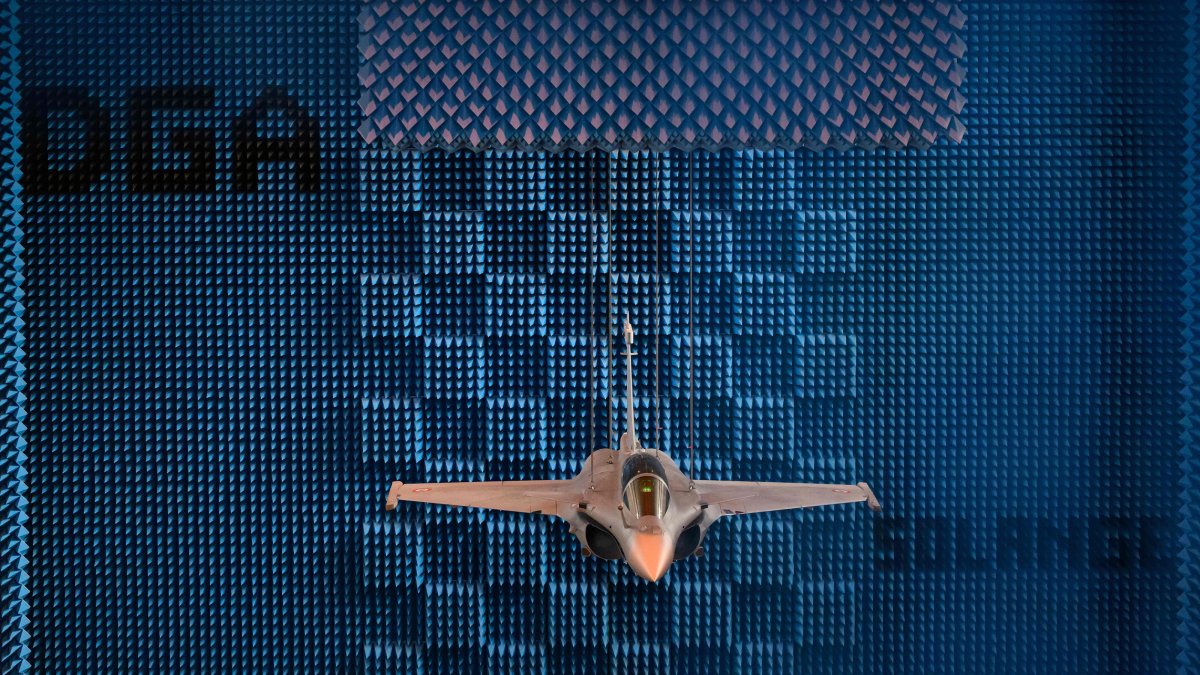
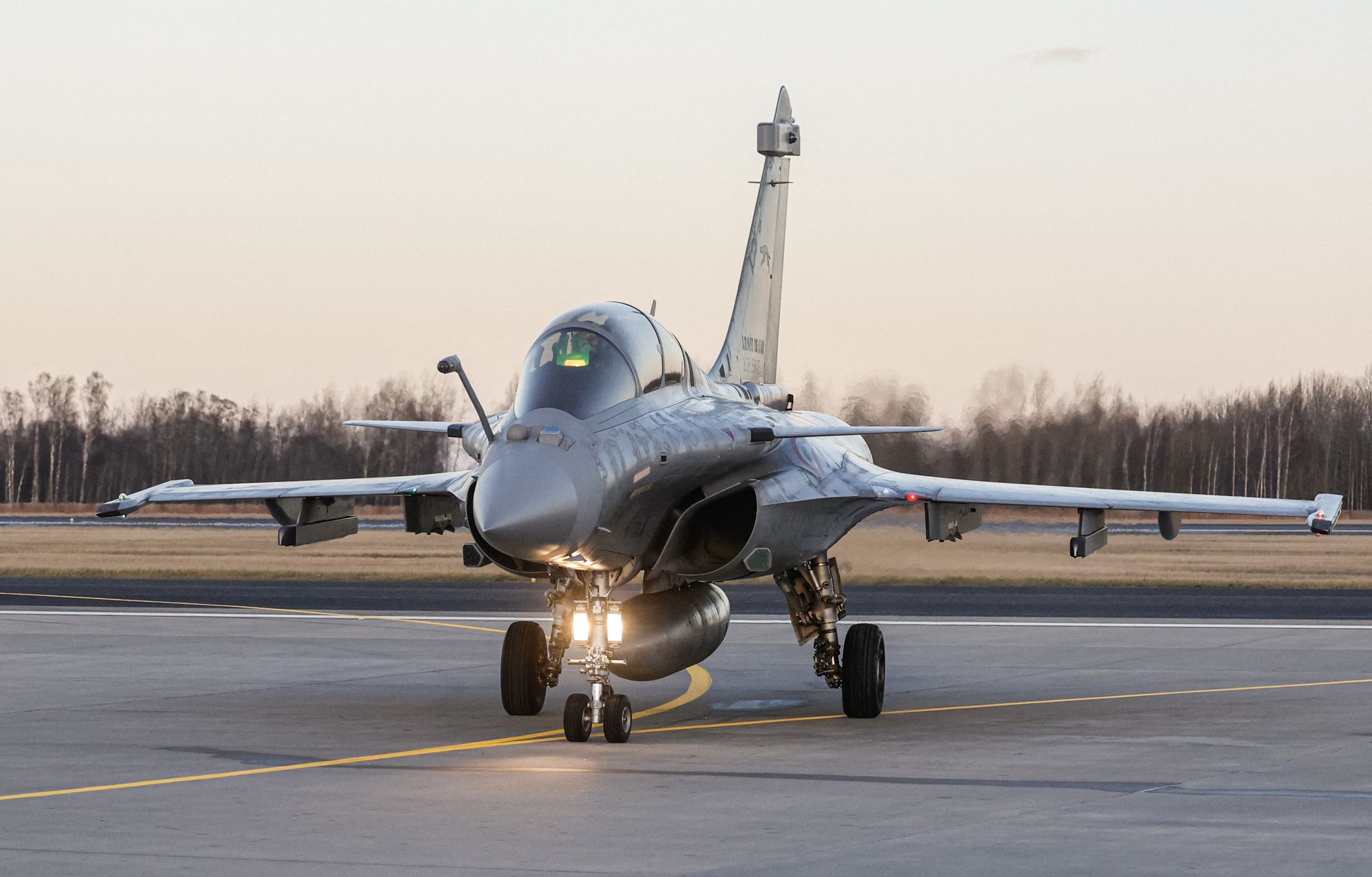
The FCAS project launched in 2017, back when Macron was still fresh in office and Angela Merkel was still running Germany. The vision was straightforward, at least on paper: build a next-generation combat aircraft to replace France’s Rafale jets and the Eurofighter Typhoons flown by Germany and Spain.
The disputes centered on leadership roles, work distribution, and technical specifications. Both sides wanted to be the boss, both sides wanted the lucrative manufacturing contracts, and both sides had different ideas about what the plane should actually do. Industrial rivalries had stalled meaningful progress for months before the formal collapse.