by Luke Bennetts, Bonnie Light, Petteri Uotila, Philip Reid, Rob Massom, The Conversation
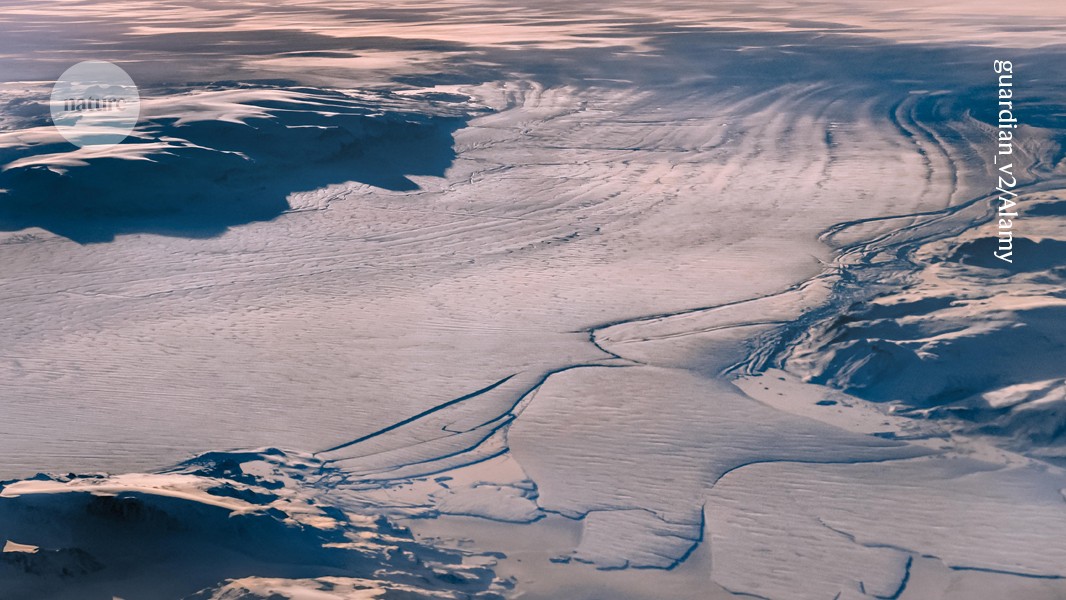
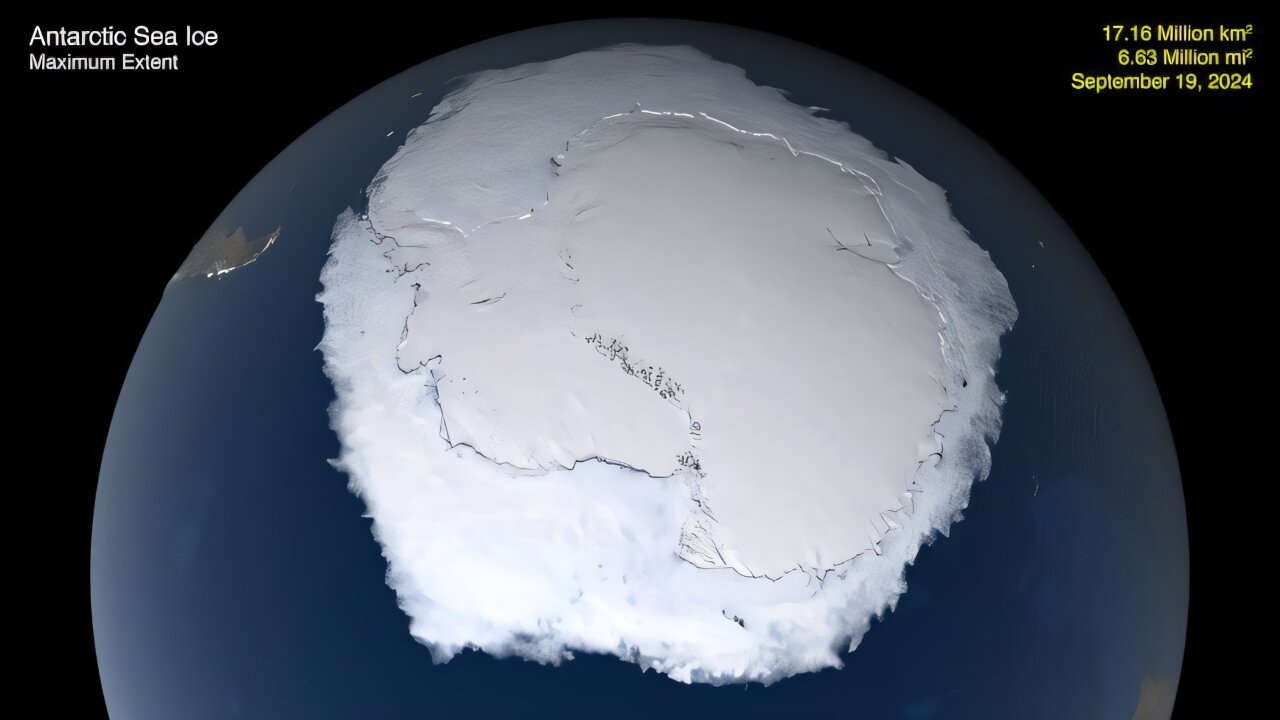
A NASA image from space shows sea ice at its maximum in Antarctica. Credit: NASA, CC BY
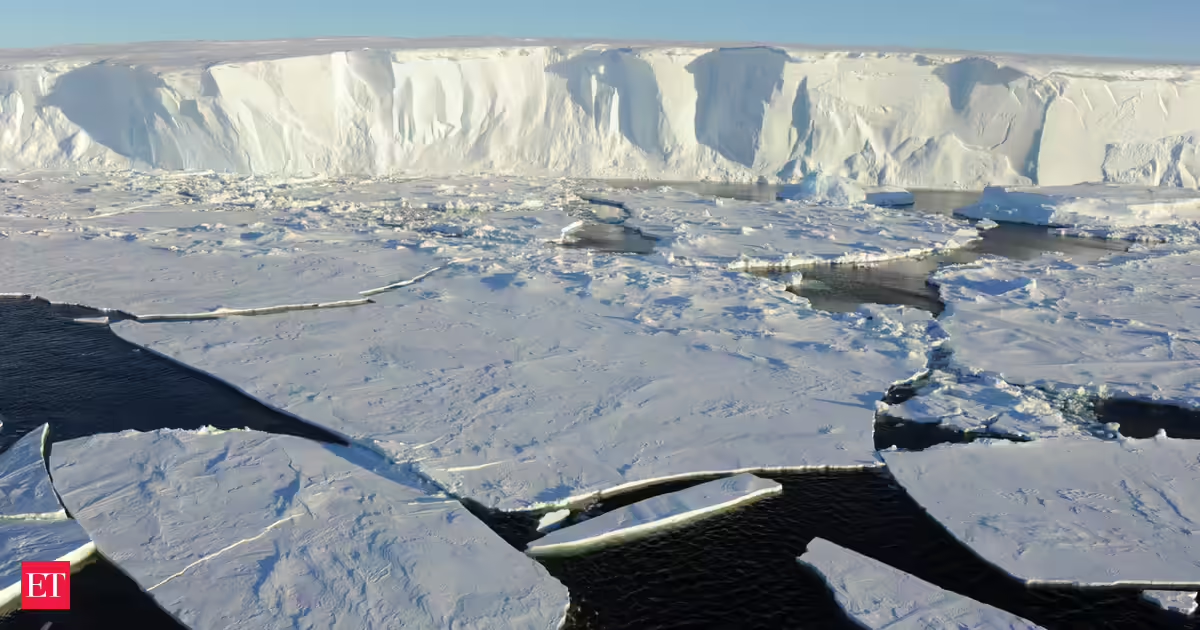
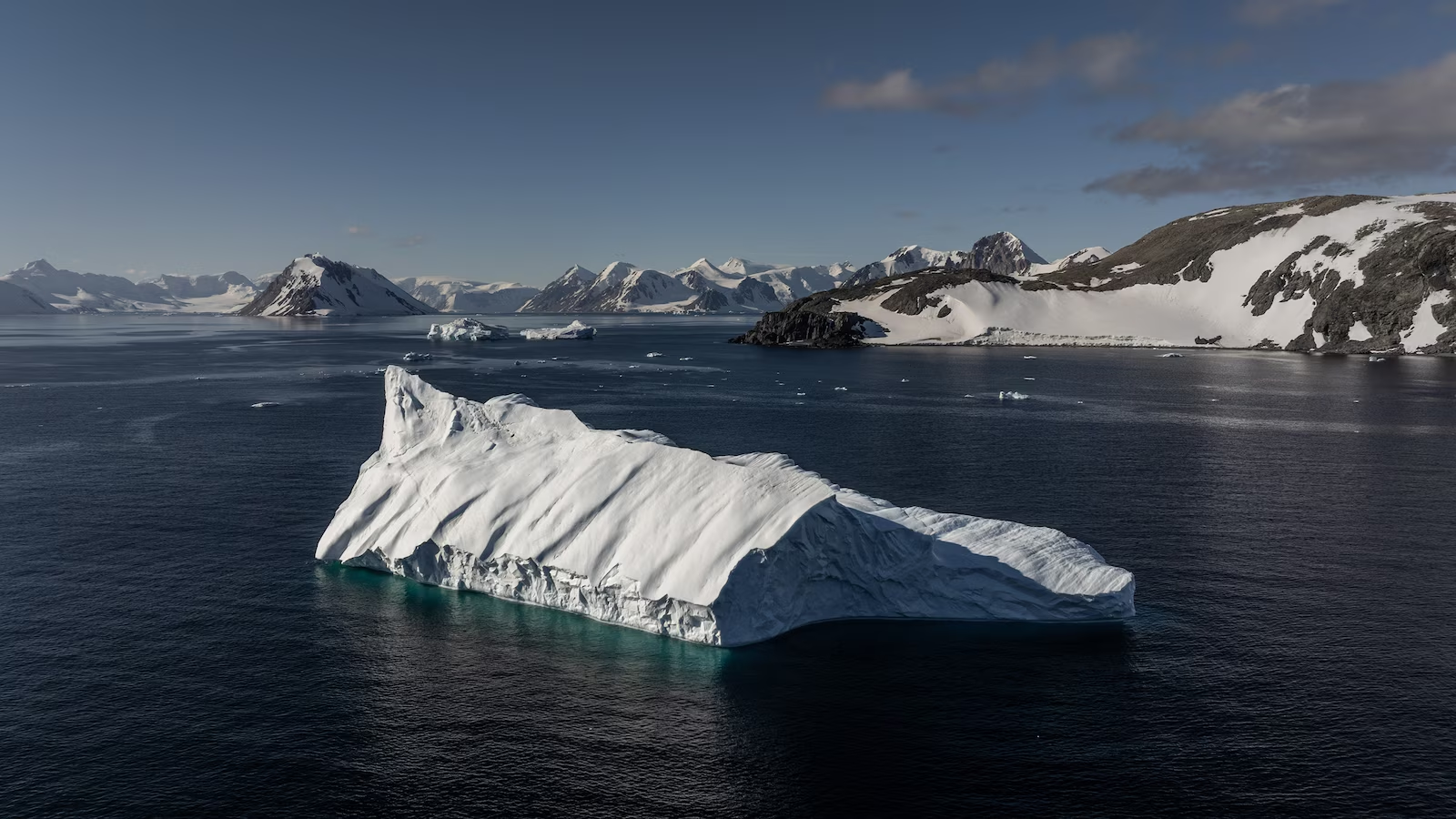
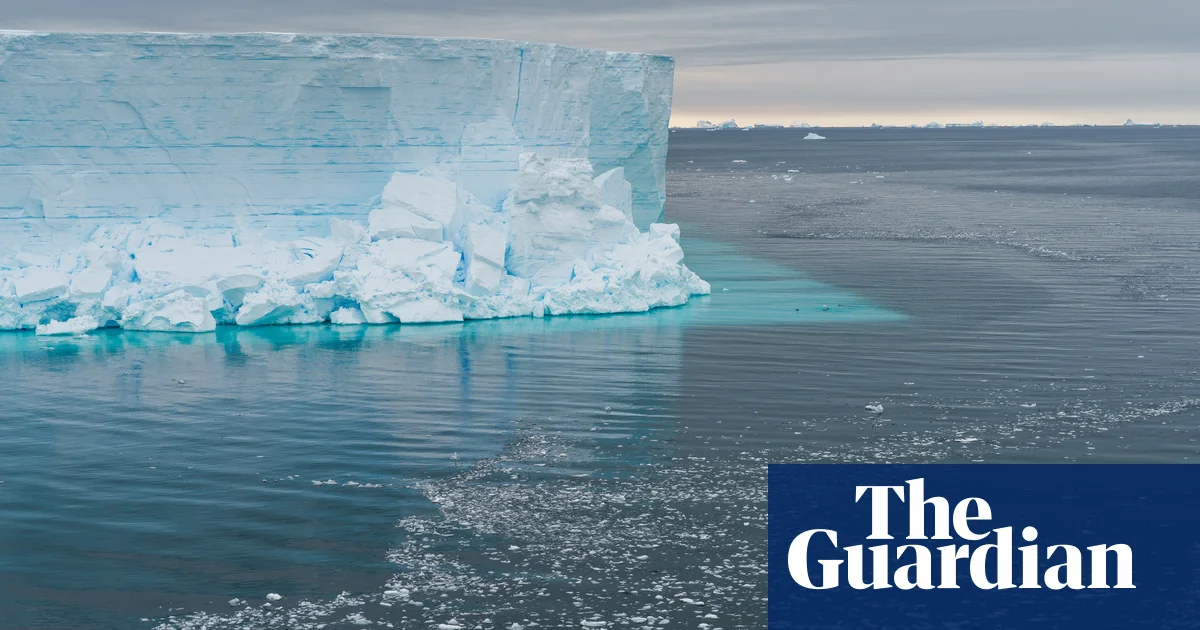
Picture sea ice in your mind. You probably imagine brilliant white, snow-covered floes floating on the surface of the ocean, home to penguins in the south of the globe or polar bears in the north.
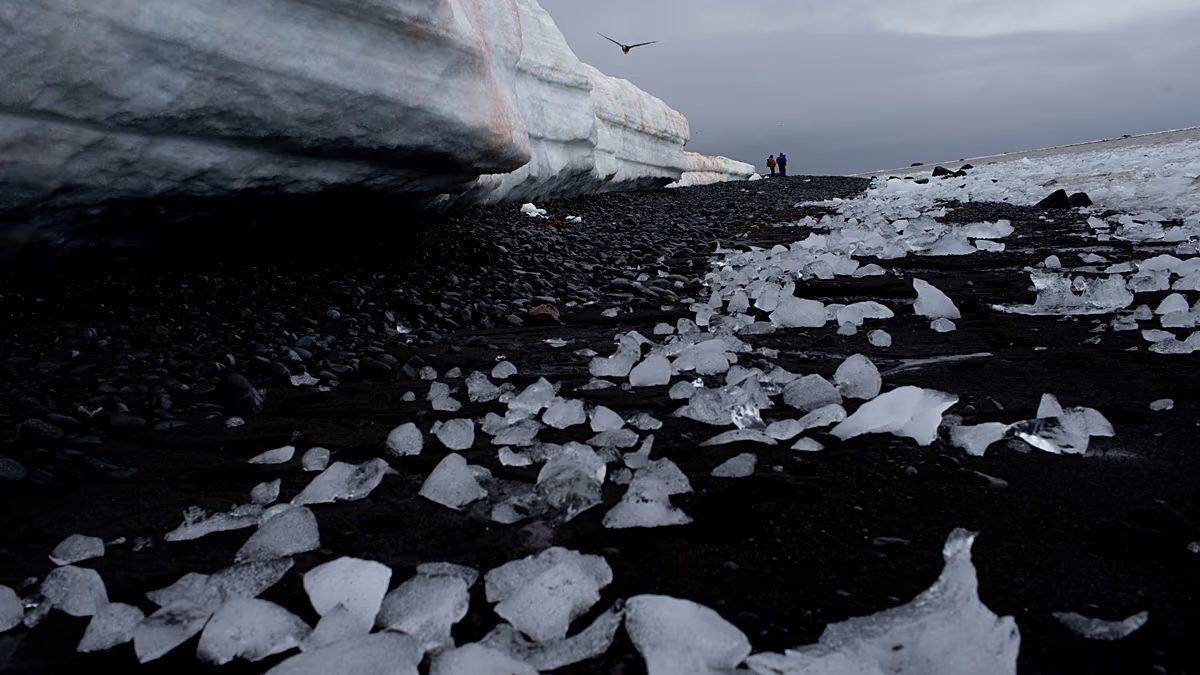
But our new research shows Antarctic sea ice can turn into rafts of rotting floes (the free-floating pieces of ice) or an icy green slush when it interacts with waves in the stormiest ocean on the planet.
We now know the wave-driven processes that cause the surface of the sea ice to melt are a "missing link" in understanding what's driving the increasing Antarctic sea ice melt each summer.