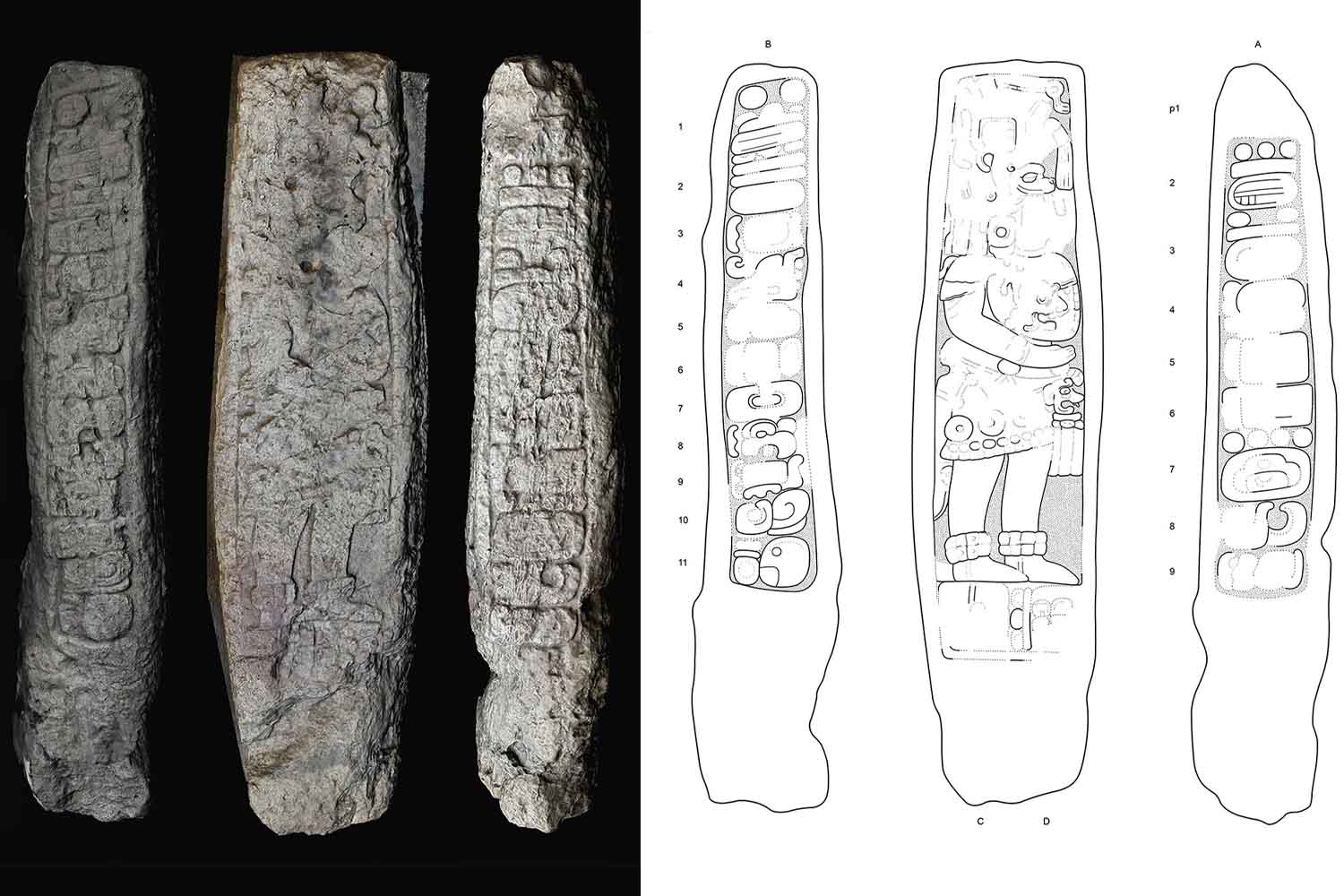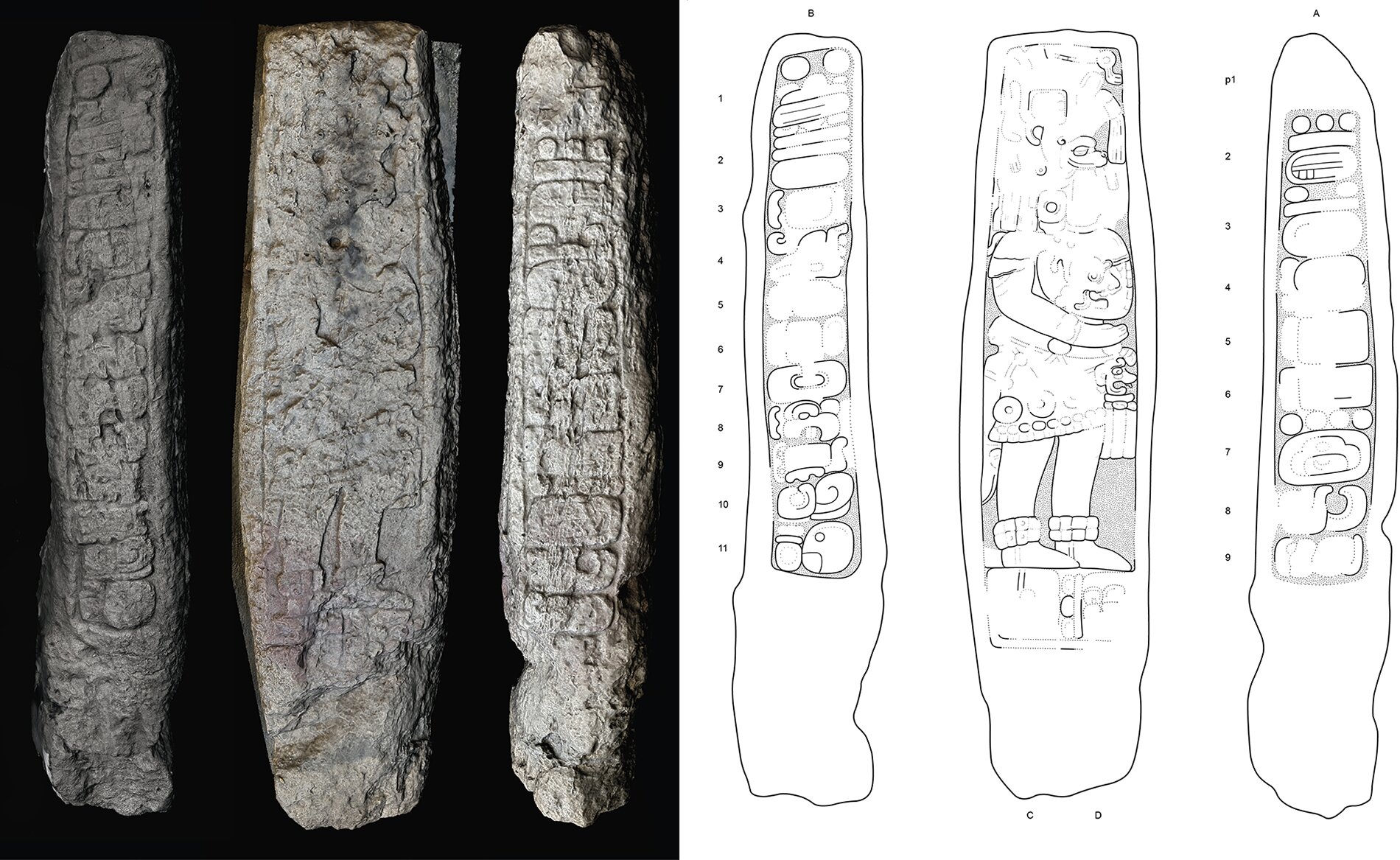
Stela 46. Left side, front face, and right side. Credit: Three-dimensional modeling by Kenichiro Tsukamoto, epigraphic drawing by Octavio Q. Esparza Olguín and Kenichiro Tsukamoto , and iconographic drawing by Daniel Salazar Lama, PAEP. From Ancient Mesoamerica (2026). DOI: 10.1017/s0956536126100984
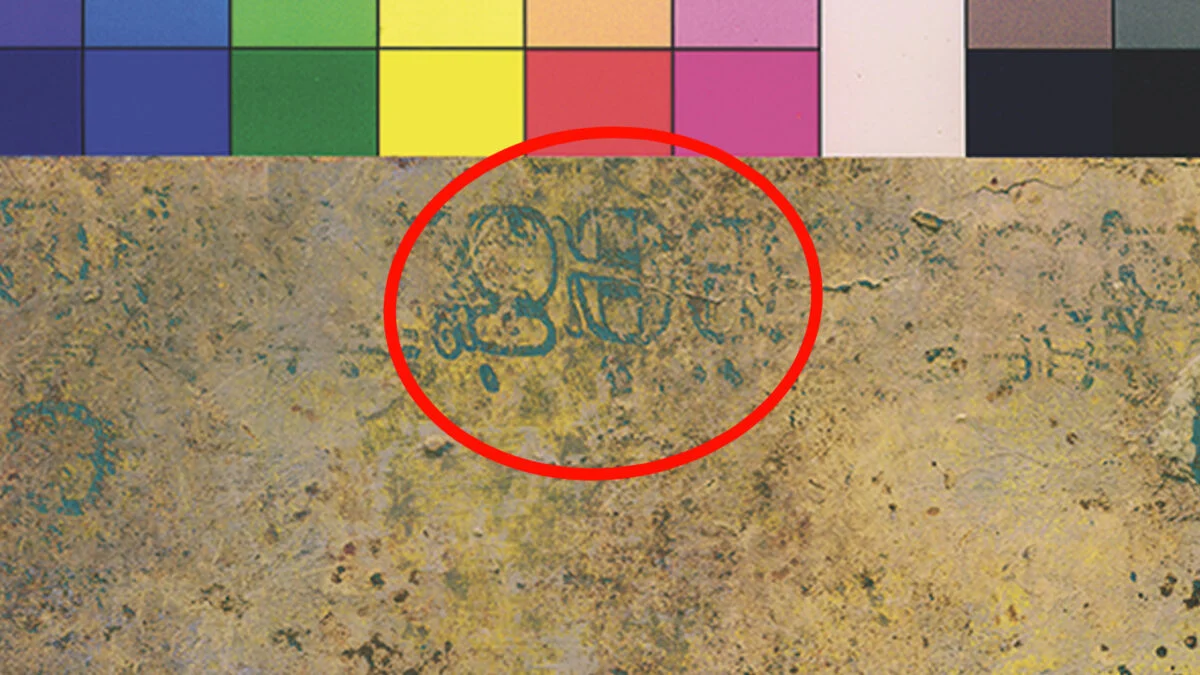
Archaeologists working at the ancient Maya site of El Palmar in Campeche, Mexico, have discovered what may be the earliest known Long Count calendar date in the Maya lowlands. It is carved into a stone monument and is interpreted as Aug. 31, AD 180, in our modern calendar. The finding could reveal insights into how the earliest Maya rulers used time to stake their claim to the throne.
The Long Count calendar
The Long Count is a continuous linear dating system that the Maya used to record historical events in chronological order. Rulers charted their personal milestones, such as births, marriages and triumphs, in stone, which helped them assert and legitimize their divine authority. The earliest previously discovered Long Count date in the region was AD 292, making this finding more than a century older.
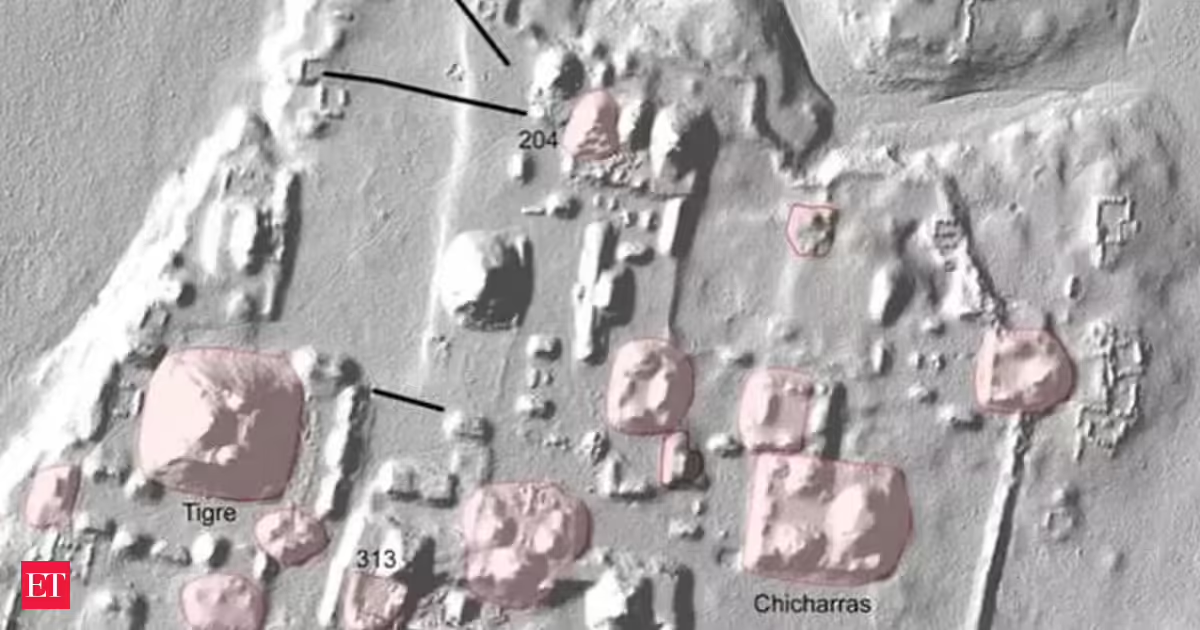
The research team, led by Kenichiro Tsukamoto at the University of California, studied three carved stone monuments known as stelae 20, 45 and 46. These are large, upright stone slabs or pillars that the ancient Maya used as public billboards.