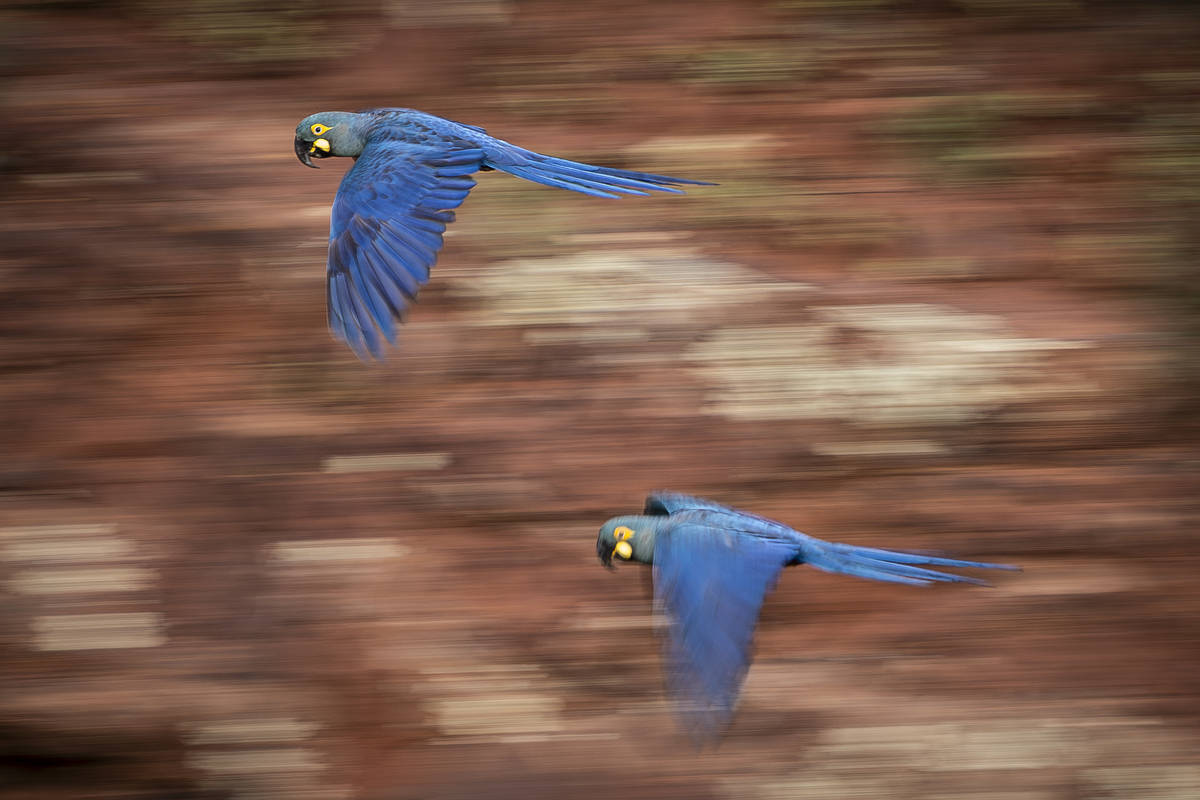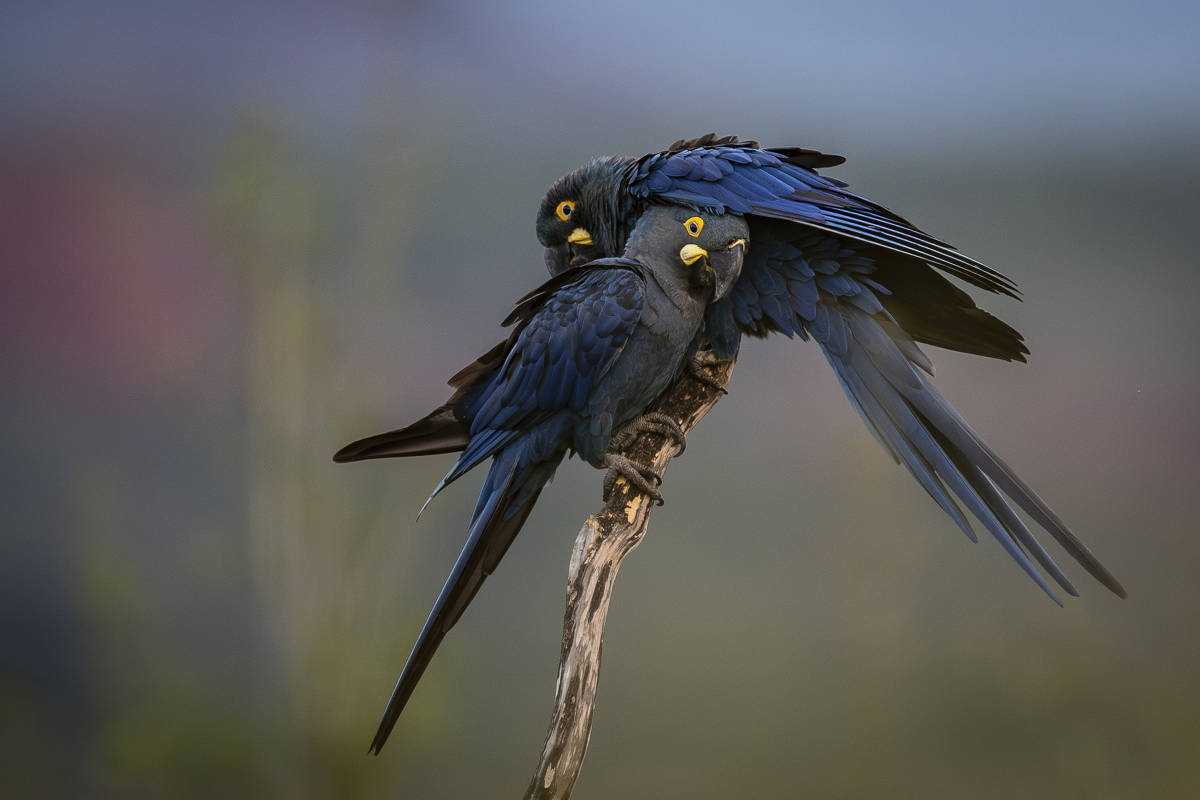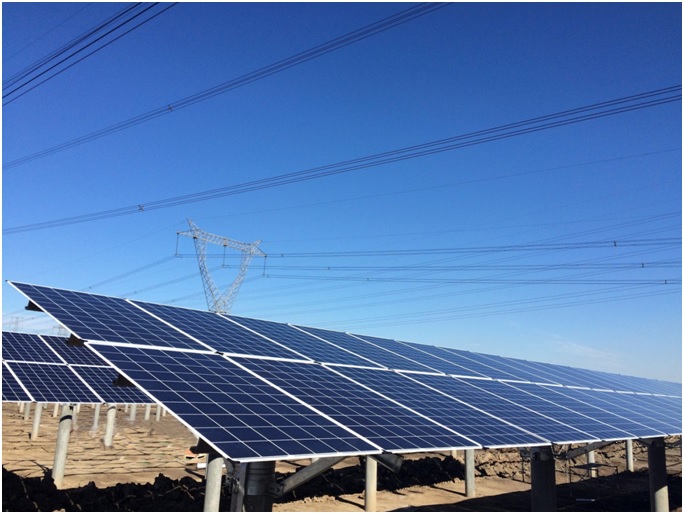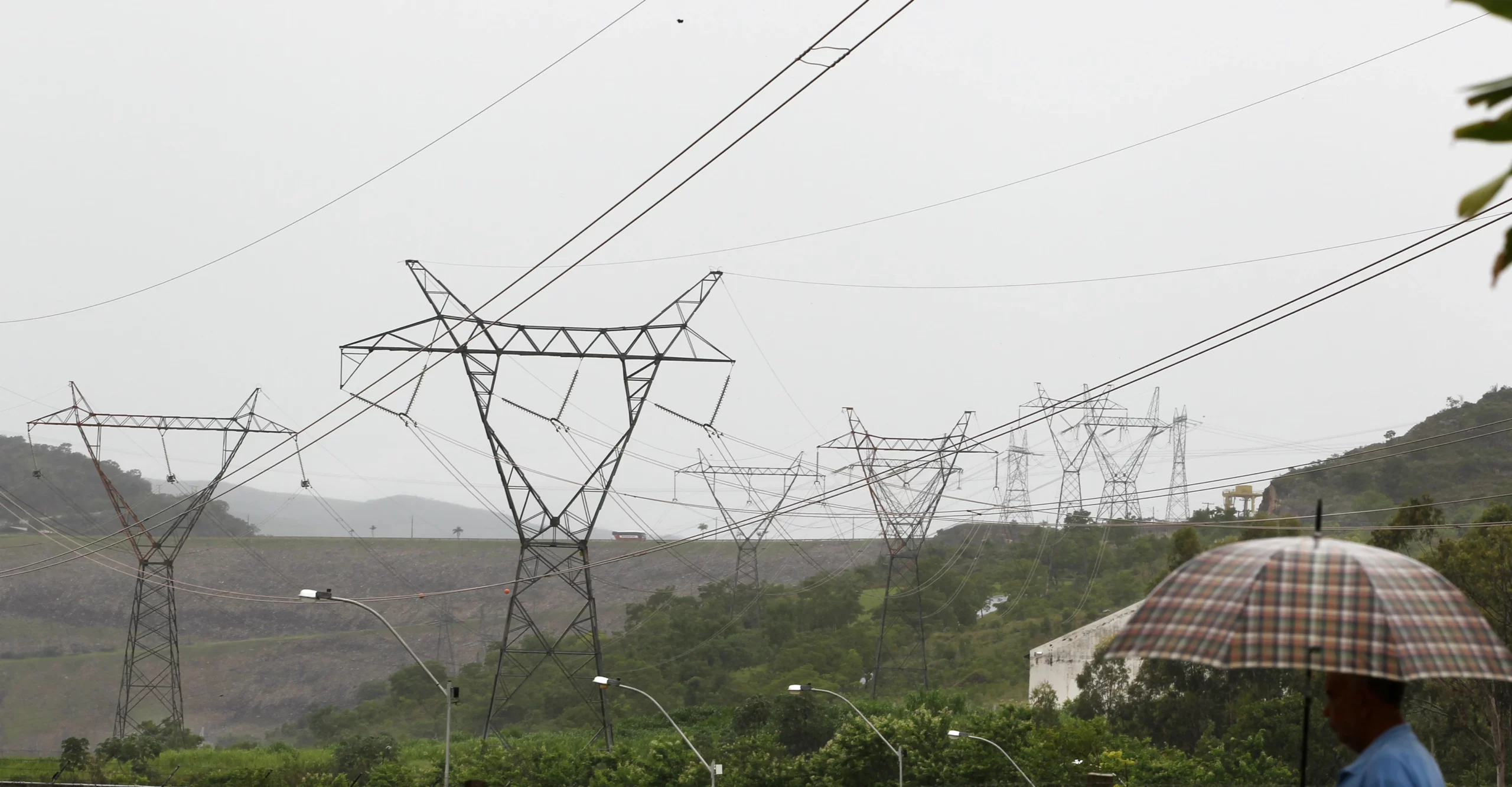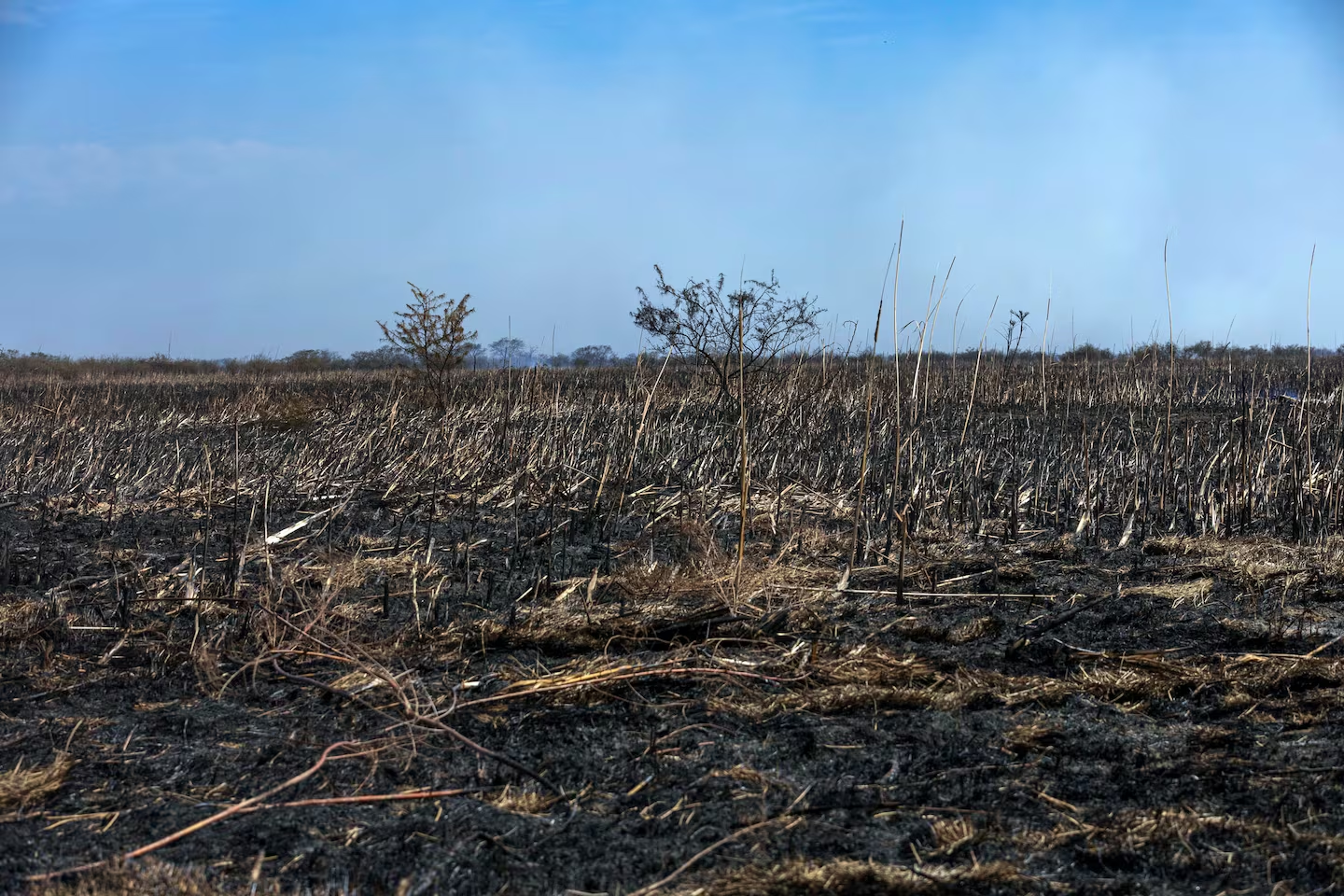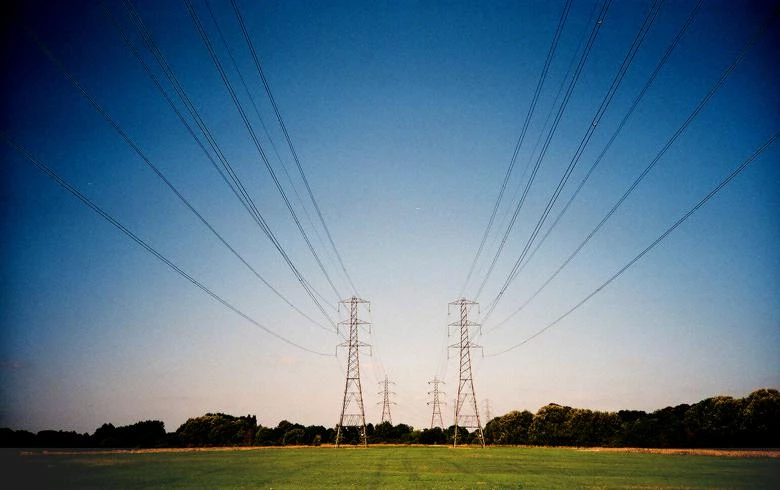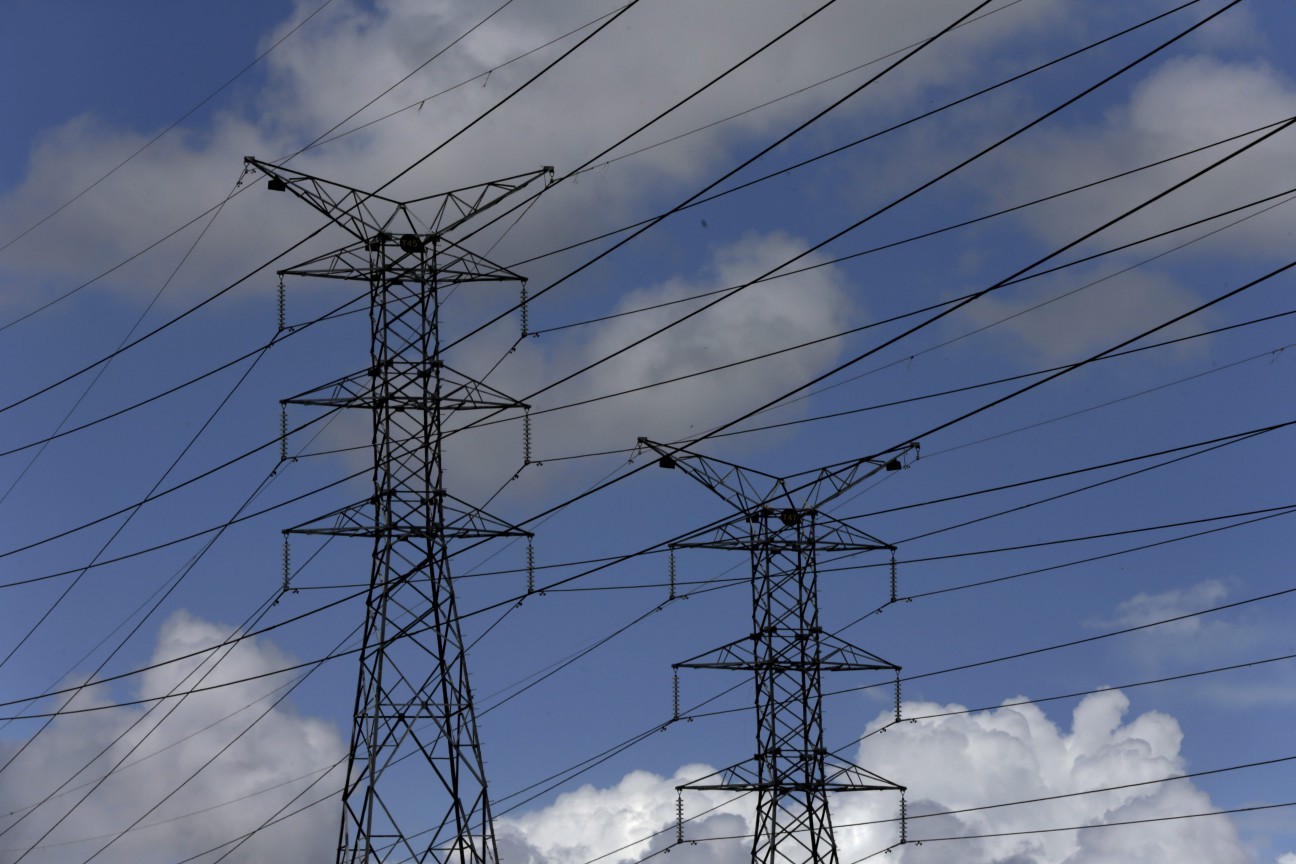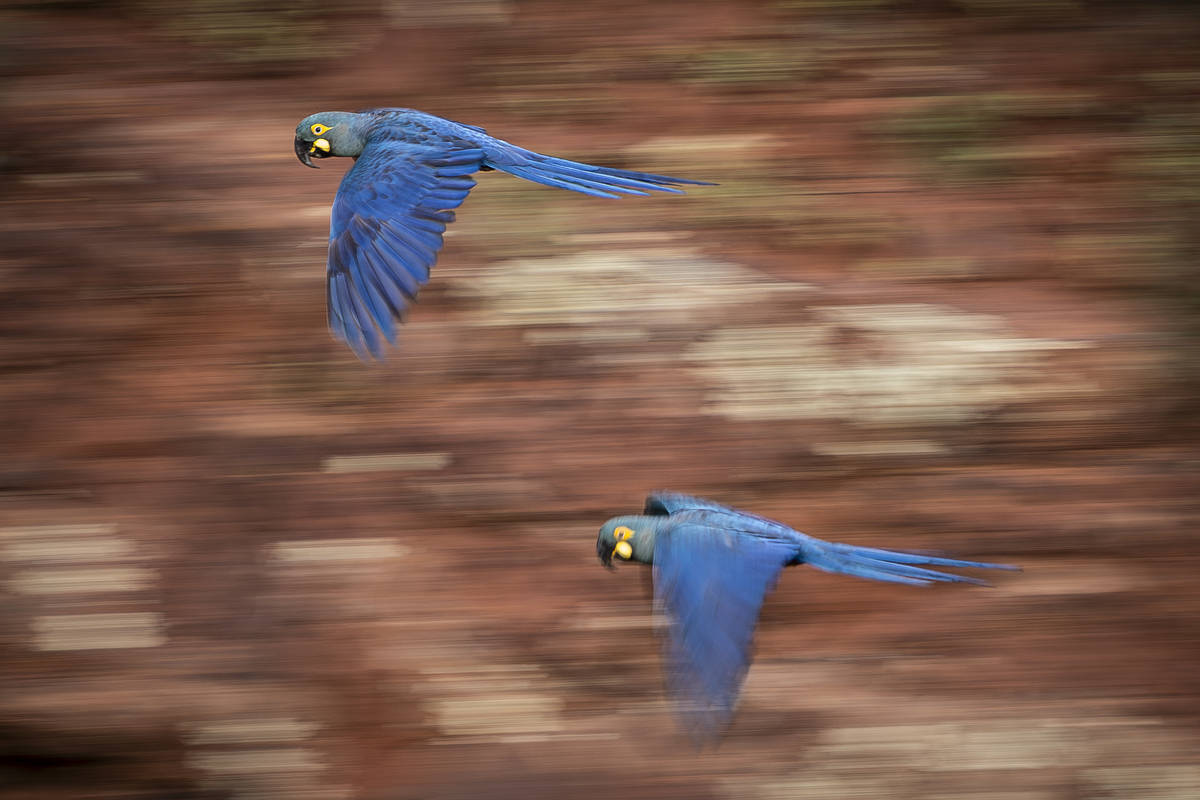
The power grid in Brazil’s caatinga region represents a growing threat to the only wild population of Lear’s macaw, an endangered species. The Biodiversitas Foundation, which manages the Canudos Biological Station in Bahia, has recorded 192 deaths from electrocution in recent years, and station managers say fatalities are still occurring.Researcher Erica Pacifico from Unicamp says cases have become more frequent as deforestation expands, pushing macaws into rural areas with electrical wiring. According to her, the solution would be simple —changing the position of transformers— but it has not been implemented. "For five years there have been discussions with the Public Prosecutor’s Office, but we have not seen action," she says.
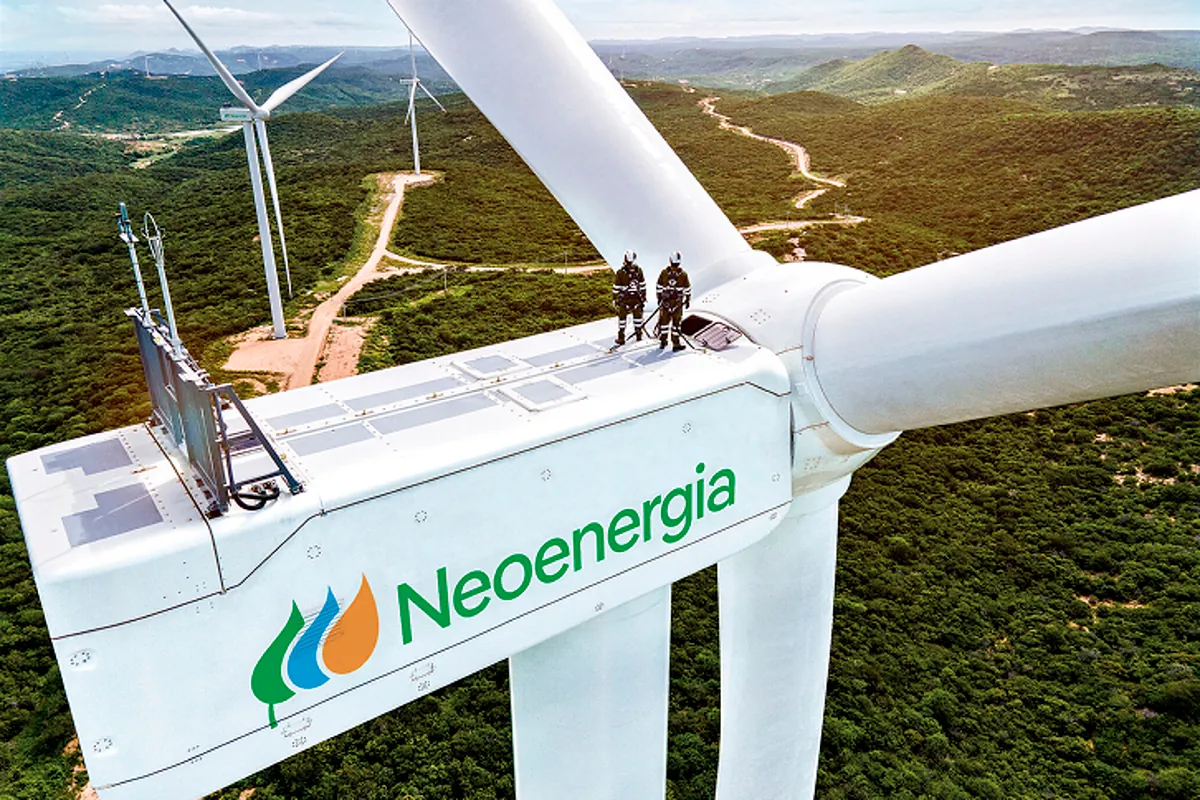
Environmental prosecutor Luciana Khoury says the case has been investigated since 2020 and that prosecutors plan to sign a conduct adjustment agreement with Neoenergia to adapt existing structures. The company says it has modified more than 6,100 points in the network, but biological station managers dispute this. "Unfortunately, this has still not been completed, and the macaws continue to die," says biologist Tânia Maria Alves.
Electrocution is considered the main threat to a species that, thanks to a conservation project started in 1993, increased from 50 to 2,548 individuals in three decades. In addition to electric shocks, a circovirus outbreak among reintroduced blue macaws in Curaçá (BA), 120 km from Canudos, worries researchers. By mid-April, 31 tested chicks showed no signs of contamination.