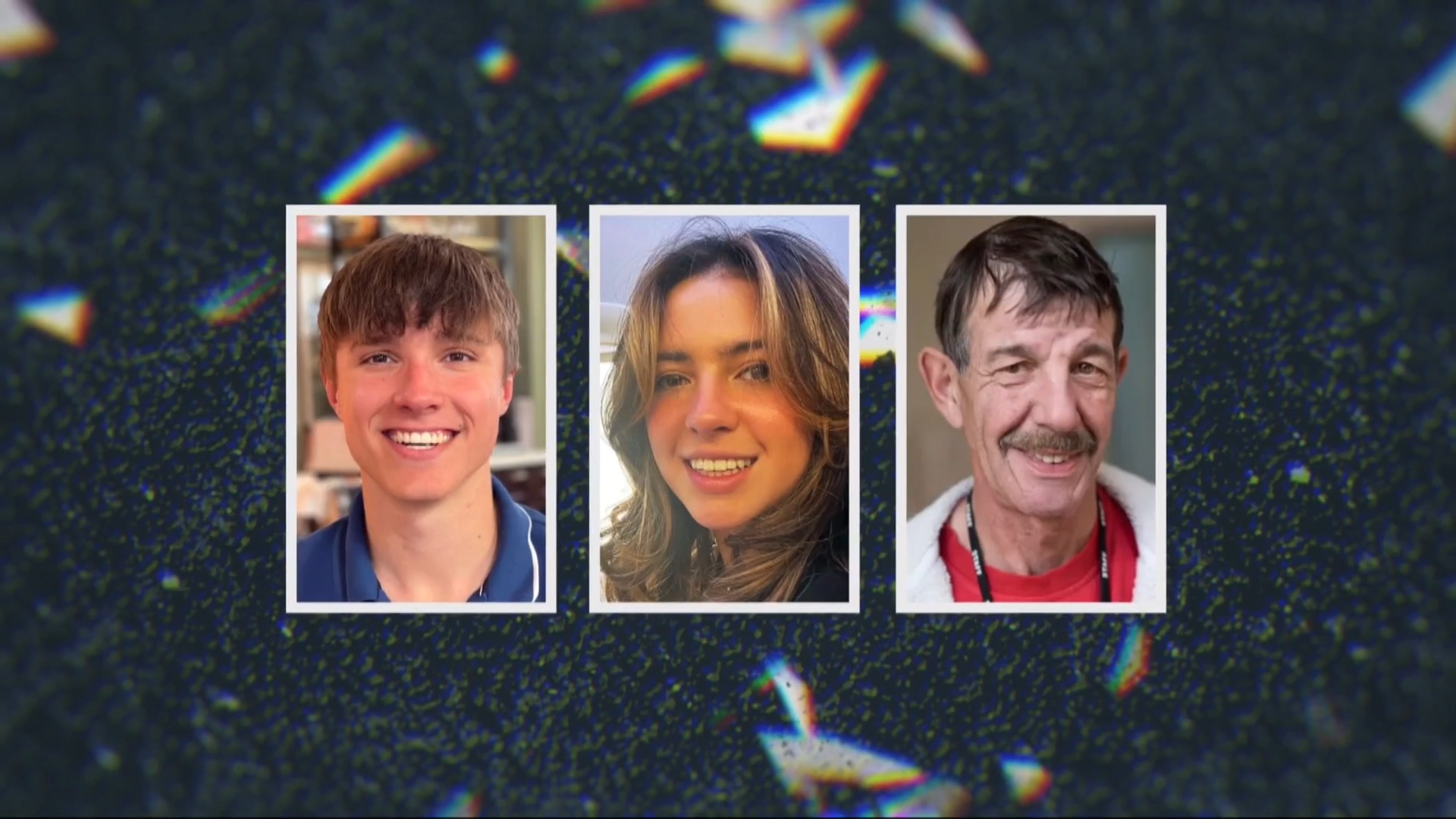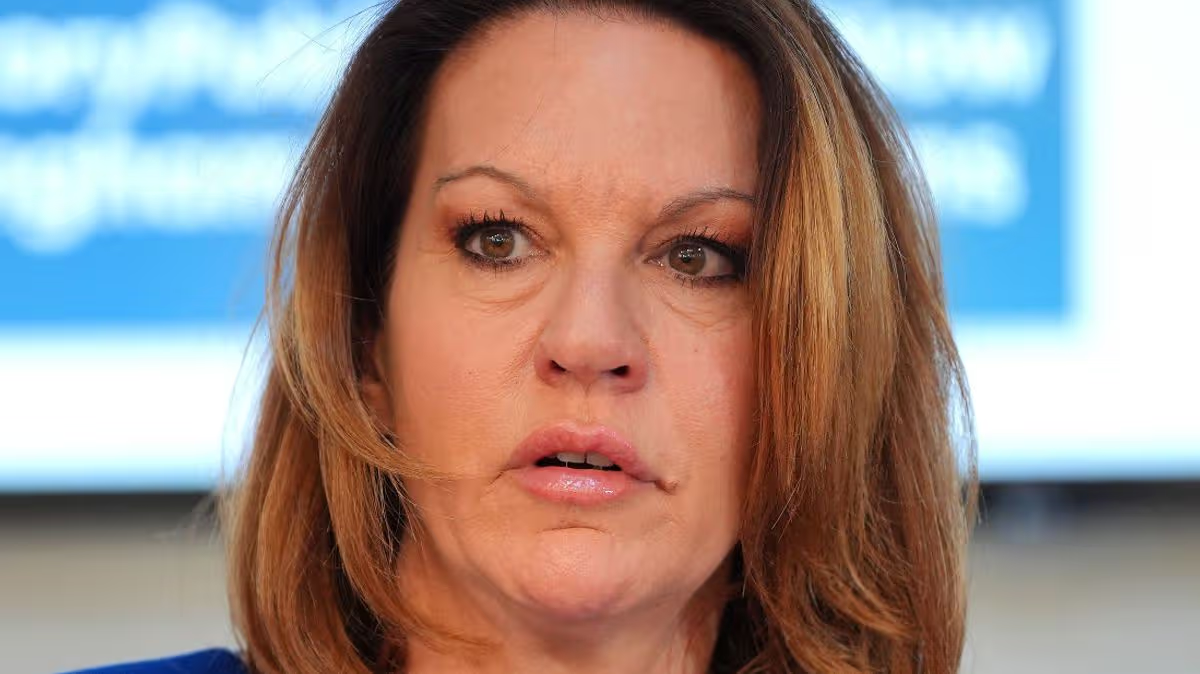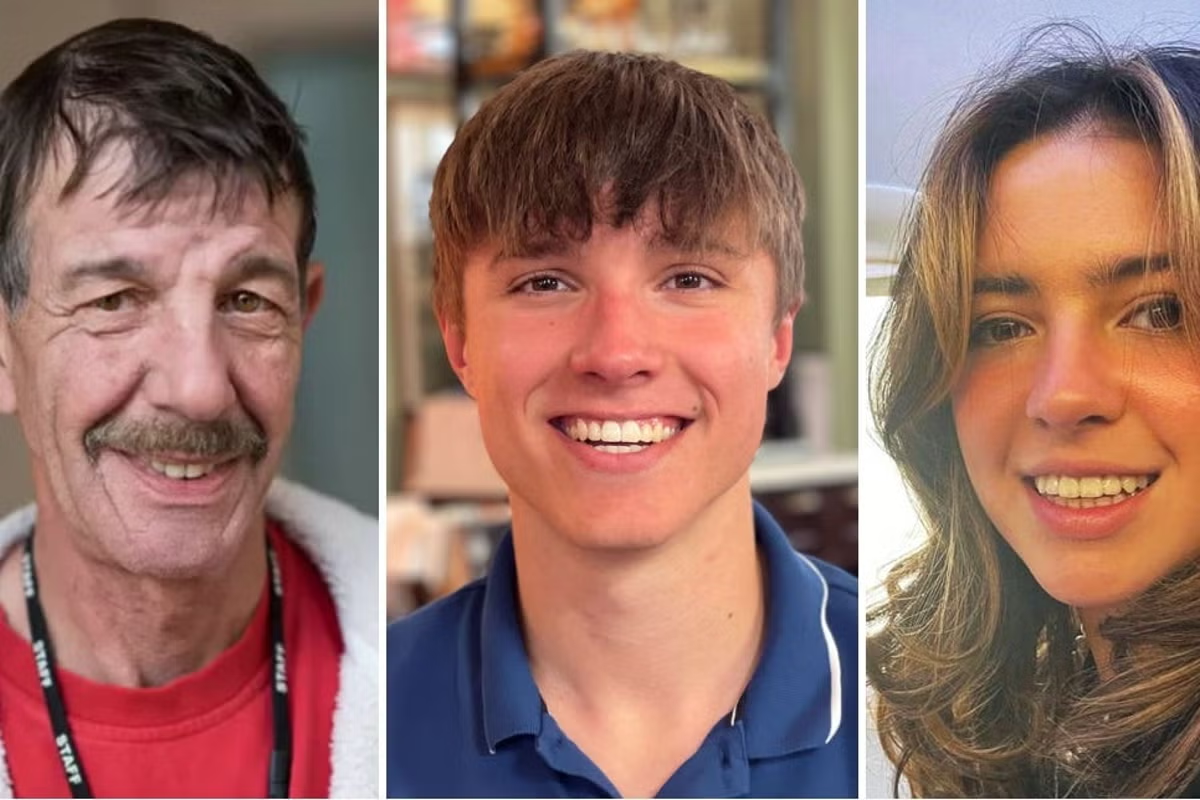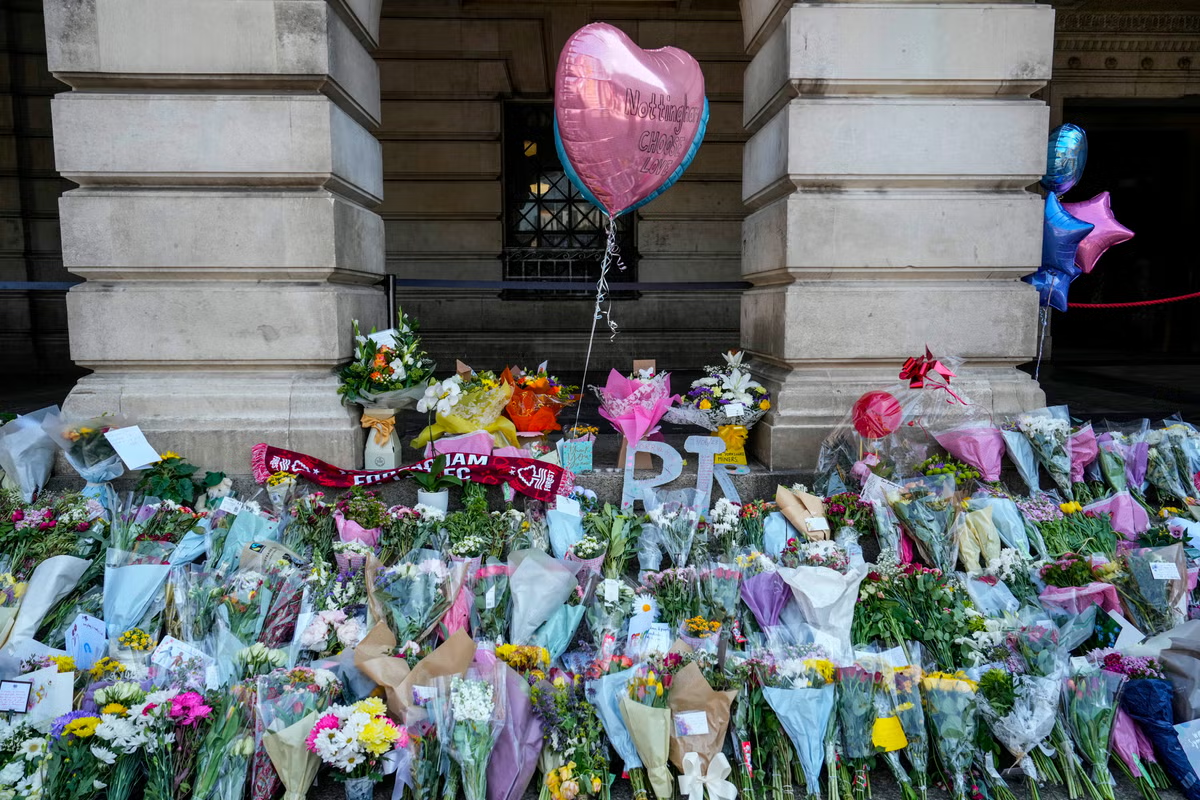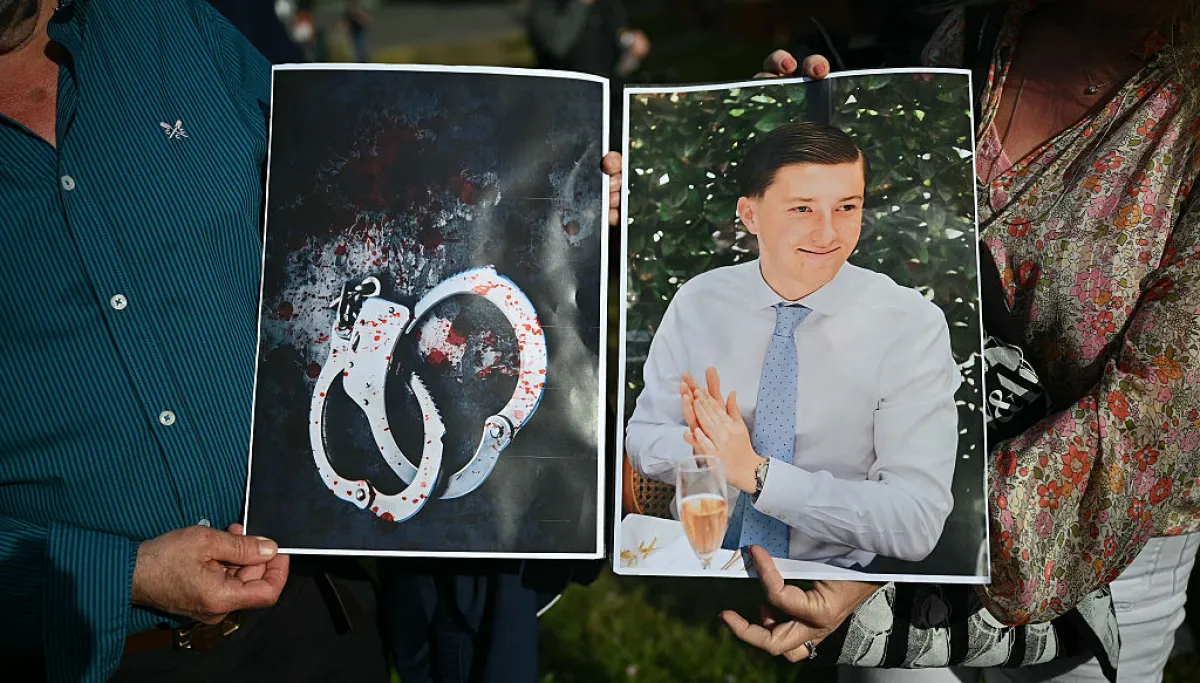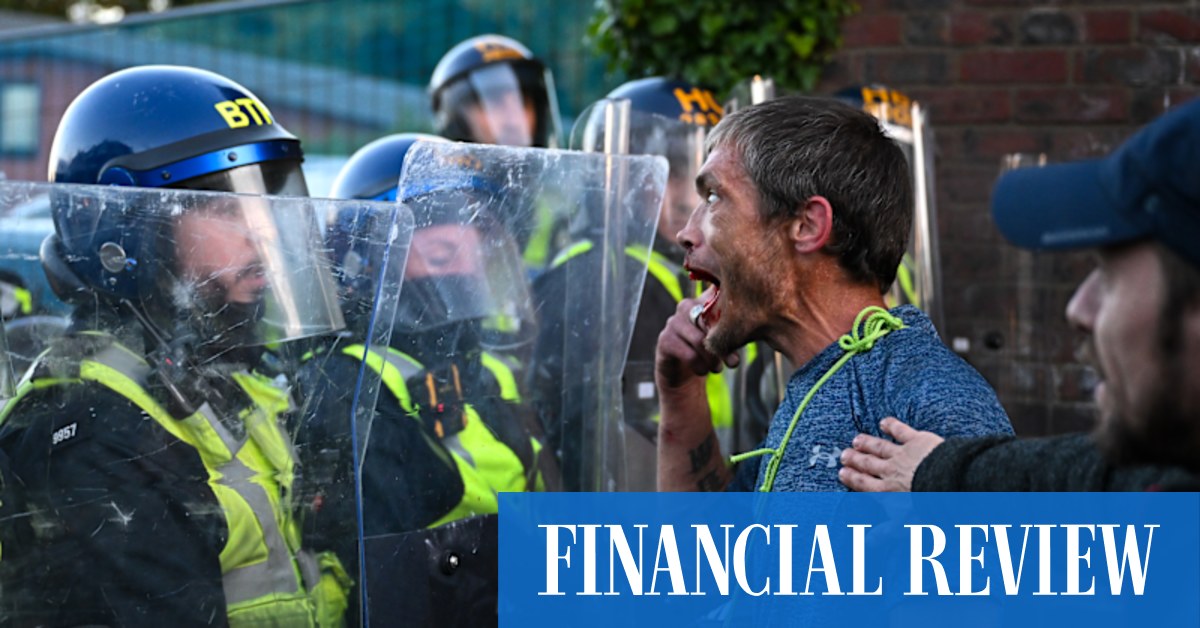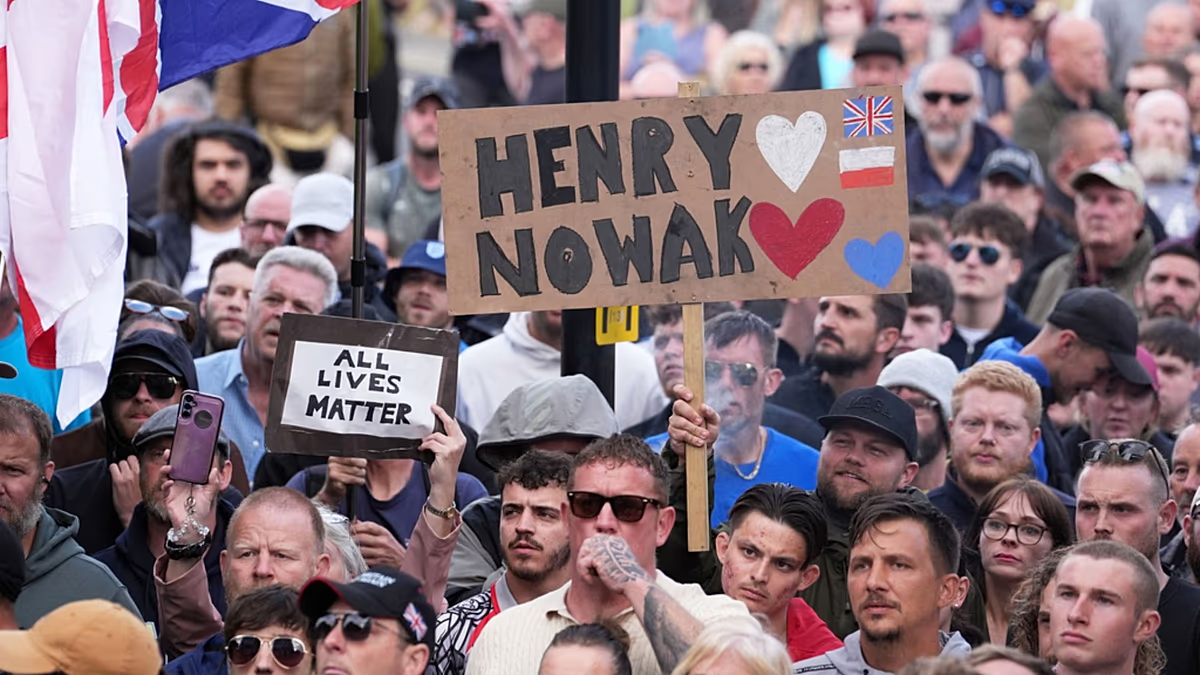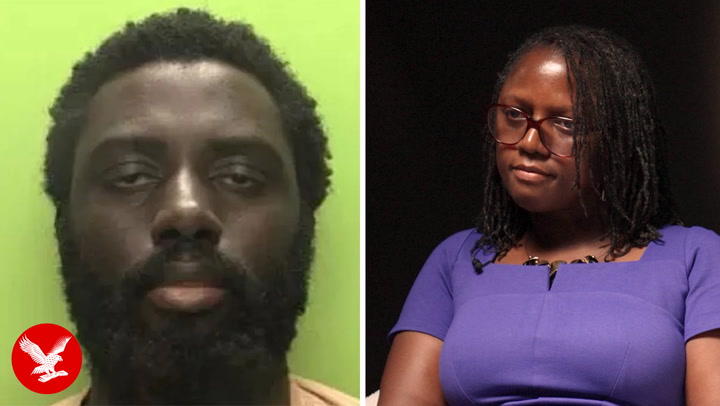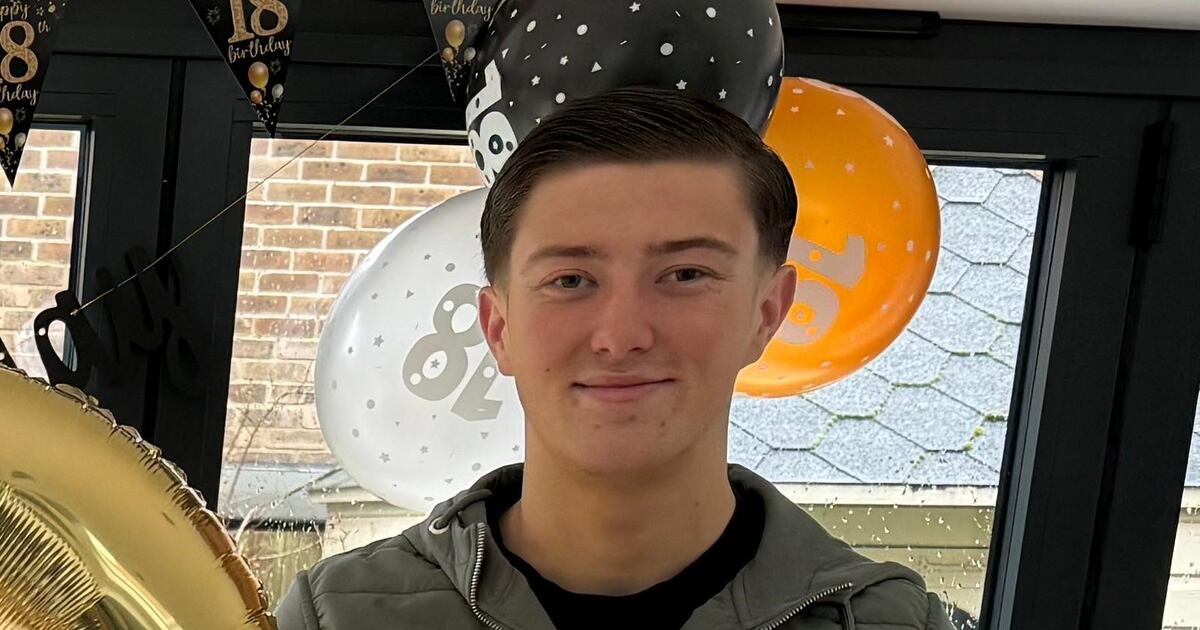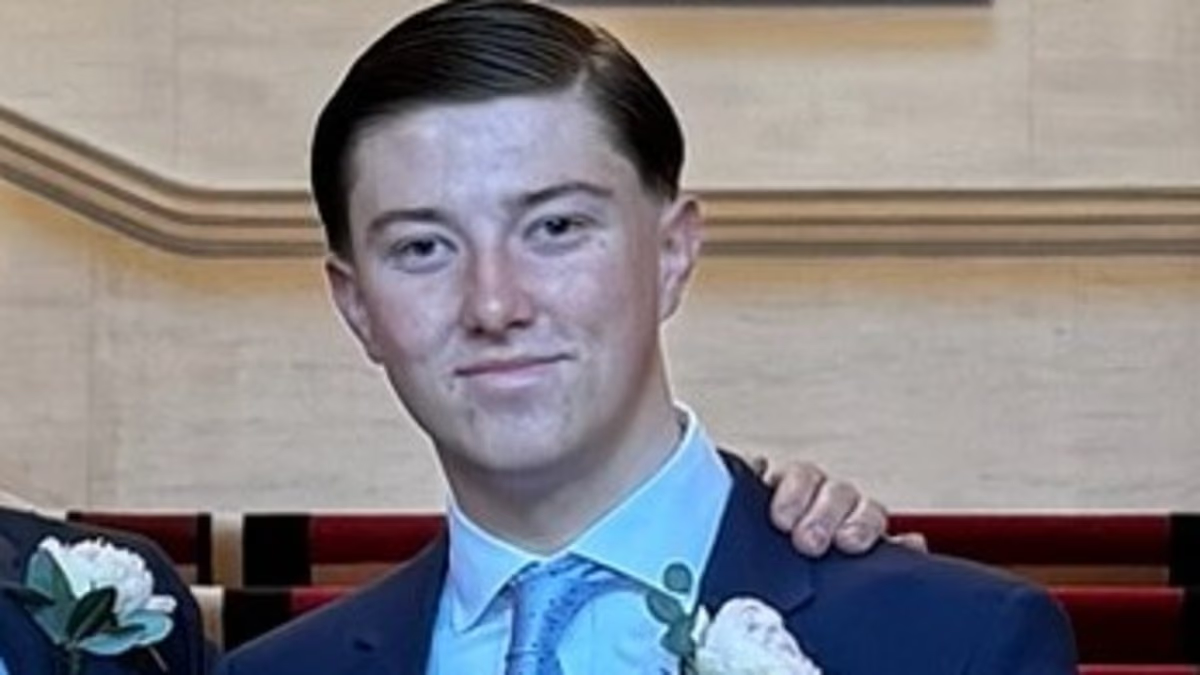
What do the 2023 Nottingham murders, the Southport slaughter of three little girls in 2024 and the fatal stabbing of Henry Nowak in 2025 have in common?The tragic answer is that all these victims were killed by young men who, in one way or another, were already known to the authorities. Valdo Calocane, Axel Rudakubana and Vickrum Digwa had all appeared on the radars of police, social services or other agencies before they struck. Yet they slipped through the system – in some cases, due to sheer incompetence, and in others a culture of political correctness that meant those involved were reluctant to act for fear of being branded racist.This week, Emma Webber – whose son Barnaby was killed by Calocane – spoke after the end of hearings at the inquiry into her son’s murder by a mentally unhinged man in and out of police and hospital cells who, even after being diagnosed by a professional psychologist as ‘so dangerous he could kill’, was set free to do just that.She said it revealed a ‘catastrophic collapse of responsibility’ and an ‘undoubted miscarriage of justice’.Emma claims that, had the police and social services done their jobs properly, her child could still be alive today.It was Barnaby’s mother I was thinking of as I watched The Witness on Netflix this weekend. The hit mini-series is based on the savage murder of Rachel Nickell on Wimbledon Common in 1992, a young mum on her daily walk with her child and their dog, and the ensuing botched police investigation.The new drama is accompanied by a documentary, The Murder of Rachel Nickell – told through the eyes of her mixed-race partner Andre Hanscombe, dad to their son Alex, who was just three when Rachel was killed. He wonders, as many on social media have done in the wake of the murder, whether his colour had something to do with the police’s now legendary incompetence in finding Rachel’s killer Robert Napper, a paranoid schizophrenic who they had investigated in connection with a series of violent sexual attacks in south-east London.Henry Nowak, 18, was fatally stabbed in Southampton in December by Vickrum Digwa, who falsely claimed he had been racially abused and had acted in self-defence Emma Webber, whose son Barnaby was killed by Valdo Calocane in Nottingham in 2023 She claims that, had the police and social services done their jobs properly, her child could still be alive todayIt made me think about those days in the nineties when accusations against the police were justified. And how, in three short decades, we’re in the same position – but the other way around.The cack-handed police investigation into Rachel’s murder first rounded on Colin Stagg, a quiet, unemployed man from Roehampton who often walked his dog on the Common. Though police claimed he was a fit for a psychological profile developed by criminal psychologist Paul Britton, there wasn’t a shred of forensic evidence linking him to the crime.And so, in their wisdom, they cruelly attempted to catch Stagg with a honey trap to extract a confession. And when they failed, Stagg was arrested and charged with murder anyway – until the judge threw the case out before it reached a jury and the case collapsed.It was over a decade later that DNA technology pointed police in the direction of Robert Napper.Police had failed to arrest Napper earlier due to a catalogue of errors investigated by the Independent Police Complaints Commission, which concluded there were ‘major investigative failures’, a ‘poor handling of intelligence’ and ‘tunnel vision’, even after Napper’s own mother reported him to police after he admitted he had raped a woman.As police bungled their investigation into Napper, he was left free to roam and rape and murder.After murdering Rachel, Napper killed, raped and mutilated single mum Samantha Bisset and her young daughter Jazmine in 1993. It is now estimated that he raped as many as 90 women. Andre Hanscombe, right, on This Morning with his and partner Rachel Nickell's son Alex... he was just three when his mother was killed on Wimbledon Common in 1992 In The Murder of Rachel Nickell documentary, Andre asks whether ‘the value of human life’ in her case was weighed differently by the authorities because they were a ‘mixed family’Yet not one single police officer has ever been held to account for their gross negligence.In the documentary, Andre asks, his sad brown eyes looking straight into the camera, whether ‘the value of human life’ in Rachel’s case was weighed differently by the authorities because they were a ‘mixed family’. After all, this was 1990s Britain, where mixed marriages were far rarer than they are now, and often frowned upon.‘At the end of it, we can’t help but feel that race has played an important part,’ his son Alex, now 34, adds. He believes his father’s race was the reason it took police nearly 30 years to find Rachel’s killer.I fear he may be right. Which raises the question: how have police gone so far in the other direction, where ethnic minorities are now treated with undue leniency in too many cases? And more importantly, how are they still overlooking violent suspects known to them?As we have seen in the cases of Calocane, Rudakubana and Digwa, they haven’t learnt their lessons either.Cops are still hamstrung by racial bias – even if the other way round. They are still ignoring violent criminals known to them. And they are still making unforgivable mistakes, which have delayed justice for so many families across the country.Is it too much to ask for police to be genuinely colour blind? Not racist, not ‘anti-racist’, just fair.
Is it too much to ask for police to be genuinely colour blind?
What do the 2023 Nottingham murders, the Southport slaughter of three little girls in 2024 and the fatal stabbing of Henry Nowak in 2025 have in common?
937 words~4 min read