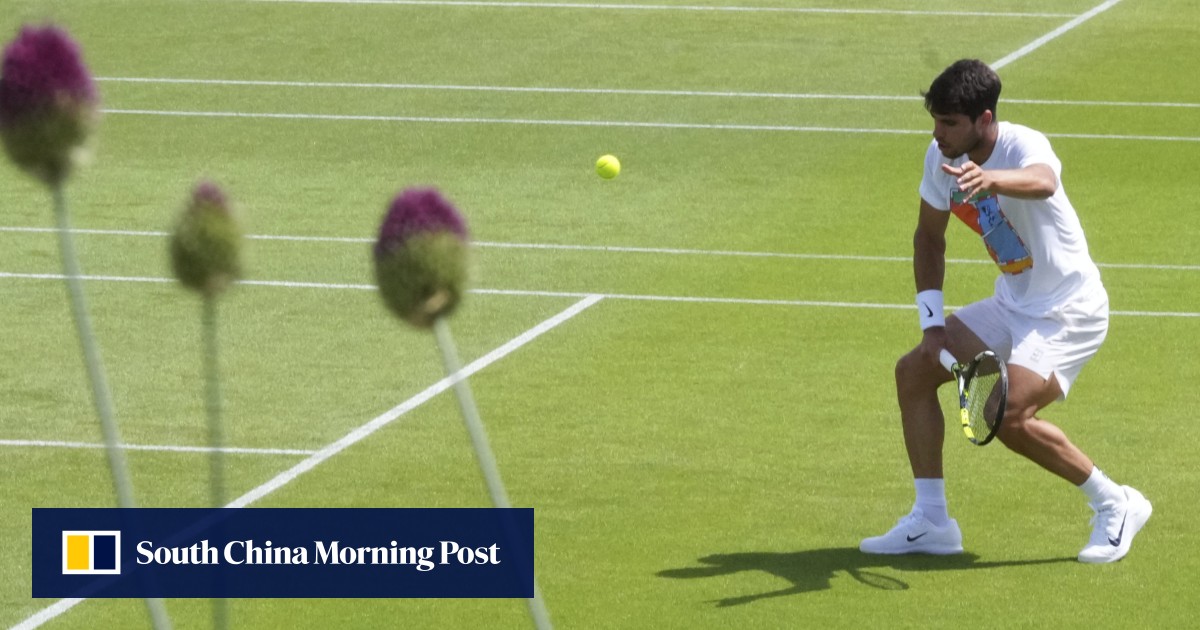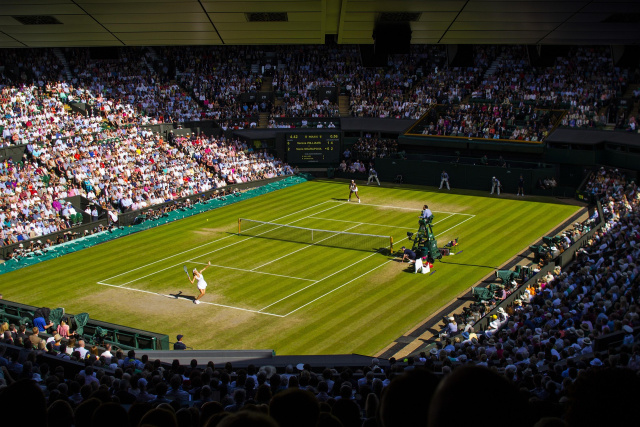
Explore why Wimbledon is so unpredictable, from grass-court conditions and short rallies to player form, rankings, weather, and changing match dynamics.
Wimbledon is widely regarded as the most prestigious tournament in professional tennis, yet it remains one of the hardest to predict. While rankings, recent form, and Grand Slam experience usually matter, grass courts completely change the normal rhythm of the sport. The tournament’s unpredictability stems from a compounding mix of rapid surface speed, incredibly short preparation time, shifting weather conditions, tricky player movement, and the immense pressure of competing at tennis’ most historic venue. Unlike clay or hard courts, which often reward defensive baseline grinding, grass heavily rewards quick reactions, strong serving, sharp forward movement, and the ability to adapt instantly to an unpredictable environment.
Why Grass Makes Wimbledon Different
Grass is traditionally the fastest and lowest-bouncing surface used at the Grand Slam level, a physical reality that alters almost every part of a match. Because grass possesses lower friction than clay, the ball retains its horizontal velocity while the soft turf absorbs the vertical bounce. This creates a skidding effect where the ball shoots through the court, giving players far less time to react.