On the courts, around the grounds and on television, changes are afoot for British tennis’s big fortnight
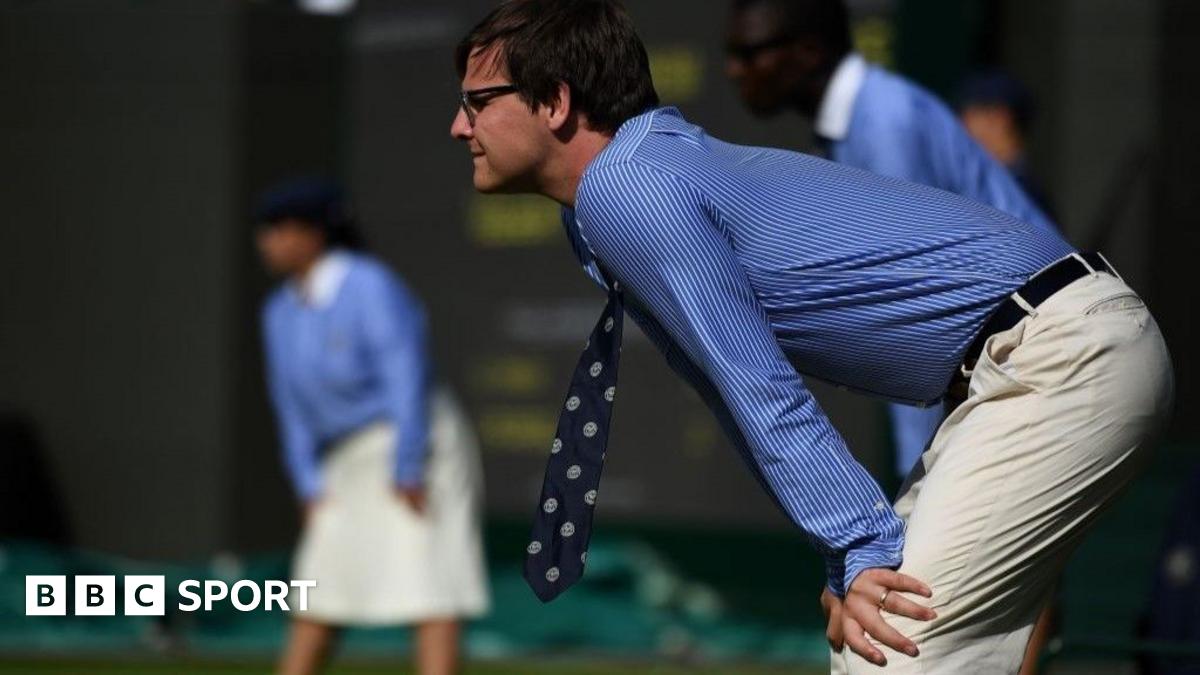
The most notable change at this year’s championships brings it in line with the majority of ATP and WTA tournaments, along with two of the other three grand slam tournaments: the abandonment of line judges in favour of electronic line calling. The technology allowing challenges was first introduced in 2007, but will now be utilised to automatically call all outs, faults, and foot faults. Wimbledon say the system is almost failsafe, and that in the qualifying at Roehampton this year it broke just once for one point. For longer malfunctions, they have a team of reserve line judges on hand. They are among a team of 80 match assistants, with two on each court helping with tasks including escorting the players for toilet breaks. The traditional start time of 2pm for the women’s and men’s singles finals is also set to change, beginning at 4pm, following the day’s doubles finals, as opposed to preceding them. This is also in line with other grand slams.
The total prize money pot is rising 7% to £53.5m. The men’s and women’s singles champions will both receive £3m, up from last year’s £2.7m, an increase of which makes winning at SW19 the most valuable of all four grand slams. Players who lose in the first round receive £66,000, an increase of 10%. The players may enjoy the changes to the players’ building, with an all-new restaurant and upgraded outdoor terrace. With only four previous winners in the draw on the women’s side, and just two in the men’s competition, there’s a high chance a new winner takes home the increased riches. There have been eight different women’s singles winners in the last eight Wimbledons.