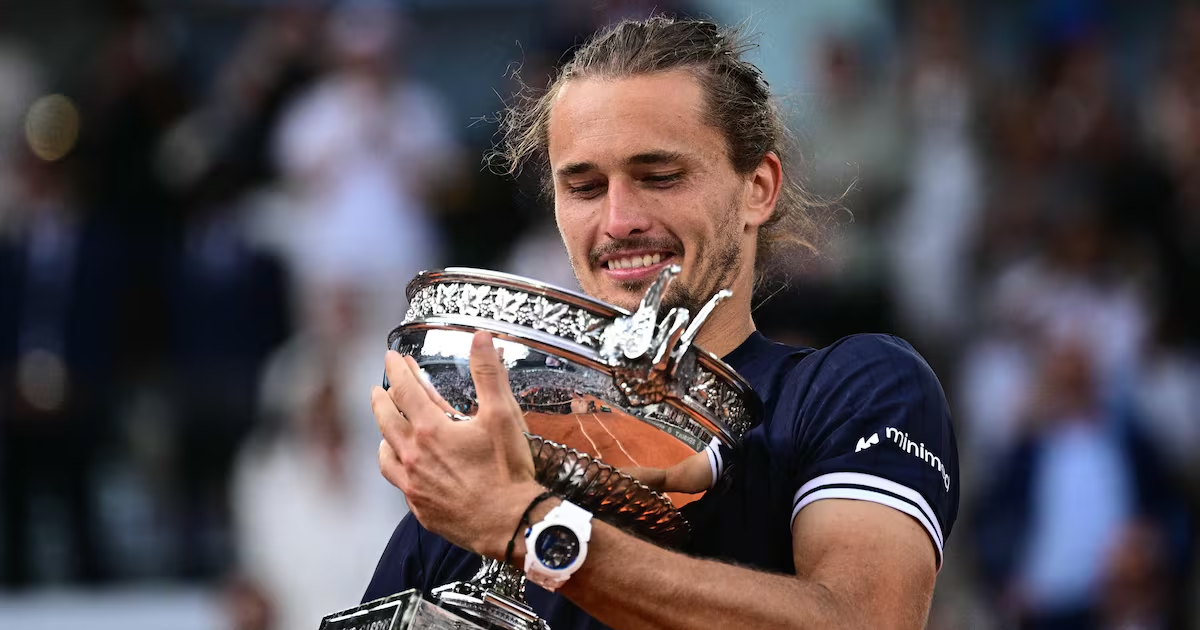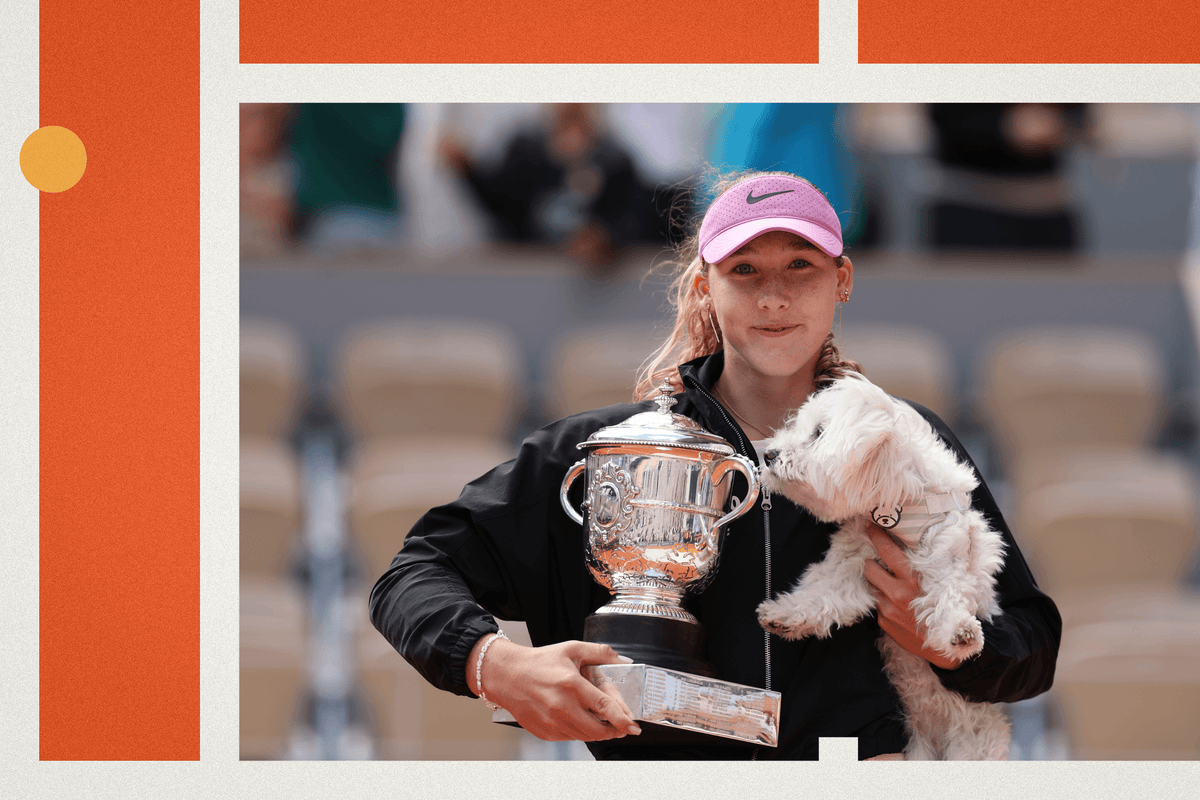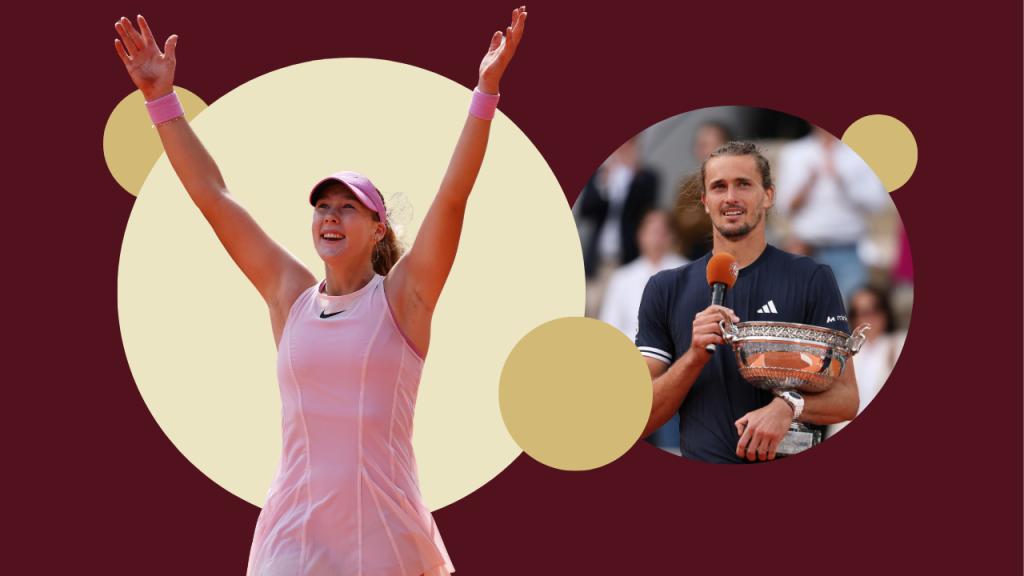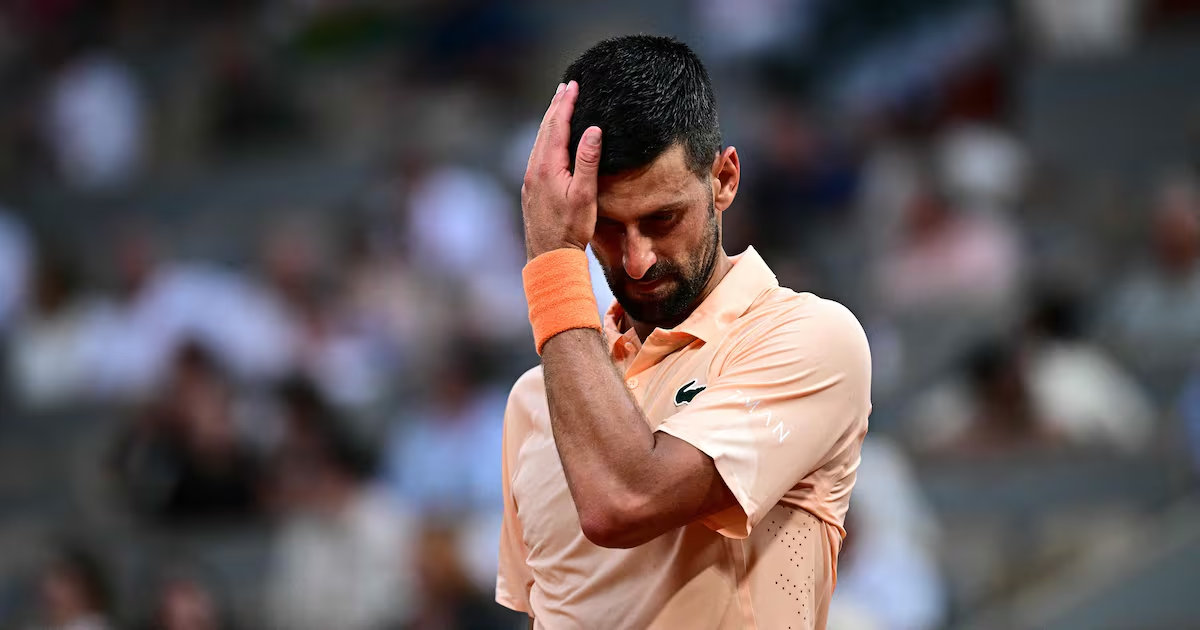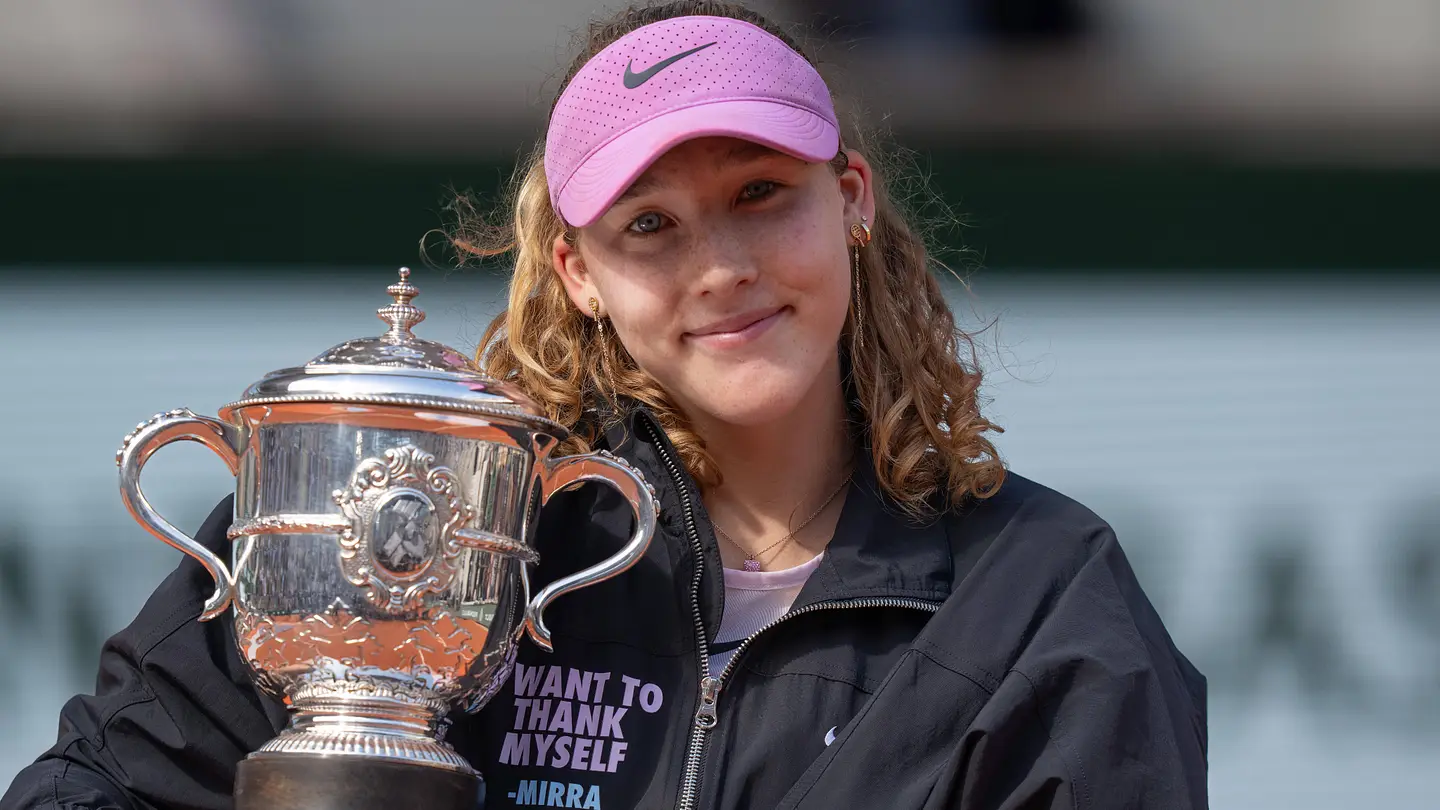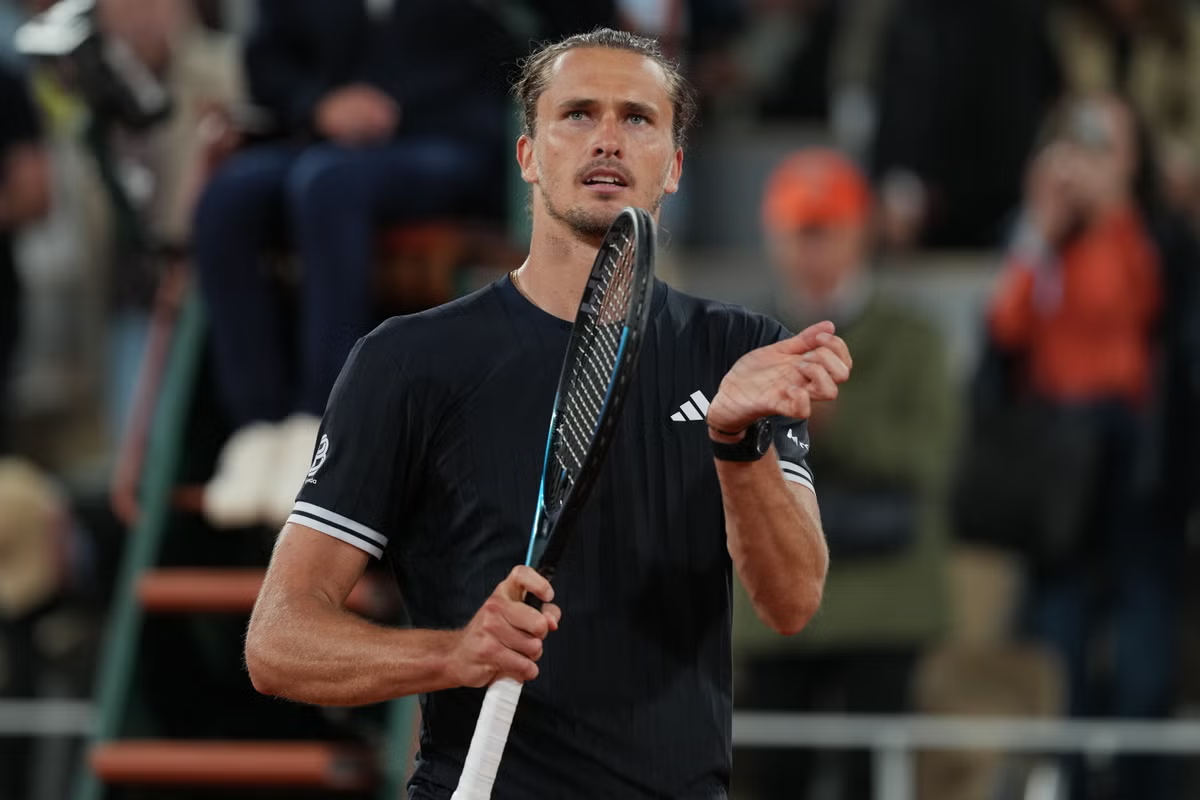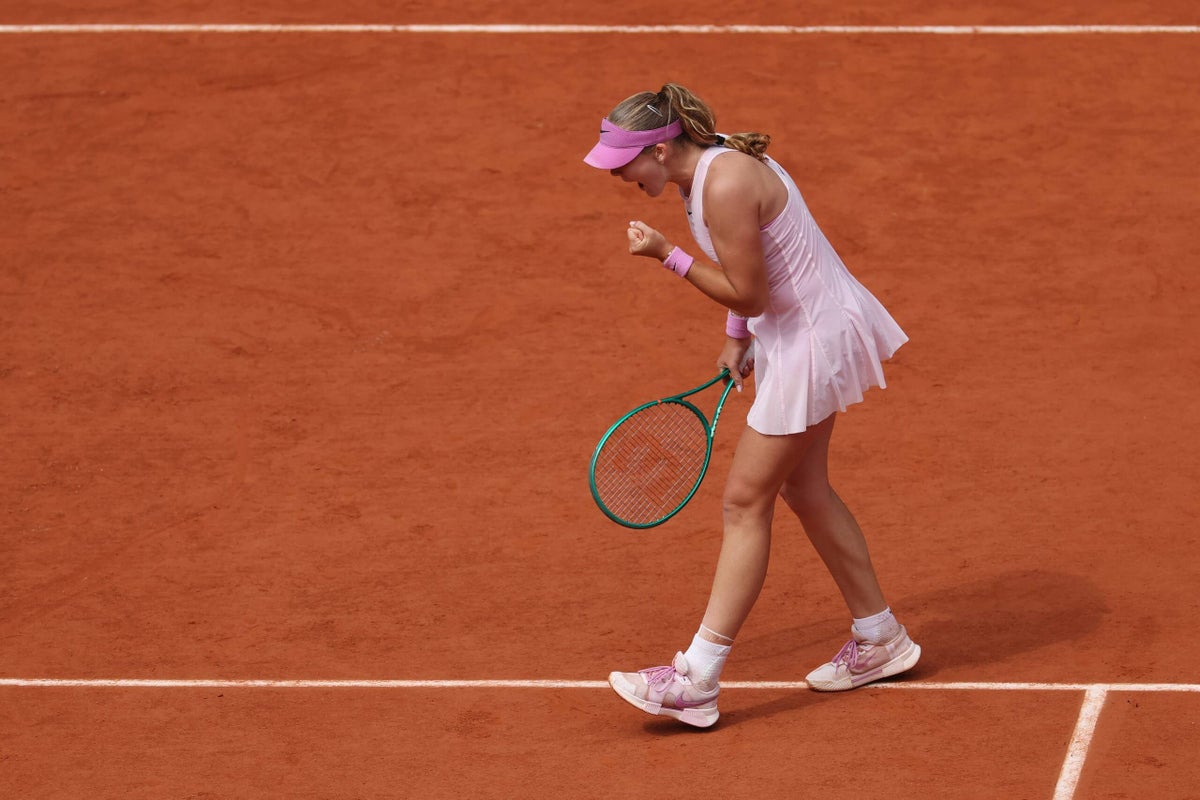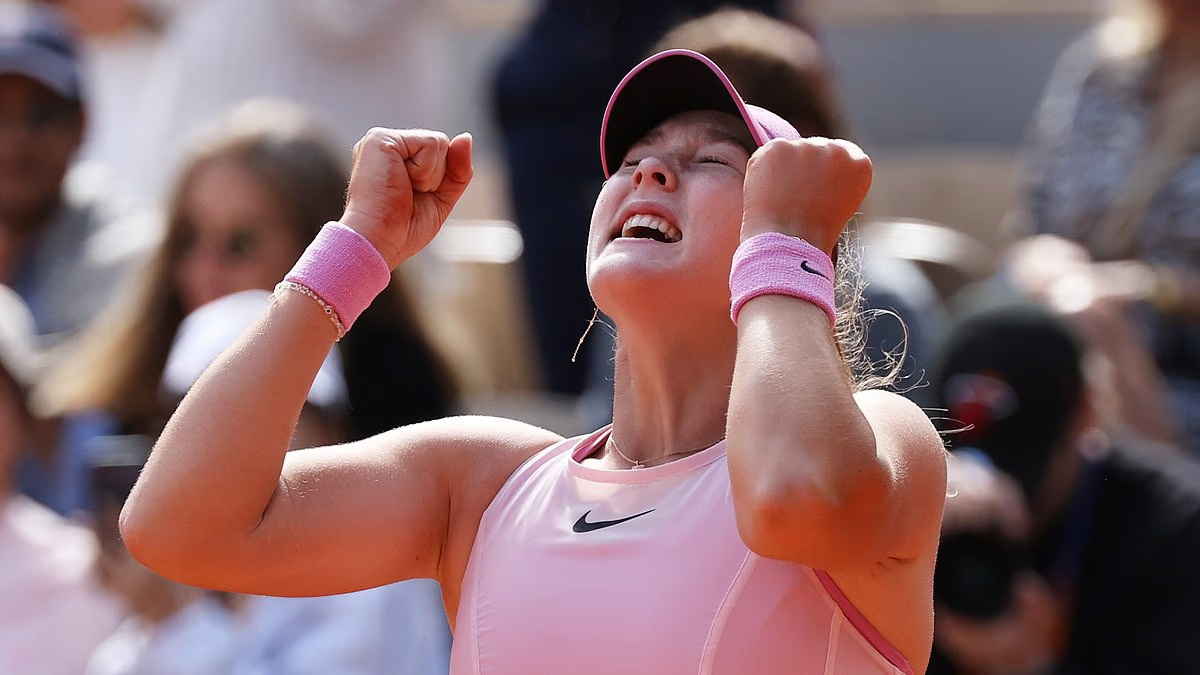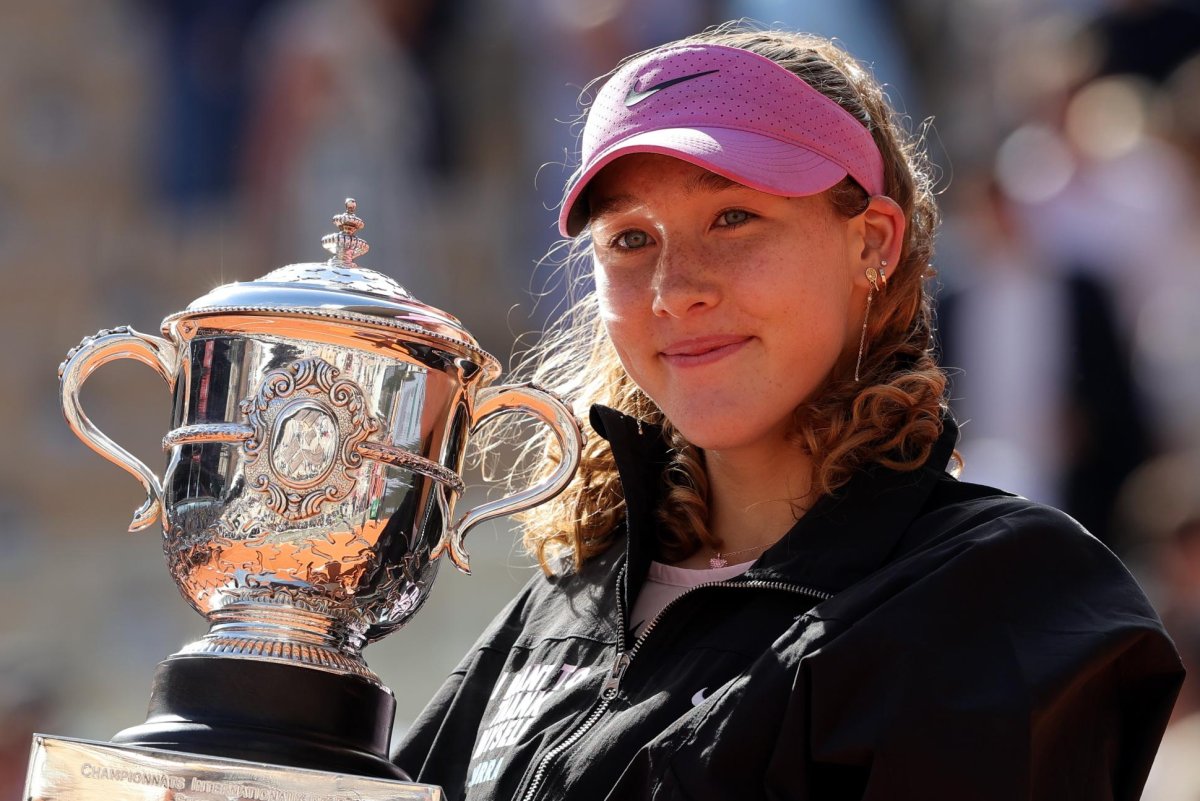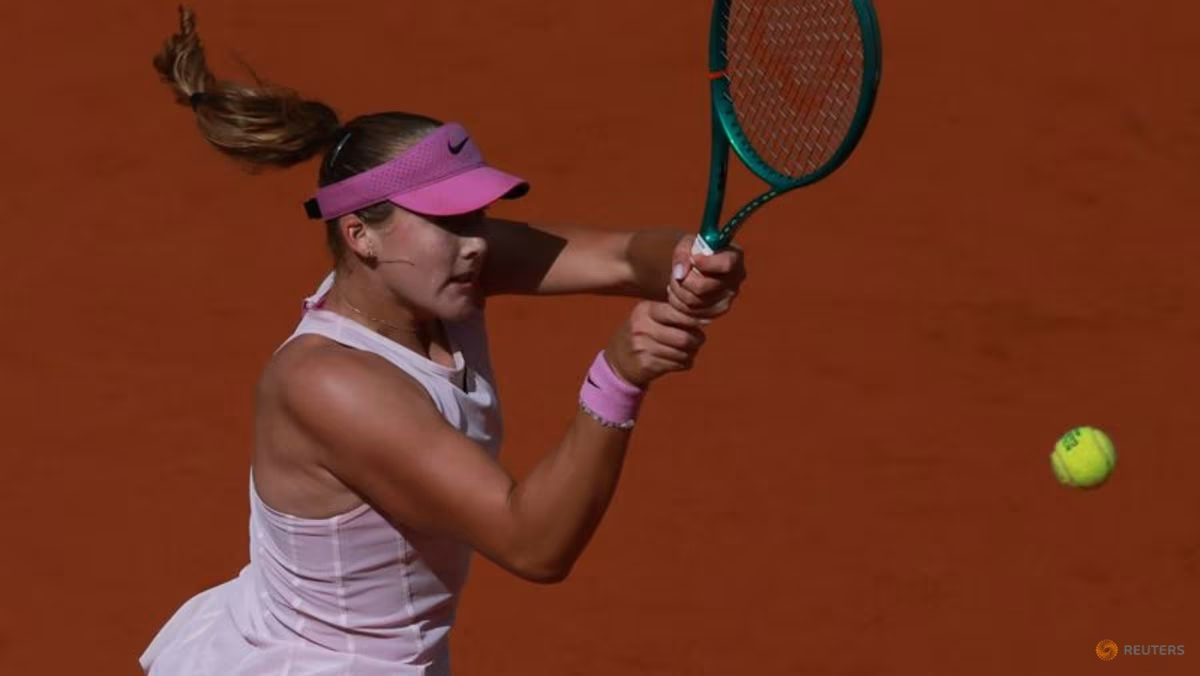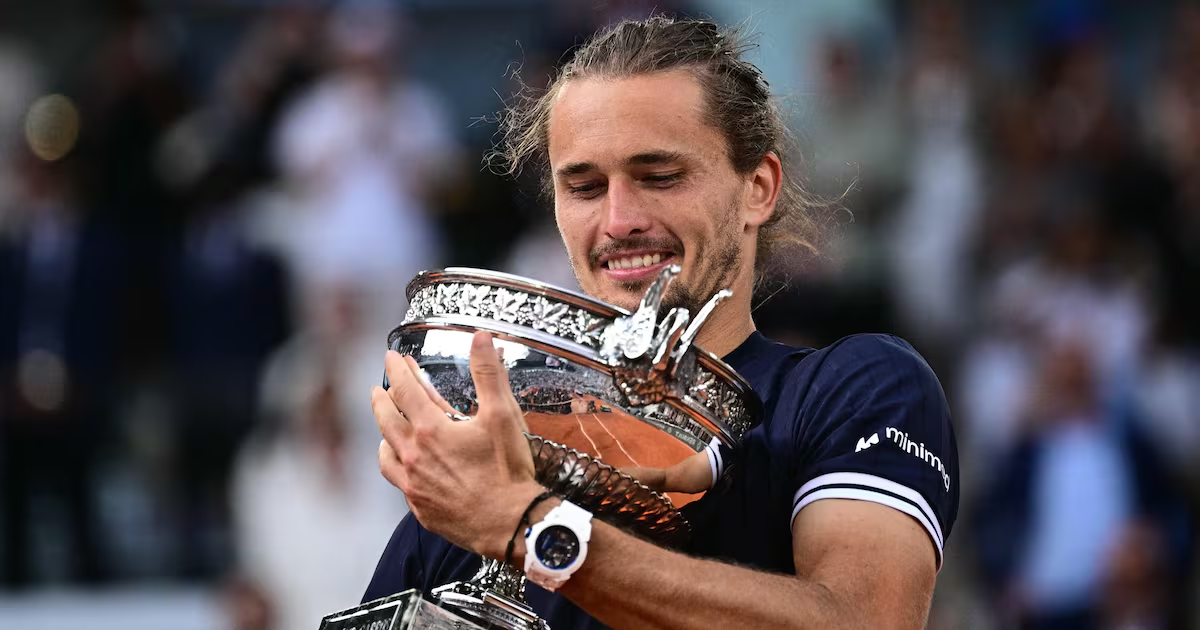
The wildest Grand Slam in recent history came to a close on Sunday with Alexander Zverev and Mirra Andreeva crowned Roland Garros champions over the weekend in Paris.While a No 2 seed and a No 8 seed winning the singles titles at a major is not surprising, the majority of what happened up to that point certainly was.Here’s a look back at the French Open fortnight, and some of the shocking and chaotic moments that defined it.The protestThe drama began at Roland Garros before a single ball had even been struck in the main draw. A little over a year ago, a group of the top ATP and WTA players launched a Player Power campaign in an effort to get the Grand Slams to: give them a fairer share of their revenues, to provide meaningful contributions to player welfare programmes, and to create a player consultation process for big decisions involving the majors. With little to no progress made on all three fronts entering this year’s French Open, the players planned a form of protest during Media Day, which takes place in the two days leading up to the start of the tournament. Most of the top players agreed they would limit the time they spent fulfilling their pre-tournament media duties to just 15 minutes, with the number 15 symbolising the 15 per cent they were getting from overall tournament revenue, according to their estimations, which is well below the 22 per cent they are asking for. The press conferences were mostly unaffected, but many top players limited their interactions with the Roland Garros content team and the tournament’s broadcast rights holders in order to make a point. Roland Garros organisers acted relatively fast after the protest and, according to sources close to the matter, have indicated a willingness to engage seriously and offer a response on all three areas in the coming weeks. Tournament director Amelie Mauresmo and French Tennis Federation president Gilles Moretton both said on Sunday they were “not worried” about a potential future boycott from the players, with Moretton adding: “As far as Roland Garros is concerned, we are intent on listening, we've opened doors, gates.”The heatwaveAn extreme heatwave in Paris lasted the entire first week of the tournament and it turned Roland Garros into a long episode of Survivor. In temperatures that regularly swayed between 30 and 35 degrees, players cramped, vomited, retired, and, overall, truly suffered on court, which was quite worrying to witness and at the very least made for very uncomfortable viewing. When tennis is reduced to who can withstand the conditions the best, it makes you wonder if a better-fitting heat rule needs to be instated by Roland Garros organisers.The upsetsIt started with sixth seed Daniil Medvedev and seventh seed Taylor Fritz losing their openers on the men’s side to wildcards Adam Walton and Nishesh Basavareddy, respectively, and fifth seed Jessica Pegula and Olympic champion Zheng Qinwen falling in round one on the women’s side to Kimberly Birrell and eventual surprise finalist Maja Chwalinska. Meanwhile, two-time Roland Garros runner-up Casper Ruud looked like he was going to pass out on the court during his brutal five-set win over Russian qualifier Roman Safiullin in the first round. Struggling with heatstroke-like symptoms, Ruud said he felt “at times really dizzy and just really tired and walking around like a zombie”. He somehow survived as Safiullin began to suffer physically as well. The drama ramped up in the second round, with the most shocking result coming in the clash between world No 1 and heavy favourite Jannik Sinner and world No 56 Juan Manuel Cerundolo. Undefeated since February and carrying a 30-match winning streak, Sinner served for the victory at 6-3, 6-2, 5-1 but ended up losing the contest in stunning fashion. The Italian appeared to be struggling physically midway through the third set and could barely move throughout the second half of the match. Sinner has had issues with the heat in the past but refused to blame his loss on the conditions, telling the press it was illness that hampered him. Not many were convinced. The previous day, Jakub Mensik collapsed on the court with agonising cramps in his five-set win over Mariano Navone and was taken to the locker rooms in a wheelchair. He later said it was “insane” to play in these hot conditions. Reigning Australian Open champion and second seed Elena Rybakina was another round two casualty, succumbing to world No 55 Yuliia Starodubtseva in three sets. Rybakina said she didn’t feel bad because of how hot it was, but more because of how the heat affected the way she played on clay. Clay is a surface that is greatly impacted by weather conditions and the heat favoured some more than others. “I just couldn't find the right balance on the ball. It was very slippery. In some moments I was just putting my legs, but it was everything out of rhythm,” said Rybakina. “Definitely when it's so hot, the ball is flying. It's very difficult to control. Especially me being always aggressive, trying to play fast and step in, if you don't give enough spin or if your hands are not as fast, the ball is flying everywhere.”In round three, a day after Sinner’s defeat, Novak Djokovic joined the top seeds exodus, squandering a two-sets-to-love lead to lose in five to Brazilian teenager Joao Fonseca. It was just the second time in Djokovic’s entire career that he lost from 2-0 up, and the first since 2010. By the end of week one, only two top-10 players had made it through to the fourth round on the men’s side: Zverev and Felix Auger-Aliassime. In the women’s event, top-seeded Aryna Sabalenka saw her run of six consecutive slams where she reached at least the semi-finals come to an end at the hands of Diana Shnaider in the last-eight stage. The Belarusian was leading by a set and a double-break before she bizarrely lost the last 10 games of the match. The nervesDjokovic’s exit meant that a new Grand Slam champion would be crowned on the men’s side – a rarity on the ATP Tour given the last 15 majors were won by one of Djokovic, Sinner, or Carlos Alcaraz, who didn’t play in Paris due to a wrist injury. As the oppressive heatwave began to lift, a different kind of weight descended on the remaining men in the draw in the form of extreme nerves at the mere thought of possibly becoming a Grand Slam champion. Andre Agassi described it best on TNT, saying: “Poker’s not a card game with people, it’s a people’s game with cards. Tennis has nerves, and I think nerves are taking centre stage now, and I think we’re going to see some tennis along with it.”Second week was dominated by lengthy battles that swung from one side to another and the men’s tournament ended with a 32nd five-set match of the fortnight. Zverev ultimately handled the occasion better than the rest, although he admittedly began cramping because of nerves during his fourth set against Flavio Cobolli in the final. “I was just very tight today. I honestly feel like I've managed the last two weeks extremely well, because with all the losses that happened early on with Jannik going out, with Novak going out, I managed to stay composed, I managed to stay calm in my mind, and I feel like I was playing really, really good tennis,” said Zverev on Sunday. “But then today I feel like I didn't manage so well. I feel like the match was a lot more up and down.”The injuries and illnessesOne of the toughest moments to witness at this Roland Garros was the devastating knee injury Hailey Baptiste suffered in her second round against Wang Xiyu. Seeded at a Grand Slam for the first time and coming off an impressive run in Madrid, where she beat world No 1 Aryna Sabalenka, Baptiste was picked by many as a possible contender in Paris but the American landed wrong on her leg after hitting a forehand and tore her ACL. Baptiste, who was entered in doubles with Venus Williams but pulled out injured, had surgery to repair the damage to her knee and is out for the rest of the season. Meanwhile, two different players saw their French Opens come to an end by sustaining injuries due to objects placed at the back of the courts. Turkey’s Zeynep Sonmez was sprinting back to reach a lob during her doubles second round when she crashed into the small Lacoste advertising boards lining the back of Court 6 and fell to the ground. She was forced to retire from the match citing injury and later said she “left the court with two stitches and a bruised knee”. Earlier, Belgium’s Alexander Blockx, who was enjoying a breakthrough clay season, with impressive results in Monte Carlo and Madrid, said he had to withdraw ahead of his Roland Garros second round with Alex De Minaur because he sprained his ankle during practice by tripping on the tarp used to cover the court that is folded and placed at the back of the court. Another real gut punch came last Friday when Matteo Arnaldi, who had spent a record 19 hours and 42 minutes on court in Paris en route to his first Grand Slam semi-final, had to withdraw from his last-four clash with fellow Italian Cobolli due to a viral illness. The second semi-final didn’t take place, and since Roland Garros split the semi-finals day into two separate sessions a few years back, they had to offer full refunds to ticket holders for the cancelled match. Both Cobolli and Arnaldi came to press together, but were sat at opposite sides of the dais in what was yet another surreal moment at Roland Chaos. Final thoughtsA lot of the aforementioned events have made way for some beautiful story lines and unforgettable moments. Whether it’s Chwalinska’s surprising run to the final as a 114th-ranked qualifier, Sorana Cirstea’s career resurgence in her final year on tour, the Italian trio that made it to the men’s quarters (Matteo Berrettini, Arnaldi, Cobolli), teen duo Fonseca and Rafael Jodar stepping up to reach the last-eight stage, or Andreeva showing maturity and poise beyond her years to lift her maiden Grand Slam title at 19 – every upset comes with a special milestone for the person who delivered it. In a sport that is often accused of predictability, especially on the men’s side, this Roland Garros was shockingly refreshing.
French Open 2026: How Zverev and Andreeva emerged victorious at wildest Grand Slam in years | The National
Heatwave, protests and upsets made it one of the most memorable tournaments of recent times
1,757 words~8 min read