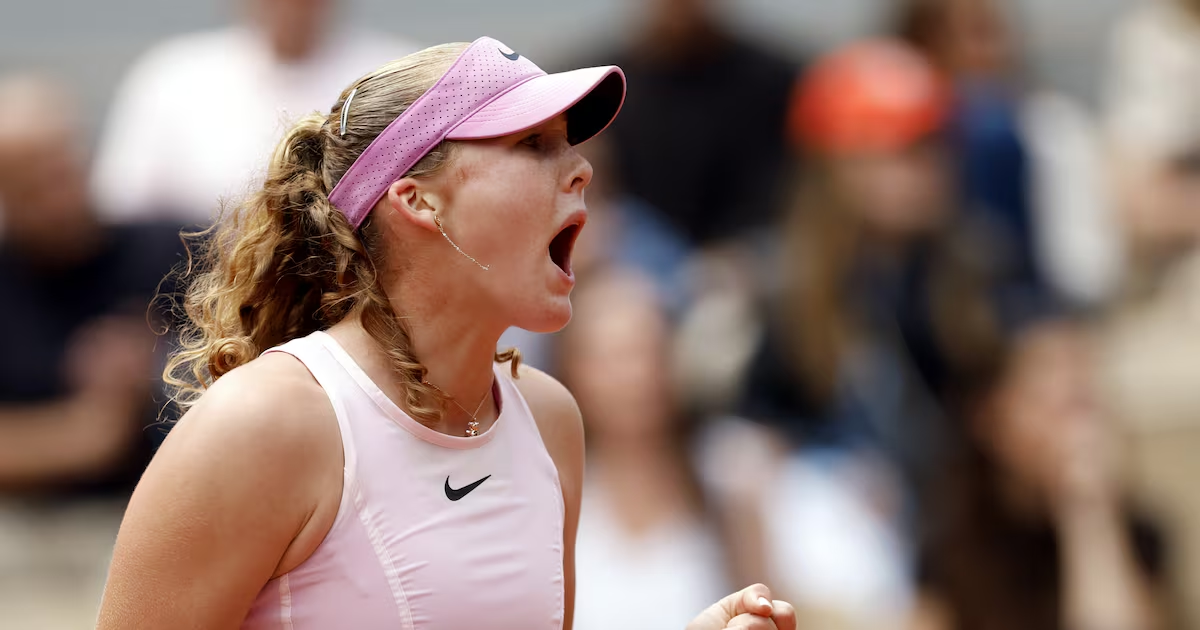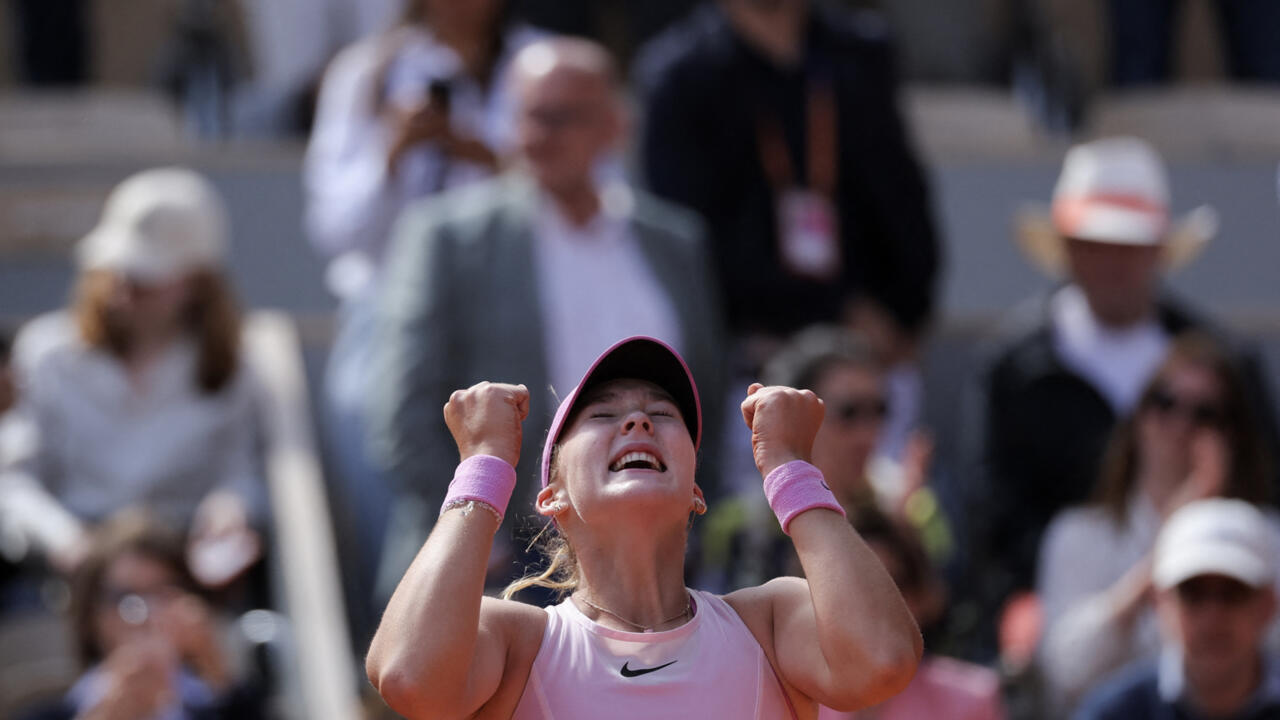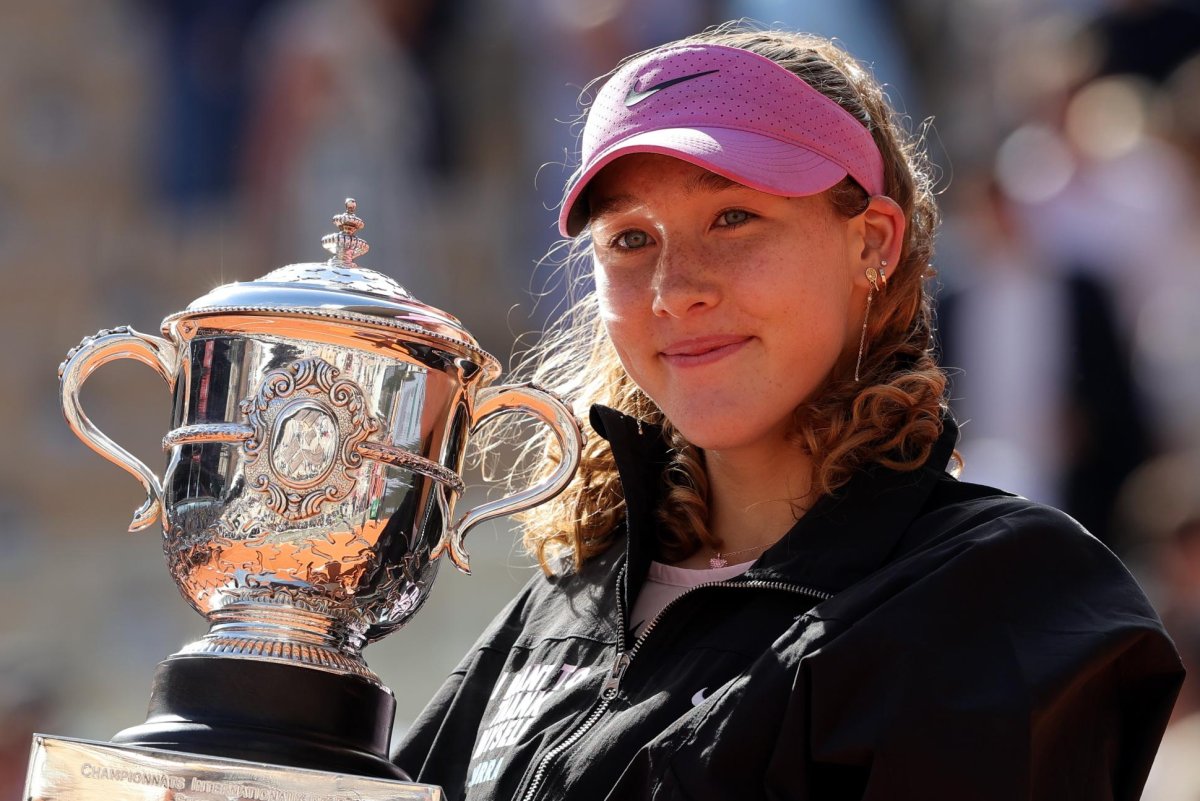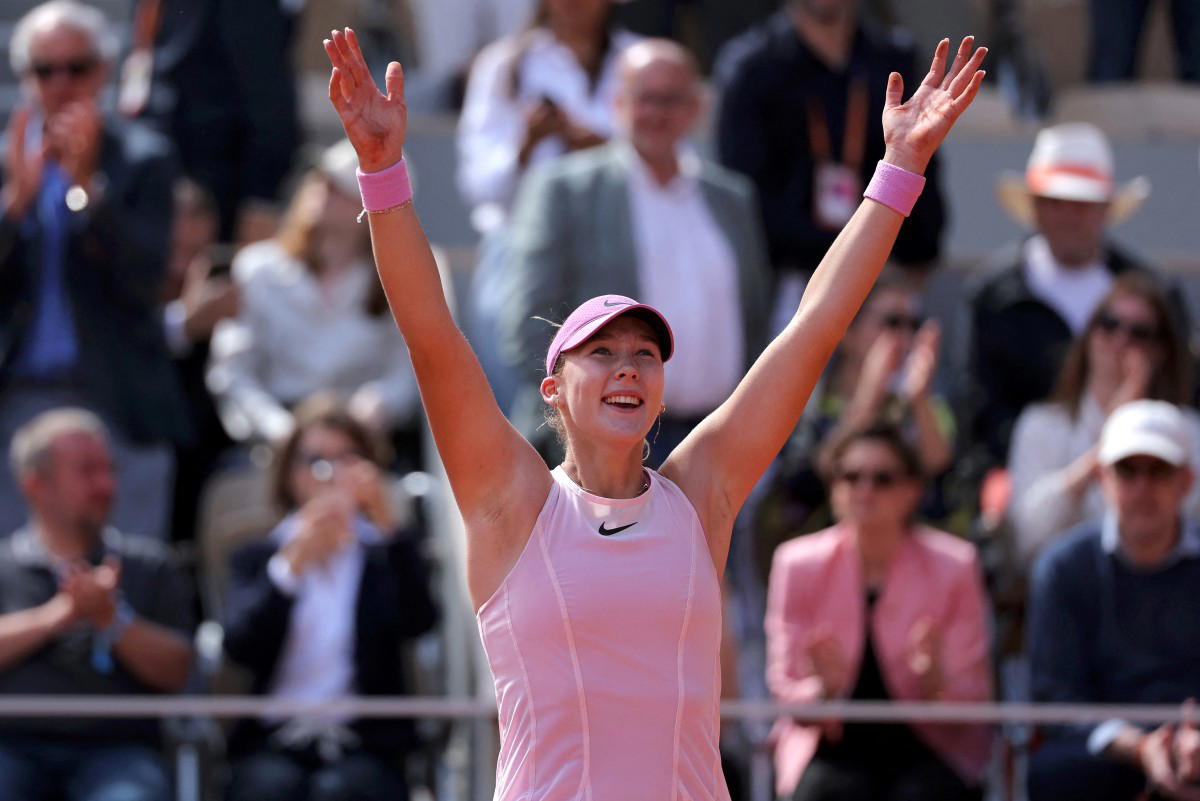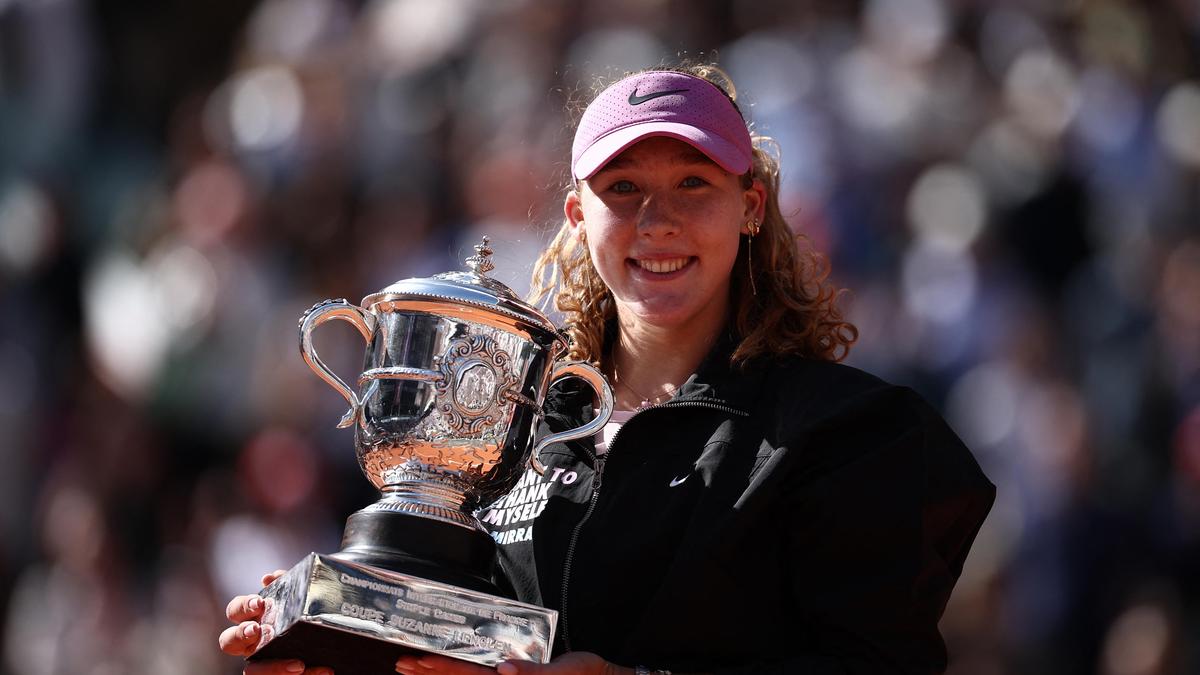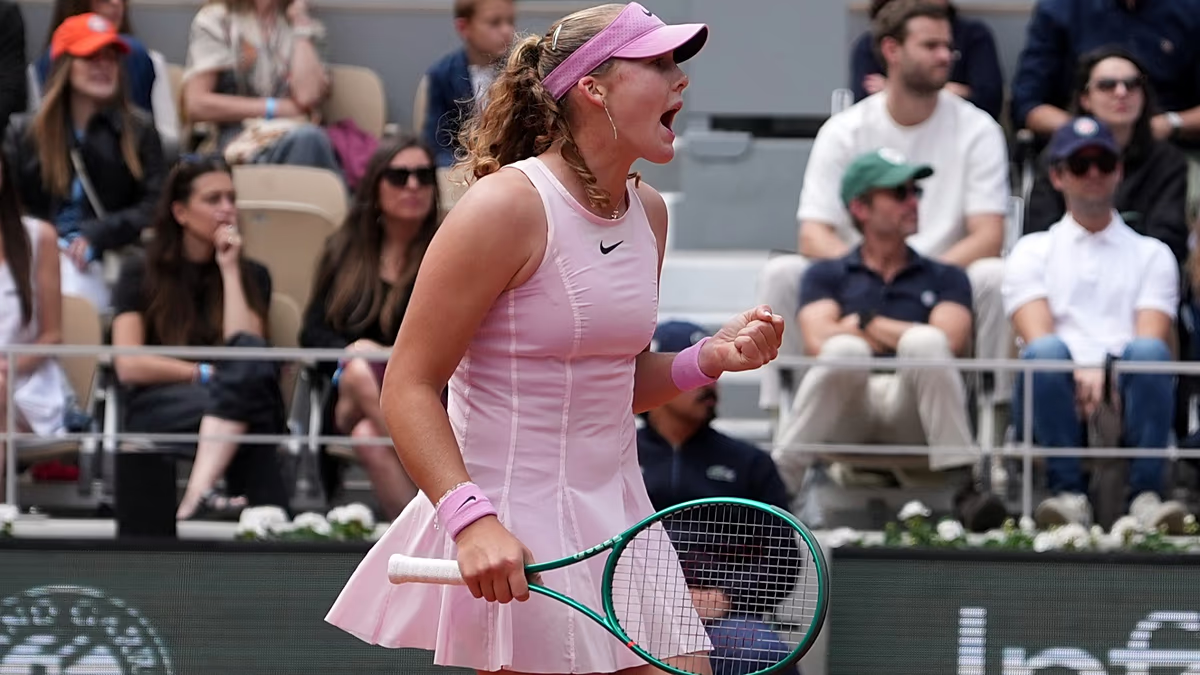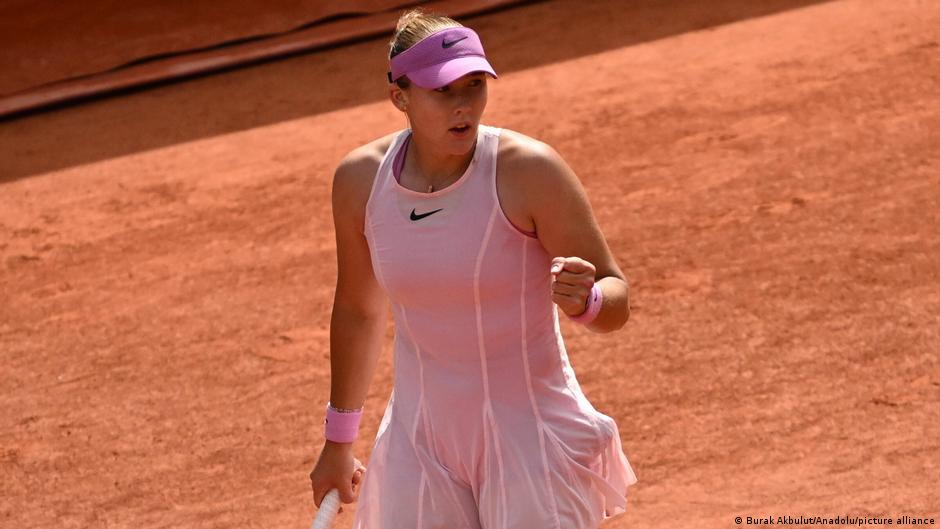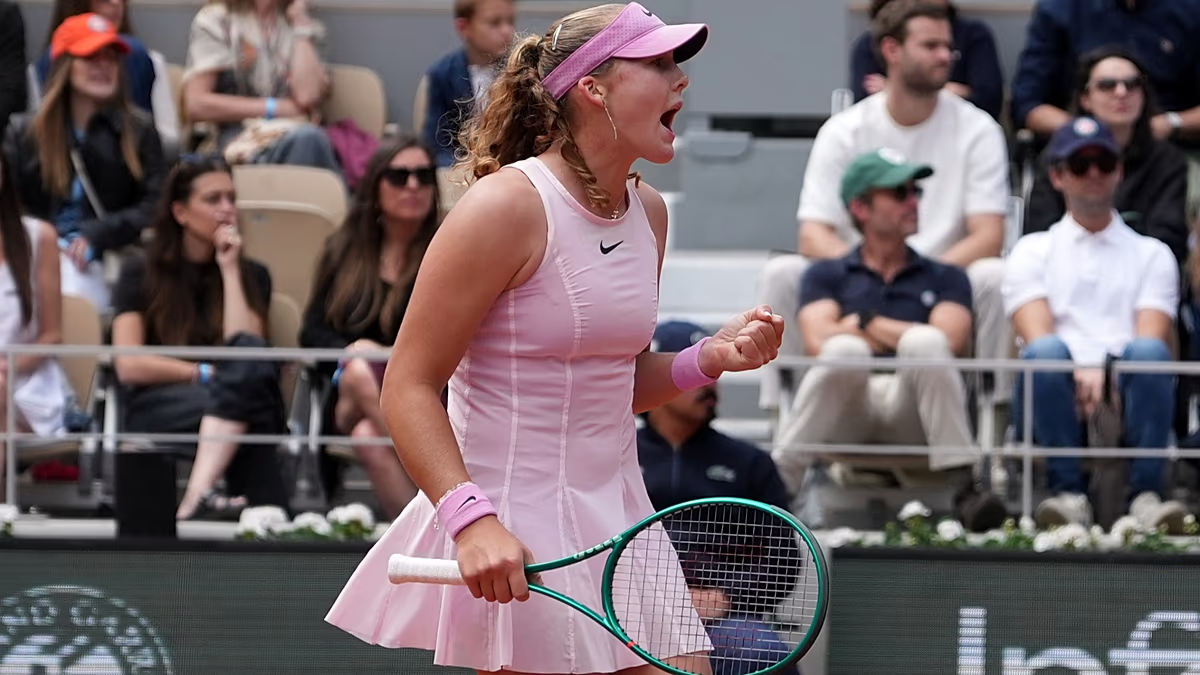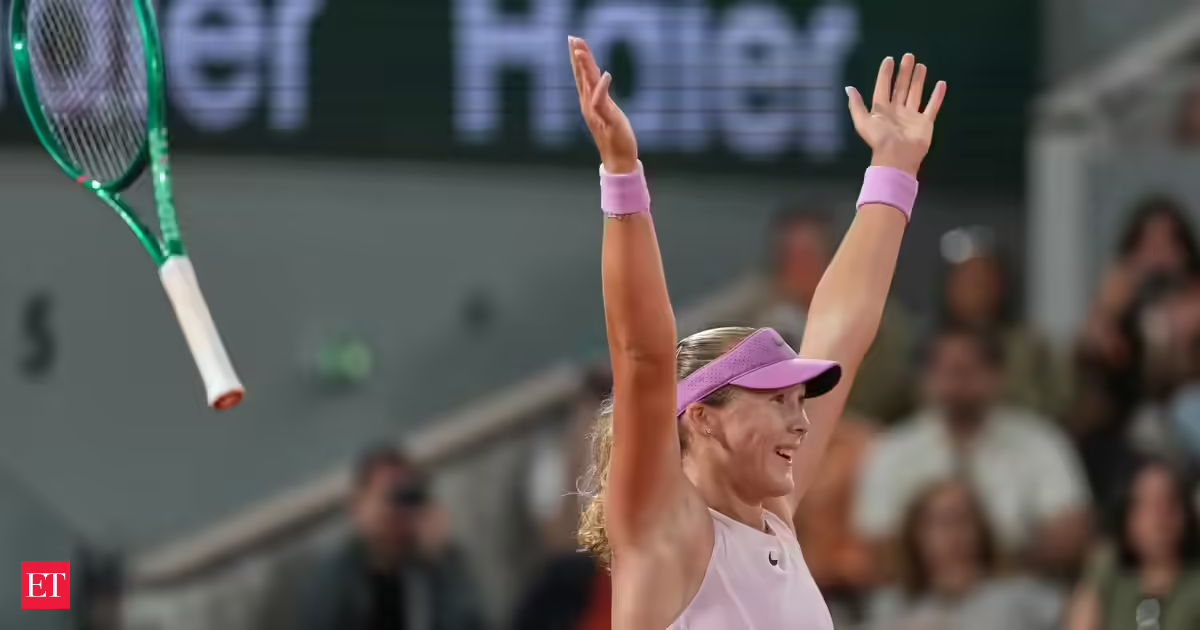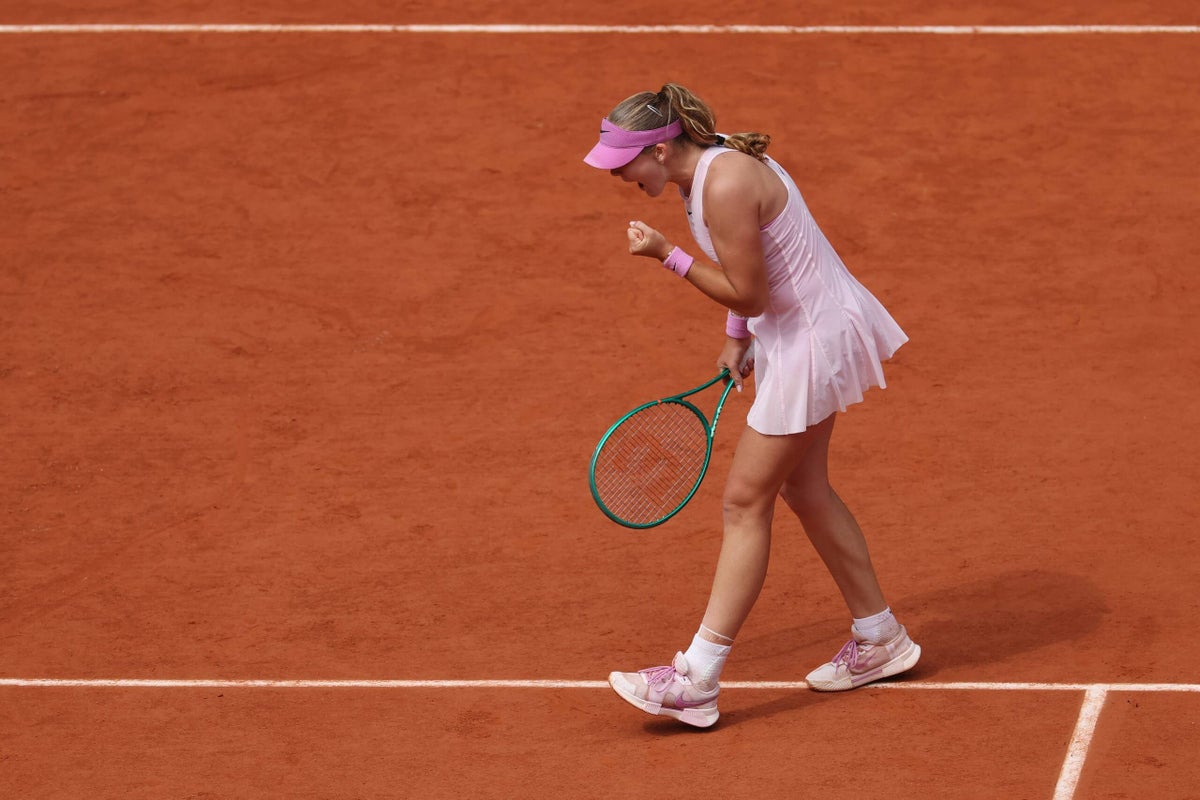
Relive the 2026 French Open women’s final with live coverage from The AthleticPARIS — Mirra Andreeva beat Maja Chwalińska 6-3, 6-2 in the French Open final at Stade Roland-Garros on Saturday.The No. 8 seed from Russia prevailed over the qualifier and world No. 114 from Poland in a match that started compellingly but was ultimately one-sided, decided by Andreeva’s ability to match Chwalińska’s variety and her proactivity in stepping inside the court to attack.It is the 19-year-old’s maiden Grand Slam singles title, in her first Grand Slam final.The Athletic’s writers, Charlie Eccleshare and Matt Futterman, analyze the final and what it means.How did Andreeva turn the first set?It’s 3-3, 30-30. Chwalińska is serving. She’s coming off her first service hold of the match. She’s in this thing.She’s frustrating Andreeva with variety, and off-speed balls, spins and changes in height over the net. This is how it’s gone for nine matches. It might be on again.But then Chwalińska sends a short forehand flying off the court to give Andreeva a break point. Then she slices a backhand into the net. Two shots that had been money for her for two weeks become gifts for Andreeva, who grabs a 4-3 lead.Things turned from there. Andreeva won 20 of the next 21 points, and it was like someone had turned on a switch. Now she was taking balls early and belting line drives and looping darts into the corners. For the first time in the match, it looked like a top-10 player was going up against a qualifier.Andreeva played the next four games with an authority that her compatriots, Diana Shnaider and Anna Kalinskaya, never found against Chwalińska. They had played reactive tennis, allowing Chwalińska to dictate the terms of engagement and scramble them.Andreeva was determined not to do that. It seemed like she had figured out the way. Now it was a question of whether she could sustain it.She could.— Matt FuttermanWhy was Chwalińska’s greatest asset neutralized by Andreeva’s play?In her run to the final, Chwalińska made most of her opponents look one-dimensional. They may have been higher-ranked, but they couldn’t deal with Chwalińska’s beguiling mix of spins and slices, and ended up being exposed as not really having a Plan B.The fear for Chwalińska going into this match was that she was finally up against an opponent who, as well as having more power, might be able to at least try and match her when it came to variety.As early as the second game of the match, Andreeva tried a moonball of her own, indicating that she wasn’t going to dance to Chwalińska’s tune. Chwalińska ended up winning the point, but it was a message from Andreeva: She didn’t mind if the match became a bit scrappy and unorthodox.The 19-year-old can mix the pace and trajectory of her ball, and possesses an excellent forehand slice. She used one to great effect when serving at 4-3 up in the first set, with the ball landing so deep and in the corner that it went past a bemused-looking Chwalińska for a winner. Wasn’t it her opponents who were supposed to be the ones with the furrowed brow?Maja Chwalińska’s textured tennis and considered tactics came up against an inspired Mirra Andreeva.On the next point, Andreeva completed an important hold for 5-3 by chasing down a Chwalińska drop shot and responding with an even cuter one of her own. It barely cleared the net and forced Chwalińska to hoist up a lob that Andreeva could easily flick away for a winner.It was the first time either player managed to get daylight in the final, and, thanks to the variety that has been Chwalińska’s hallmark this tournament, Andreeva was on her way.— Charlie EccleshareHow did the favorite manage the pressure of expectation?When Chwalińska hit a brilliant drop shot for 0-30, with Andreeva serving at 2-0 in the second set, the Russian’s reaction was one fans have seen before. She chucked the ball away in anger, and it looked as though this might be one of those moments when her composure suddenly evaporates.Considering she still has another 11 months left as a teenager, it’s only natural Andreeva has these moments from time to time, but they can seriously derail her. A year ago, Andreeva twice smacked a ball away in frustration and asked for members of her team to leave the court during a frazzling quarterfinal defeat to home favorite Loïs Boisson.Andreeva lost the next point to go down 0-40, and maybe this was going to be another of those moments. Instead, Andreeva steadied to win the next five points and hold for 3-0 — breaking Chwalińska’s resistance once and for all.It was a similar level of calmness Andreeva had shown in the early stages of the first set, when she could have started venting at being 3-2 behind, having twice been a break up. It followed a similar level of calm in her previous two matches against Marta Kostyuk and Sorana Cîrstea. In both, Andreeva gave up a break lead in the second set, only to straight away get it back and not lose another game.Andreeva hasn’t had to face a huge amount of adversity in her run to the title, dropping just one set along the way, but that’s largely because she hasn’t let things spiral when she has suffered setbacks.This match, a first Grand Slam final, where she was a huge favorite against an extremely tricky player, would have been tailor-made not long ago to drive her to distraction. Instead, she kept her cool.— Charlie EccleshareWhat does tennis look like with no serves?The serve always means something to a match, even though it remains less of a defining factor in the women’s game. Don’t have a fastball that can win free points? That’s a lot of pressure to place on winning points from the baseline, especially in a major final.There were serves in this French Open final, to be clear — they just had very little influence, if any, on the outcome of the match, despite one player having clear supremacy on the shot before it started.Andreeva, who can crack her serve into the 115 mph range, averaged 93 mph on her first serve Saturday. She had one ace and two double faults, but her serve was basically a point-starter. It’s possible the outcome of this match would have been the same had a coach stood at the side of the net and taken turns feeding a ball to a player to start a rally. There were five unreturned serves in the entire match, three for Chwalińska and two for Andreeva.Andreeva won the higher proportion of first-serve points, but that was largely because of how she proactively stepped into the court during a rally, not because she was swinging the ball past her opponent right from the start of the point.Chwalińska might wish she had served better, but that was never the weapon that was going to win her this title. It could have been for Andreeva. She didn’t need it to be.— Matt FuttermanWhat did Mirra Andreeva say after the final?“You’re a very tricky opponent, I wouldn’t want to play against you one more time,” Andreeva said in the trophy ceremony.“I’ve been watching Roland Garros on TV since I was very young. It’s a very big dream to be holding this trophy.“Thanks to my team. I know I can be a tough cookie sometimes and it’s pretty hard to put up with me as well, certain days. Thank you very much for pushing me to my limits, thank you for making me work when I don’t want to work.”What did Maja Chwalińska say after the final?“I wish you could have seen a better match today,” Chwalińska told the crowd in her on-court interview, “but Mirra was just too good for me, so I guess it’s her fault.Turning to Andreeva, she joked: “You’re so young and talented, it’s so annoying.”
French Open women’s final: Mirra Andreeva overpowers Maja Chwalińska for first Grand Slam title
The 19-year-old No. 8 seed accelerated away after a tense start to triumph at Roland Garros.
1,316 words~6 min read