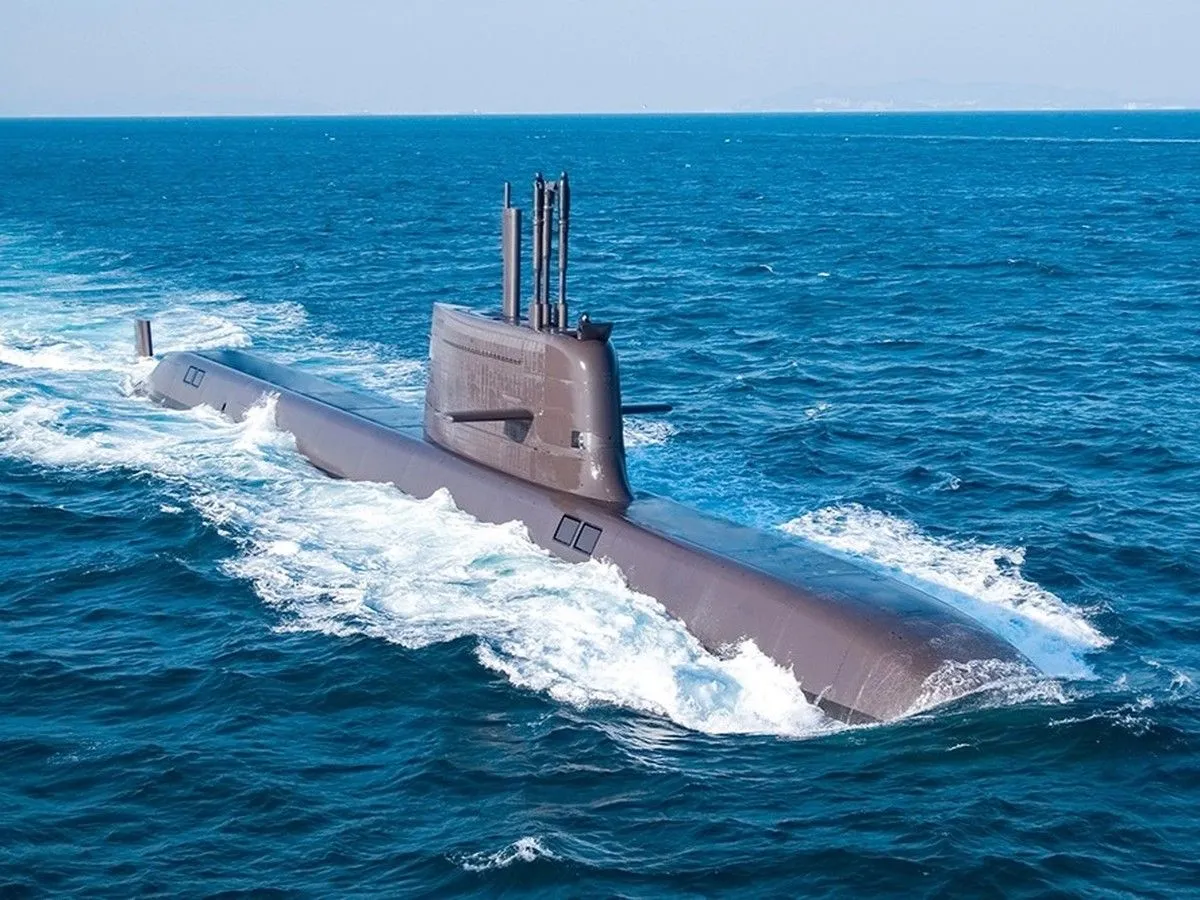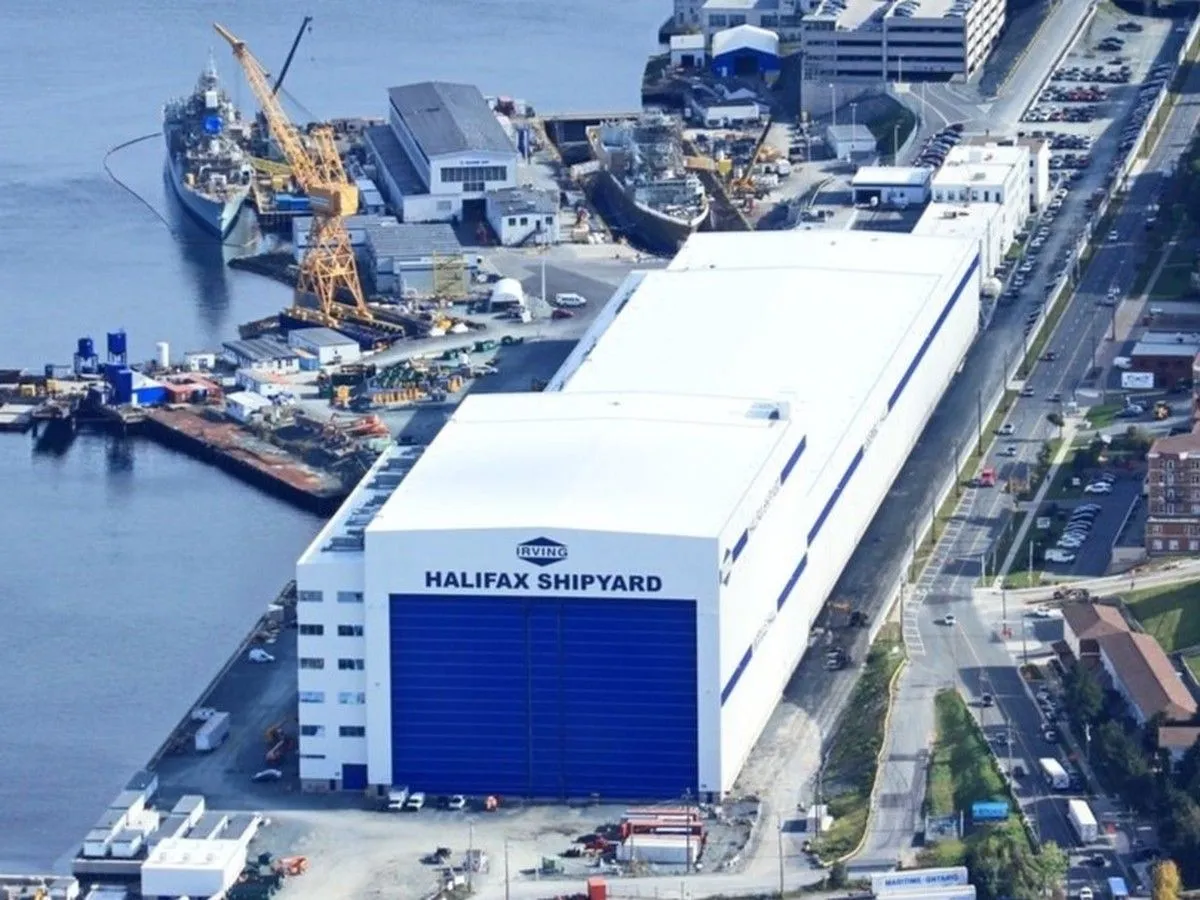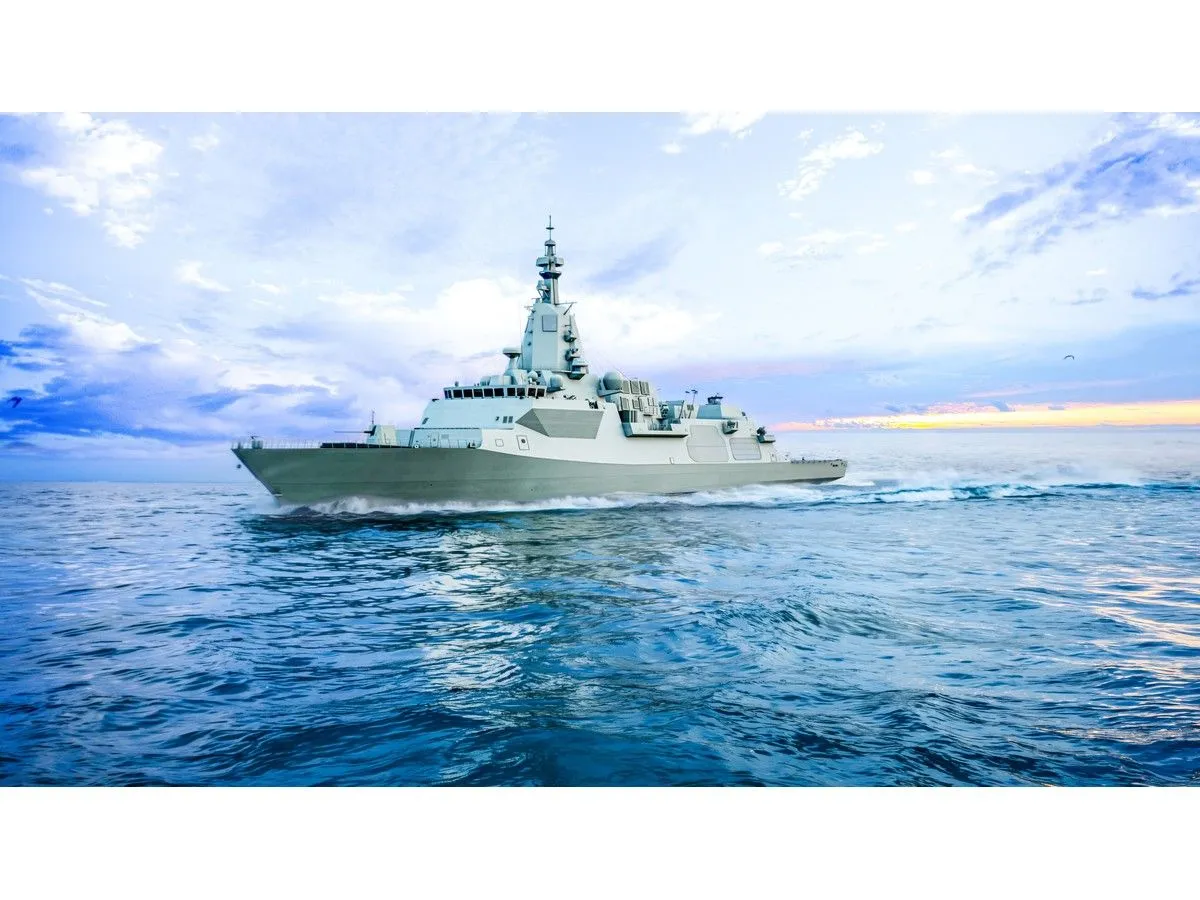
Skip to Content News Archives Economy Energy Oil & Gas Renewables Electric Vehicles Mining Commodities Agriculture Real Estate Mortgages Mortgage Rates Finance Banking Insurance Fintech Cryptocurrency Work Wealth Smart Money Wealth Management Investor Personal Finance Family Finance Retirement Taxes High Net Worth FP Comment Executive Women Puzzmo Newsletters Financial Times Business Essentials More Innovation Information Technology FP500 Podcasts Small Business Lives Told Tails Told Shopping Financial Post Store Obituaries Place a Notice Advertising Advertising With Us Advertising Solutions Postmedia Ad Manager Sponsorship Requests Classifieds Place a Classifieds ad Working Profile Settings My Subscriptions Saved Articles My Offers Newsletters Customer Service FAQ News Economy Energy Mining Real Estate Finance Work Wealth Investor FP Comment Executive Women Puzzmo Newsletters Financial Times Business Essentials HomeNewsEconomyNova Scotia companies to capitalize as Halifax positions as Canada's defence capitalThe $2 billion in federal spending set to flow into the province will create opportunities for more than defence contractors You can save this article by registering for free here. Or sign-in if you have an account.A rendering of Canada's future River-class destroyer. The new, multibillion-dollar combat fleet is under construction at Irving Shipbuilding. Photo by Irving Shipbuilding Inc.The wave of federal military spending expected to flow into Nova Scotia in the next decade will create opportunities for more than traditional defence contractors, a roundtable organized by Canadian Manufacturers & Exporters (CME) heard Friday.Subscribe now to read the latest news in your city and across Canada.Exclusive articles from Barbara Shecter, Joe O'Connor, Gabriel Friedman, and others.Daily content from Financial Times, the world's leading global business publication.Unlimited online access to read articles from Financial Post, National Post and 15 news sites across Canada with one account.National Post ePaper, an electronic replica of the print edition to view on any device, share and comment on.Daily puzzles, including the New York Times Crossword.Subscribe now to read the latest news in your city and across Canada.Exclusive articles from Barbara Shecter, Joe O'Connor, Gabriel Friedman and others.Daily content from Financial Times, the world's leading global business publication.Unlimited online access to read articles from Financial Post, National Post and 15 news sites across Canada with one account.National Post ePaper, an electronic replica of the print edition to view on any device, share and comment on.Daily puzzles, including the New York Times Crossword.Create an account or sign in to continue with your reading experience.Access articles from across Canada with one account.Share your thoughts and join the conversation in the comments.Enjoy additional articles per month.Get email updates from your favourite authors.Create an account or sign in to continue with your reading experience.Access articles from across Canada with one accountShare your thoughts and join the conversation in the commentsEnjoy additional articles per monthGet email updates from your favourite authorsSign In or Create an AccountorAccording to the discussion during the session in Halifax, manufacturers, construction firms, technology companies, transportation providers and even food suppliers could find themselves competing for contracts as Canada ramps up defence spending and expands military infrastructure in the province.The roundtable brought together nearly 50 participants from 26 small and medium-sized companies along with manufacturers, industry leaders and federal and provincial government partners to discuss how local businesses can tap into the growing defence sector.Get the latest headlines, breaking news and columns.By signing up you consent to receive the above newsletter from Postmedia Network Inc.A welcome email is on its way. If you don't see it, please check your junk folder.The next issue of Top Stories will soon be in your inbox.We encountered an issue signing you up. Please try again“There are some great opportunities for companies, even smaller ones, to learn more about what it takes to get a government contract,” said Mitch Raymond, vice-president of CME Nova Scotia. “The federal government’s looking to invest half a trillion dollars over the next decade in defence initiatives. This is a big deal for this country. Mitch Raymond, vice-president of Canadian Manufacturers & Exporters’ Nova Scotia division. Photo by CME“That’s why we need to step up to the moment and ask, ‘What are we going to do with this?’ I compare it to dumping a 1,000-piece puzzle on a table. We better start building the borders and putting the images together and framing it so that we have not just a tactical plan now but for over a long period of time.”In March, Prime Minister Mark Carney announced more than $2 billion in defence spending for Nova Scotia, including $1.2 billion on upgrading power and service infrastructure at CFB Halifax Dockyard and Stadacona and $648 million for a new hangar and drone infrastructure at 14 Wing Greenwood.Carney also announced that $82.5 million will be spent to acquire the former refinery lands in Eastern Passage. The 192-hectare waterfront property marketed as Halifax Gate will be used to support current and future Royal Canadian Navy operations, including the movement of personnel, ships and supplies.The federal government will also purchase a 140-unit apartment complex near 12 Wing Shearwater for $60 million that will serve as military housing.Irving Shipbuilding Inc. continues to work on the multibillion-dollar River-class destroyers. The first three ships, which will cost over $22 billion, will be launched in the early 2030s.And Ottawa is expected to announce the winning bid for multibillion-dollar submarine procurement this month.“Halifax is really positioning to be the defence capital of Canada the way this could roll out,” Raymond said.The Halifax roundtable is the first in a cross-country series being held in partnership with RBC and EY. Raymond said it’s part of a series of defence-focused discussions. Similar events are planned for Ontario, British Columbia, Quebec and the Prairie provinces over the coming months to help firms become “defence ready.”“Our intention is to help companies understand what they need to do and give them guidance on how to do it,” Raymond said.Many of the businesses at the Halifax event were considered Tier 2 and Tier 3 suppliers, which are firms that may not sell directly to the military but provide products, services or components to larger contractors. Prime Minister Mark Carney and Minister of National Defence David McGuinty, walk across the flight deck aboard HMCS Margaret Brooke during a tour and announcement aboard the ship at HMC Dockyard in Halifax on March 26. Photo by Tim KrochakRaymond said those projects create opportunities throughout the supply chain.“The event is about bringing together a prime contractor like Irving Shipbuilding with Tier 2s and Tier 3s, companies that could already be feeding into defence,” he said. “But there’s going to be a lot of infrastructure build going on.“You don’t get submarines without building infrastructure. Companies that are in construction, manufacturing and other sectors have great opportunities to learn more about what it takes to get that government contract.”But will we have the necessary workforce to complete these infrastructure projects? Raymond acknowledged that labour shortages could emerge as a major concern.Growing demand is expected for specialized trades, engineers, technicians and technology professionals. Raymond said future submarine maintenance operations, for example, could require skill sets that are in short supply in Canada.“The question is: Are we ready for this?” he said. “We’re ready in some respects, but we’ve got some homework to do in others.”Raymond added that universities and Nova Scotia Community College will need to work together with levels of governments and industry to help develop training programs and workforce strategies capable of supporting the coming demand.“And if we don’t have the talent here, then we need to look at immigration policies and make sure we’re bringing in the right people to support these opportunities,” he said. Join the Conversation This website uses cookies to personalize your content (including ads), and allows us to analyze our traffic. Read more about cookies here. By continuing to use our site, you agree to our Terms of Use and Privacy Policy.
Nova Scotia companies to capitalize as Halifax positions as Canada's defence capital
Manufacturers, construction and tech firms could compete for contracts as Canada ramps up defence spending, expands military infrastructure
1,291 words~6 min read