On paper, geothermal energy has the potential to completely transform the way power is generated. In reality, the International Energy Agency says that it currently accounts for less than 1% of the global energy mix.
Its upsides are undeniable. Geothermal plants can produce renewable, carbon-free electricity around the clock.
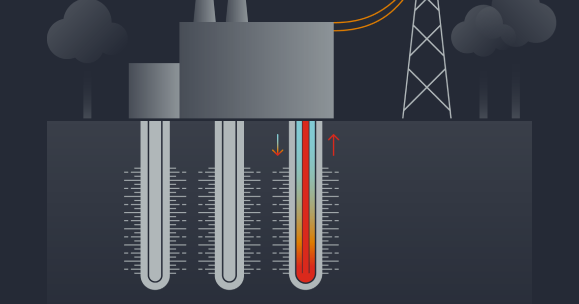
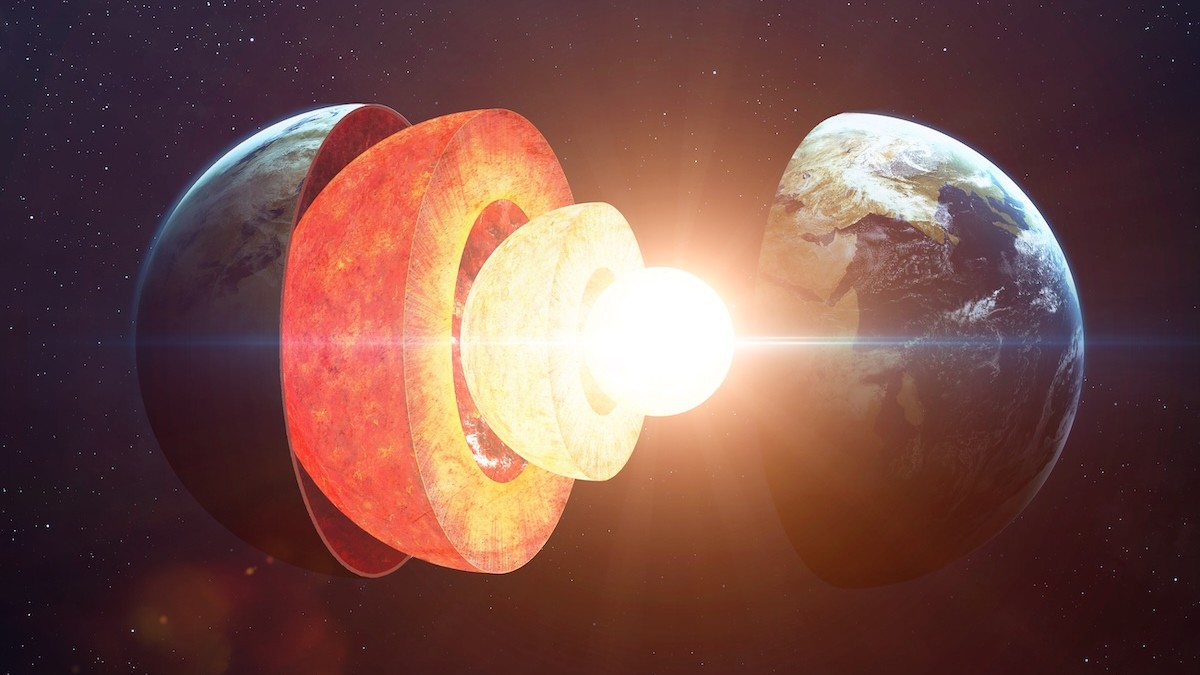
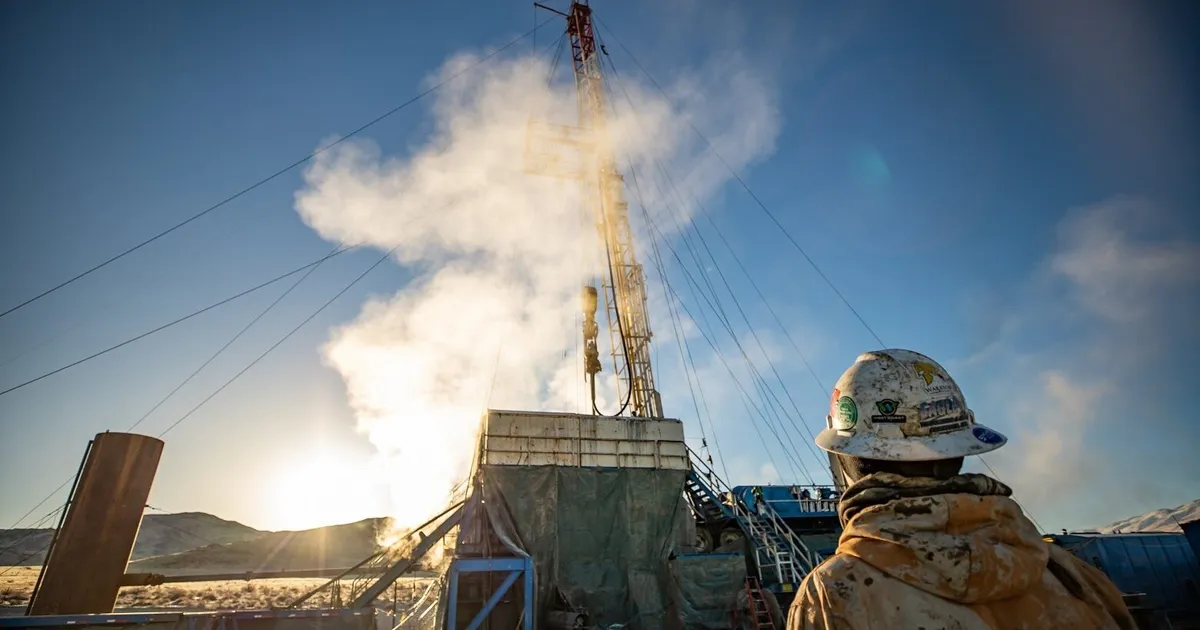
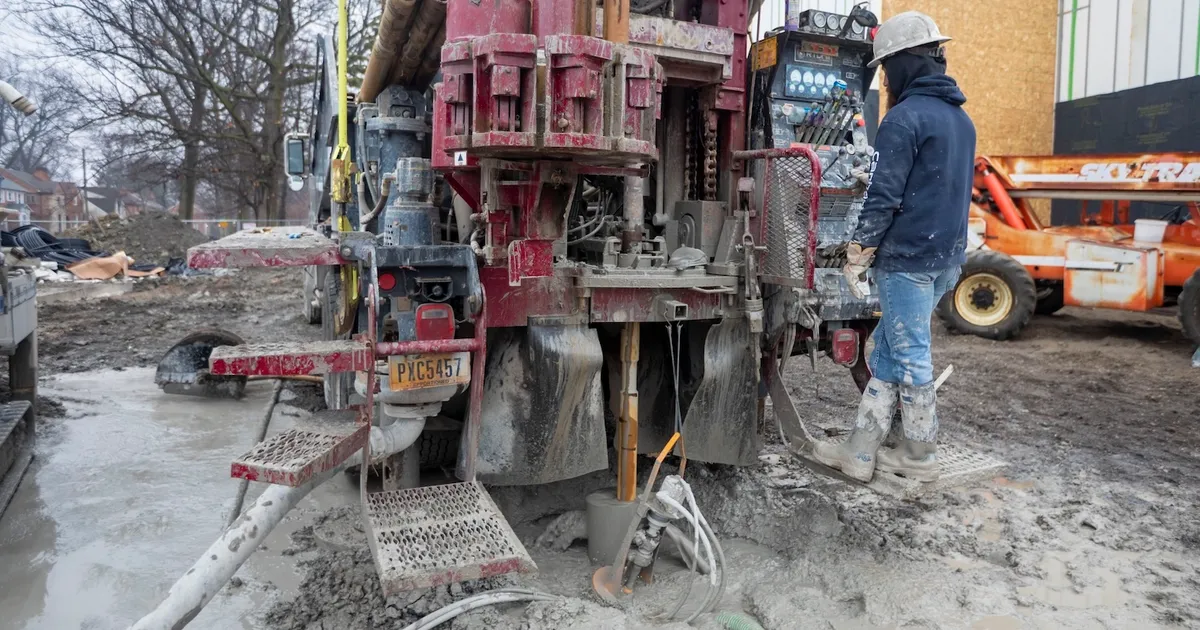
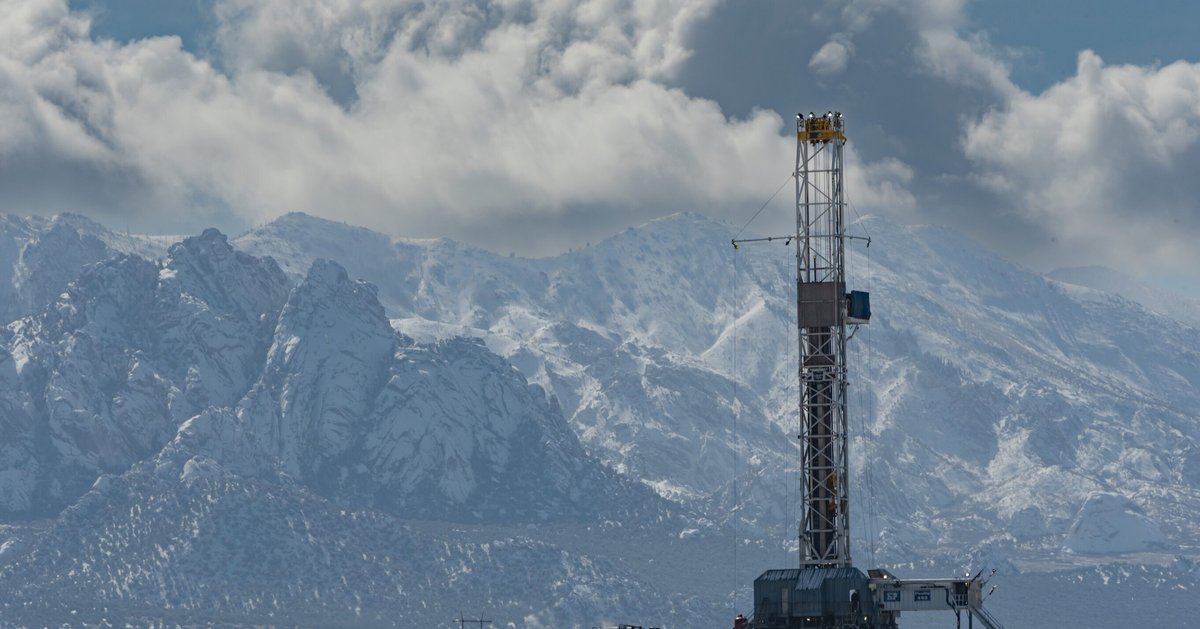
It works in a remarkably simple way too. A deep hole is drilled into the ground and the natural heat emissions from the Earth's core are used to spin turbines. This heat is constant, meaning geothermal energy is naturally reliable, unlike solar and wind which are intermittent.
Its potential is so great, in fact, that the IEA estimates that using thermal resources at a depth of 8km below the planet's surface can deliver geothermal capacity of just below 600TW. For context, the world's total energy consumption is currently around 20TW.
So, why is geothermal energy yet deliver on that promise? There are three main factors: money, technology and geography.