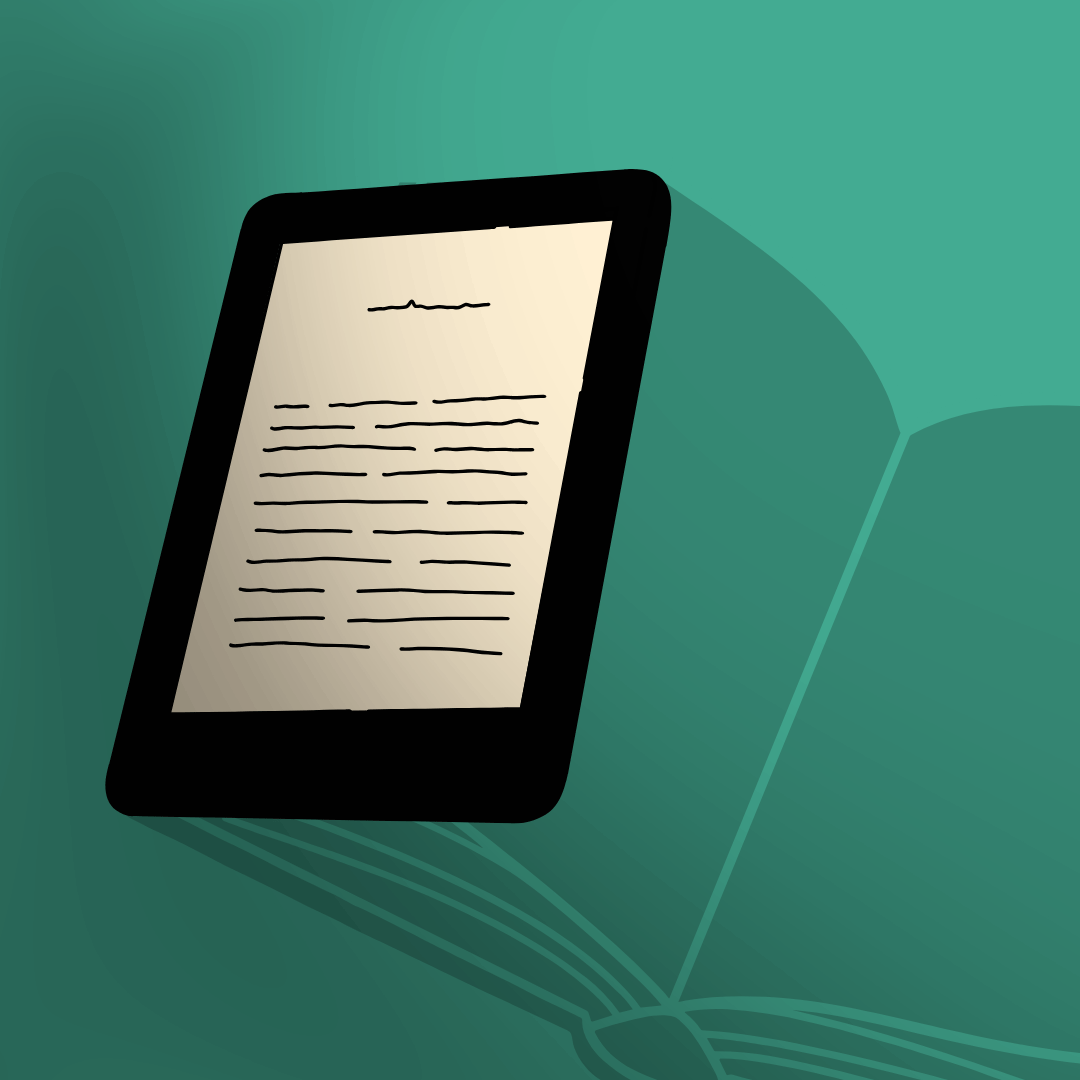
The verdict is mixed on digital books, sometimes called ebooks, when it comes to fostering children’s reading development.
“Ebooks are a lot busier than print books,” said Assistant Professor of Education Ying Xu, who studies the effects of technologies, including AI, on children’s language and literacy development. “If a child is holding a print book, the only thing that they could do is read the text and understand the story … Ebooks open up a lot of opportunities, and they’re also a form of distraction.”
Xu made her observation during the June 3 webinar “Raising a Reader in the Digital Age,” hosted by the Harvard Graduate School of Education. Xu and Assistant Professor of Education Phil Capin discussed the opportunities and risks educational technologies pose to children’s reading development, particularly at a time when children are reading less.
“If a child is holding a print book, the only thing that they could do is read the text and understand the story … Ebooks open up a lot of opportunities, and they’re also a form of distraction.”Ying Xu
Ebooks, which are growing in popularity among young readers, offer features such as visual highlighting of words, audio, animation, customizable text options, and others. And they are more and less helpful depending on how they are used.