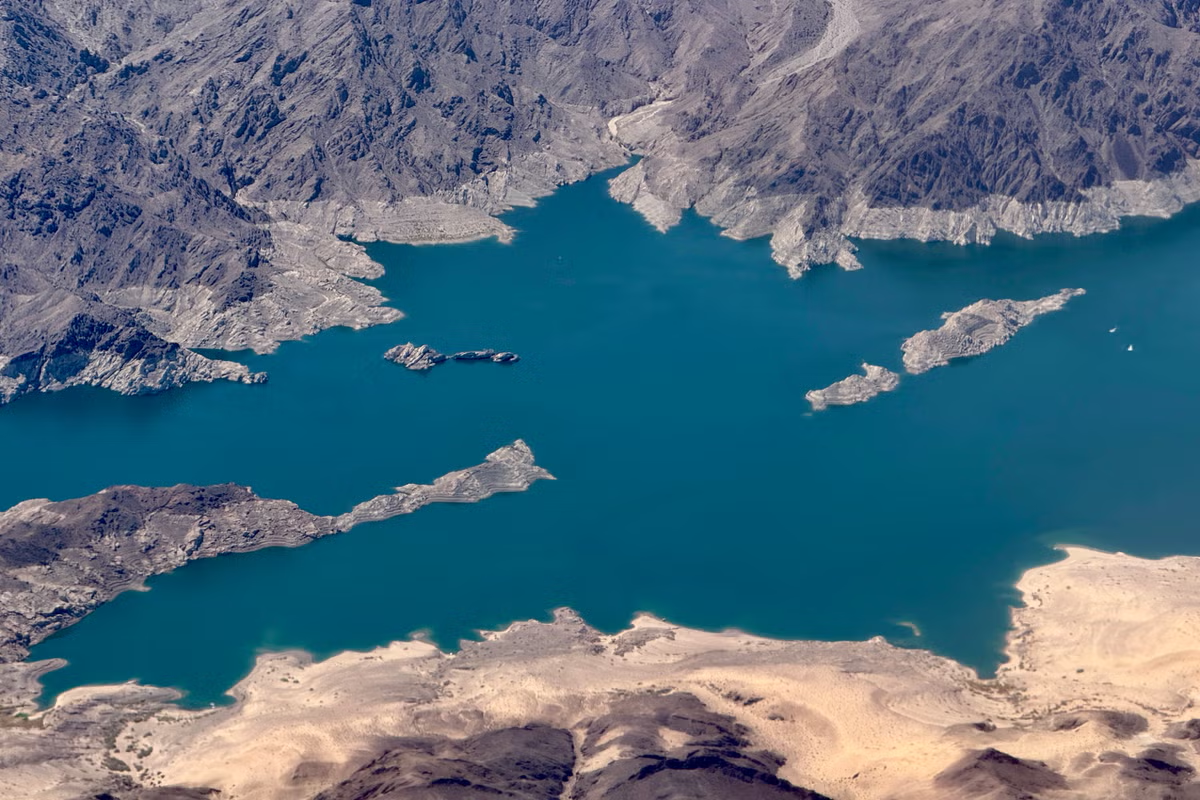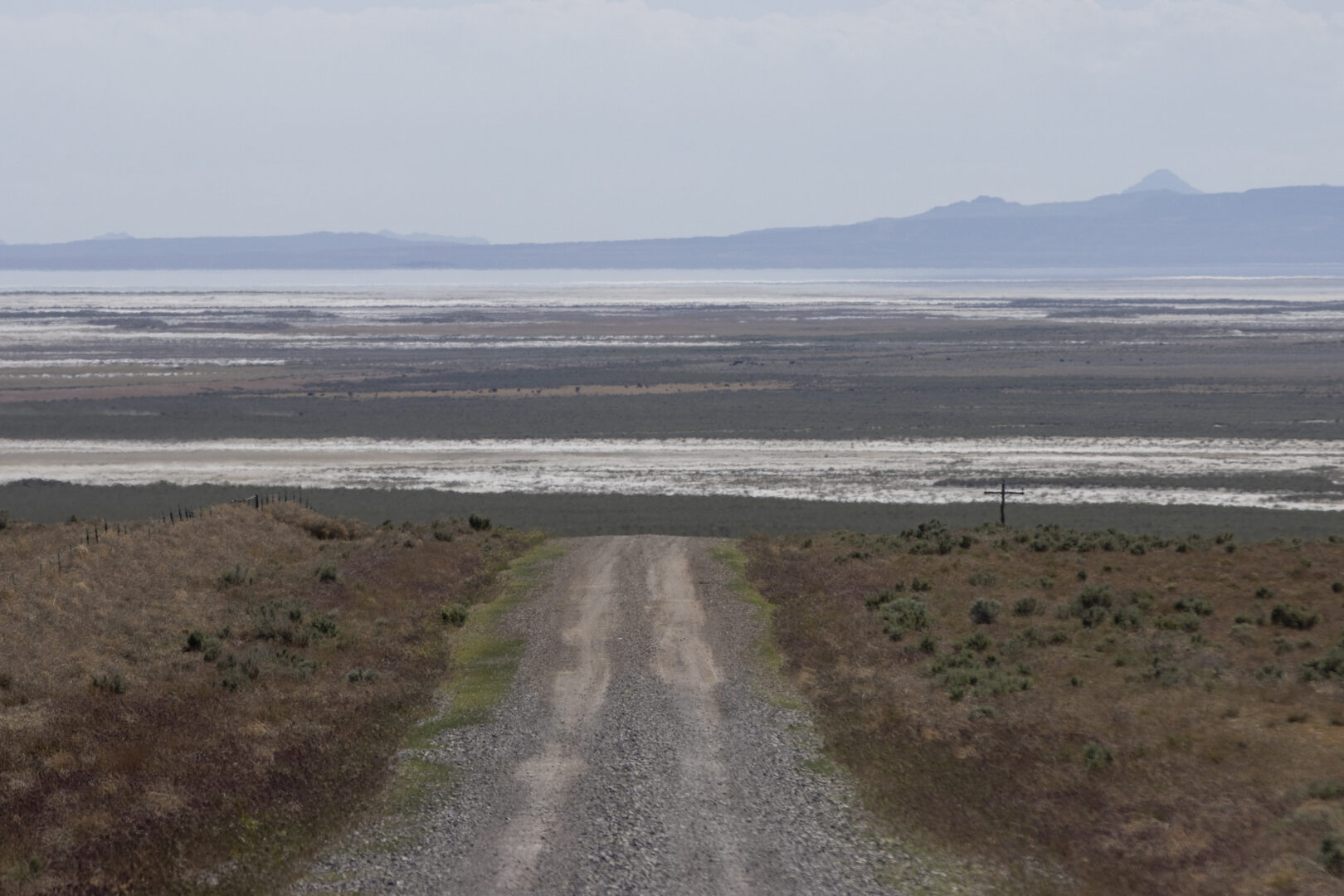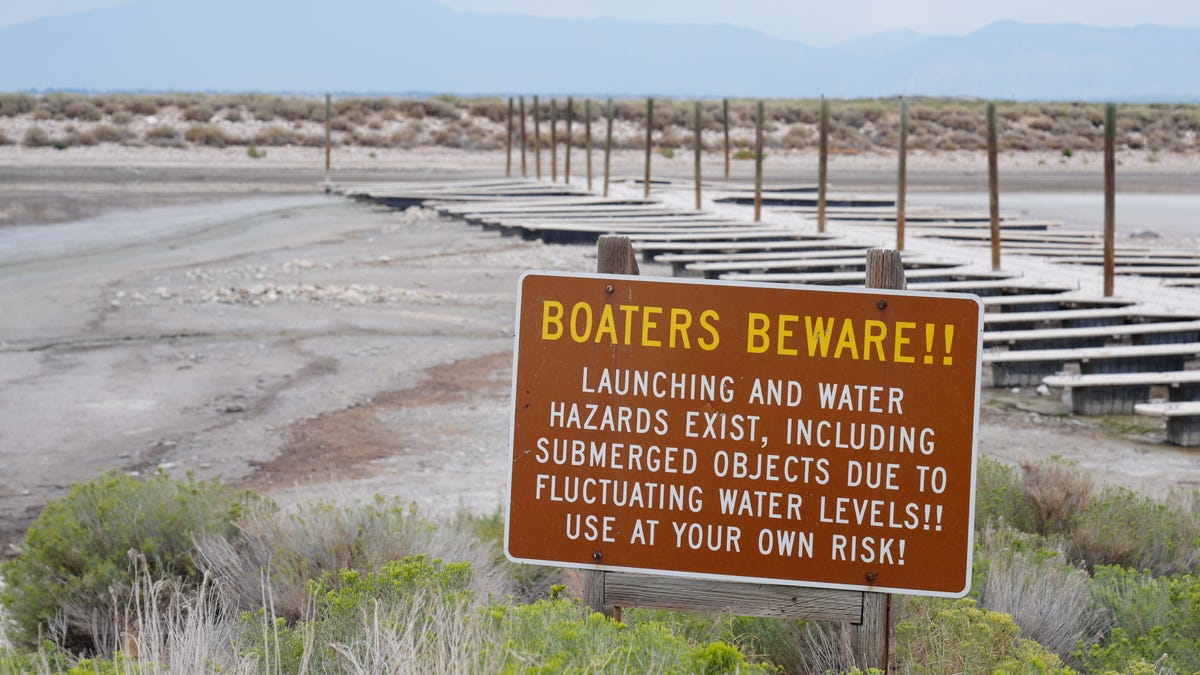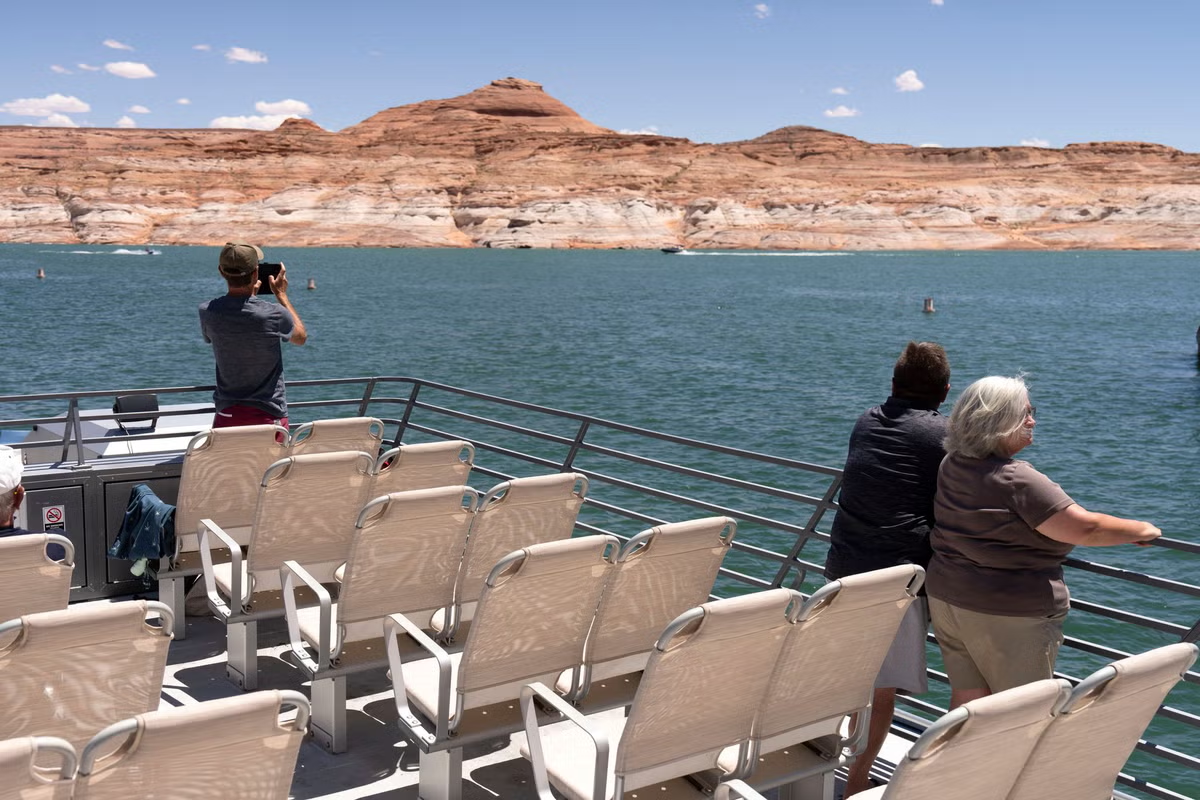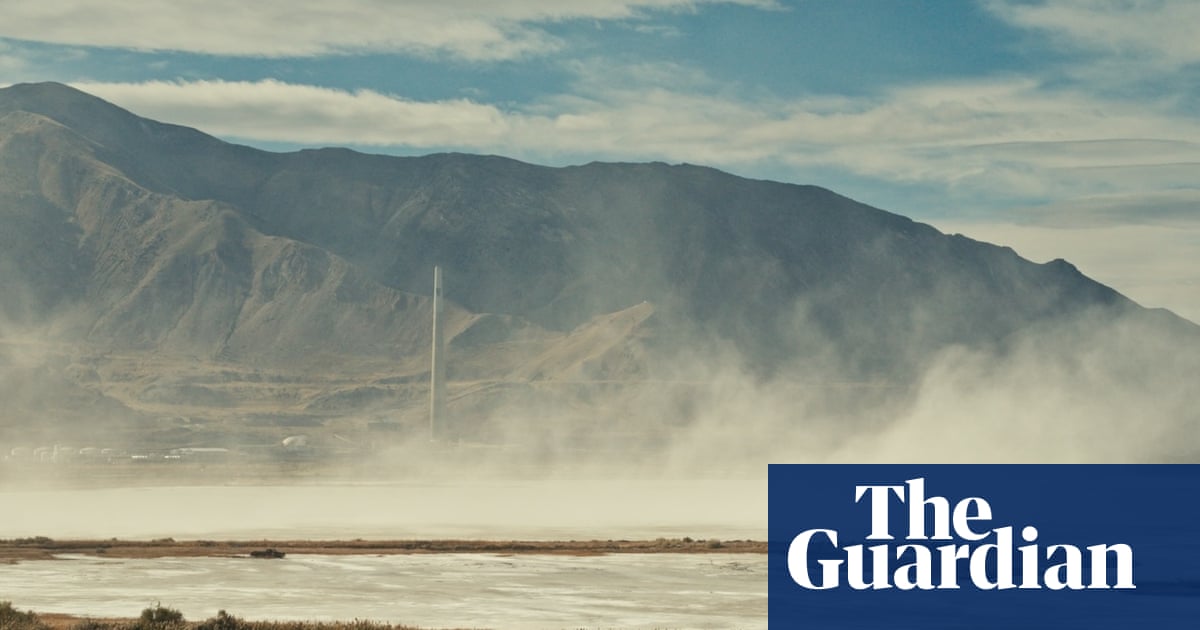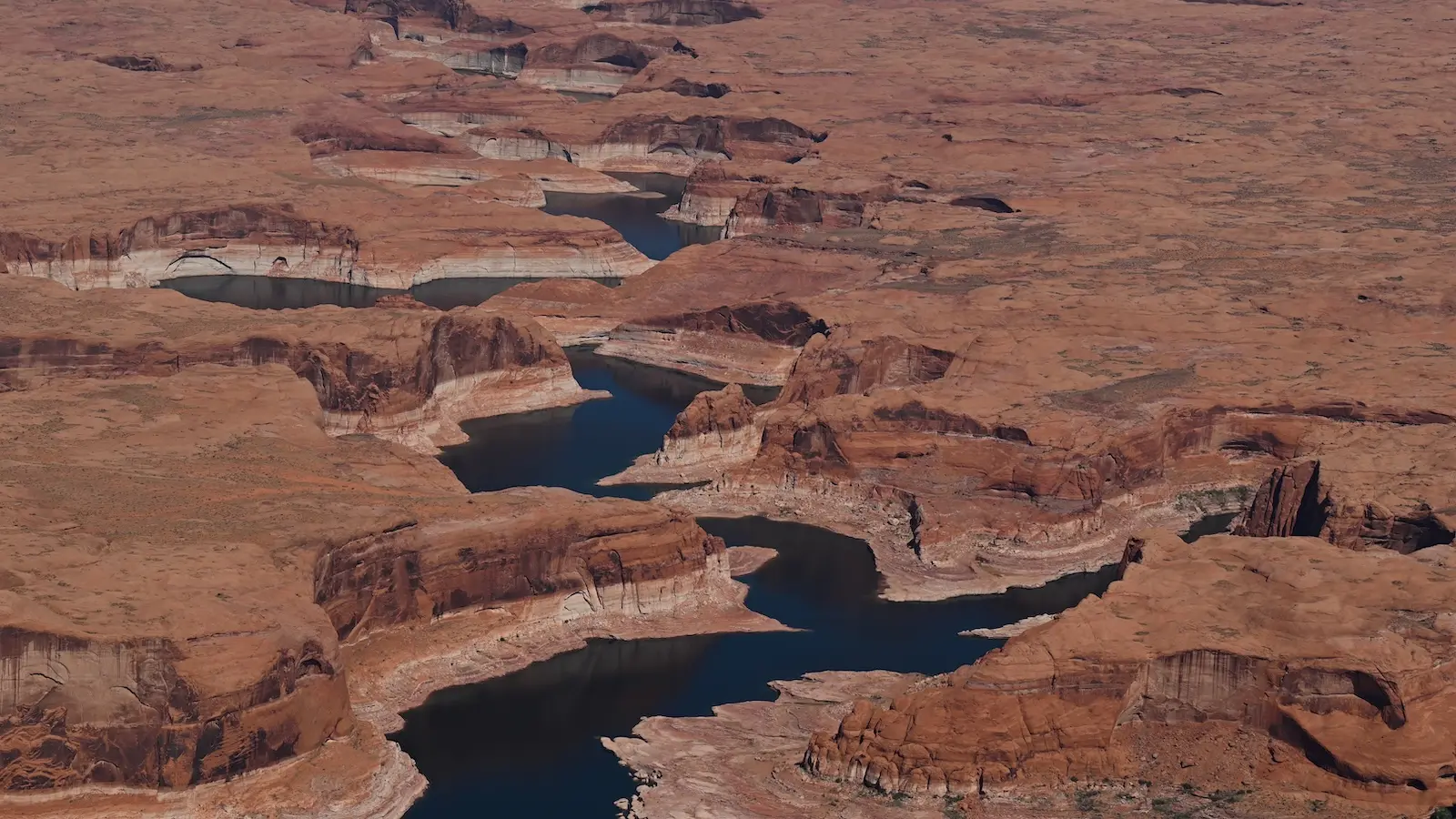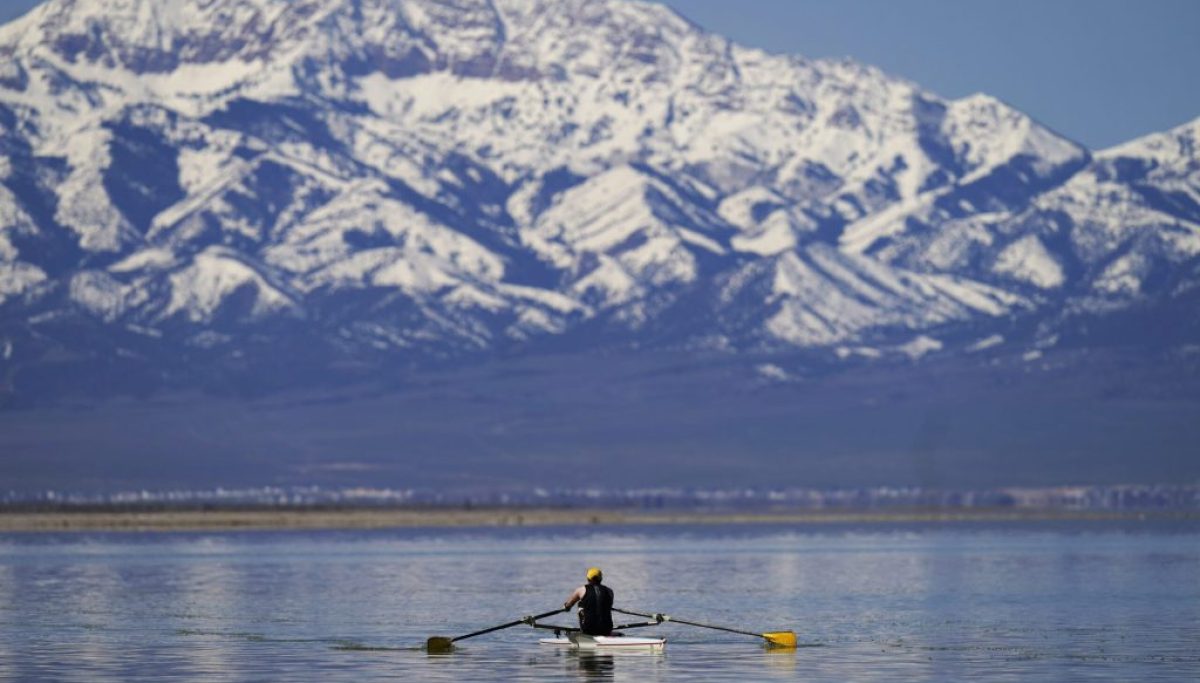
The Great Salt Lake is in decline. Shorelines that once defined northern Utah’s landscape have receded dramatically over the past two decades, exposing thousands of acres of dry lakebed and intensifying concerns over dust pollution, ecosystem collapse, and long-term water scarcity across the Wasatch Front.Scientists have warned repeatedly that if current trends continue, the consequences will extend far beyond the lake itself. Public health risks will increase, wildlife habitat will deteriorate, and economic losses tied to recreation, mineral extraction, and tourism will compound.The Great Salt Lake has grown from an environmental issue to a test of whether the United States is still capable of solving large-scale conservation challenges before they become irreversible.
The encouraging news is that Utah has a genuine opportunity to change course. The state is uniquely positioned to become the first place in the world to successfully restore a terminal saline lake through a combination of conservation, innovation, and market-driven water management. That opportunity, however, will require sustained federal engagement, serious congressional appropriations, and a governing framework that respects Utah’s expertise rather than attempting to replace it.