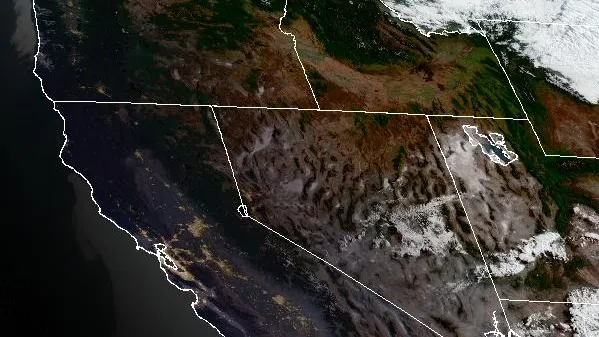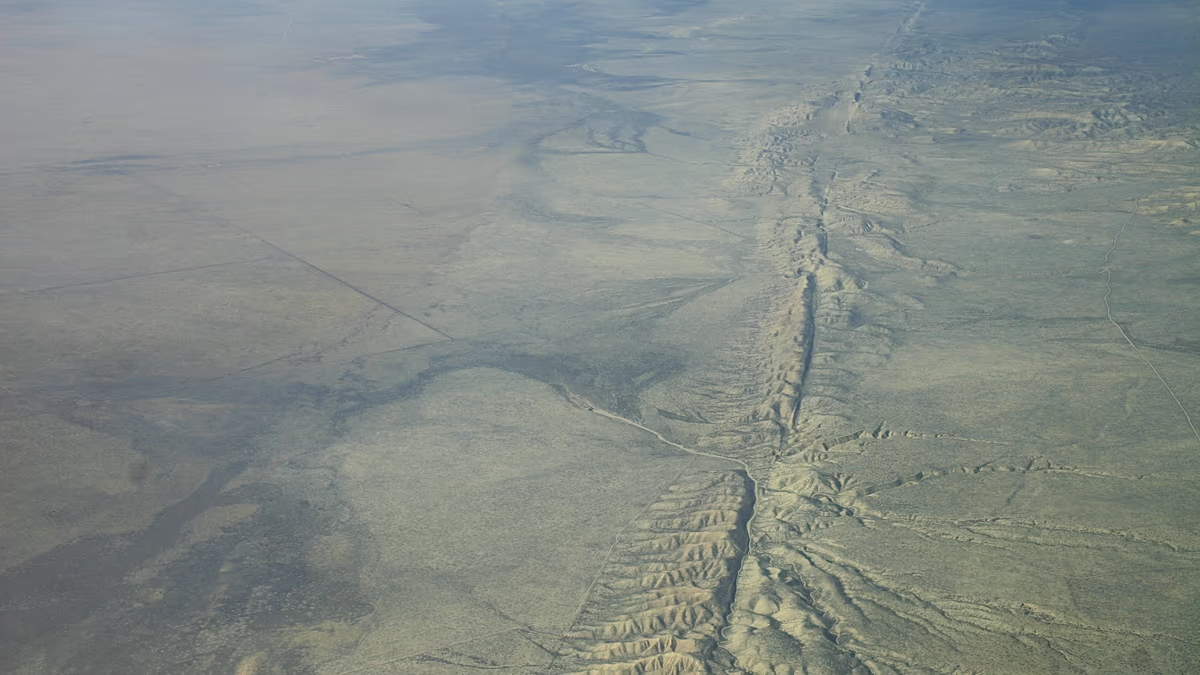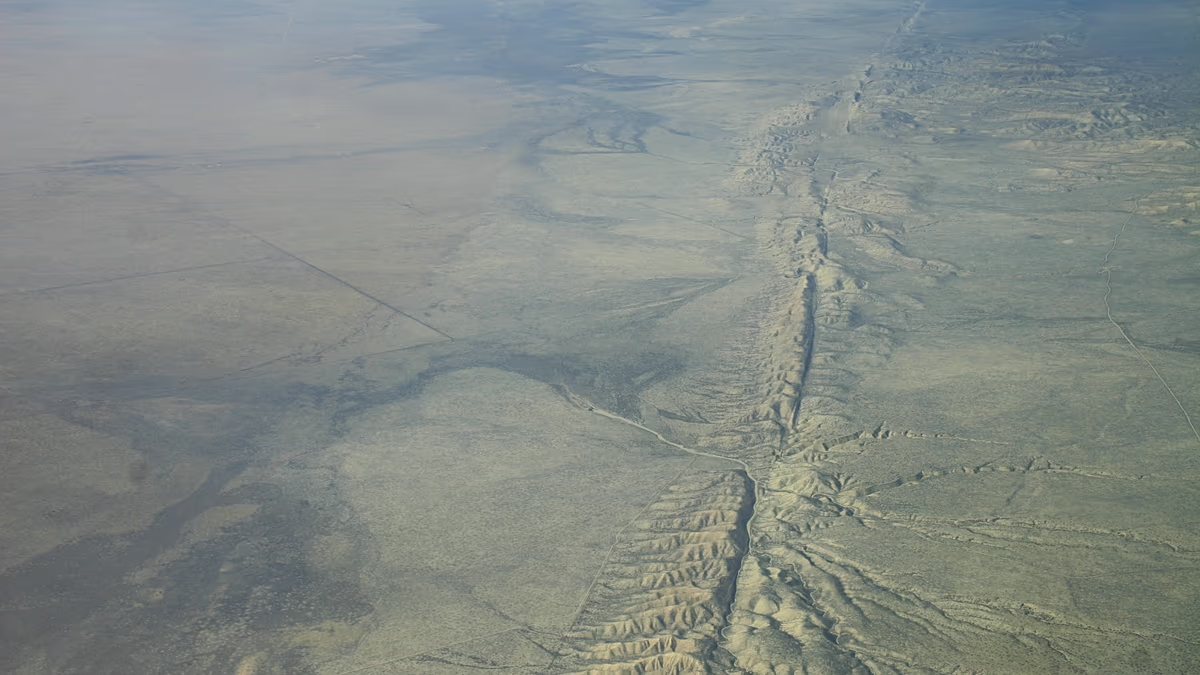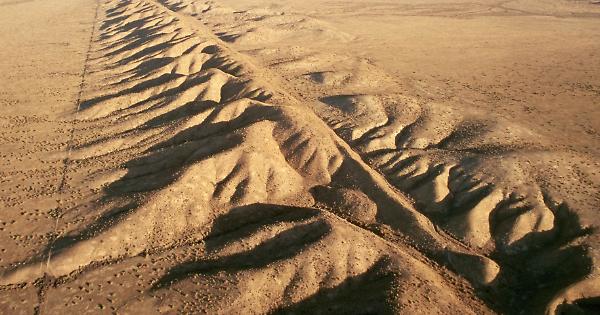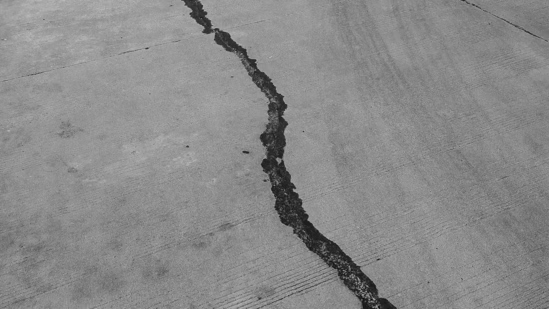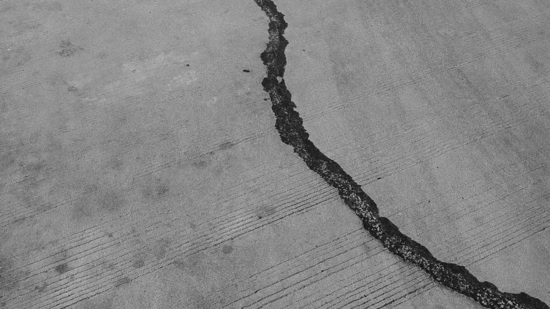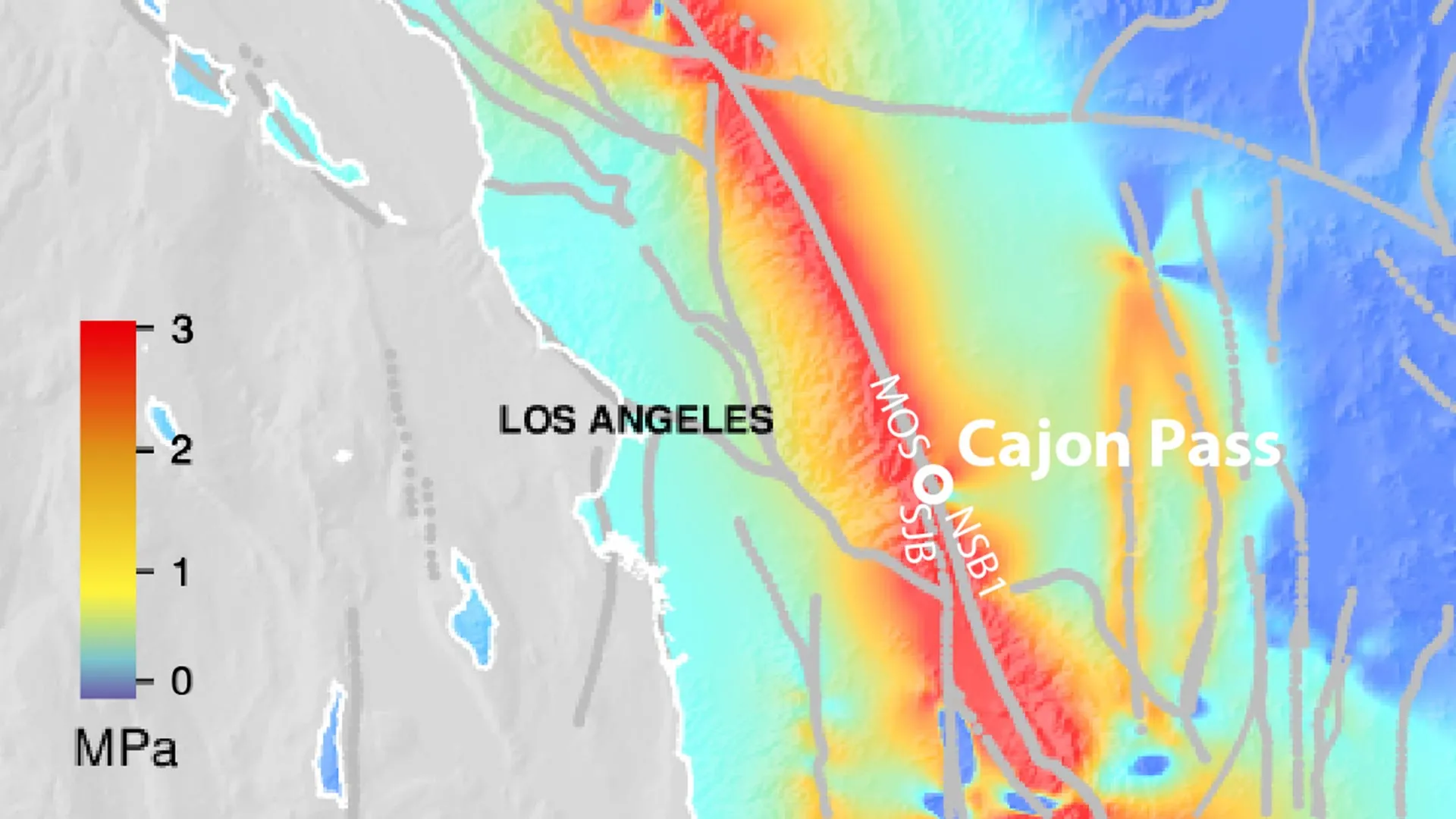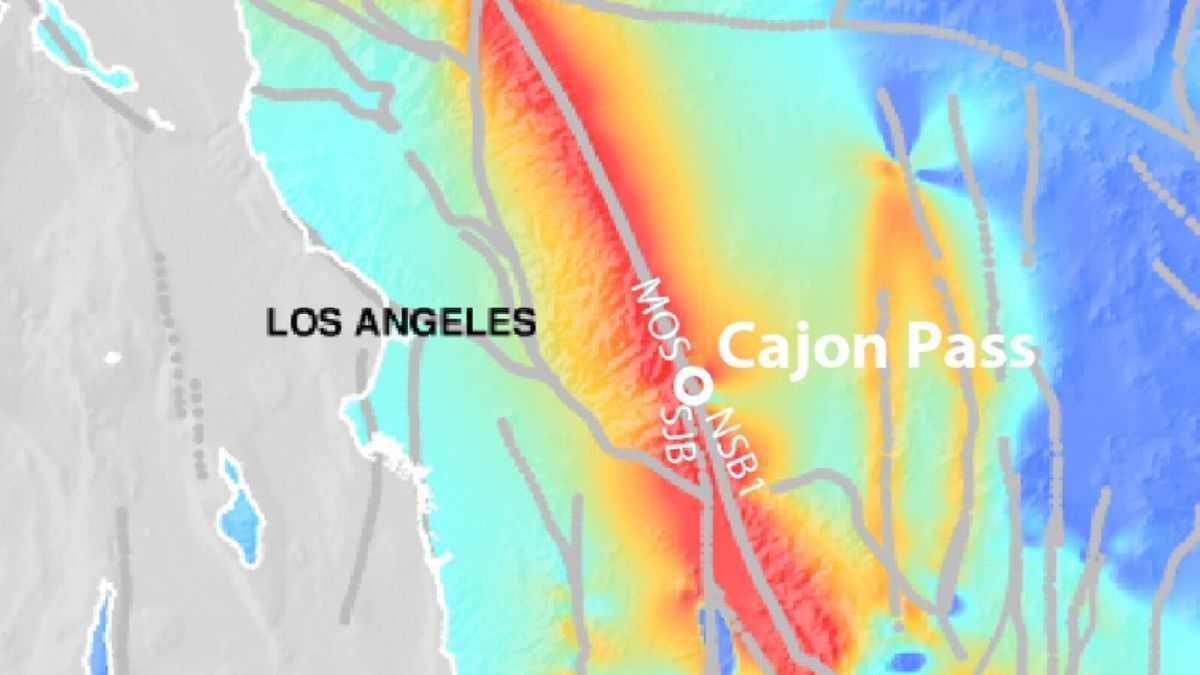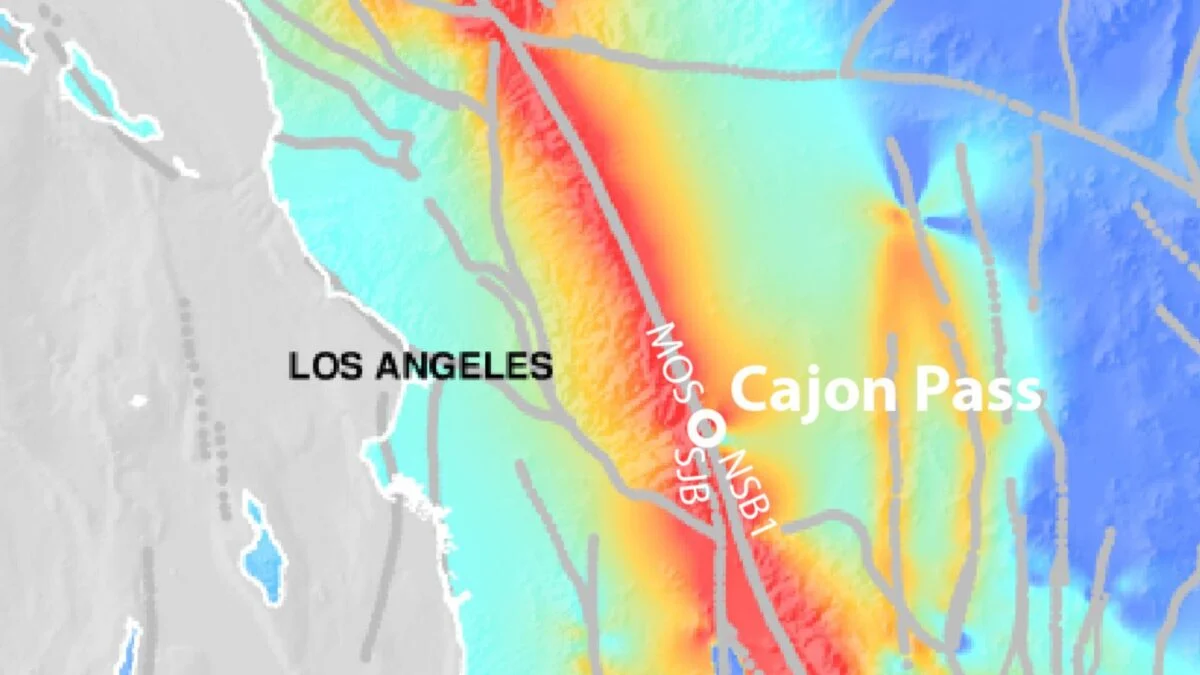
No U.S. region is at greater risk of a catastrophic earthquake than Southern California. The hazard stems primarily from two volatile faults, the San Andreas and the San Jacinto. According to new research, stresses along these faults are the highest they’ve been in the last 1,000 years. The study, published June 3 in the journal Journal of Geophysical Research, Solid Earth, underscores scientists’ concerns that this fault system is poised to produce a major quake, though the authors emphasize that it does not predict when such an event will occur. The findings also suggest that a critical fault junction northeast of Los Angeles could play a key role in how big the next major quake will be. “The question of when and how the next major earthquake will occur in this region is one of the most pressing problems in applied geoscience,” lead author Liliane Burkhard, a geophysicist and planetary geologist at the University of Bern in Switzerland, said in a release. “Our results provide a clearer, physics-based picture of the current stress state of the fault system, and the framework we developed is not just applicable to California, but also for other complex fault junctions worldwide.”
Highest fault stress in a millennium Video showing the stress accumulation time-series animation for the Southern San Andreas Fault System, spanning the years 1100 to 2025. Earthquakes typically occur along the boundaries between tectonic plates. These fracture zones, or faults, accumulate stress as the plates slide past each other and become locked. Eventually, so much stress builds up that the plates suddenly slip, releasing all that stored energy in the form of an earthquake. The longer it’s been since the last big earthquake, the more stress may have accumulated along the fault.