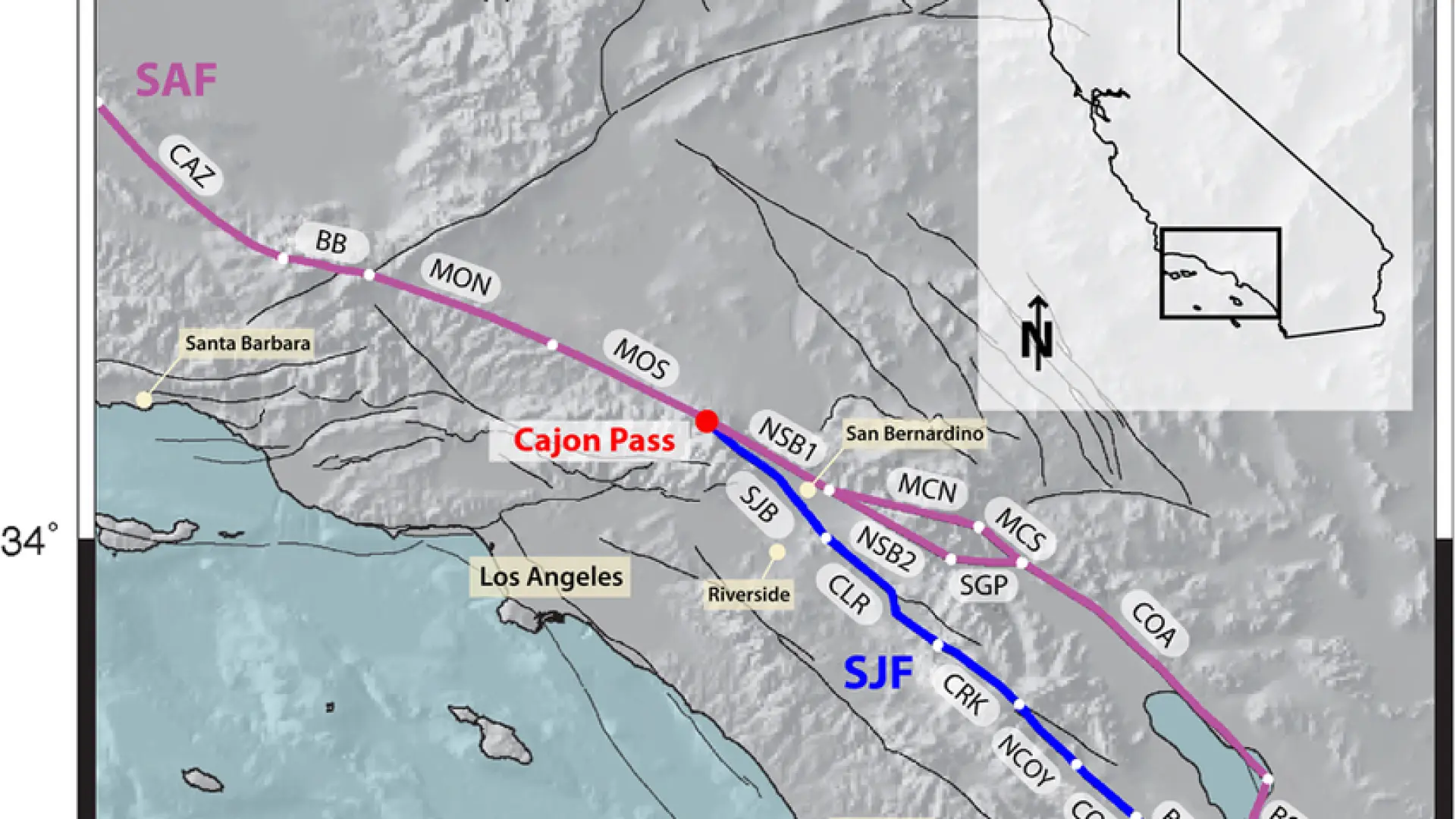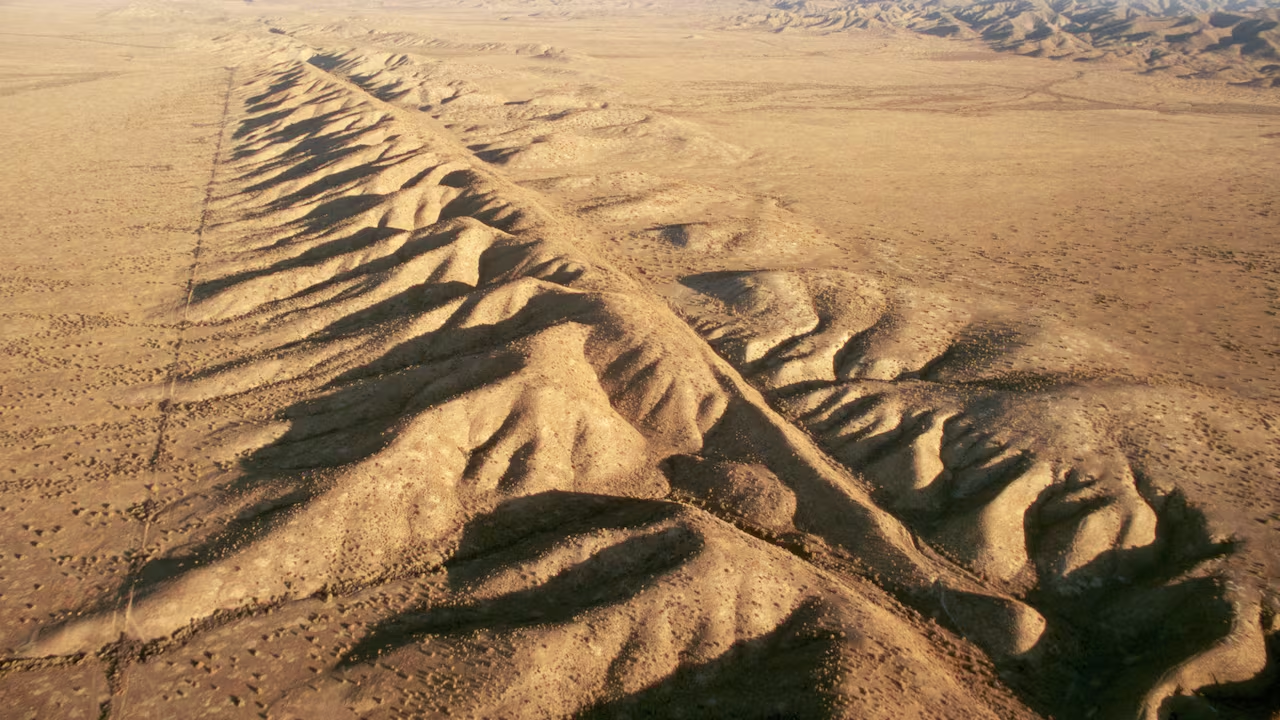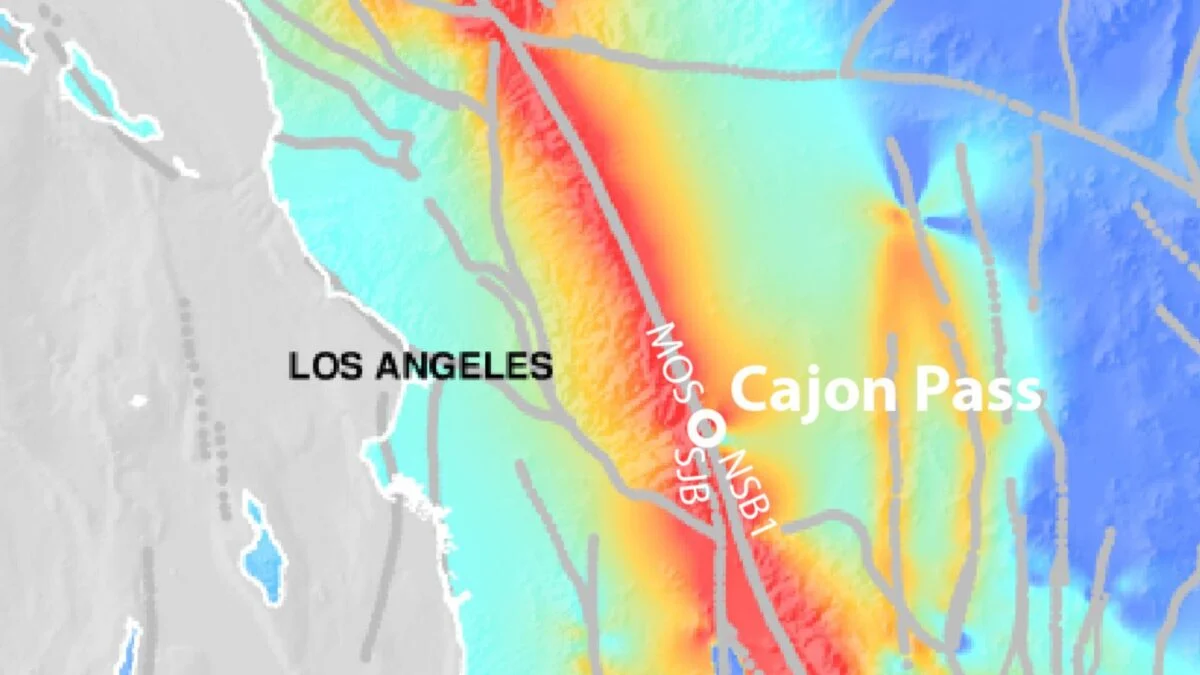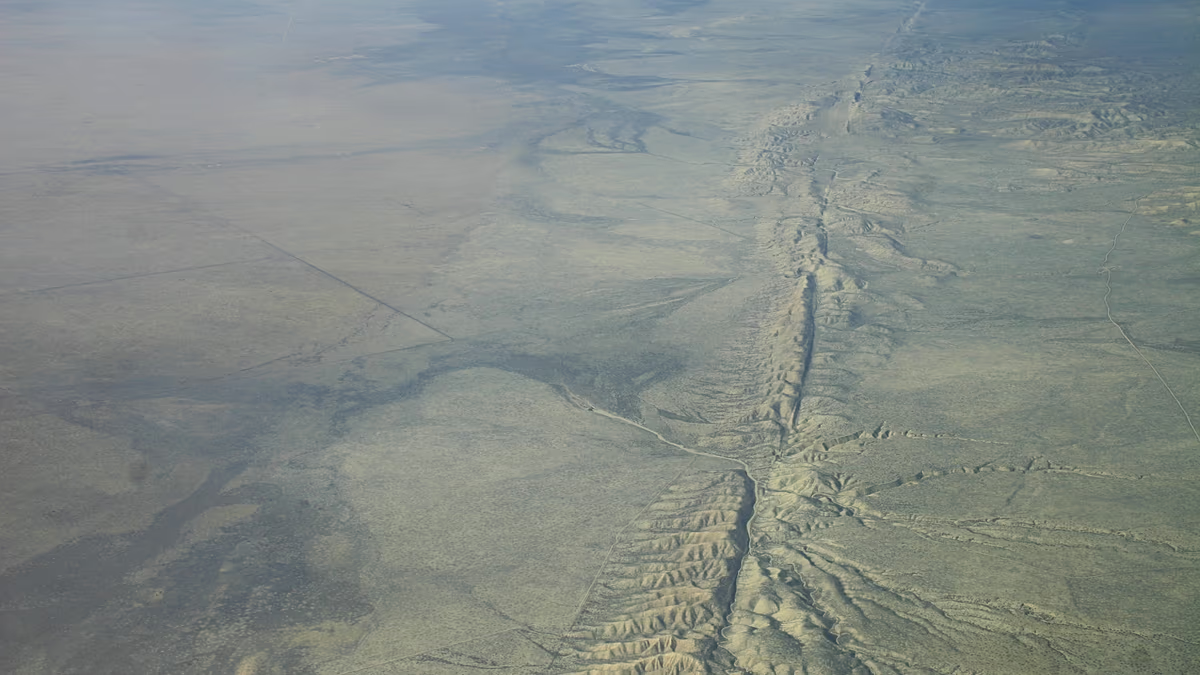
A new study has raised fresh concerns about earthquake risk in Southern California. Researchers say the region’s two major fault systems, the San Andreas Fault and the San Jacinto Fault are carrying more built-up stress than at any time in the last 1,000 years. The findings do not predict when an earthquake will happen, but they suggest conditions are now similar to those seen before some of the area’s largest historic quakes. The study was published in the Journal of Geophysical Research: Solid Earth and was led by Dr. Liliane Burkhard of the University of Bern in Switzerland.Scientists warn of ‘1,000-year’ fault stress peak in Sourthern California (via Unsplash)Record pressure beneath major faultsEarthquakes happen when stress slowly builds along faults and is suddenly released. To understand how much stress is currently stored beneath Southern California, Dr. Liliane Burkhard and her team created a physics-based model using a 1,000-year record of earthquakes. The researchers relied on geological evidence, including radiocarbon dating, tree-ring records and past earthquake data.The results were striking. According to the study, stress levels along parts of both fault systems have reached or even exceeded anything seen during the past millennium.One section of the San Jacinto Fault recorded the highest stress level found anywhere in the model, while a nearby section of the San Andreas Fault showed similarly high values. Researchers said this combination places the region in a “critically loaded” state.Also Read: Venezuela earthquake death toll reaches 1,430; rescue ops continueCajon Pass could shape Southern California earthquake riskA major focus of the research is Cajon Pass, a mountain pass northeast of Los Angeles, where the San Andreas and San Jacinto faults come very close together. Scientists describe the area as an “earthquake gate” because it can either stop a rupture from spreading or allow it to jump from one fault to another.The study found that both fault systems are now carrying high and closely matched stress levels. In the past, similar conditions were linked to earthquakes that ruptured across multiple faults instead of remaining on just one.If that happened again, the shaking could affect heavily populated areas, including Los Angeles, San Bernardino, Riverside and the Coachella Valley. Researchers noted that such a scenario could be more damaging than an earthquake limited to a single fault.Also Read: Venezuela earthquakes, in graphics: Ruptures, sideways collision & tremors that tore through coastlineThe researchers stressed that their work is not a forecast and does not provide a date for a future earthquake. Instead, they say the findings offer a clearer picture of current conditions and can help emergency planners, engineers and officials prepare for potential risks in the future.
Major earthquake threat in California? San Andreas, San Jacinto faults at highest stress in 1,000 years, new study warns
Scientists say Southern California faults are carrying record stress levels, increasing concern about a future major earthquake, but not predicting one.
TL;DRAI
San Andreas and San Jacinto faults in Southern California are at their highest stress levels in 1,000 years, matching conditions that preceded major historic earthquakes. Data center infrastructure in the region faces elevated seismic risk; disaster recovery and resilience strategies require urgent reassessment.
437 words~2 min read