In the Levice region, history links small Slovak towns to Vienna’s cultural giants.
You can read this exclusive content thanks to the FALATH & PARTNERS law firm, which assists American people of Slovak origin in obtaining Slovak citizenship and reconnecting them with the land of their ancestors.
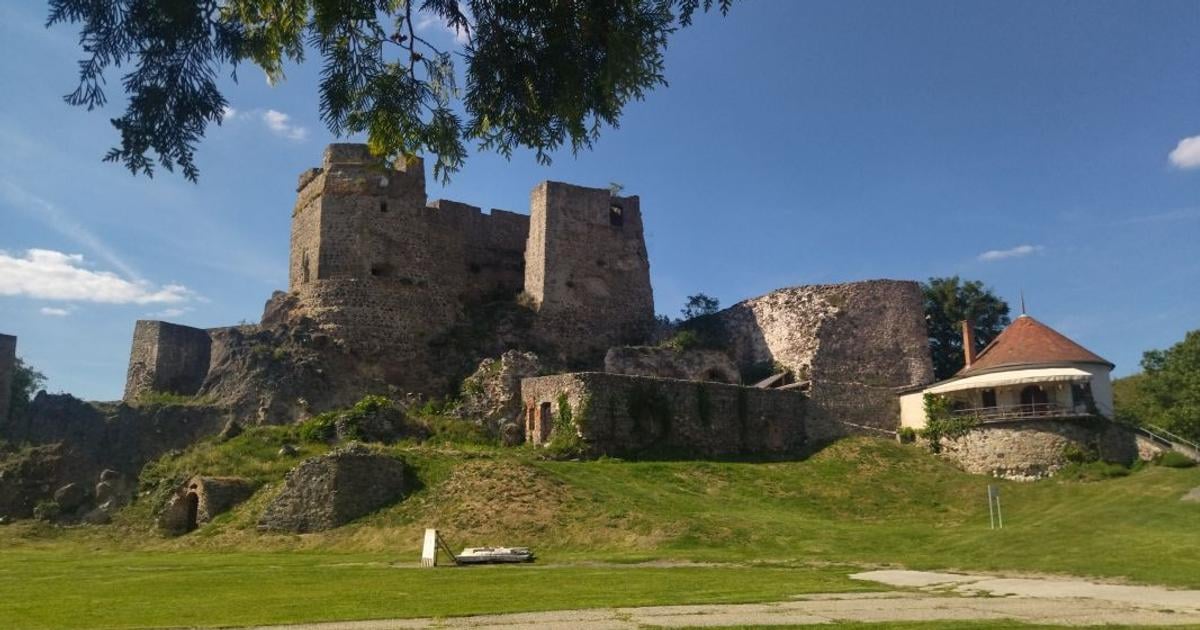
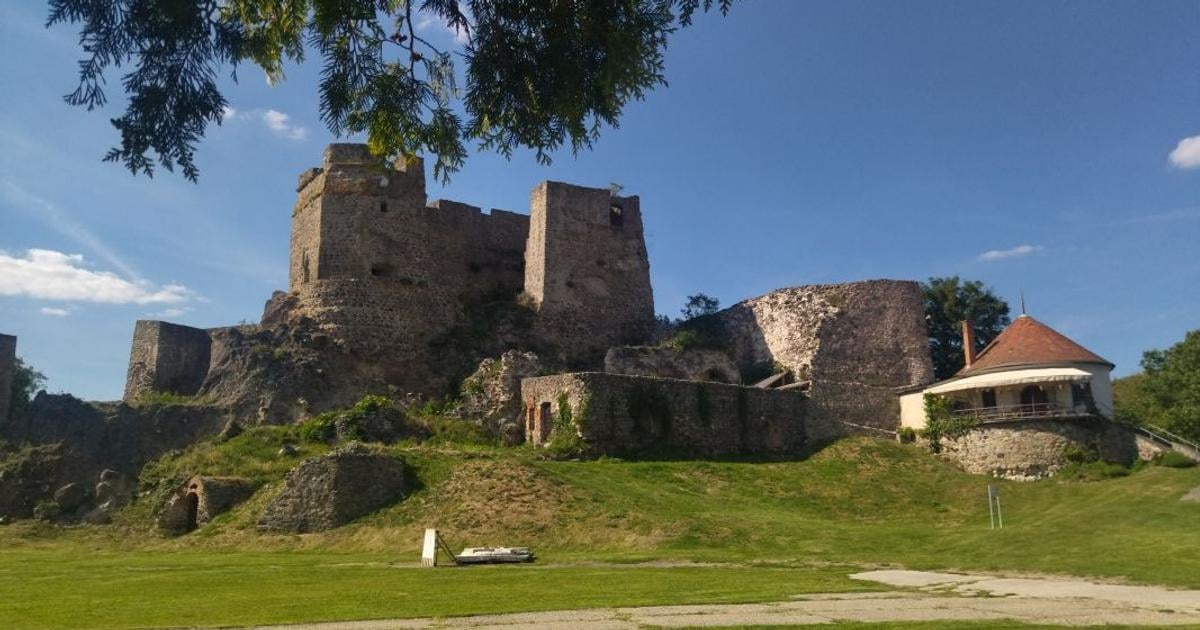
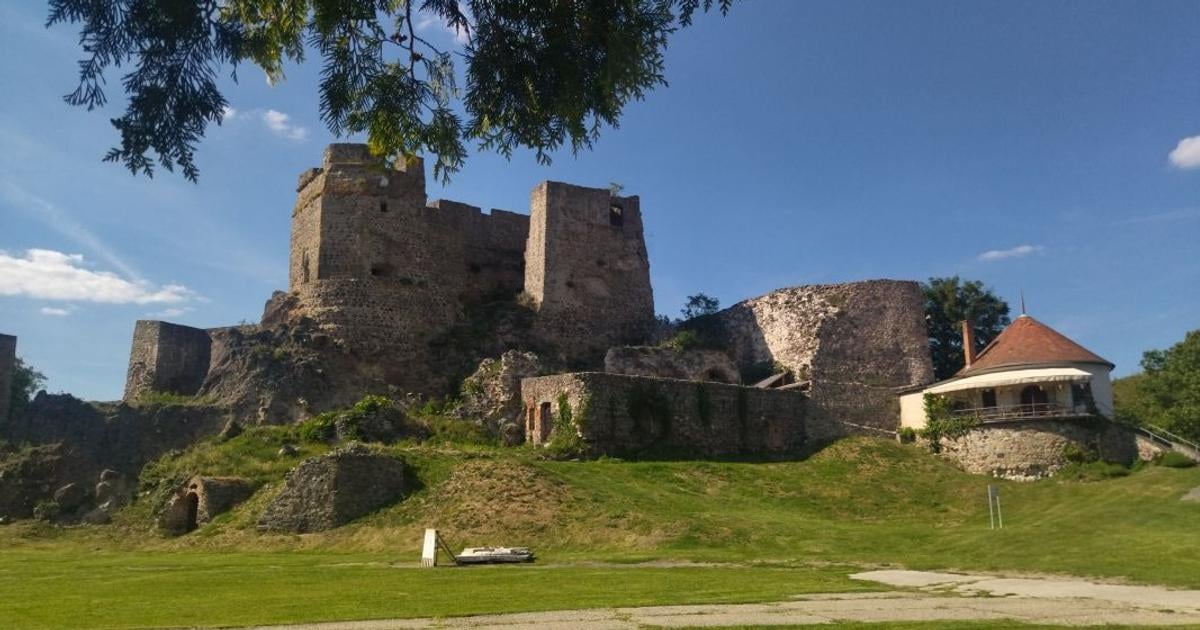
Parking beneath the ruins of Levice Castle, it is easy to miss how close the town centre is. The walk takes less than 10 minutes, but the setting feels removed from the rhythms of everyday life. On one side of the fortress rise rows of socialist-era apartment blocks; on the other, a park slopes gently towards the modern town.
A café occupies one of the castle bastions, and a flight of steps leads into a broad courtyard. On a Friday afternoon in May, the lawn is freshly cut and almost empty. A handful of visitors wander across the grounds. The Tekov Museum, housed within the complex, has already closed for the day.
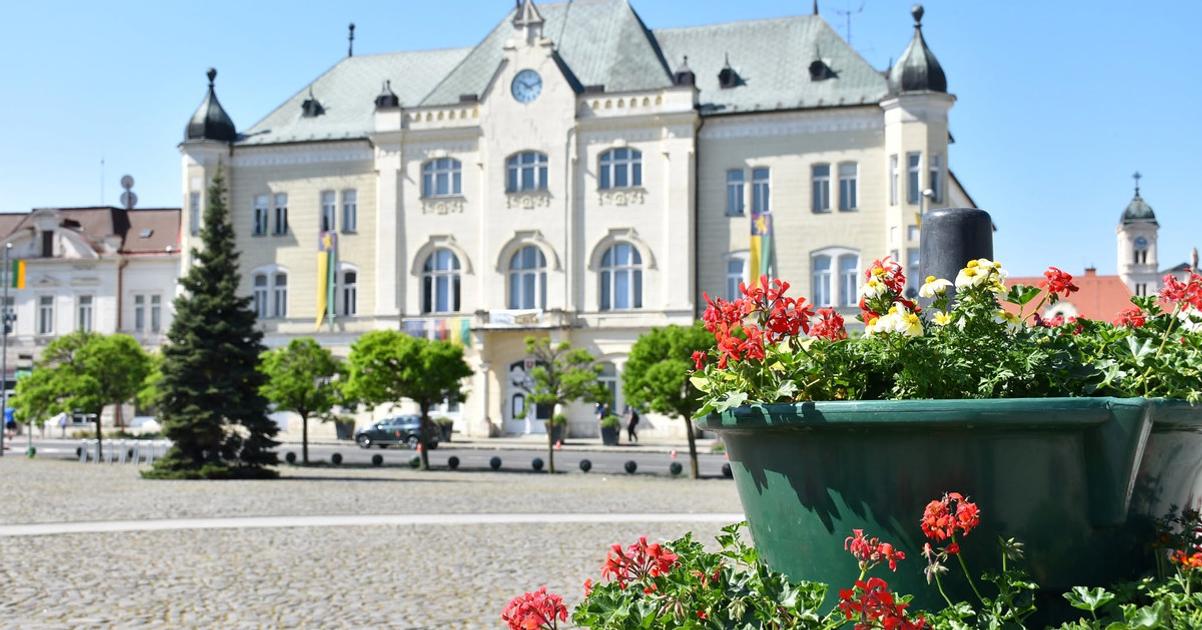
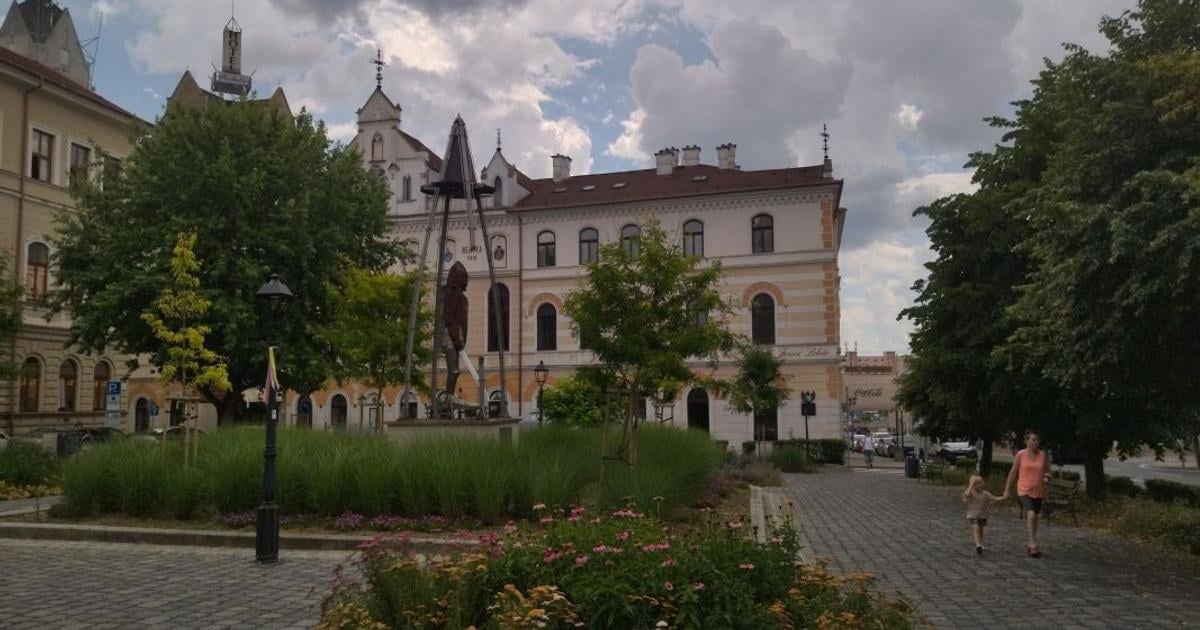
Beyond the castle, the centre of Levice unfolds gradually. The tower of the Roman Catholic Church of St Joseph rises above the surrounding buildings, marking the former Piarist grammar school and monastery.