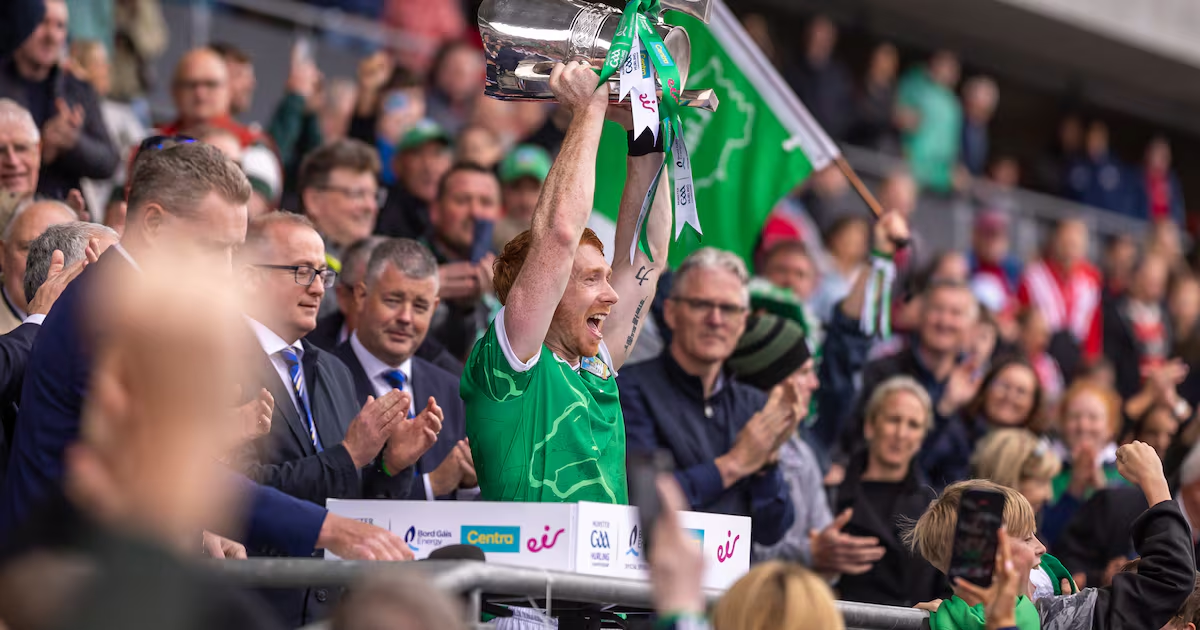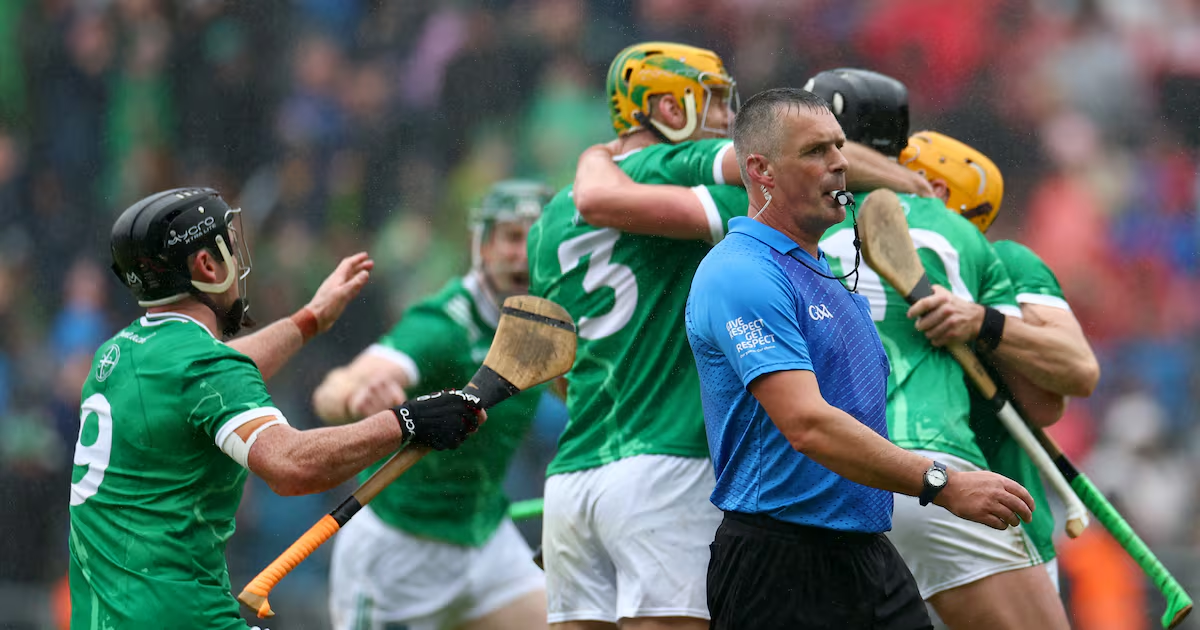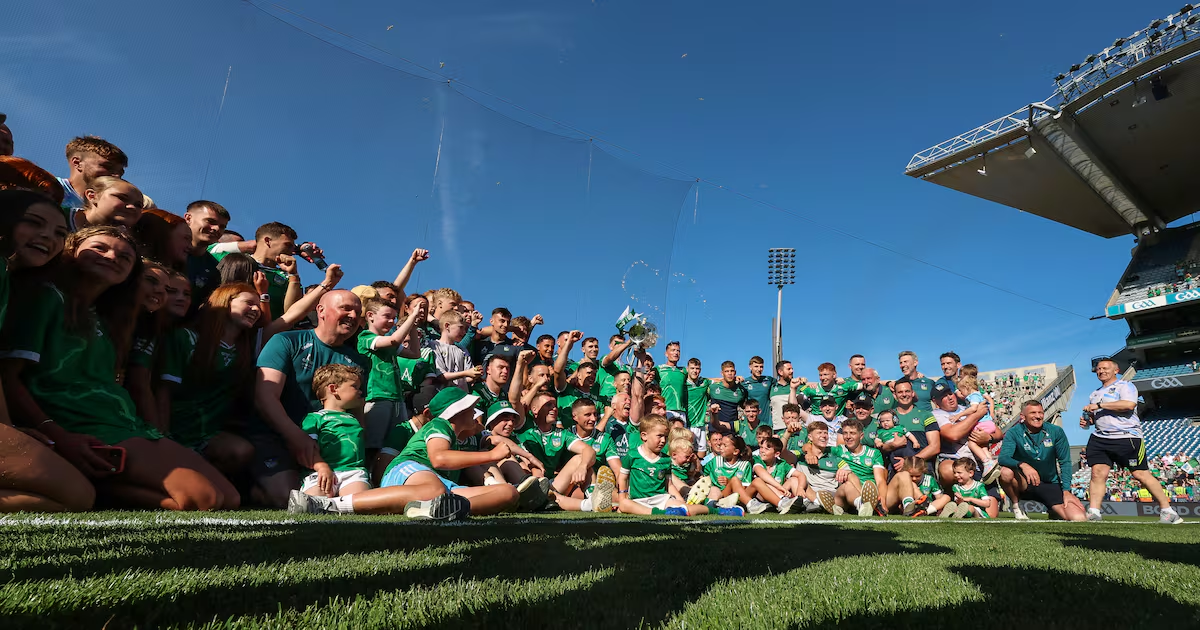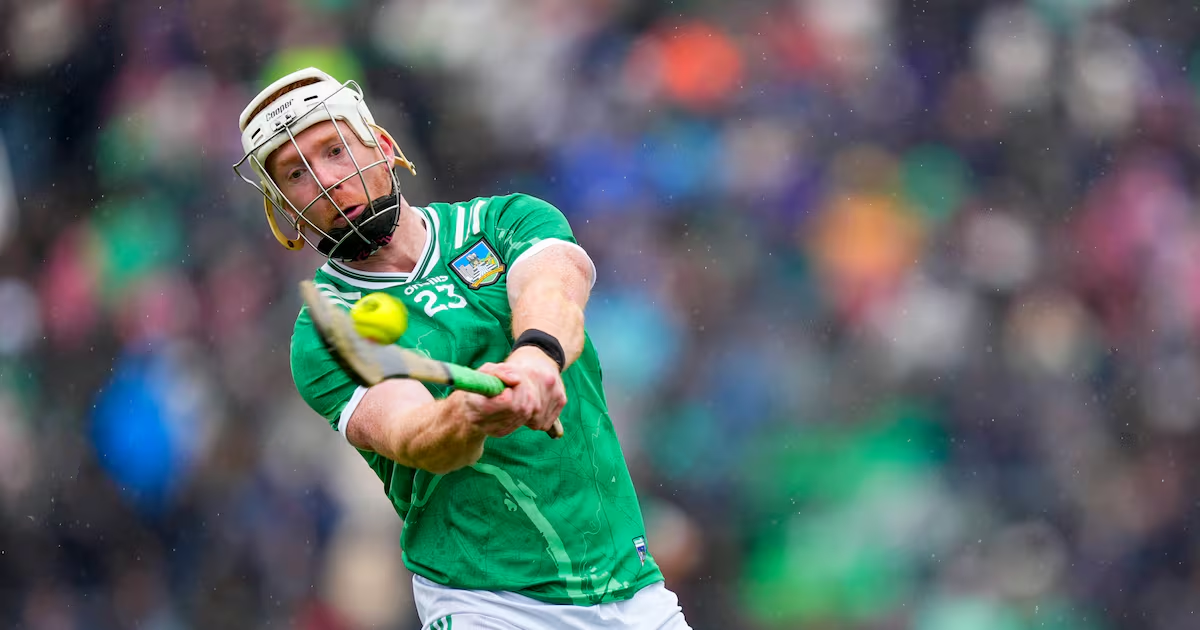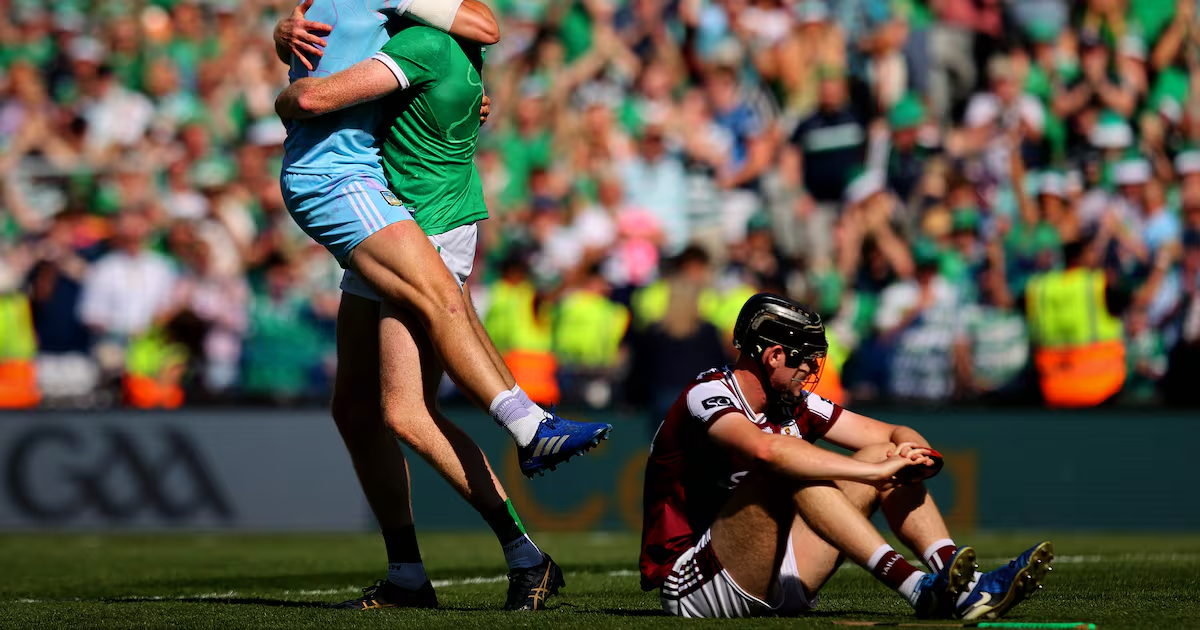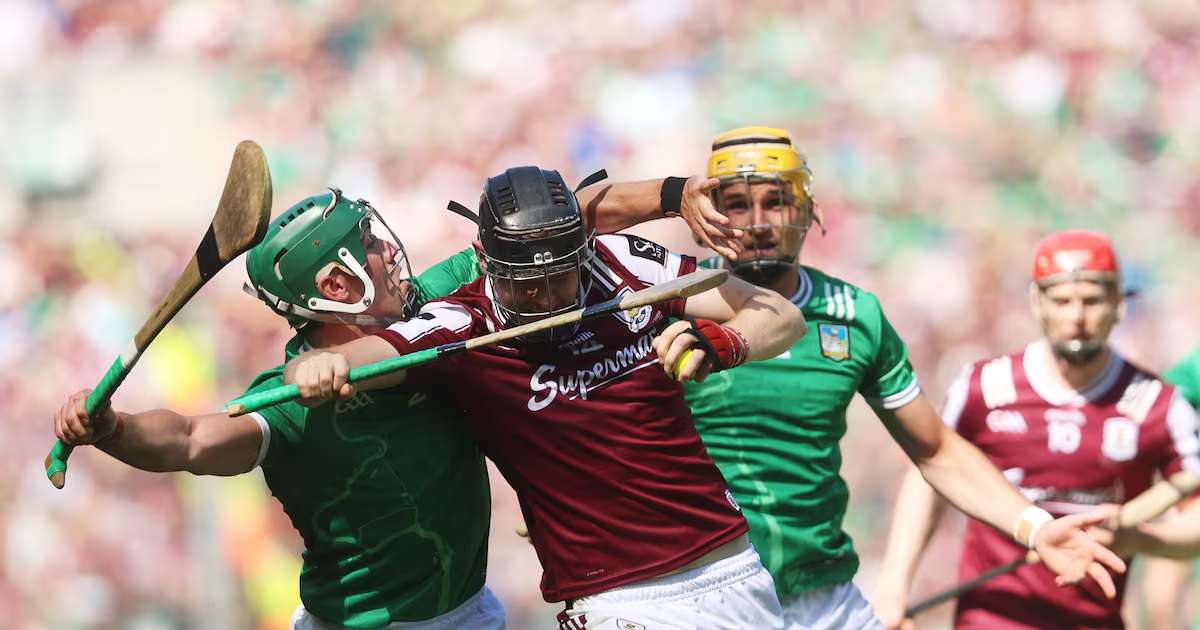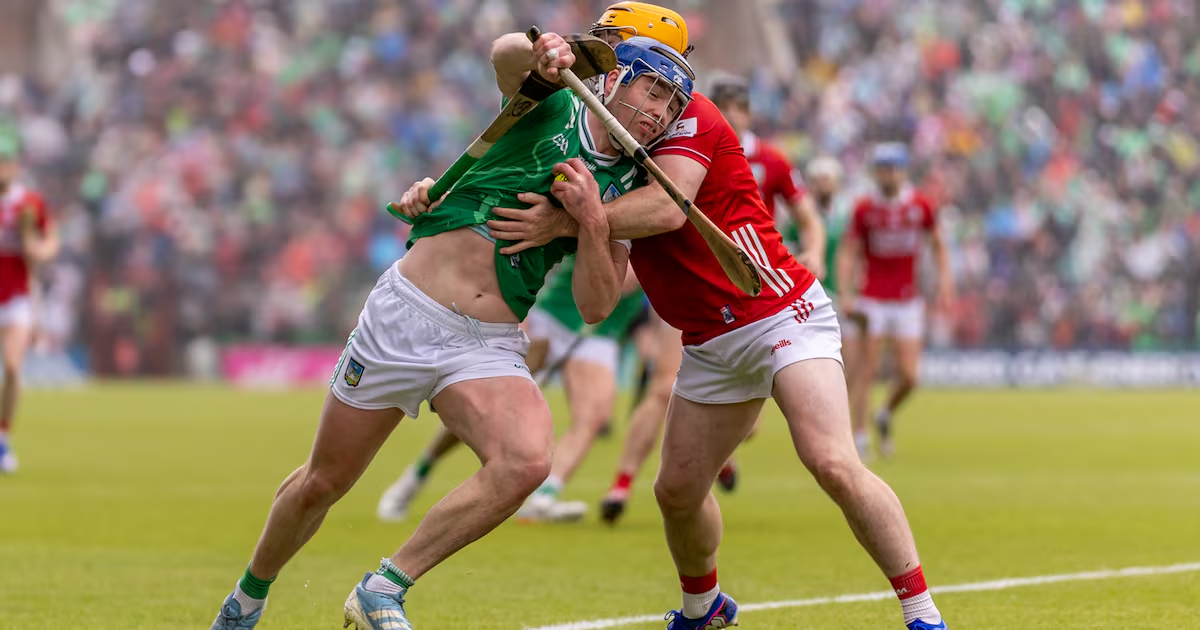
For the second year running, Cork and Limerick produced a Munster final that lived up to every expectation. In difficult conditions at Páirc Uí Chaoimh, Limerick won a seventh Munster title in eight seasons, while Cork was left reflecting on what might have been. The margins were tiny, but several key moments ultimately swung the contest in favour of John Kiely’s side. Cork’s decision not to put the ball into the square at the end when time was up was questionable. At the very least it might have been wiser to hit the ball to space to engineer a point-scoring opportunity.Patrick Collins goes short with a late free despite an extra 2.5 mins of injury time being added on. The game was played on a very slippery surface following heavy rain, making clean handling and precise execution difficult throughout. Yet both teams still managed to produce passages of exceptional quality. The intensity never dropped, with every possession fiercely contested and every score hard-earned. Eoin Downey gets caught on the wrong side of Gearoid Hegarty for the first Limerick goal. Cork started brightly and appeared capable of taking control. Their work rate, physicality and ability to generate scoring opportunities caused problems for Limerick early on. However, despite creating chances, they failed to build the scoreboard pressure their play deserved.Cork were economical in their shooting but they didn't create enough shooting chances. A major factor in the outcome was the influence of Limerick goalkeeper Nickie Quaid. Time and again, he came up with crucial interventions that prevented Cork from converting goal opportunities into the green flags that could have changed the direction of the game.Nickie Quaid makes an outstanding save from Cork's Diarmuid Healy. Patrick Collins also delivered an impressive performance at the opposite end. The Cork goalkeeper produced several important saves and was heavily involved in his side’s build-up play. However, the battle between the two number ones highlighted the fine margins at elite level. Quaid’s interventions proved decisive when it mattered most.Patrick Collins moves quickly to close the angle on Gearoid Hegarty and makes an outstanding reaction save. Statistics from the game suggest Limerick enjoyed greater control. They finished with a significantly higher shot count and created more scoring opportunities from play. Yet the game never felt one-sided. Cork remained within touching distance throughout because of their determination, defensive resilience and ability to respond whenever momentum threatened to swing decisively against them.One of the most interesting tactical elements involved Cork’s efforts to limit the influence of Kyle Hayes. For much of the afternoon they succeeded, restricting his involvement in several key phases. However, elite players require only a single opportunity to make an impact.As the game entered its closing stages and tension intensified, Hayes finally found the space he had been denied for most of the afternoon. Rising high to win possession, he helped create a move that ended with Gearóid Hegarty splitting the posts to level the game. It was a moment that underlined the quality within Limerick’s ranks and their capacity to deliver under pressure.Limerick's scoring threat increased when they moved Peter Casey and Gearoid Hegarty closer to the goal. Limerick’s tactical nous was evident throughout. On several occasions they exploited numerical advantages around midfield, identifying free players and creating overloads that allowed them to advance the ball. Their movement off the shoulder and support running repeatedly opened gaps that Cork struggled to close. Below we see Barry Nash supporting the play and getting ahead of the ball, receiving the pass from Cian Lynch that leads to a vital point. A turnover in defence quickly became an attacking opportunity as Limerick transferred possession through supporting runners, creating a three-versus-two situation in midfield before finishing the move with a point. It was a simple example of how quickly they can punish even minor structural weaknesses.Smart running from Limerick helped create scores like this first half effort from Barry Nash, highlighted in the spotlight here. The rivalry between these counties continues to elevate standards. Every meeting appears to force both teams to improve, adapt and search for new solutions. The physical demands are enormous, but the tactical battles are equally fascinating.Cork can certainly take positives from the performance. Their commitment was unquestionable and they remained competitive throughout. Players such as Diarmaid Healy, Tim O’Mahony and Sean O’Donoghue showed tremendous determination. Cork created enough opportunities to suggest they remain genuine All-Ireland contenders, however they only scored 1-6 from play and struggled under contested puckouts, only winning 5 out 15 (33 per cent).There will be frustration over missed chances, for both goals and points, and moments where execution fell just short. Against a side as experienced and ruthless as Limerick, those moments are often decisive.Beyond the result, there is the significance of this rivalry. Cork and Limerick have become the benchmark for excellence in modern hurling. Their contests consistently combine skill, intensity, tactical sophistication and drama.For Limerick, the victory reinforces their status as one of the greatest teams of the modern era. For Cork, it serves as confirmation that they are operating at the very highest level. A prime example of their play was Brian Hayes’ goal, which used brilliant movement, angle of running and handling to carve open the Limerick defence. Diagonal run by Brian Hayes helped create the chance for Cork's second goal. Hayes managed to improvise a brilliant finish past Quaid from a sitting position. If the teams meet again later in the championship, few would be surprised. Cork need to trust their bench and get Darragh Fitzgibbon back. It could yet be the summer they have been waiting for.♦ Jeffrey Lynskey managed Galway to three All-Ireland minor hurling titles and is a selector with the Laois senior hurling team. He holds an MSc in performance analysis.
Limerick’s dominance under puckouts and quality of execution tilted game in their favour
Statistics from the Munster final suggest Limerick enjoyed greater control than Cork, yet the game never felt one-sided
958 words~4 min read