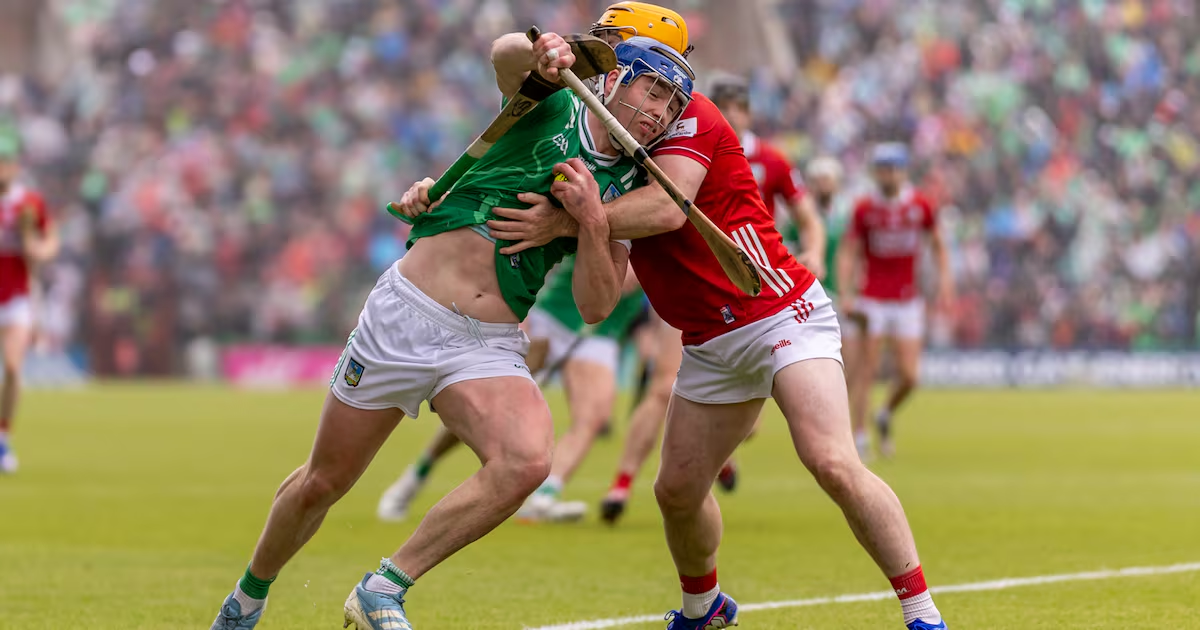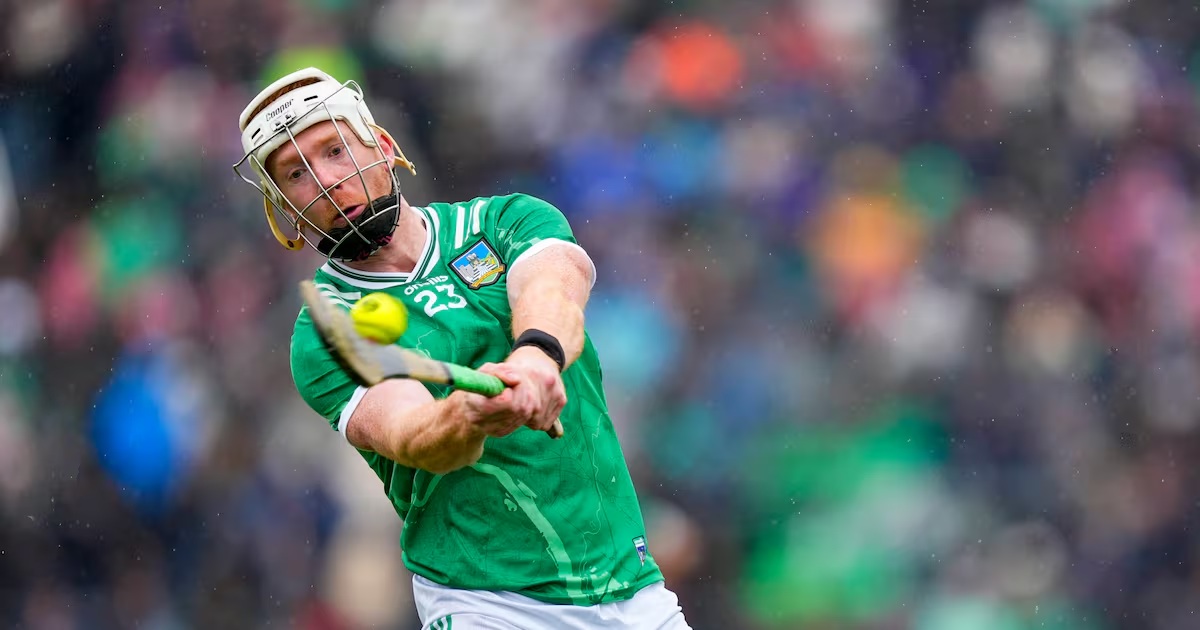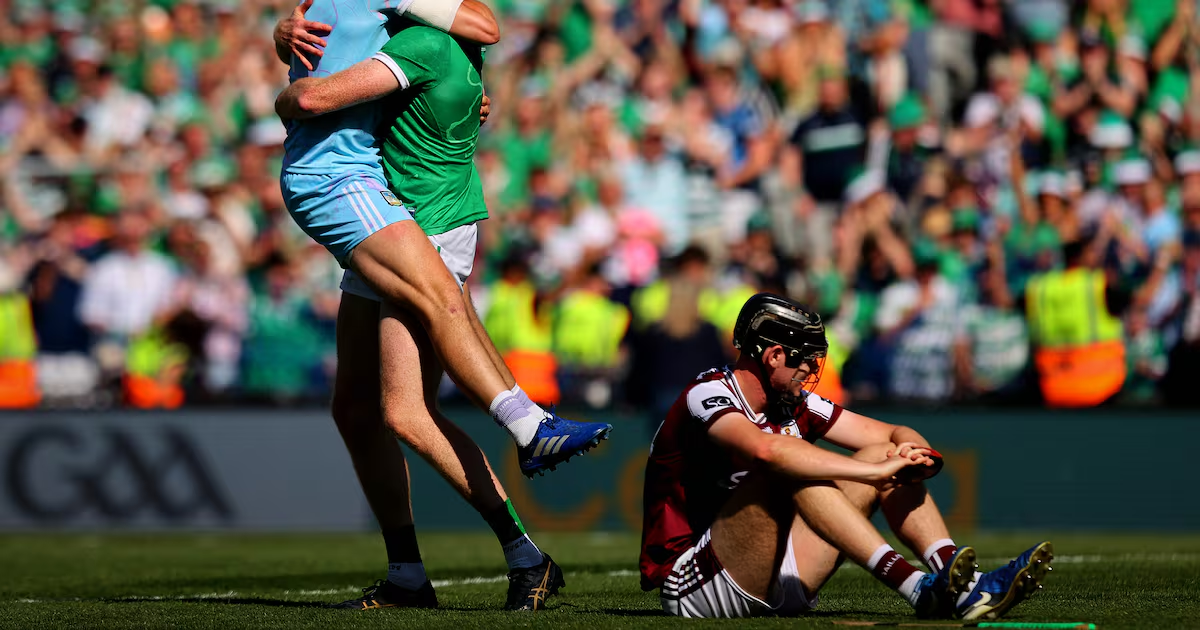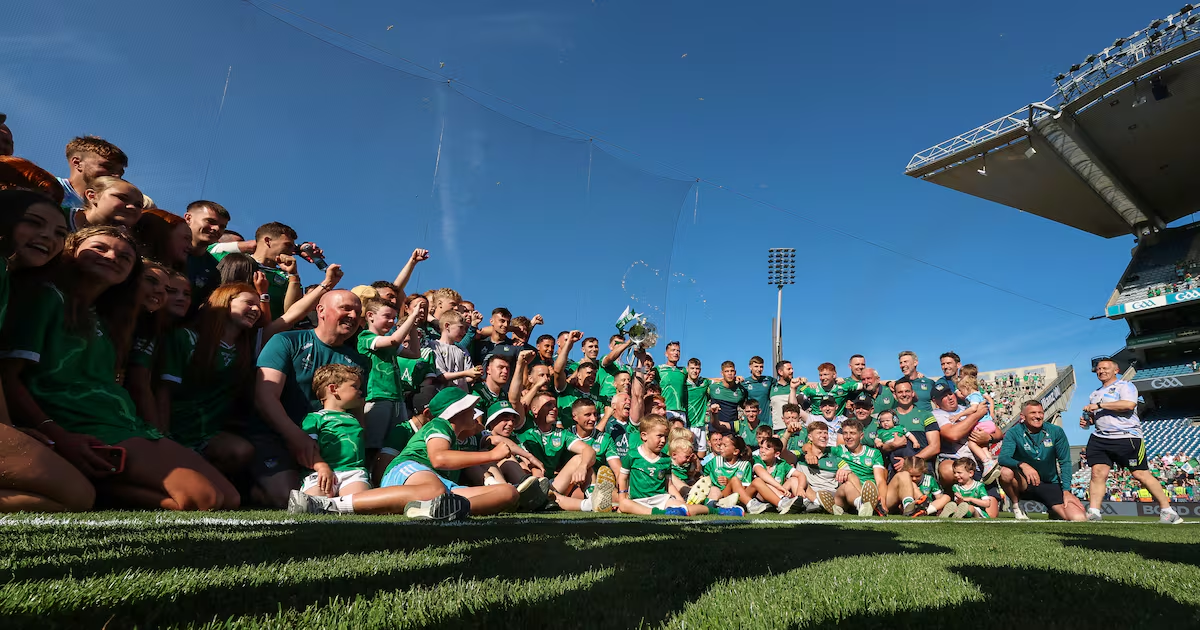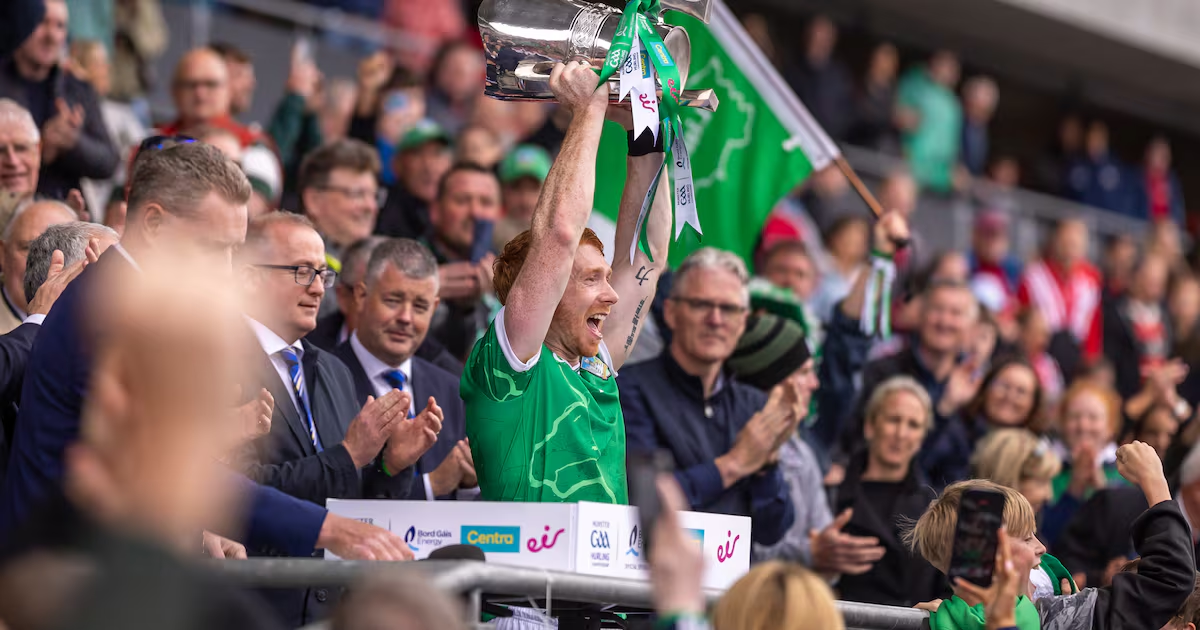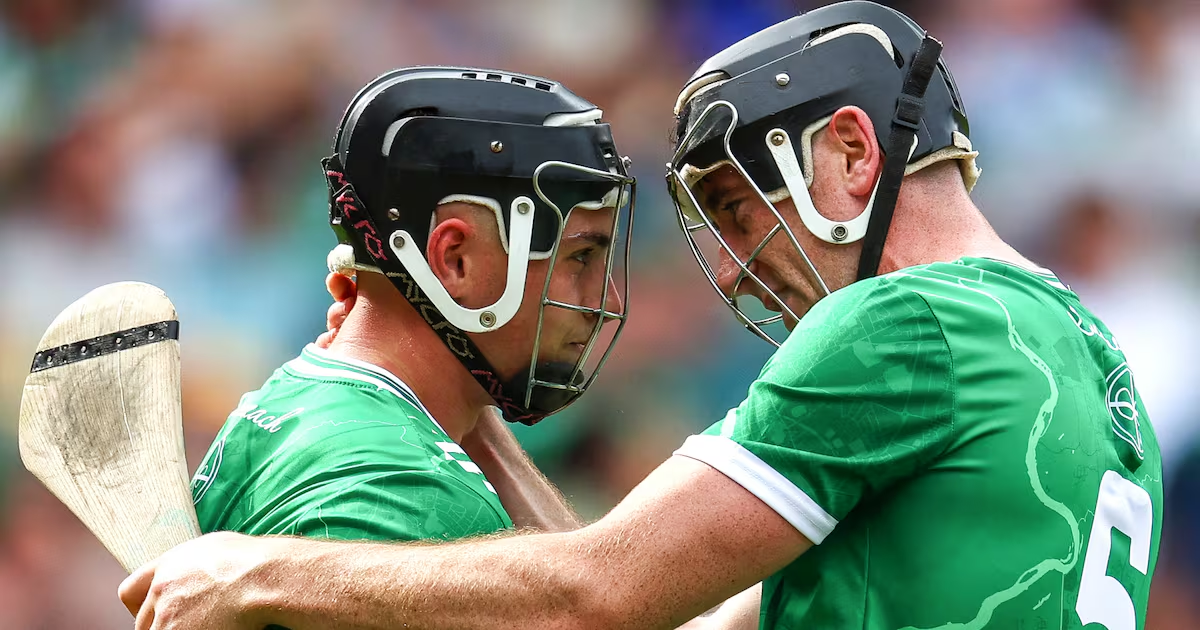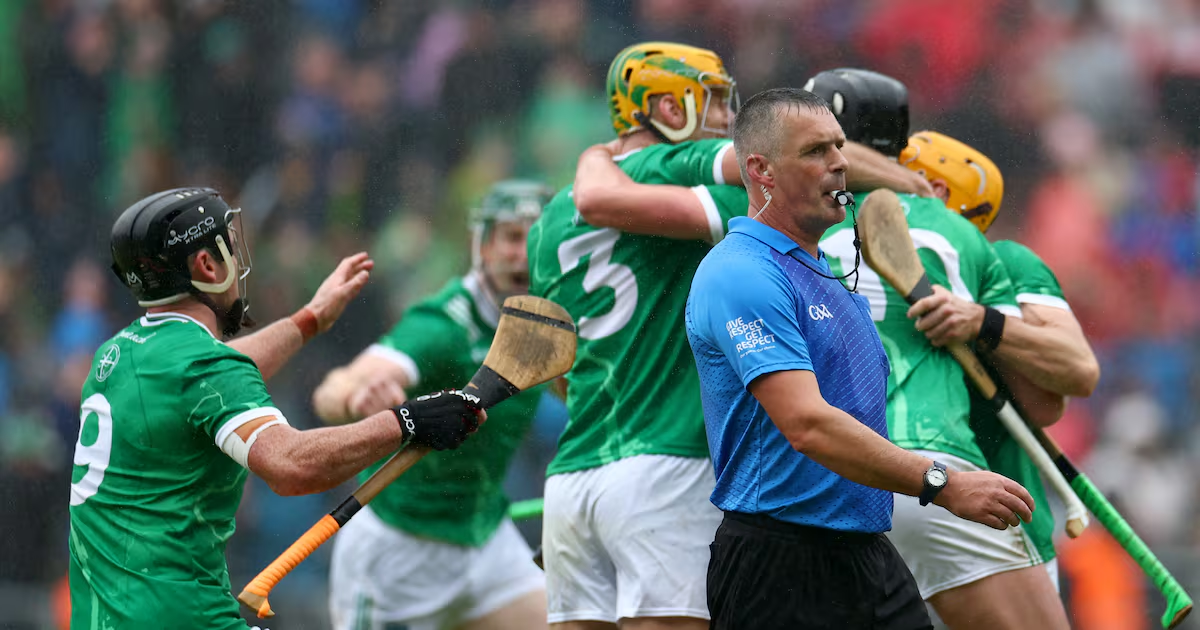
While Cork were aggrieved at the end of the Munster final that referee James Owens had finally blown the whistle, I think Limerick were the better team – even if it took a while for them to win it in the end.They had far more chances but missed a lot, which if scored would have stretched it out for them in the end. I also think that teams are better off avoiding extra time, which is often a lottery and if they lose ends up with them battling fatigue in a fortnight.It was a really treacherous day for hurling with the heavy rain but the counties were well matched and gave us yet another entertaining contest. Both enhanced their All-Ireland credentials, or at least neither suffered a downgrade. Limerick were clearly delighted with regaining Munster but Cork didn’t lose any face in defeat.Maybe they were unhappy at the end because of the free count and some questionable awards against their forwards, but they more or less maxed out with the chances created and a high conversion rate. Half of their forwards didn’t score from play and they struggled to get the ball in behind Limerick’s half-back line.Limerick manager John Kiely has always placed emphasis on “efficiencies” and he would have recognised that these weren’t operating at maximum and that the team play was a bit off.They did have a good few players going well; Darragh O’Donovan, who got on a lot of ball at midfield and orchestrated the play brilliantly from there, looks back on song after injury and half backs Diarmaid Byrnes, Will O’Donoghue and Kyle Hayes, who thundered into it in the closing phases.Nickie Quaid produced outstanding saves from Diarmuid Healy and, especially, Mark Coleman. Peter Casey’s strong finish produced excellent points to push Limerick in front. Gearóid Hegarty was also in great form, especially on being switched to the full forwards.Less predictable was the difficulty Aaron Gillane experienced and it was most unusual to see him being substituted. Aidan O’Connor’s free-taking wasn’t bulletproof and that will be a worry going into the last four to play Clare or Dublin.Limerick’s David Reidy and Darragh O'Donovan celebrate beating Cork in Páirc Uí Chaoimh. Photograph: James Crombie/©INPHO Cork’s defence was sound, which will have been reassuring for Ben O’Connor, as will the return of captain Darragh Fitzgibbon, but they need more from their forwards. Losing the Munster title wouldn’t have been part of their plan but in truth, only one title matters for them this year and they’re still in contention for that.My sense that Galway – who will likely face Cork in the semi-final – would need to win the Leinster final if they were going to impact in the All-Ireland was vindicated with a very energetic display and some excellent hurling. It went a long way to allaying the doubts created by some uneven performances in the Leinster round robin.From the off, you could tell they meant business and early scores put them in control. Cathal Mannion was sitting back from an early stage and they created a lot of attacking space. Jason Rabbitte was often up front on his own and while he didn’t score much, his ball-winning and ability to draw frees was impressive.I was excited by Rory Burke’s return and he showed what he’s capable of in creating Galway’s first goal. His run straight at goal meant it wasn’t straightforward to put the ball across to Darragh Neary, but he managed it well and the finish was unarguable.Unfortunately, Burke had to leave injured just afterwards and my experience of hamstring injuries would suggest it will be a struggle to get back this season in the six weeks remaining, which is a shame for him and a big loss for Galway.They were impressive, though, in how they performed, which was much more in keeping with the big wins over Kilkenny and the competitiveness they showed in the league against the top teams.Galway’s Darragh Neary celebrates scoring a goal against Dublin. Photograph: James Crombie/©INPHO They spiked Dublin’s big guns. Daithí Burke is like Ronan Maher in that he thrives on dropping ball. For John Hetherton and Dublin it was a case of diminishing returns. Dónal Burke was kept very quiet and Galway did a great job on curtailing Brian Hayes’s space.He managed a couple of runs at full tilt and set up scores but was largely crowded out and his frustration showed in a couple of pressurised passes that went astray.Galway were well able to manoeuvre space for themselves. Tom Monaghan was Man of the Match but he shot seven points – often from open ground with nobody near him.It was a very good tactical set-up by Micheál Donoghue. He’s a very intelligent manager and has rebuilt an ageing team by bringing through young talent, and they are definitely going in the right direction. With a month to work on for an All-Ireland semi-final, I think they’ll be a handful for Offaly or, more likely, Cork.One concerning element of the Leinster final was the number of injuries. By my count, five players were replaced because they couldn’t go on. Rory Burke and Brendan Kenny were playing well when hamstring issues forced them off. Daithí Burke hurt his knee and Ronan Glennon and Liam Rushe both injured their ankles.In Munster, a day later, Limerick lost Cathal O’Neill with a hamstring pull.[ The GAA has too many rules. Just look at the Ger Brennan and Jim McGuinness casesOpens in new window ]Is this because of the relentless schedule? Dublin and Galway were playing for the sixth time in eight weeks and on wildly fluctuating surfaces from spring hurling to Croke Park in June even if the weather was cold and miserable on Saturday.I have well-worn reservations about the concertinaed scheduling of the championship from a promotional point of view. Are there also player welfare implications?
Limerick looked better than Cork and are deserving Munster champions
In Leinster, Galway are clearly a team on the move and eased past a disappointing Dublin. They won’t be pushovers in the All-Ireland semi-final
976 words~4 min read