As Europe's homes adopt solar panels, heat pumps, and electric vehicles, a fragmented patchwork of proprietary systems threatens to undermine the continent's climate ambitions
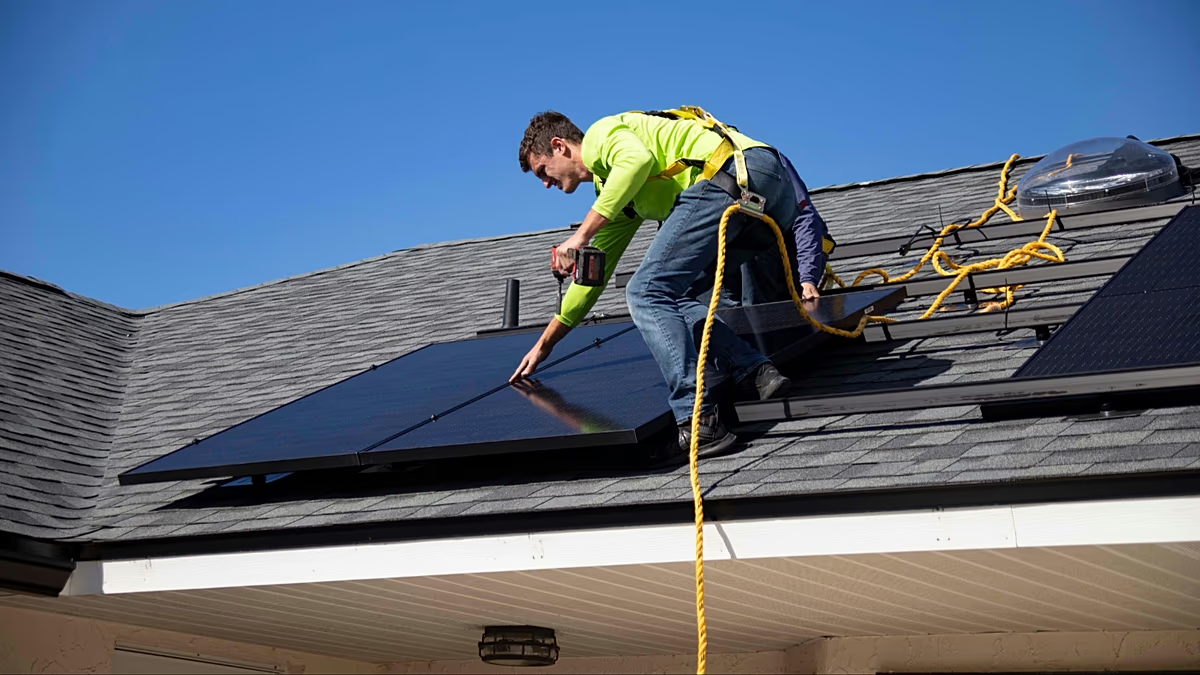
Walk into a newly renovated European home today, and you might find a rooftop solar installation feeding a battery, a heat pump keeping the radiators warm, and an electric vehicle charging in the garage. On paper, these assets represent a miniature clean energy system. In practice, they are often strangers to one another – unable to communicate, unable to coordinate and unable to deliver the grid flexibility that Europe’s energy transition desperately needs.
That disconnect is increasingly at the centre of policy debates in Brussels and beyond. The question of how to get Europe’s growing fleet of distributed energy devices to talk to each other is becoming a central question of the energy transition. “Common standards are important for interoperability but also for consumer trust,” said centre-left Spanish MEP Nicolas Gonzales Cesares at a recent Euractiv event.
“You can imagine that if someone invests in a digital solution for their home and then buys a lightbulb from another company that doesn’t work with it – they’ve wasted their money. And this happens again and again.”