New report from the European Climate Neutrality Observatory says the grid expansion, electricity storage and flexibility needed to use renewable power at scale in Europe is not moving fast enough.
Grids, storage, flexibility and demand-side electrification are not keeping pace with Europe’s growing renewables fleet, according to a new report by the European Climate Neutrality Observatory (ECNO).
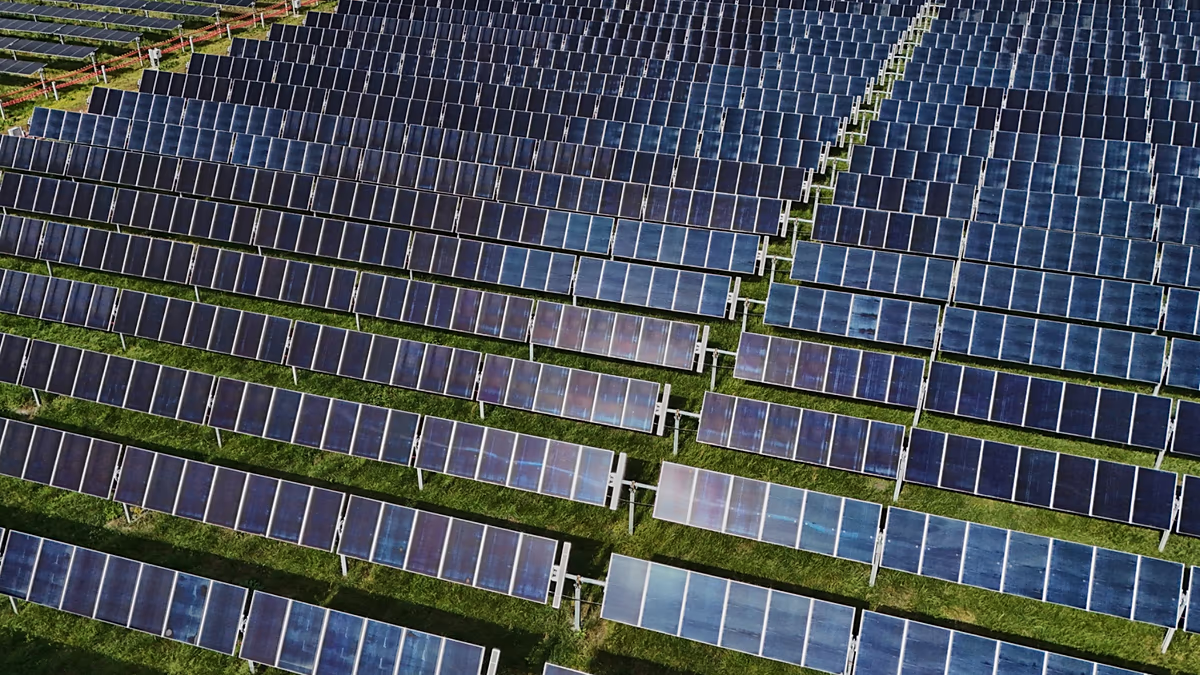
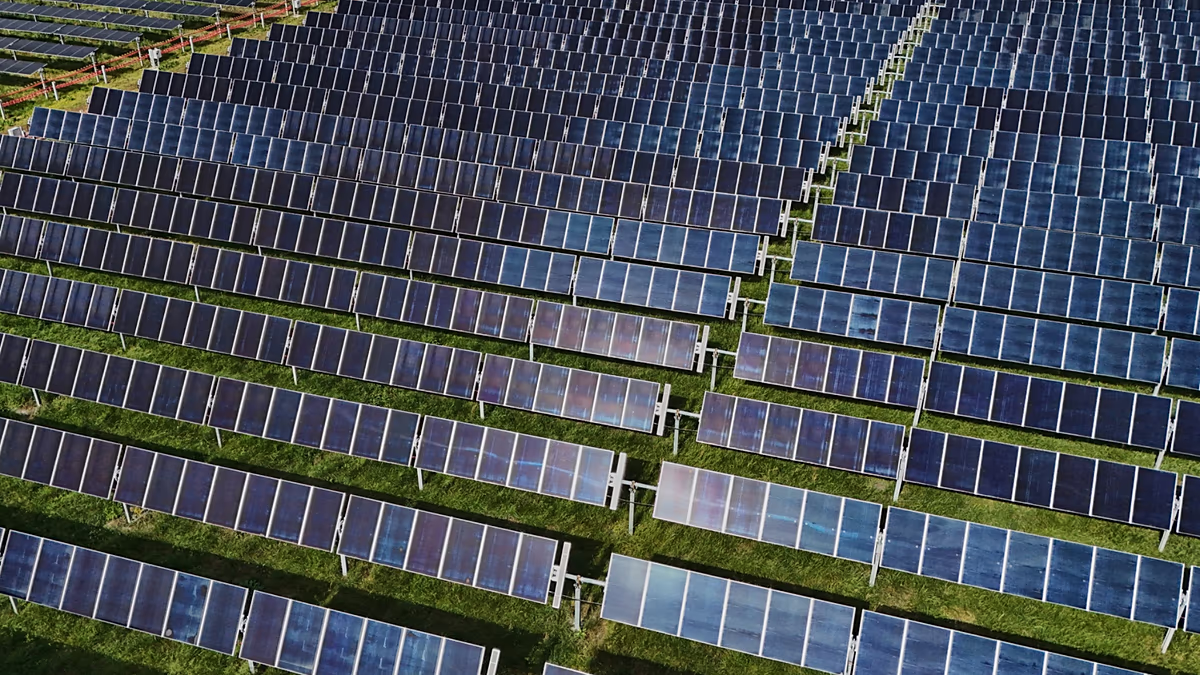
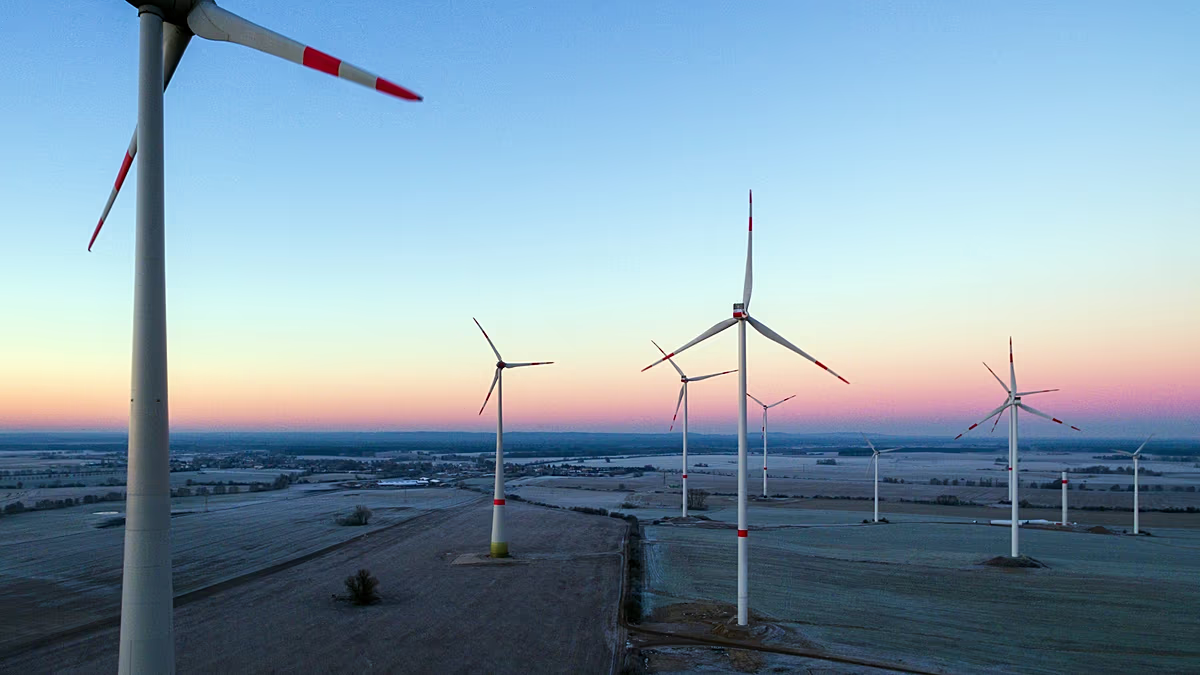
The thinktank’s 2026 flagship report assesses Europe’s progress toward climate neutrality across key sectors. It found that variable renewables, consisting of solar and wind energy, reached 30% of EU electricity generation in 2025 but says their share rose “far too slowly” between 2020 and 2025 to remain on track towards a targeted 58% share by 2030, a benchmark identified in the European Commission’s impact assessment as the level consistent with its proposed 2040 climate target.
Curtailment and flexibility limitations are highlighted as key reasons as to why the share of variable renewable electricity is rising slower than installed capacity figures would suggest.
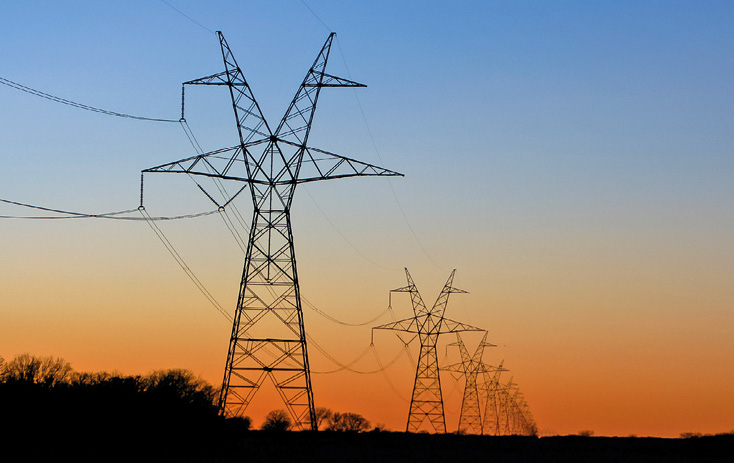
“Our analysis points to the need for faster and better coordinated grid expansion, including shorter grid connection times, so that renewable electricity and electrification projects are not delayed by infrastructure bottlenecks,” Eike Velten, Director of the Climate Programme at Ecologic Institute and lead author of the report, told pv magazine. “This should cover distribution grids explicitly, not only transmission grids.”