EU planning scenarios show electricity demand rising sharply toward 2050 as electrification accelerates, with battery storage emerging as a key flexibility and system-balancing technology alongside hydrogen.
Europe is heading toward a structurally higher electricity system as electrification of transport, heating, industry, and hydrogen production reshapes long-term demand, according to draft scenarios for the Ten-Year Network Development Plan (TYNDP) 2026.
The analysis, developed by ENTSO-E and ENTSOG under guidance from the EU Agency for the Cooperation of Energy Regulators (ACER), provides a joint planning framework for electricity, gas, and hydrogen infrastructure through 2050. It does not forecast a single outcome but tests multiple system pathways under different economic and policy assumptions.
Across the scenarios, electricity demand is expected to rise by about 20% over the next decade even as total final energy consumption declines due to efficiency gains. Electrification of transport and heating, expansion of data centers, industrial switching, and hydrogen electrolysis are identified as the main drivers.
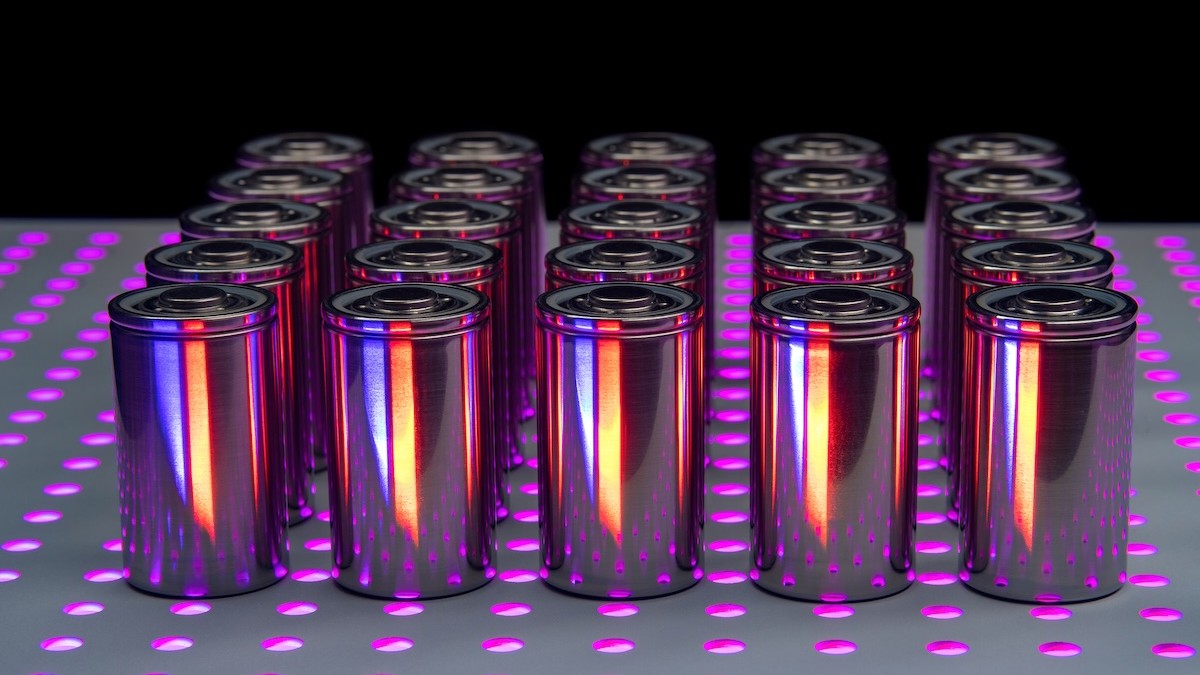
System planners highlight that the increasing share of variable renewable generation will require significantly more flexibility resources, with batteries positioned as a core technology for short-term balancing, congestion management, and renewable integration.