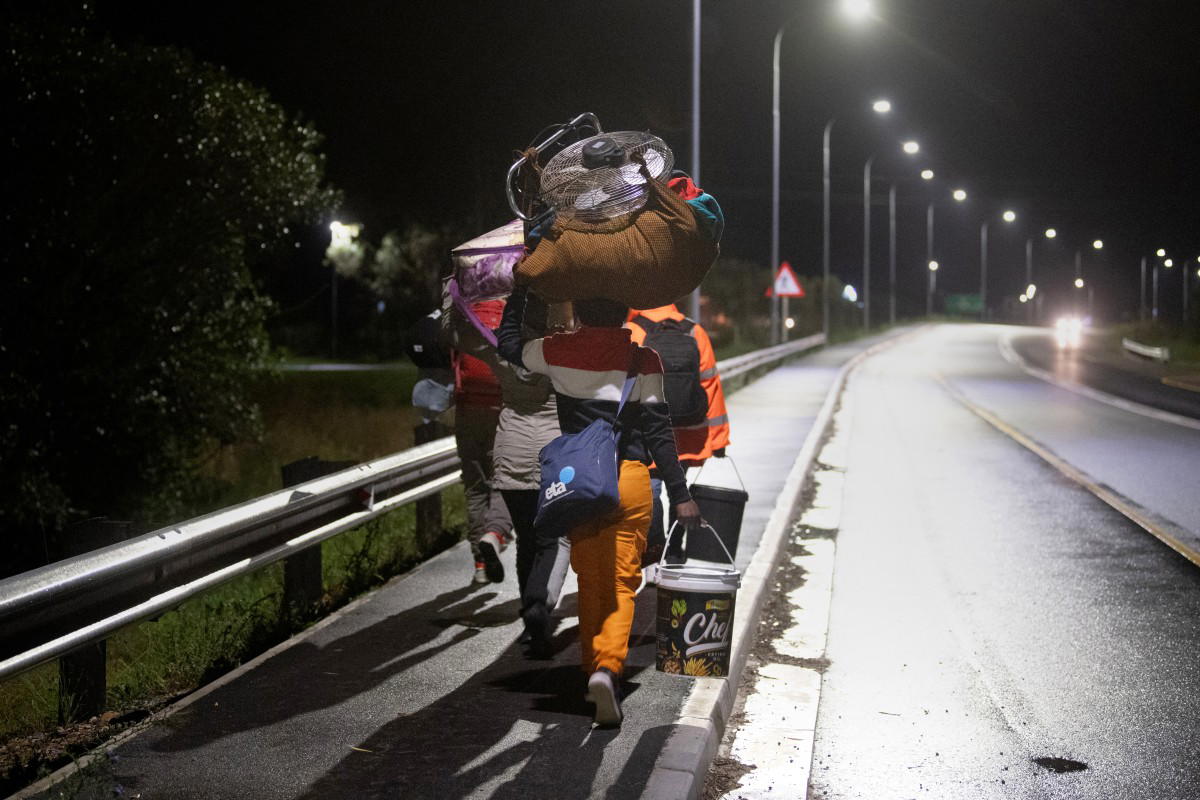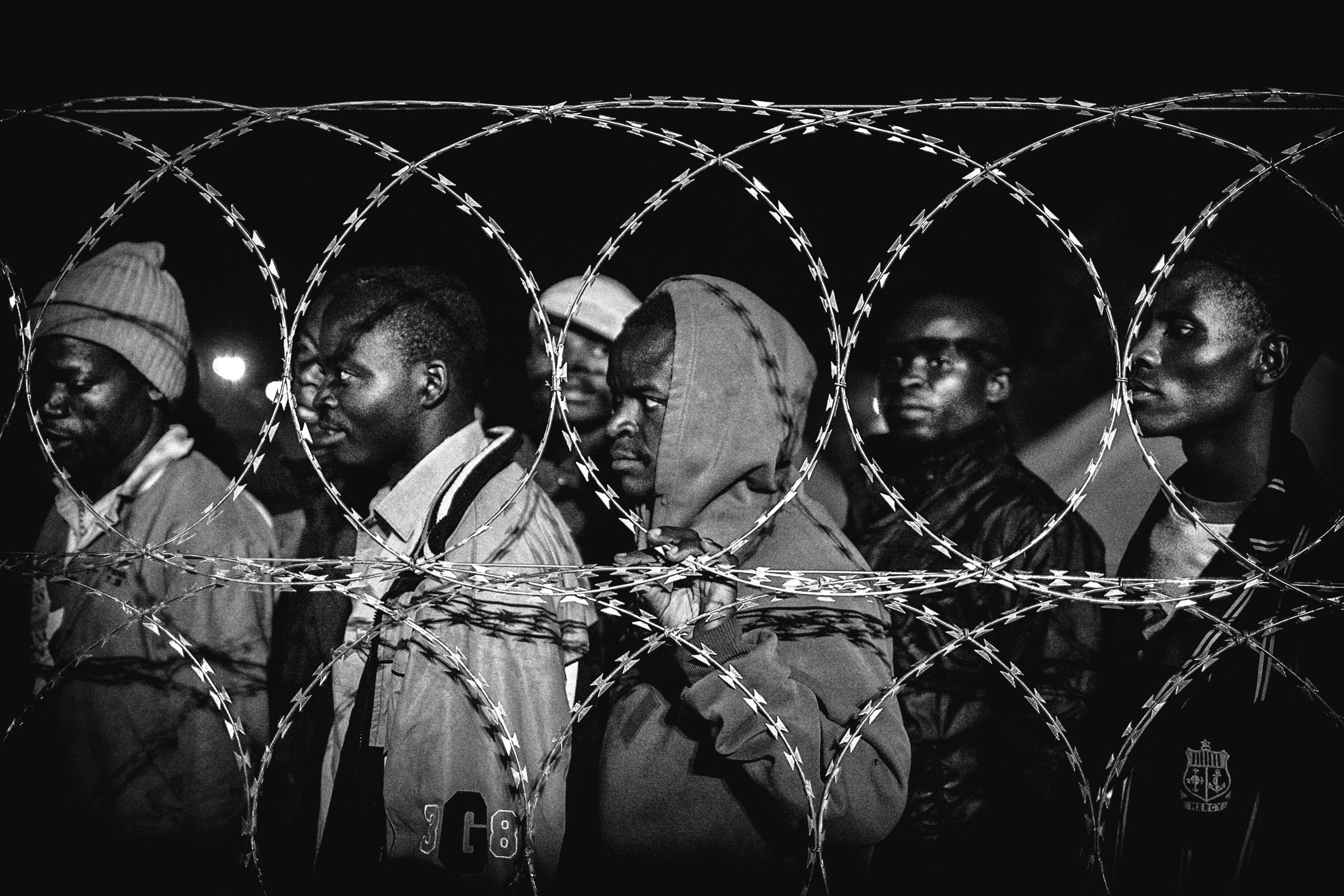
The lack of clarity about which foreigners must go has translated into the victimisation of some who are not targets, including South Africans who look like those who are unwelcome. (Gustav Butlex)
During apartheid, South Africans preferred Afrikaners because we knew where we stood with them. If they did not like someone, they made it clear, unlike English-speaking white people who were perceived as masking prejudice behind politeness, their grins being one of the most commonly cited examples of their deceitfulness.
The “foreigners must go” campaign seems to be characterised by a similar confusion to the one experienced with English-speaking white people. The narrative is framed in several ways: “foreigners must go”, “undocumented foreigners must go”, “foreigners involved in crime and drug trading must go” and so on. The lack of clarity about which foreigners must go has translated into the victimisation of some who are not targets, including South Africans who look like those who are unwelcome.
The narrative is reminiscent of the “settlers must go” statements used by the Pan Africanist Congress, among others. Ironically, the foreigners-must-go statement is also used by some white people.