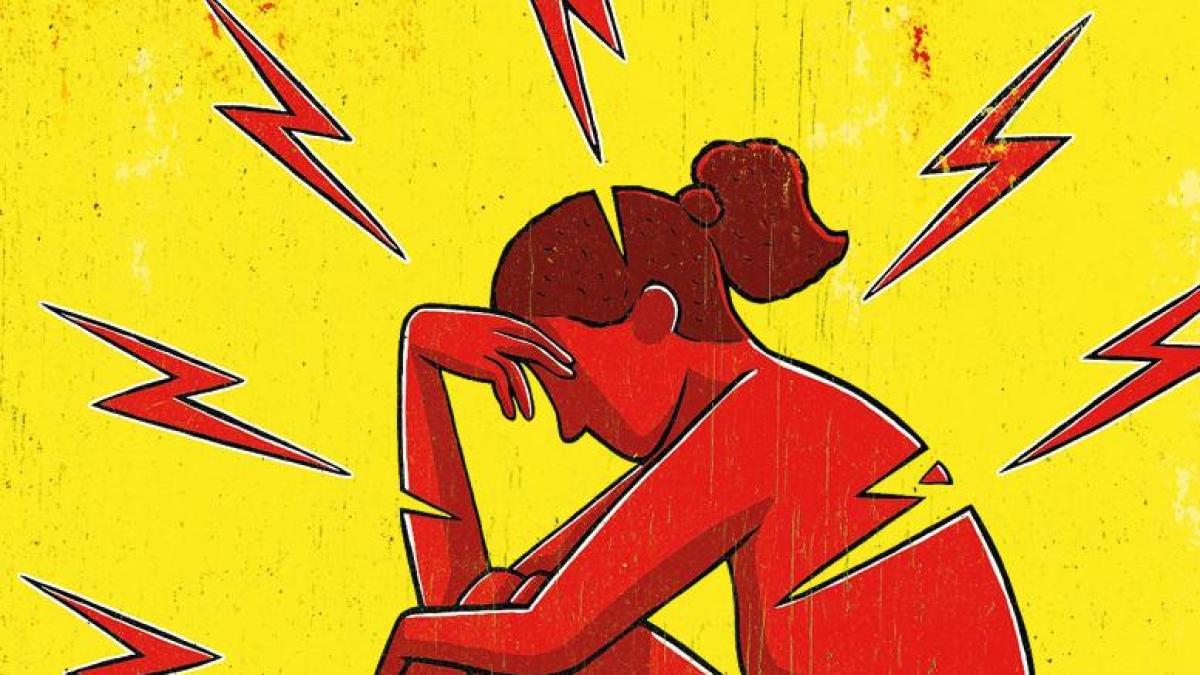
Constantly feeling stressed could have a lasting affect on your health13:35, 09 Jun 2026A doctor has issued a warning about stress, explaining how it could raise your risk of getting a chronic health condition. According to the expert, you could be more likely to develop diabetes as a result of a stressful lifestyle.Many of us experience stressful situations from time to time. However, constant or long-lasting stress could be more common than you think. A survey by VitalityHealth in 2025 found that more than one in five (22 per cent) Brits admit to feeling stressed every day and a further 21 per cent say they are seriously stressed at least once a week.In a video uploaded to social media platform Instagram, Doctor Amir Khan explained why this could be dangerous. Dr Amir, who is best known for his appearances on ITV, said that there could be a link between stress and diabetes.He said: “Let's talk about stress, cortisol, and insulin resistance because this is something I get asked about all the time and talk about all the time in my diabetes clinic. Now, when we're stressed, our bodies release stress hormones, including cortisol.Content cannot be displayed without consent“Now, as I've said before, cortisol isn't a bad thing, it's actually designed to help us survive. Thousands of years ago, if we were being chased by a predator, cortisol would rise, help release stored energy into the bloodstream, so we could run for our lives.“The problem is that our bodies don't really know the difference between being chased by a lion and worrying about work, finances, family, responsibilities, all of that never-ending to-do list.“A stress response gets switched on either way.” He went into more detail about how this impacts the body.“When cortisol rises, it tells the liver to release more glucose into the blood,” he said. “To deal with that extra glucose, the pancreas releases insulin.“If stress is short-lived, that's perfectly normal. But when stress becomes chronic and cortisol levels stay elevated for weeks, months or even years, insulin levels stay high too.“Now, over time, the body’s cells can become less responsive to insulin. It's a bit like constantly knocking on a door so often that eventually nobody can be bothered to answer it.“The pancreas then has to produce even more insulin to get the same effect. That's what we call insulin resistance.”Cortisol could also play a part in your body’s cravings. He continued: “And here's another twist. Cortisol can increase cravings for sugary, fatty, high-calorie foods, disrupt sleep and encourage fat storage around the tummy area, all of which can worsen insulin resistance.“So, stress doesn't directly cause diabetes or type 2 diabetes overnight, but chronic stress can create the perfect environment for insulin resistance to develop, particularly when it's combined with poor sleep, inactivity and weight gain, all of which can be caused by chronic stress as well.“That’s why managing stress isn't just about mental well-being. Looking after your stress levels, prioritising sleep, exercising regularly, and taking time to switch off can have a genuine impact on your metabolic health.”His advice is supported by Diabetes UK. On its website, the charity said: “If you’re feeling stressed, your body releases stress hormones like cortisol and adrenaline. This should give you an energy boost for a ‘fight or flight’ response. But the hormones actually make it harder for insulin to work properly, known as insulin resistance. As energy can’t get into your cells, your blood sugar levels rise.“If your blood sugar levels go too high, it’s called going hyper (full name hyperglycaemia). We’ve got more information about hypers, how to avoid them and how they’re treated.“If stress doesn’t go away, it can keep your blood sugar levels high and put you at higher risk of diabetes complications. It can also affect your mood and how you look after yourself, which can start to affect your emotional health.”Article continues belowIf you are dealing with stress, the NHS recommends you:Try talking about your feelings to a friend, family member or health professional – you could also contact Samaritans by phone on 116 123 if you need someone to talk toFind out more about 10 stress busters – including getting started with exercise and setting aside time for yourselfUse easy time-management techniques to help you take controlUse breathing exercises for stressPlan ahead for stressful days or events – planning long journeys or making a list of things to remember can really helpConsider peer support, where people use their experiences to help each other – find out more about peer support on the Mind websiteListen to free mental wellbeing audio guidesDo not try to do everything at once – set small targets you can easily achieveDo not focus on the things you cannot change – focus your time and energy on helping yourself feel betterTry not to tell yourself that you're alone – most people feel stressed at some point in their life and support is availableTry not to use alcohol, cigarettes, gambling or drugs to relieve stress – these can all contribute to poor mental health
Diabetes warning as Dr Amir explains the real toll of stress
Constantly feeling stressed could have a lasting affect on your health
841 words~4 min read