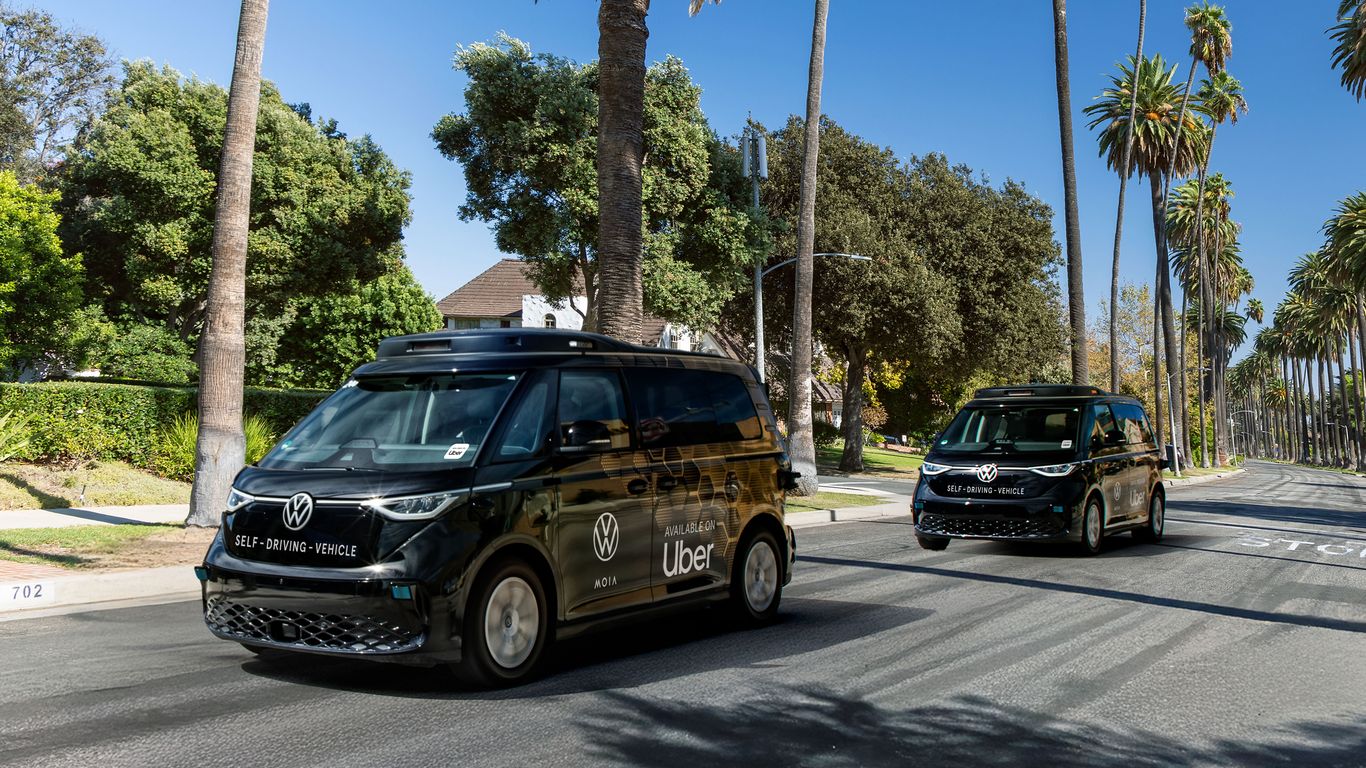
I don’t understand all the fuss about autonomy.
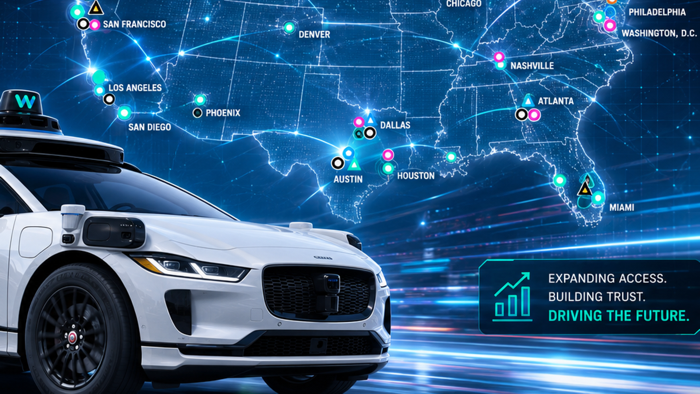
On the roads, autonomous vehicles have the potential to reduce the nearly 40,000 deaths caused annually by human error, yet deployments in cities like Washington and Boston continue to face delays driven by opposition from unions, local politicians, and now even Congress.
In the air, the case for autonomy may be even stronger.
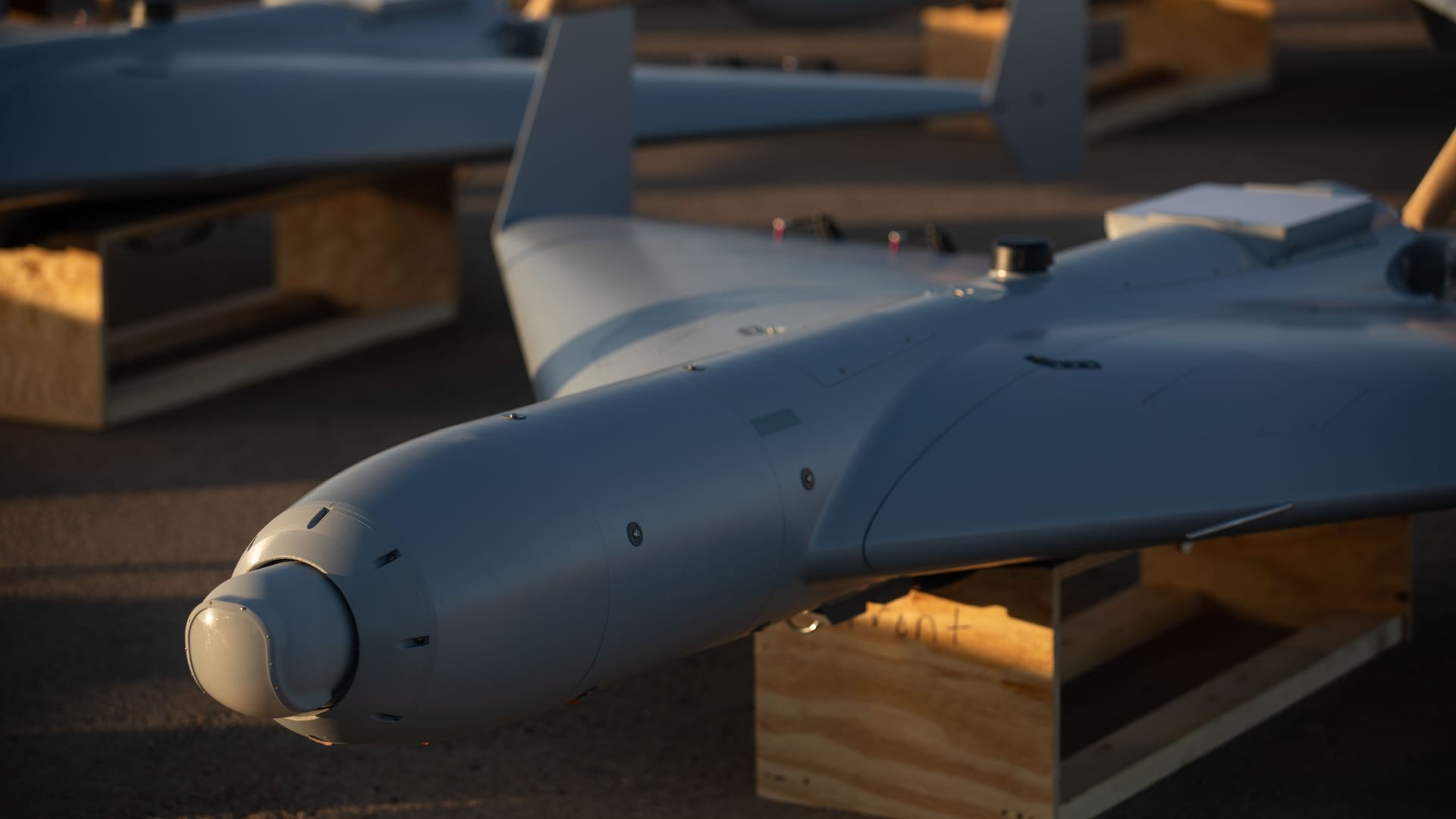
Autonomous systems could take on some of the dullest, dirtiest, and most dangerous missions that pilots, including U.S. warfighters, face every day. Agricultural dusting, wildfire suppression, aerial refueling, combat search and rescue, and Intelligence, Surveillance, and Reconnaissance (ISR) are just a few of the mission sets where autonomous systems could play a critical role. In many of these missions, autonomy isn’t about convenience. It’s about reducing risk, extending operational capability, and in some cases, saving lives.
That’s why autonomy should not be viewed as a replacement for pilots, but as the next evolution of aviation itself.