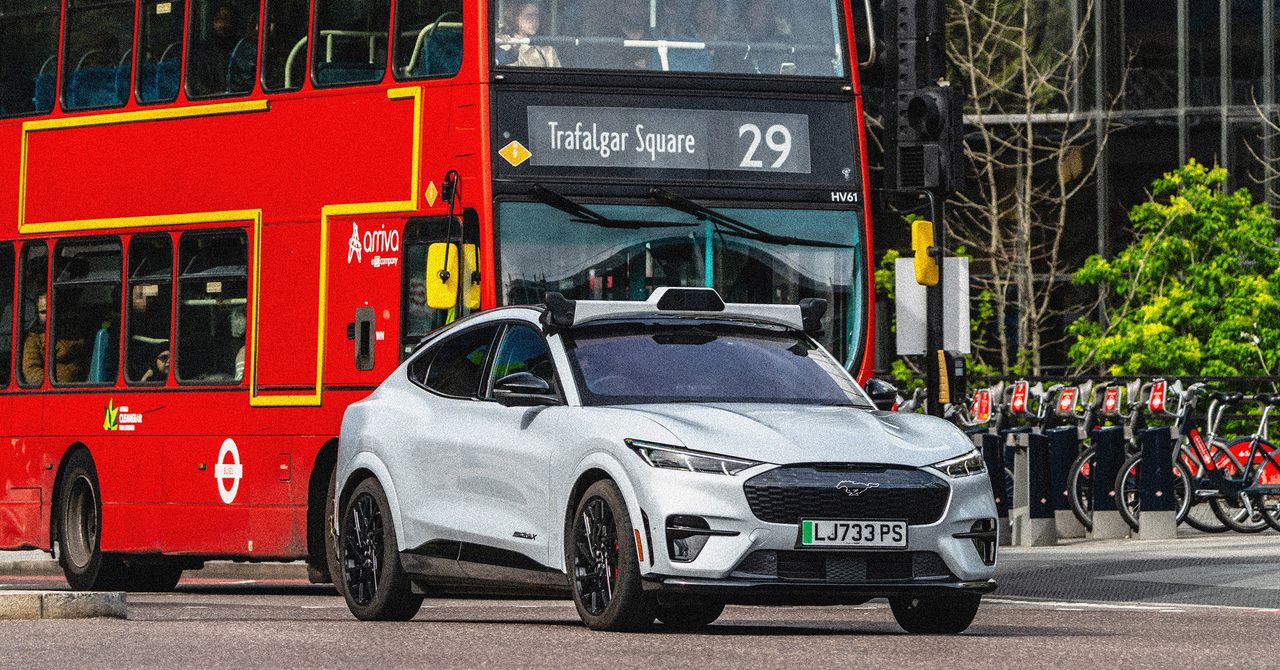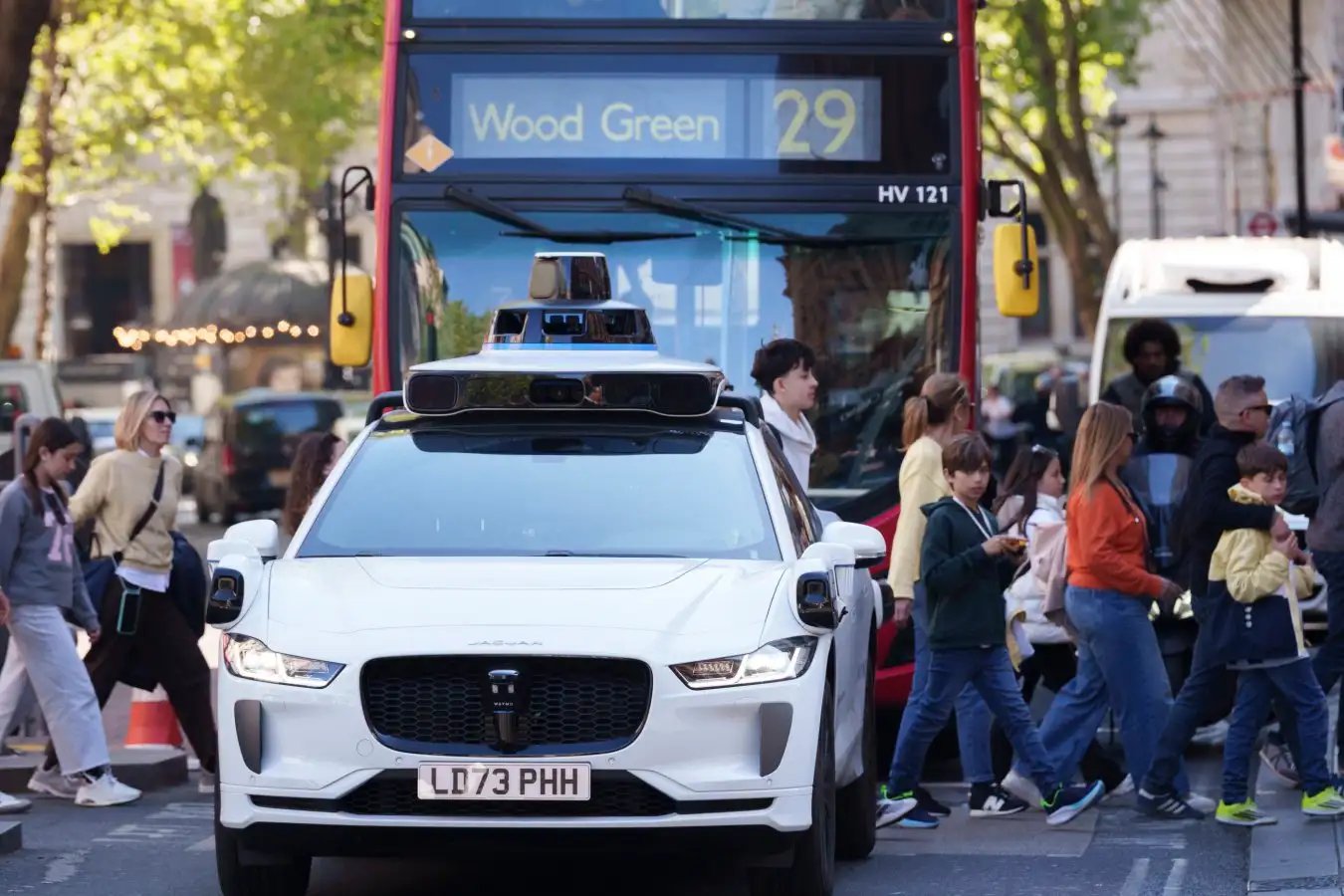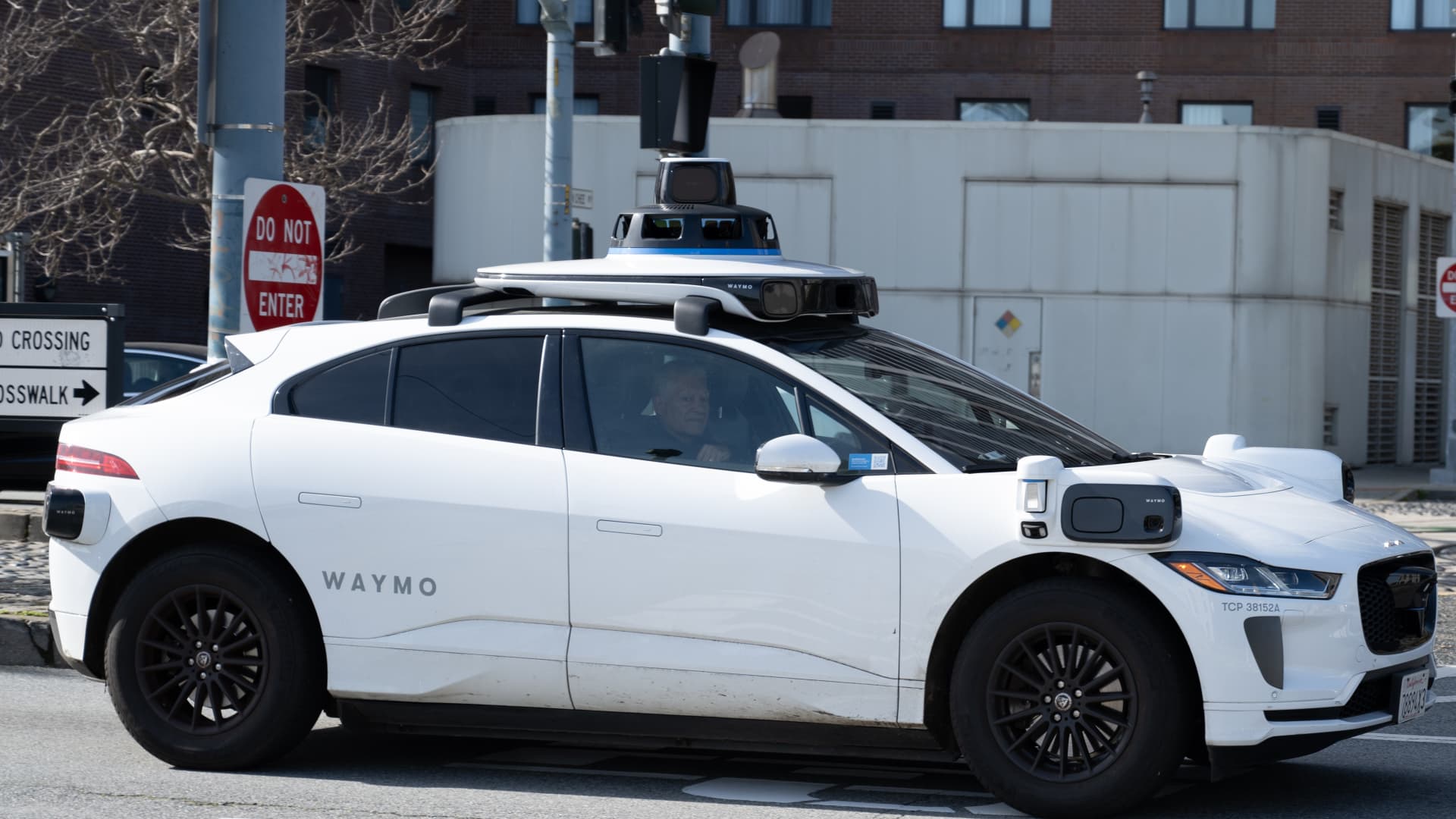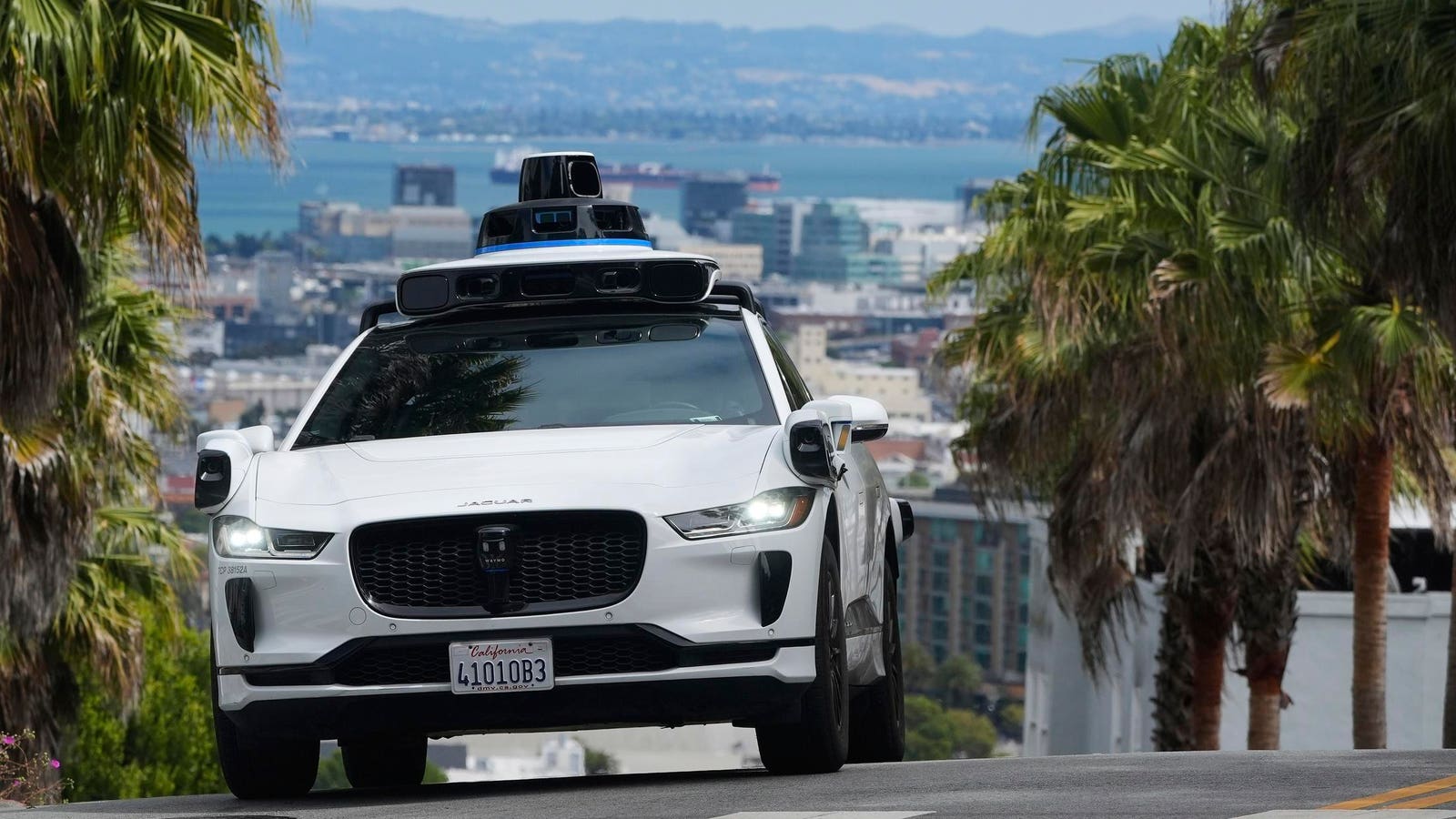
Waymo plans London robotaxis as early as 2026, but the history shows hype, hesitation and a few missed turns
The age-old question from the back of the car feels just as pertinent as a new era of autonomy threatens to dawn: are we nearly there yet? For Britons, long-promised fully driverless cars, the answer is as ever – yes, nearly. But not quite.
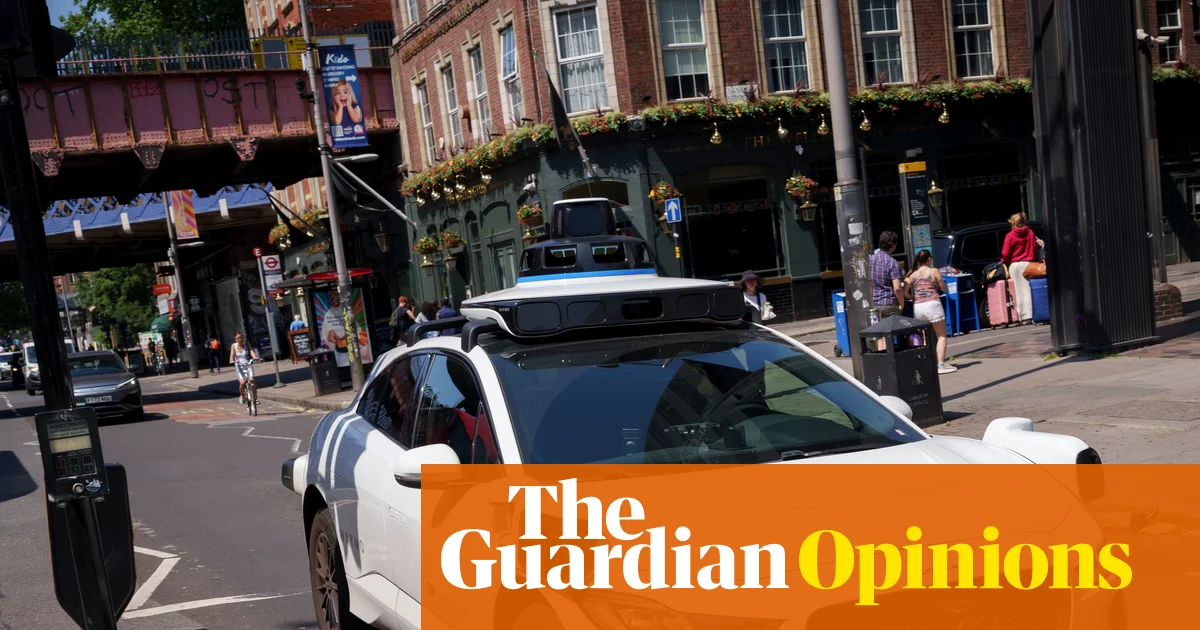
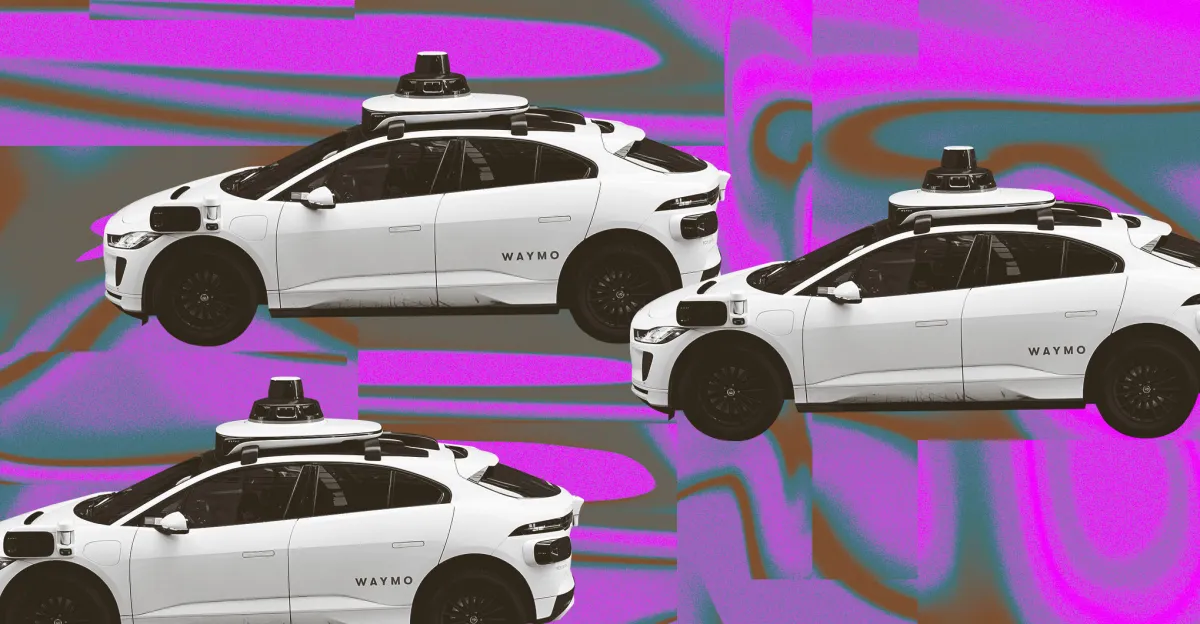
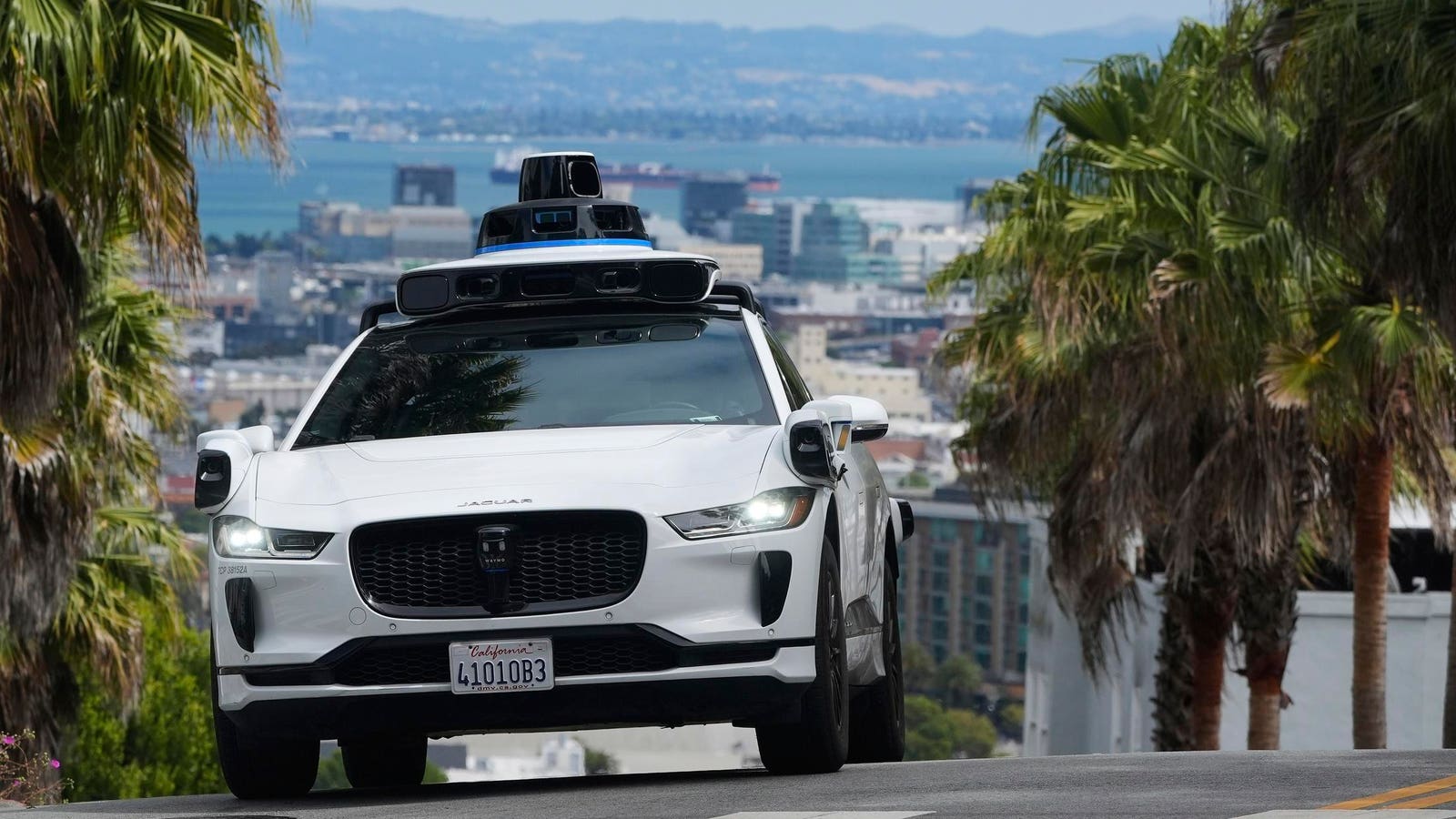
A landmark moment on the journey to autonomous driving is, again, just around the corner. This week, Waymo, which successfully runs robotaxis in San Francisco and four other US cities, announced it was bringing its cars to London.
The detail remains scant, but the promise eye-catching: the pioneering Silicon Valley company said it was bringing its fully autonomous service “across the pond, where we intend to offer rides – with no human behind the wheel – in 2026 … We can’t wait to serve Londoners and the city’s millions of visitors next year.”
Those millions may want an Oyster card for the London Underground, just in case. The UK government, intent on luring big tech, in the summer set out plans to speed up the introduction of driverless cars, meaning robotaxis could start operating in regulated public trials as early as spring 2026. But the rules are yet to be fully established, and testing may include a safety driver for some time.