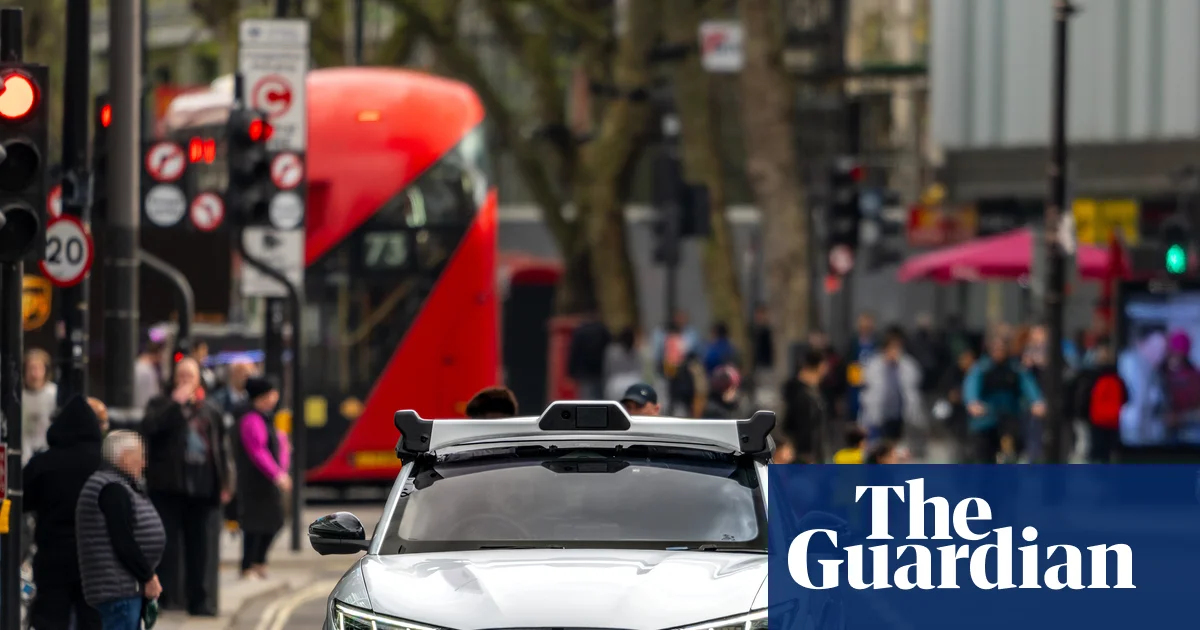
Driverless ‘robotaxis’ will be accepting fares in Britain’s biggest city by the end of next year. Can they deal with London’s medieval roads, hordes of pedestrians and errant ebikers? I got in the passenger seat to find out
‘I
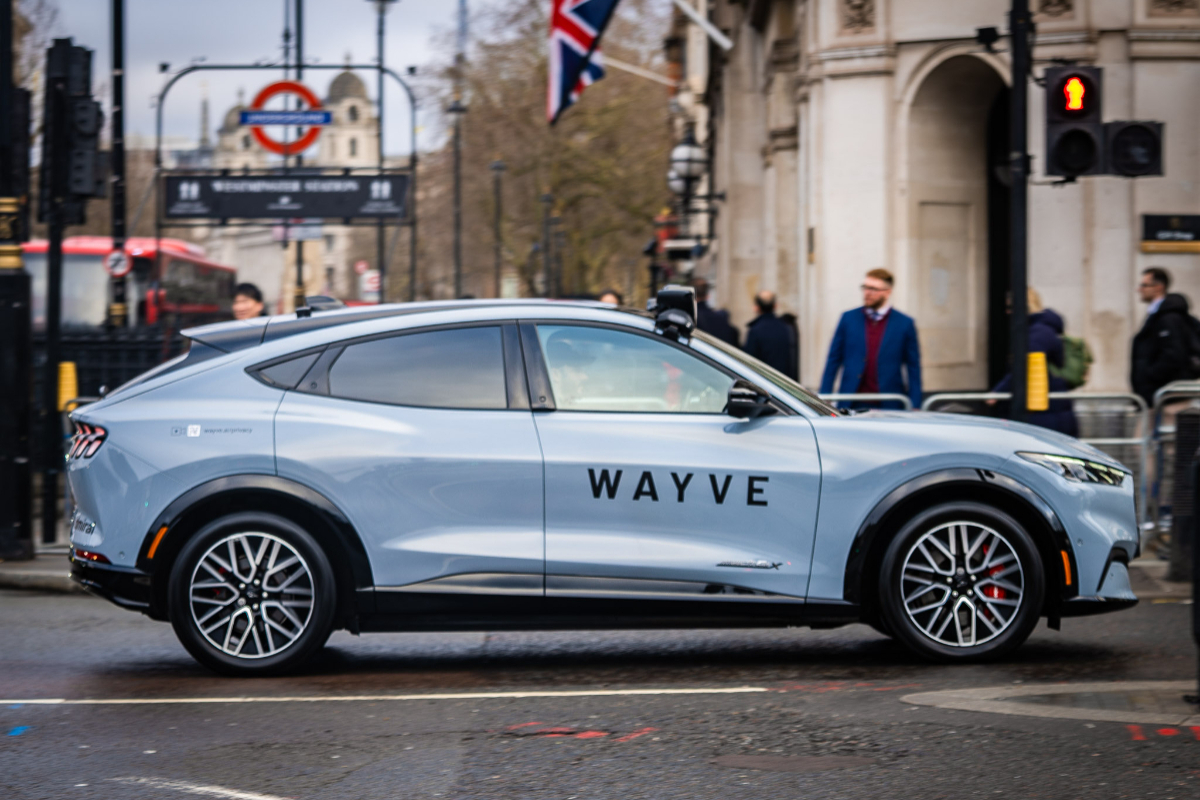
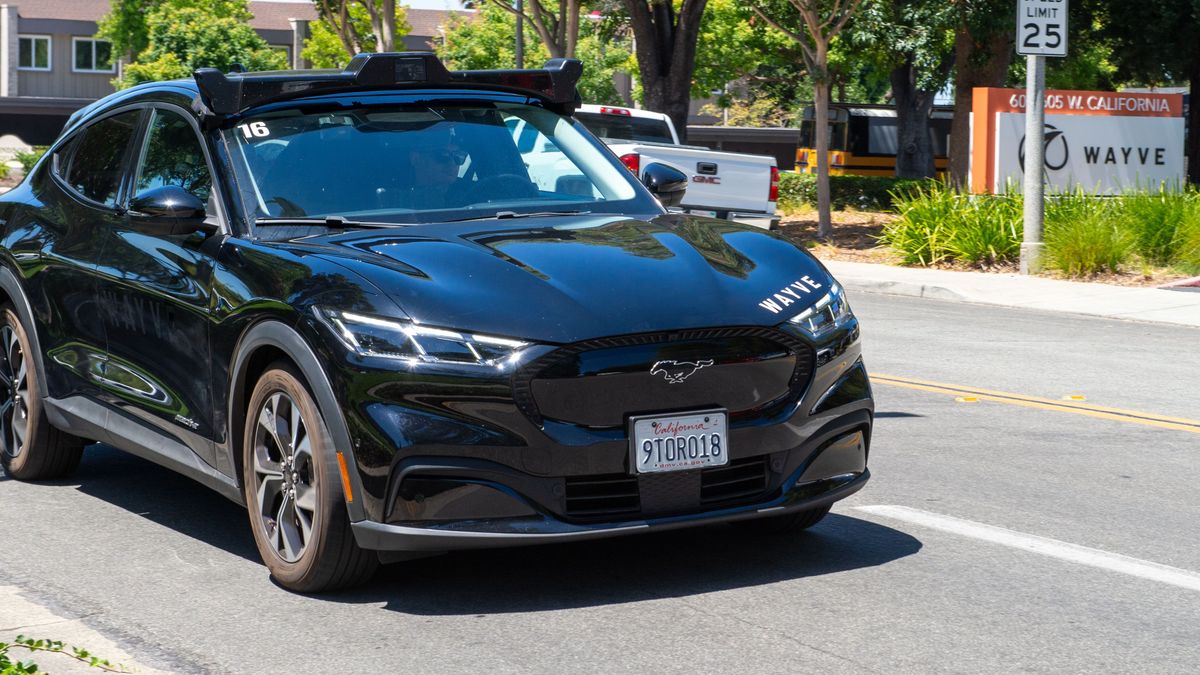
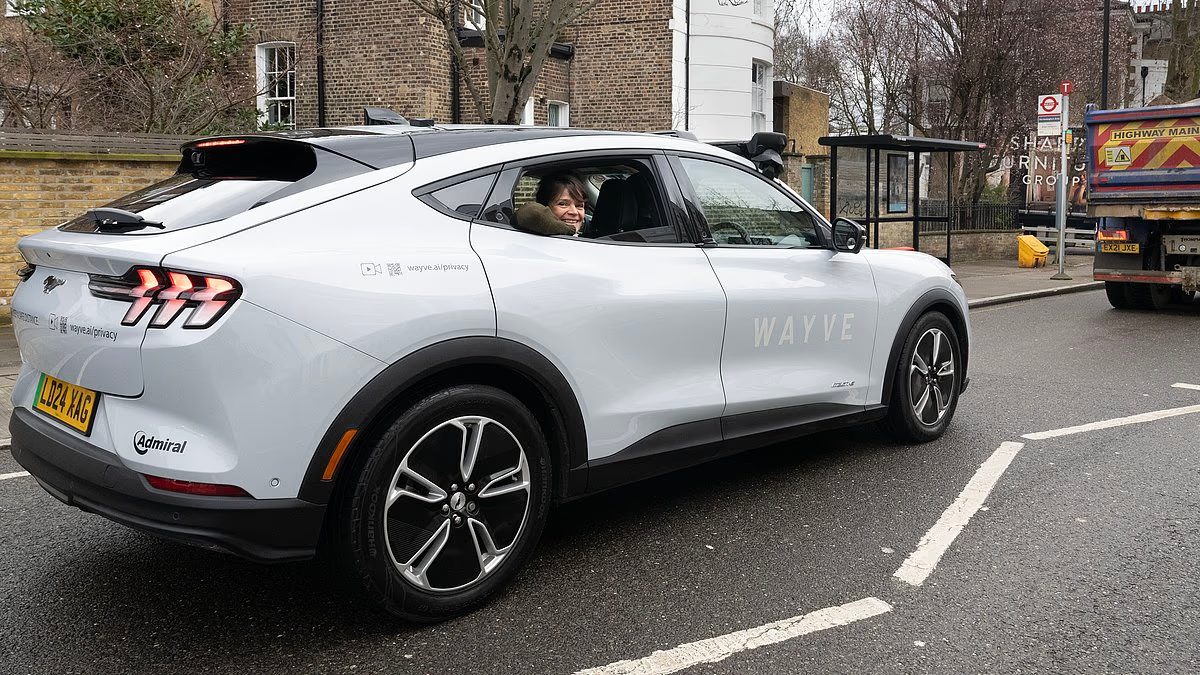
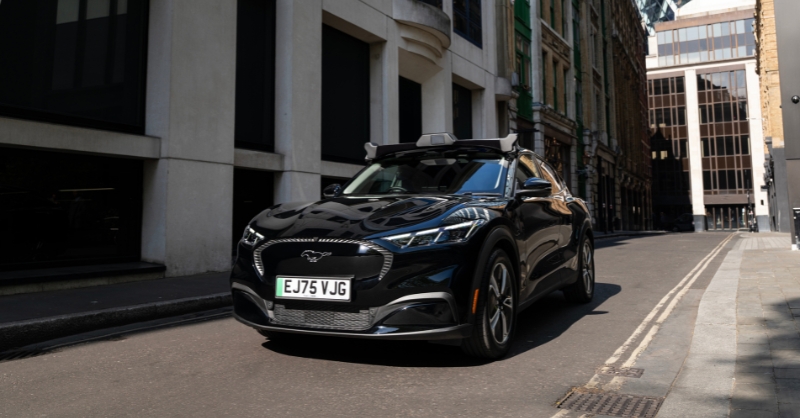
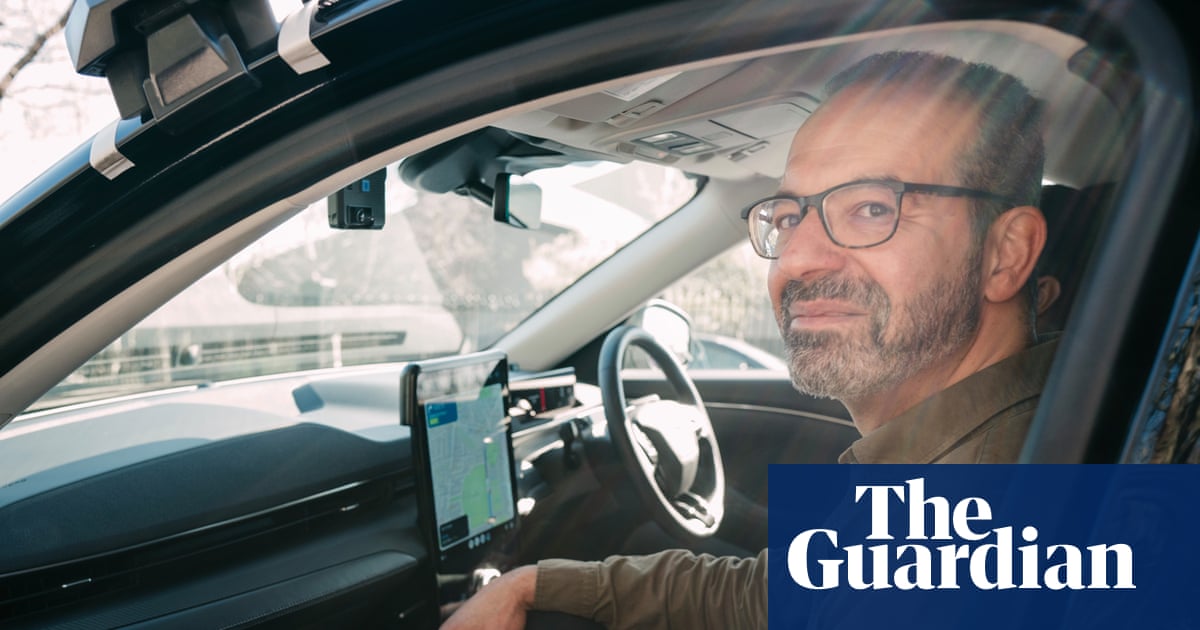
’m really excited to show you this,” says Alex Kendall, the CEO of Wayve, as he gets behind the wheel of one of the company’s electric Ford Mustangs. Then he does … nothing. The car pulls up to a junction at a busy road in King’s Cross, London, all by itself. “You can see that it’s going to control the speed, steering, brake, indicators,” he says to me – I’m in the passenger seat. “It’s making decisions as it goes. Here we’ve got an unprotected turn, where we’ve got to wait for a gap in traffic …” The steering wheel spins by itself and the car pulls out smoothly.
Riding in a self-driving car for the first time is a little like your first flight in an aeroplane: borderline terrifying for a few seconds, then reassuringly unremarkable. At least, that is my experience. By the time I step out, 20 minutes later, I’m convinced Wayve is a better driver than most humans – better than me, anyway.
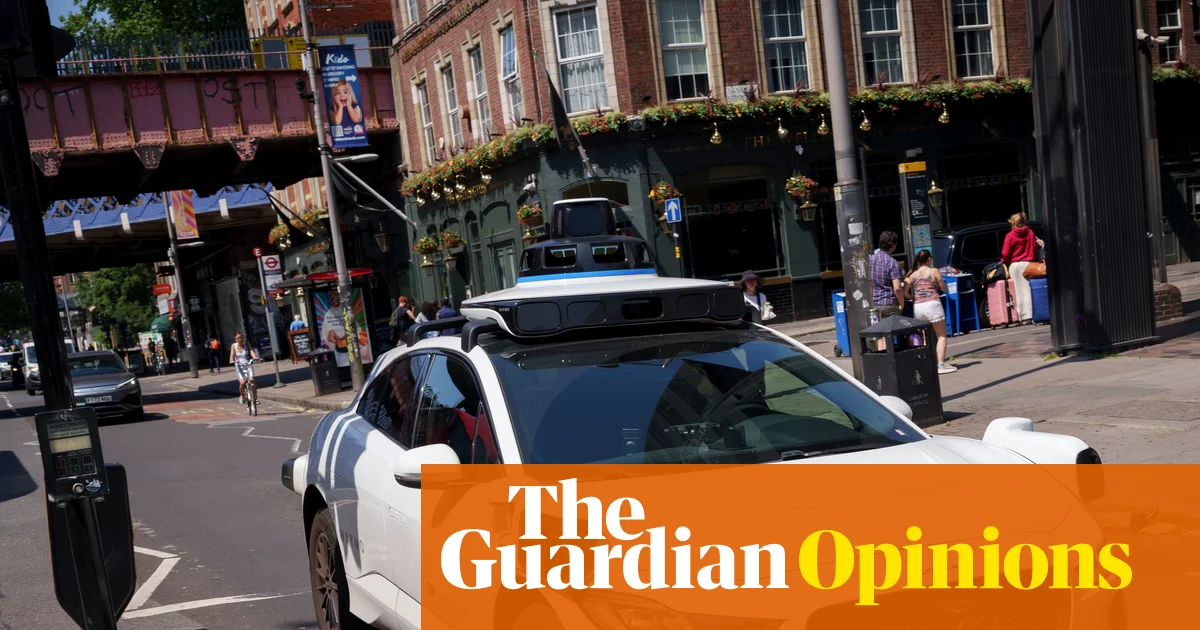
Other Londoners will soon be able to judge for themselves, because these robotaxis are coming to town. Since the passage of the Automated Vehicles Act in 2024, the UK government has been working to approve self-driving taxis by the end of next year. Wayve, in partnership with Uber, will be at the starting line, as will the US giant Waymo and the Chinese company Baidu, among others. London may never be the same again.