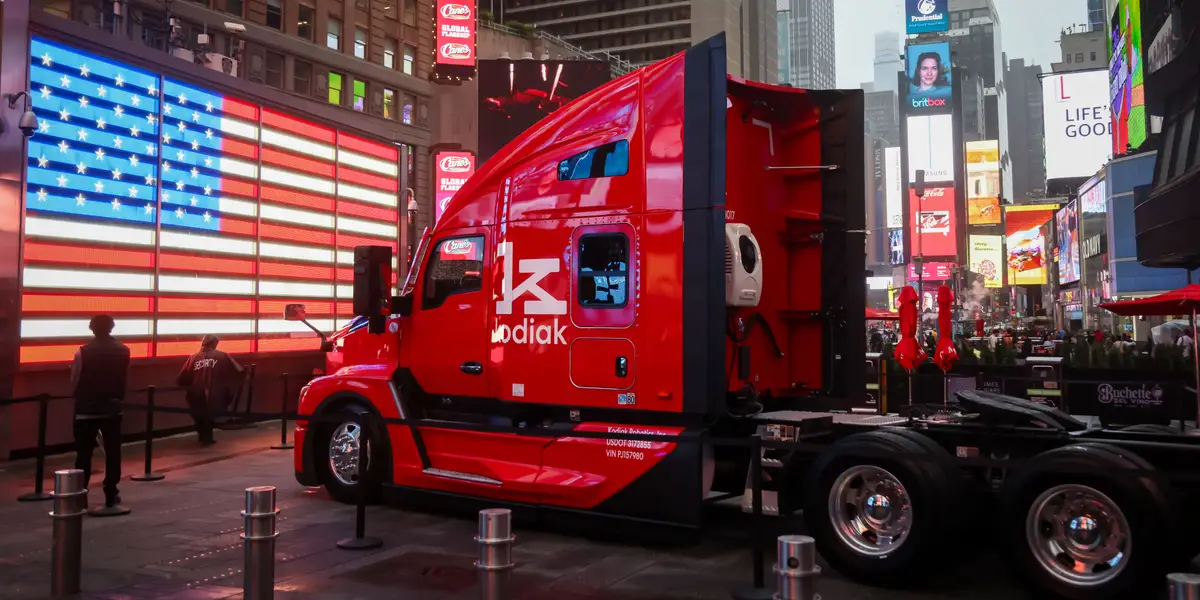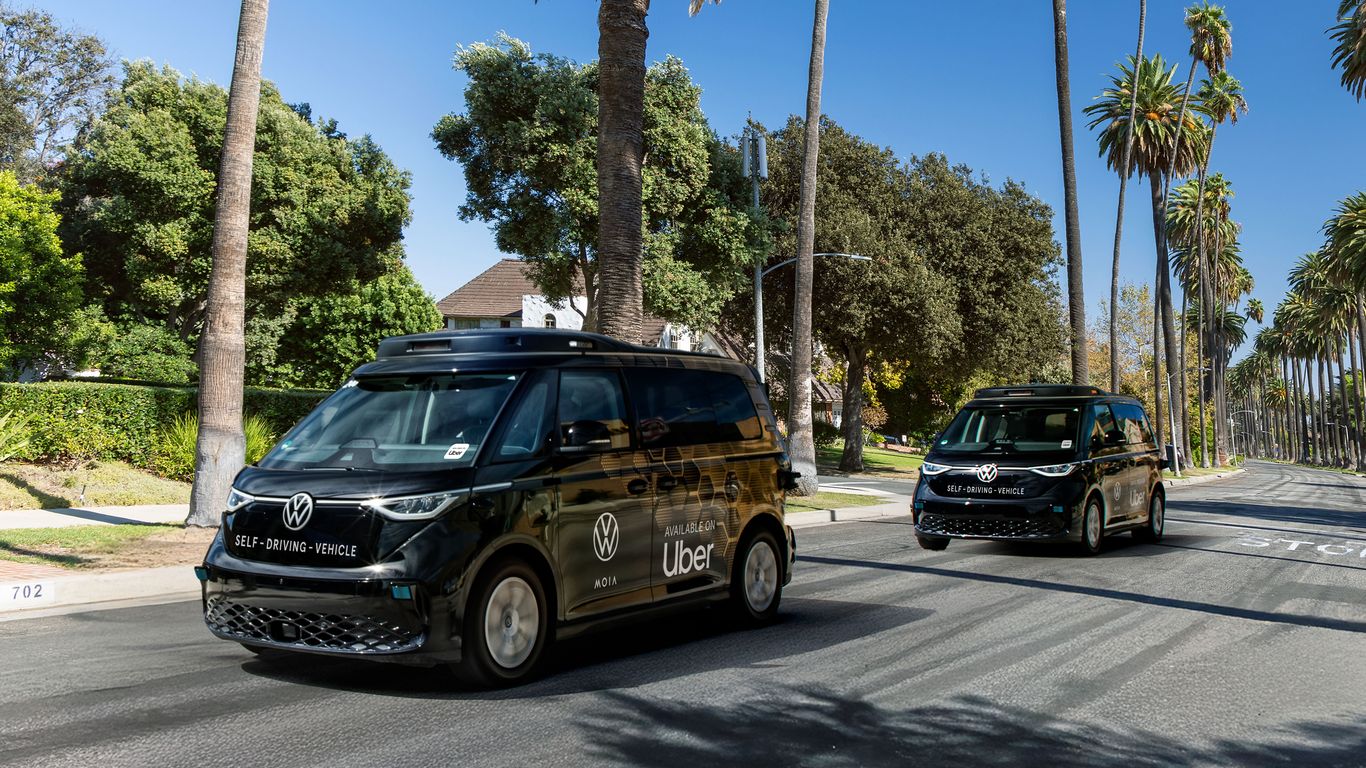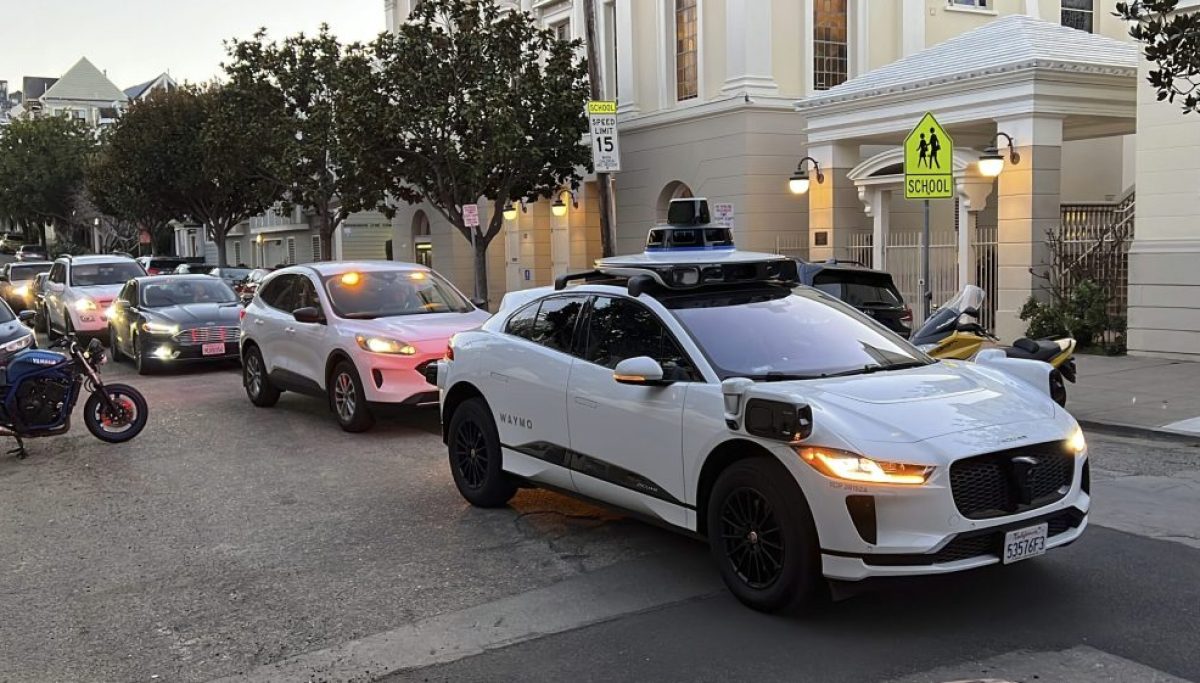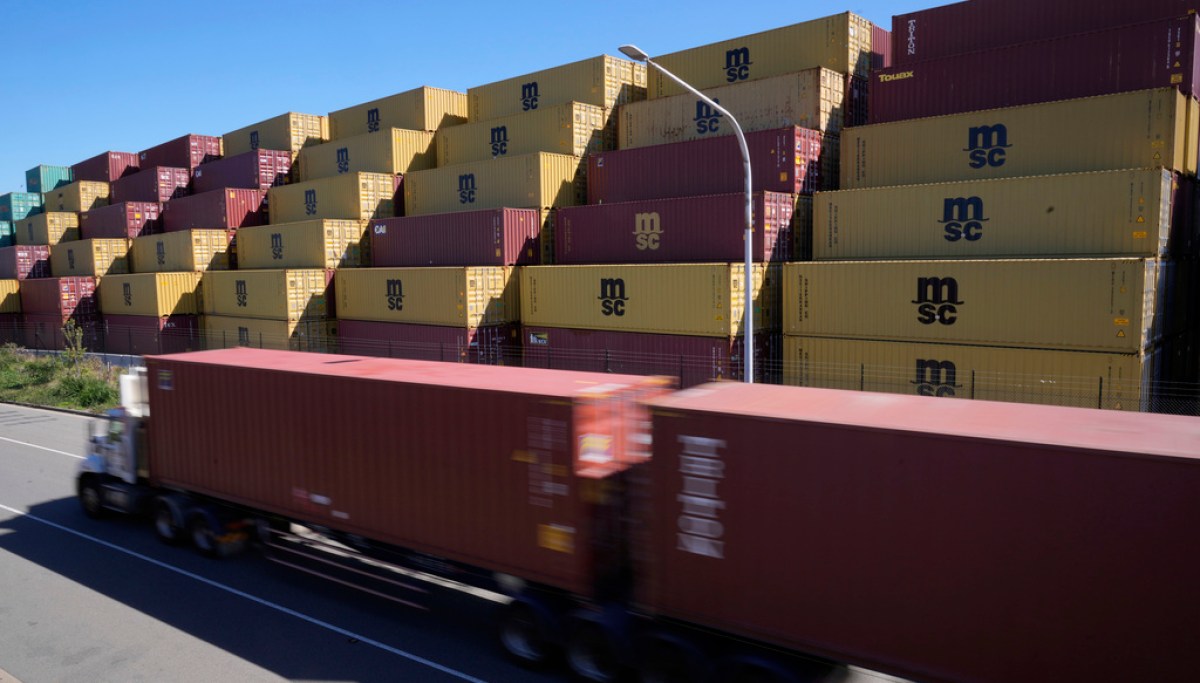
Picture a supply chain where goods move continuously across the country, less constrained by driver fatigue, rigid schedules, and mandatory rest periods. Trucks that don’t get drowsy at 2 a.m., don’t miss braking cues, and don’t sit idle simply because a human operator has reached the end of a shift. The result could be fewer accidents, faster deliveries, and lower costs on everything from groceries to construction materials.The future of American freight is already taking shape in the form of autonomous trucking. But it will arrive only if policymakers refuse to let special interests use regulation to freeze yesterday’s labor model into law.That tactic is not new. For decades, transportation unions have sought rules requiring more workers than the work itself demands. In the railroad industry, the practice was long known as “featherbedding” — the use of labor rules to preserve jobs even when technology or changing operations made them unnecessary. The same impulse resurfaced after the 2023 East Palestine, Ohio, derailment triggered a national political fight over rail safety. Labor-backed proposals in Washington would require minimum railroad crew sizes regardless of operational need, even after investigators found the derailment was caused by equipment failure, not crew size.
Embracing the future: Say no to driver-in mandates
Autonomous vehicles should be judged by their safety and performance, not by whether they preserve the labor arrangements of the past.
761 words~3 min read