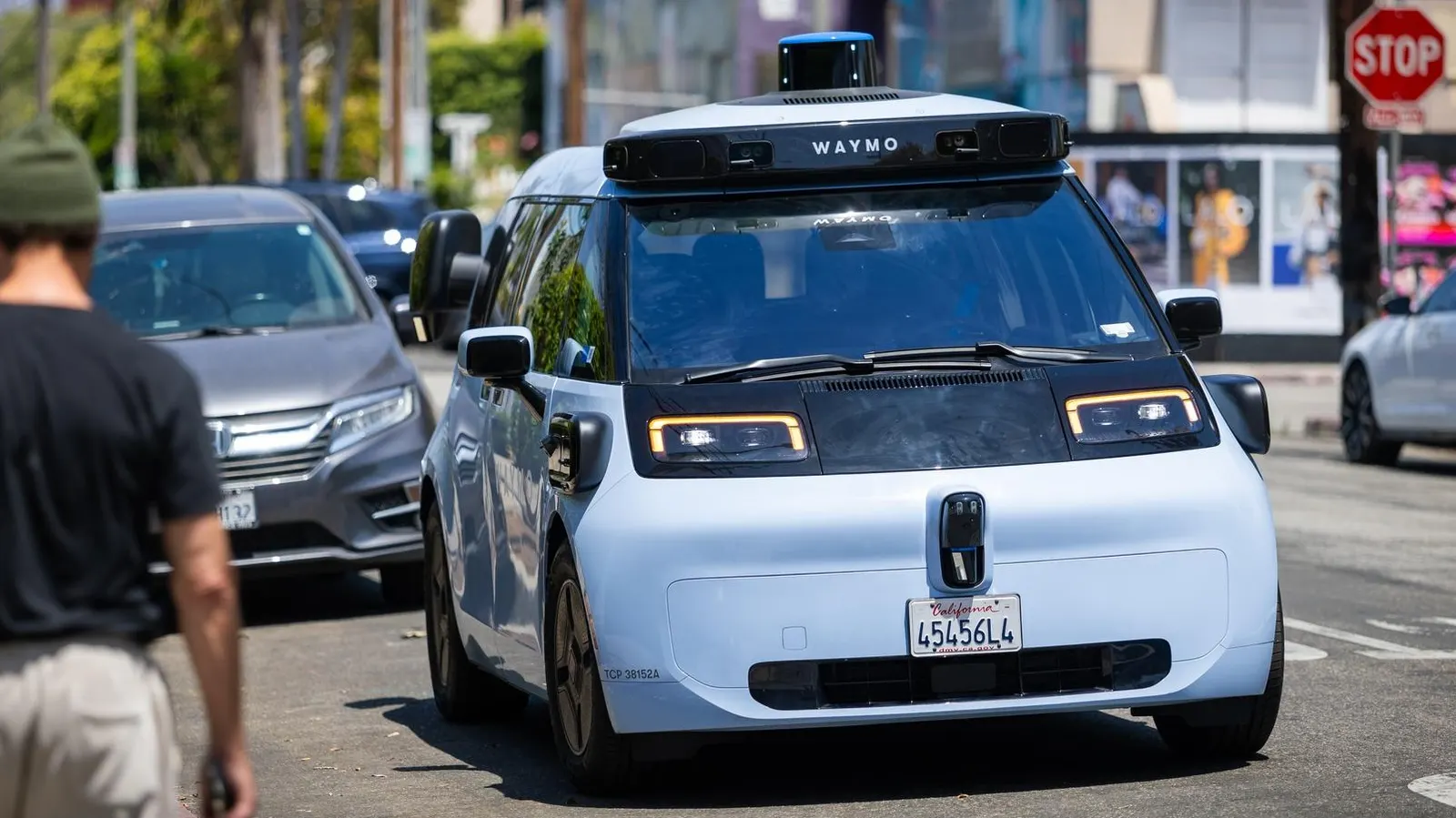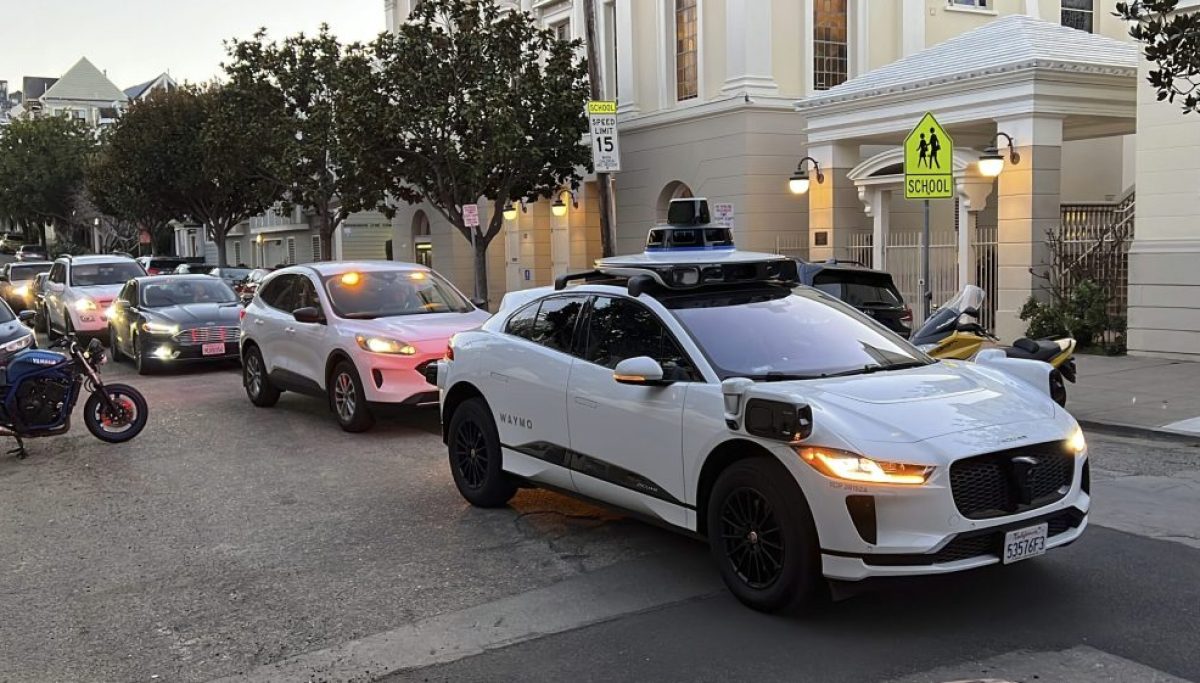
The U.S. autonomous vehicle industry, like any other industry, relies on a supply chain that spans the globe, collecting automotive hardware and raw materials from countless other countries. Typically, a global supply chain is a positive sign of cost optimization and connectivity, but these benefits should not obscure national security considerations. In the United States, autonomous vehicle companies such as Waymo have become vessels for Chinese products to enter the factories, streets, and garages of America.Chinese autonomous vehicles create an opportunity for the Chinese Communist Party to collect intelligence on American infrastructure and, more importantly, on drivers. Waymo uses cameras, lidar, and radar to identify road signs and crossing pedestrians, ensuring a safe ride. Much of this technology, however, comes directly from Zeekr, a subsidiary of Zhejiang Geely Holding Group, which is chaired by a member of the Chinese People’s Political Consultative Conference.
HOW A CHANGE IN RECYCLING CAN BEAT CHINA’S RARE EARTHS MONOPOLY
As a result of Article 7 of the National Intelligence Law of the People’s Republic of China (enacted in 2017), all citizens and companies are compelled to cooperate with China’s intelligence service. Each citizen and company is mandated to collect information, as a form of codified corporate espionage, on any foreign organizations and individuals they come in contact with. Additionally, a Chinese cybersecurity law from 2017 demands that intelligence agencies have constant access to the networks and data of companies within China, and allows them to conduct “cybersecurity reviews” of U.S. companies at will. These laws and others like them expose grave problems with incorporating Chinese products into vehicles, which are supposed to prioritize safety and security for American riders.