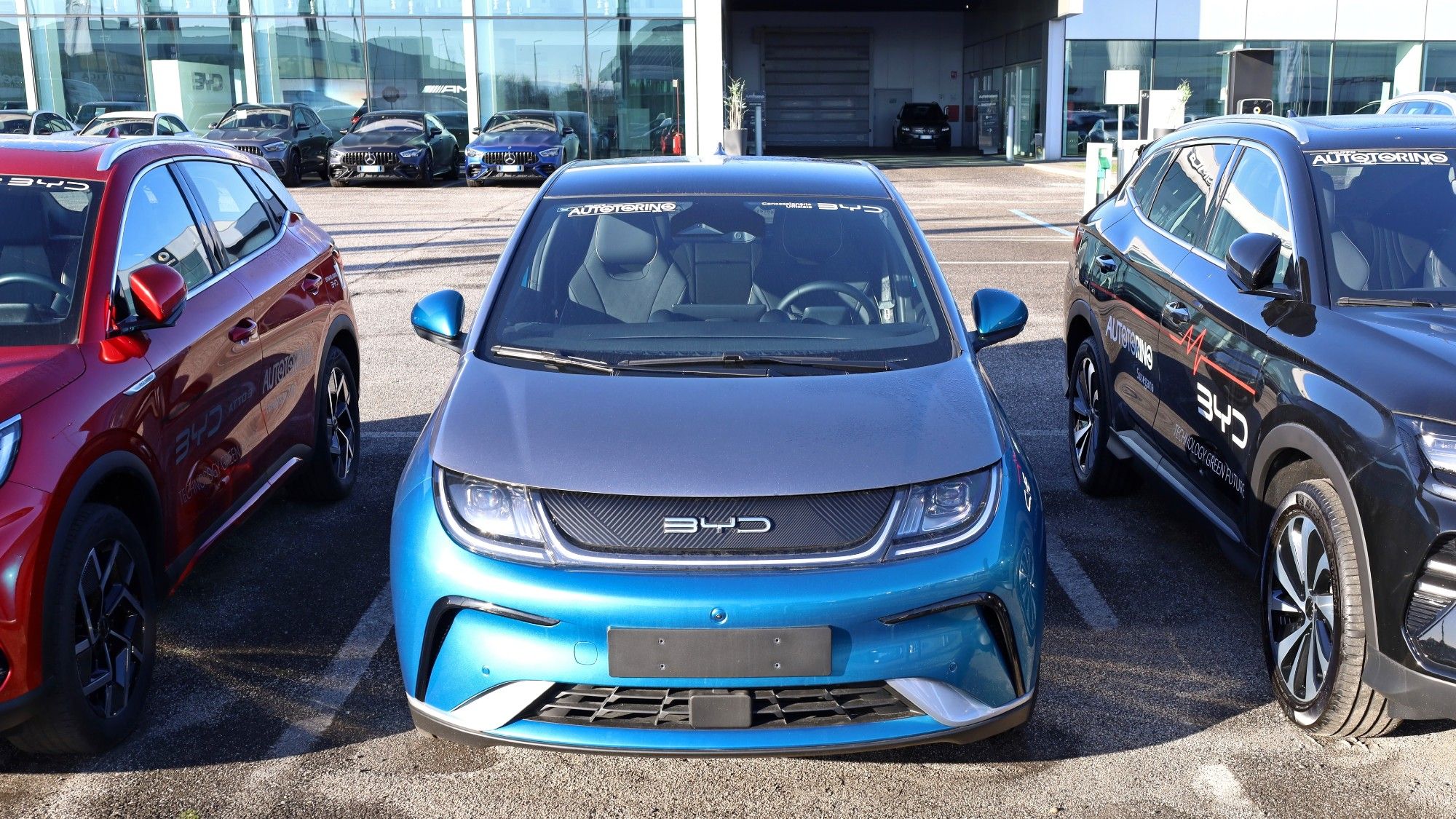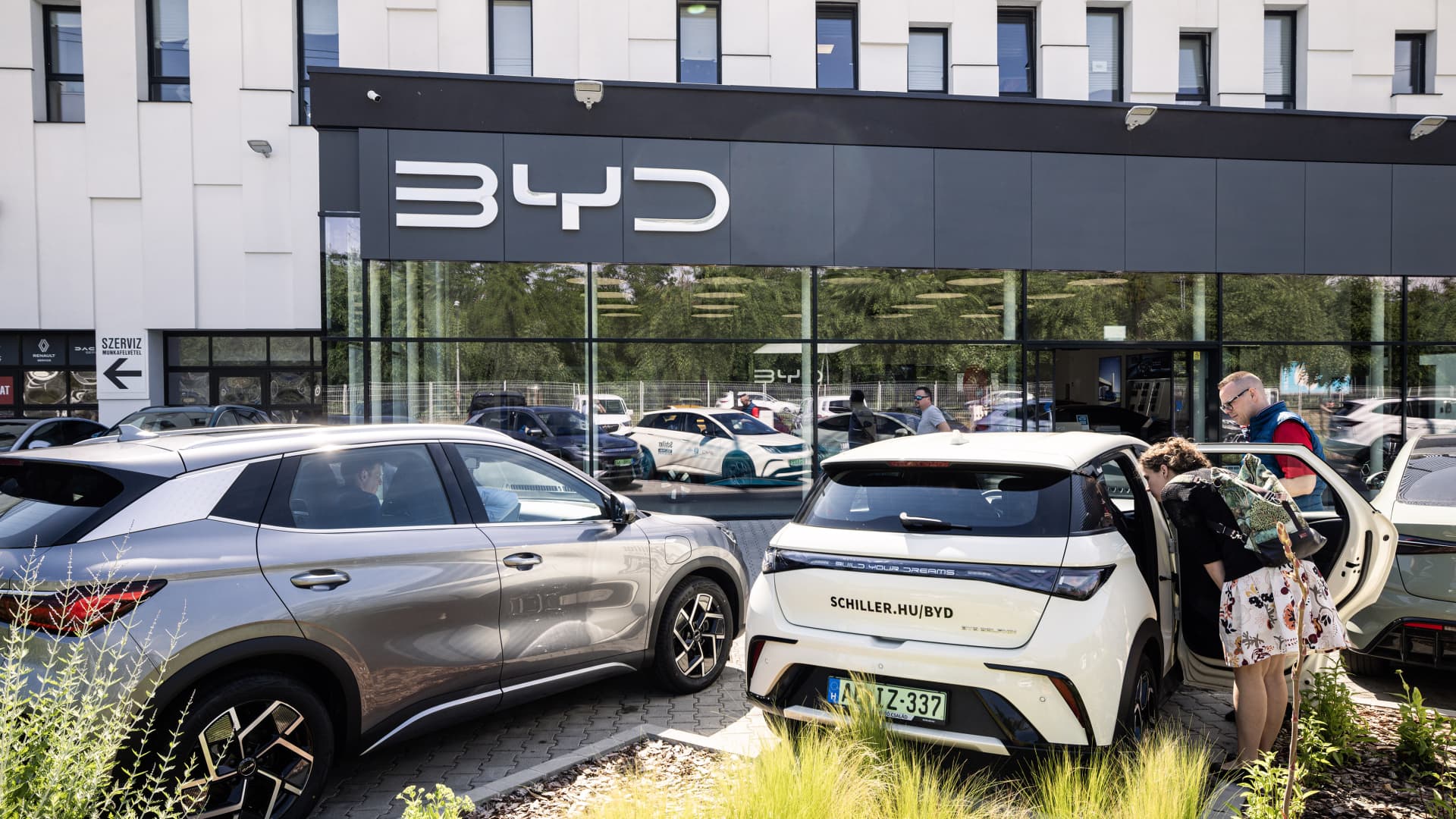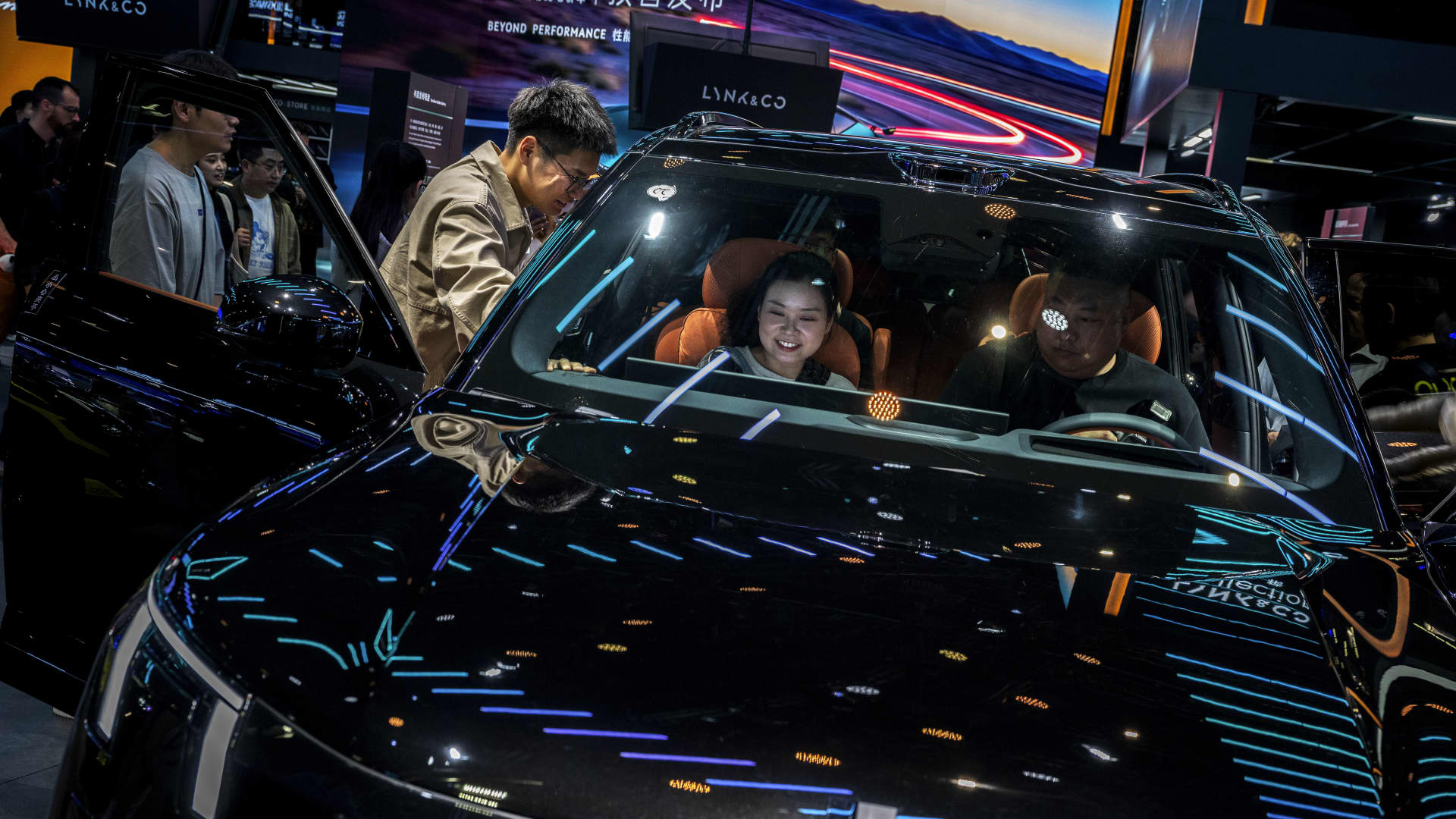
TL;DRBipartisan US lawmakers introduced the Connected Vehicle Security Act to ban Chinese-linked vehicles, software, and hardware from the American market, as Trump meets Xi Jinping in Beijing. But with 60+ Chinese-owned suppliers already embedded in the US auto supply chain and BYD now the world’s top EV seller, the push exposes a tension between national security concerns and economic reality.
Somewhere in the wiring of the car you drove this morning, there is almost certainly a Chinese component. An airbag inflator. A windshield. A steering column bearing. According to global consulting firm AlixPartners, more than 60 US-based auto suppliers are now owned by Chinese companies, making everything from axles to electronic control units for vehicles that roll off assembly lines in Michigan, Ohio, and Tennessee.
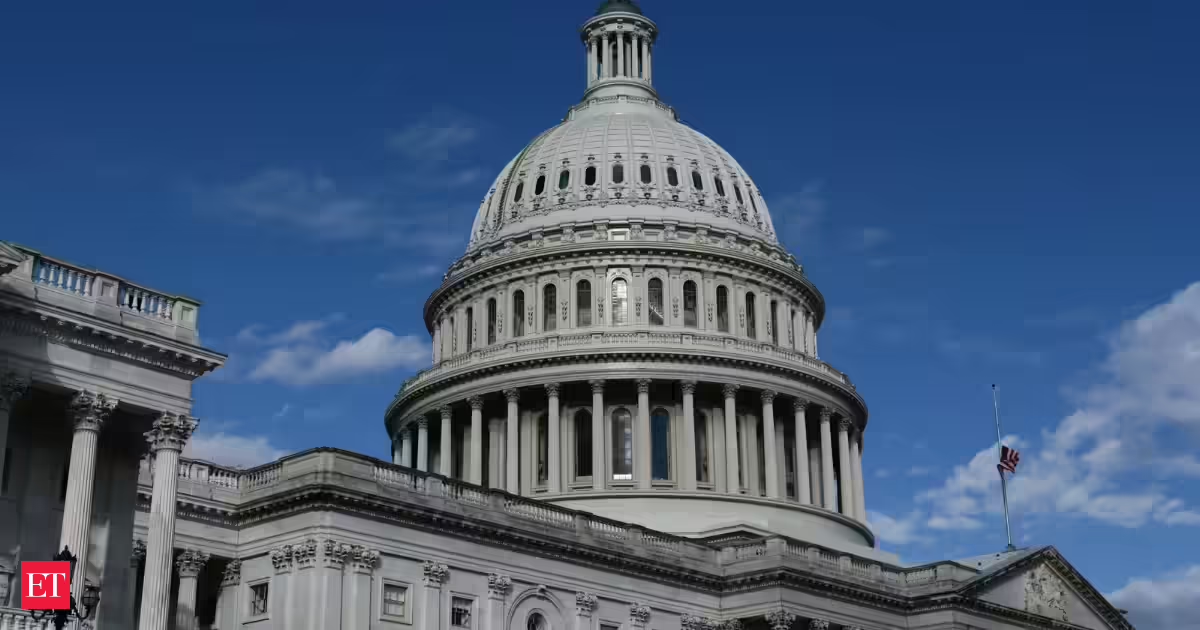
It is against this backdrop, Chinese technology already threaded through the American automobile, that lawmakers in both parties are urging President Donald Trump not to trade away the US car market during his state visit to Beijing this week. The message from Capitol Hill has been blunt: do not use automobiles as a bargaining chip with President Xi Jinping.
The 💜 of EU techThe latest rumblings from the EU tech scene, a story from our wise ol' founder Boris, and some questionable AI art. It's free, every week, in your inbox. Sign up now!The concern is not hypothetical. In January, Trump told the Detroit Economic Club that he would welcome Chinese automakers building factories on American soil, provided they employed US workers. The remark sent a jolt through an industry that had spent years lobbying successive administrations to keep Chinese vehicles out. It was later walked back, but the damage to nerves, and to legislative calendars, was done.