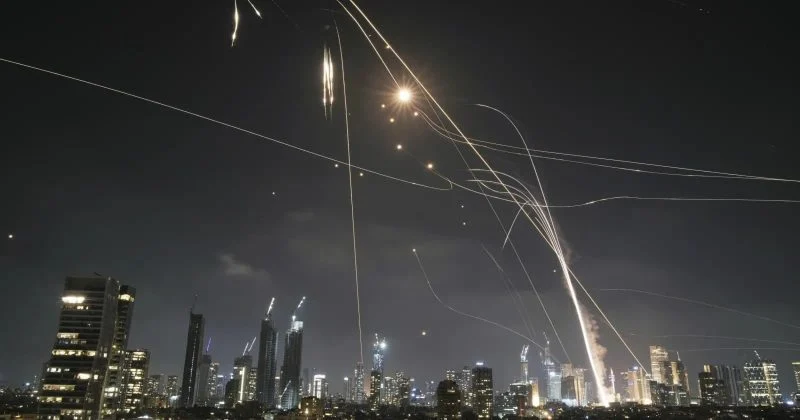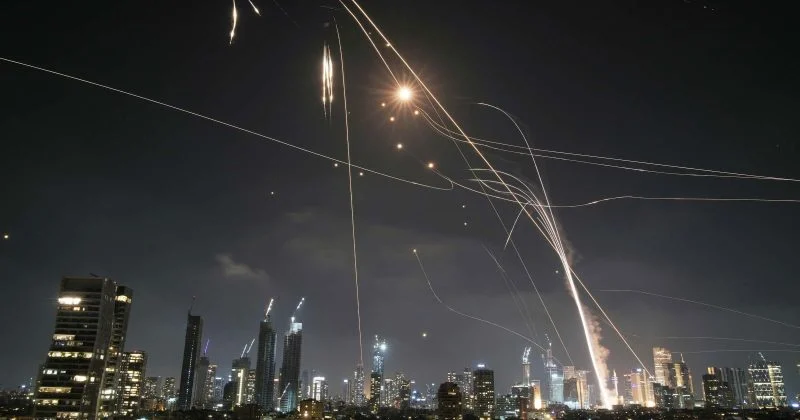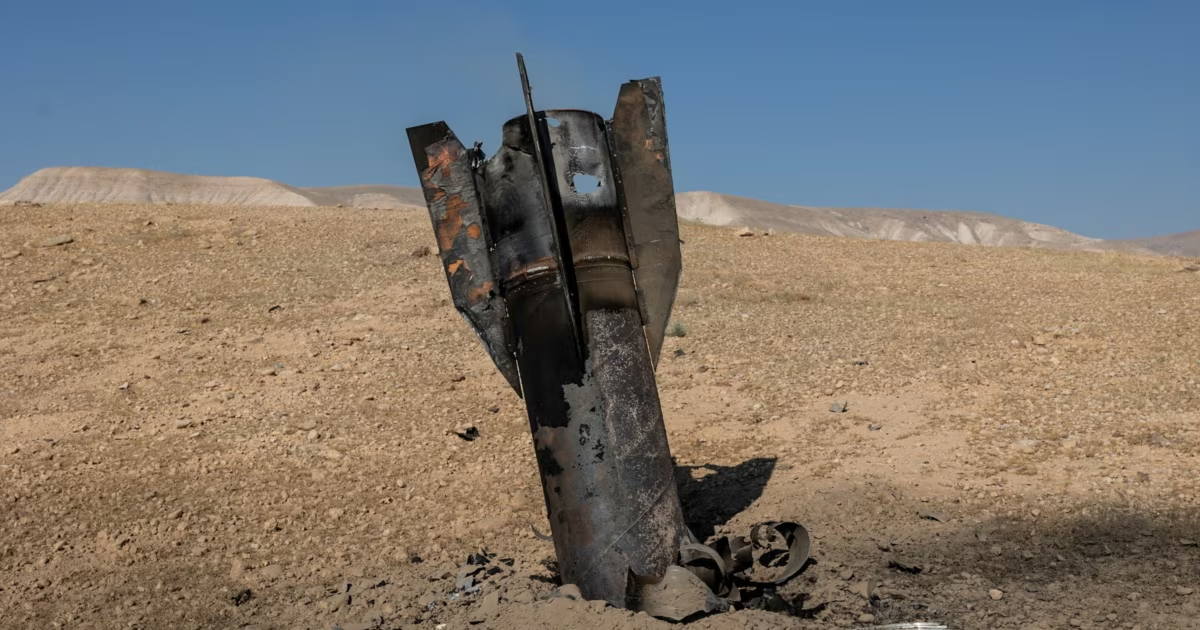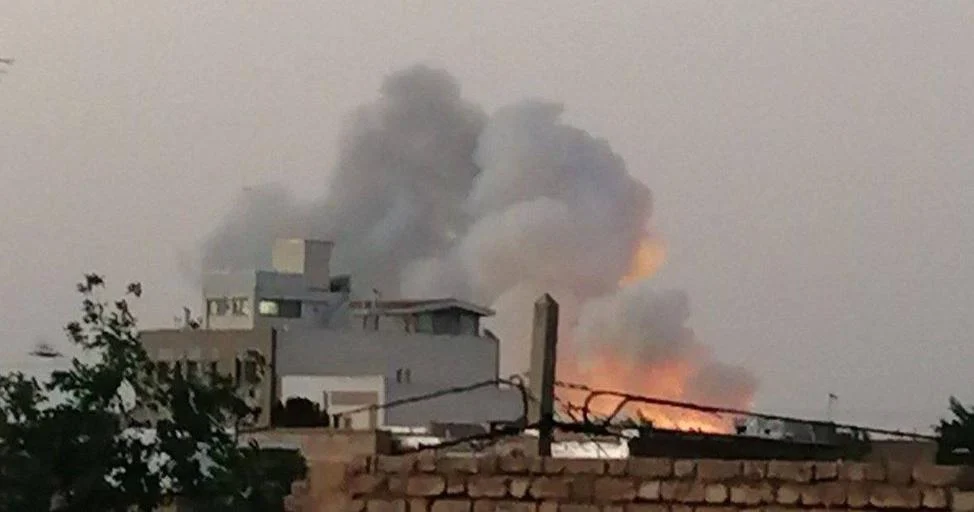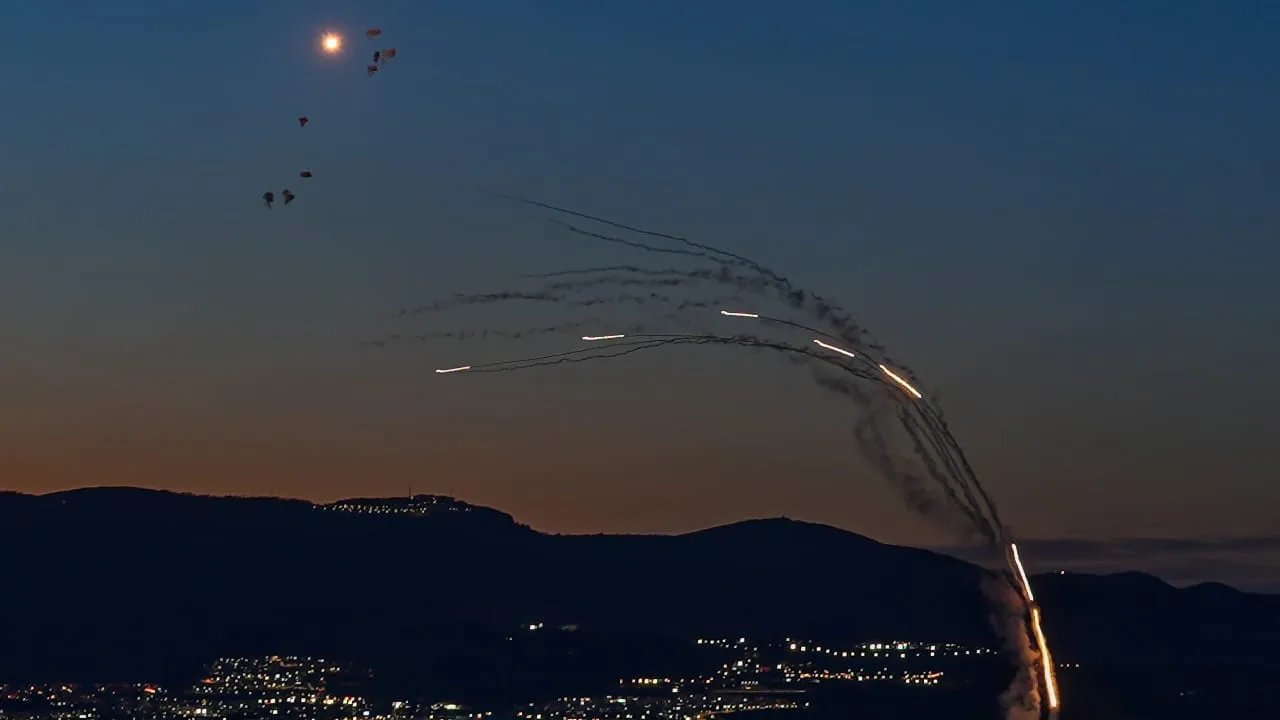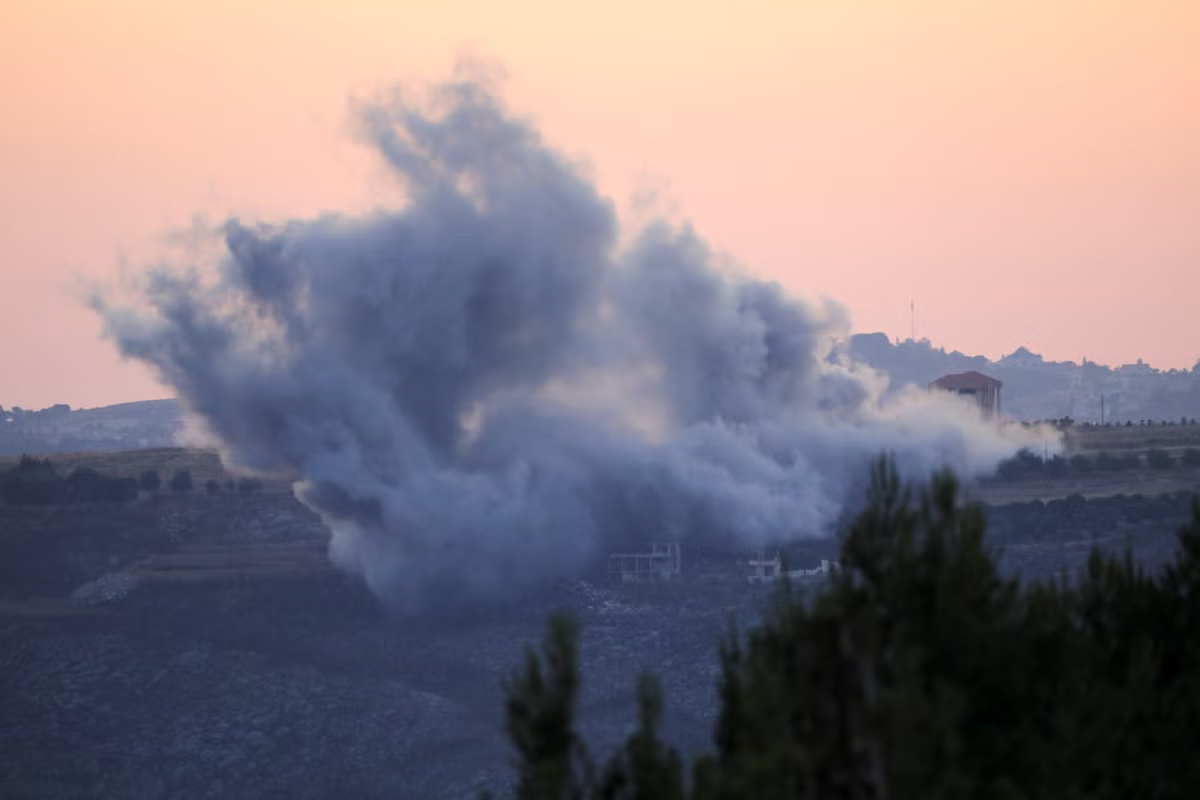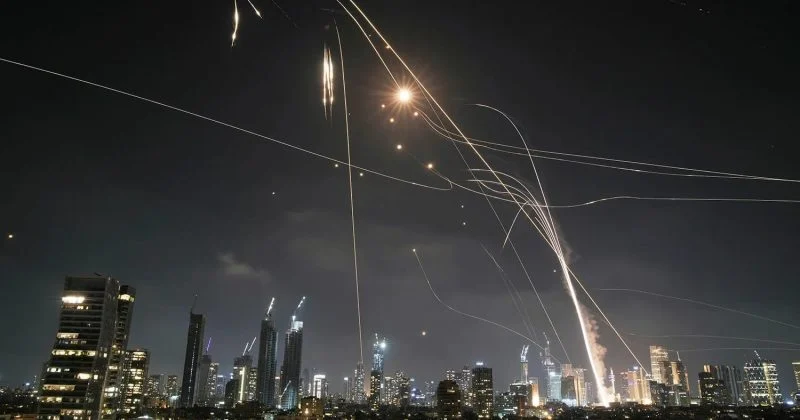
Iran fired ballistic missiles at northern Israel on June 7, marking the first direct strike since the two countries agreed to a ceasefire back in April. Israel’s layered missile defense network intercepted the incoming projectiles, and the military reported no casualties or significant damage on the ground.
Within hours, Israeli forces struck back, hitting military targets in western and central Iran on June 8. The rapid tit-for-tat sequence shattered what had been a fragile two-month pause in hostilities.
What happened and why it matters
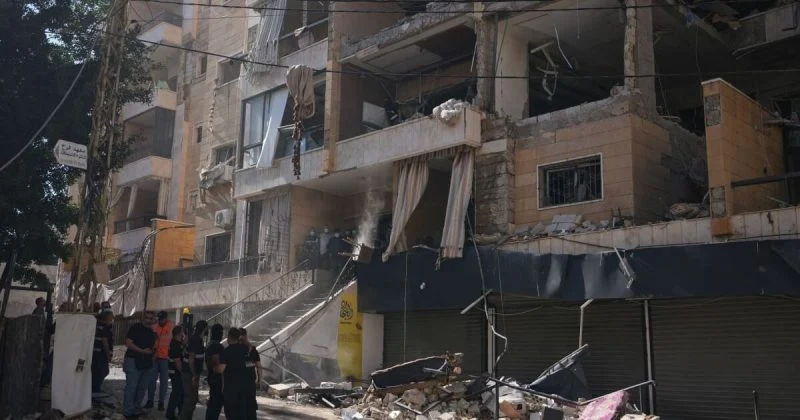
The Iranian missiles targeted areas in northern Israel, with reports pointing to the vicinity of Ramat David Airbase as one of the focal points. Iran framed the launch as retaliation for Israeli airstrikes in Lebanon, a familiar pattern in the escalation cycle that has defined the broader conflict since it erupted in February 2026.
Israel’s defense architecture did exactly what it was designed to do. The country operates a tiered system: Arrow handles long-range ballistic threats at high altitude, David’s Sling covers medium-range missiles, and Iron Dome mops up shorter-range rockets and projectiles. All three systems were reportedly activated during the intercept.