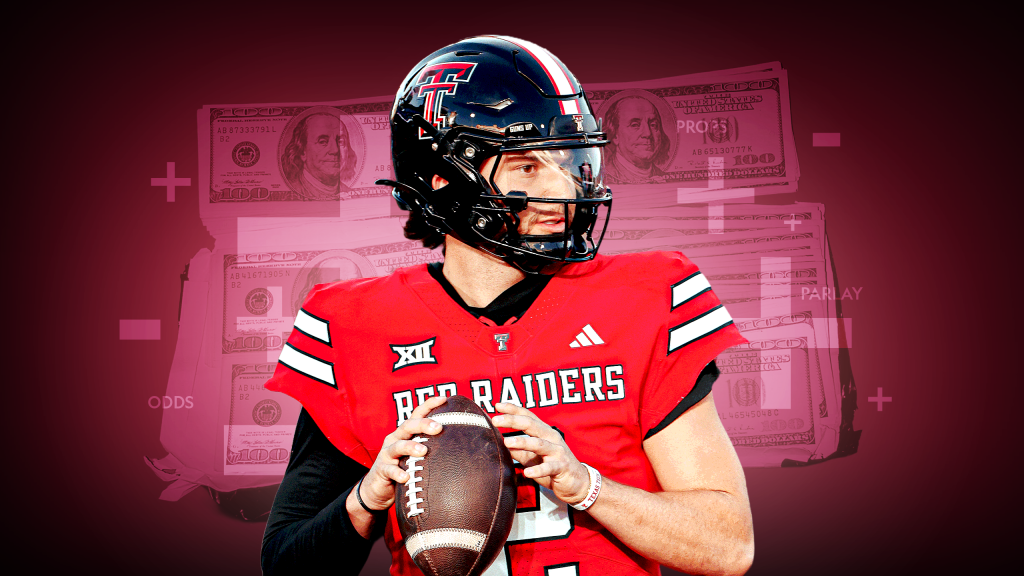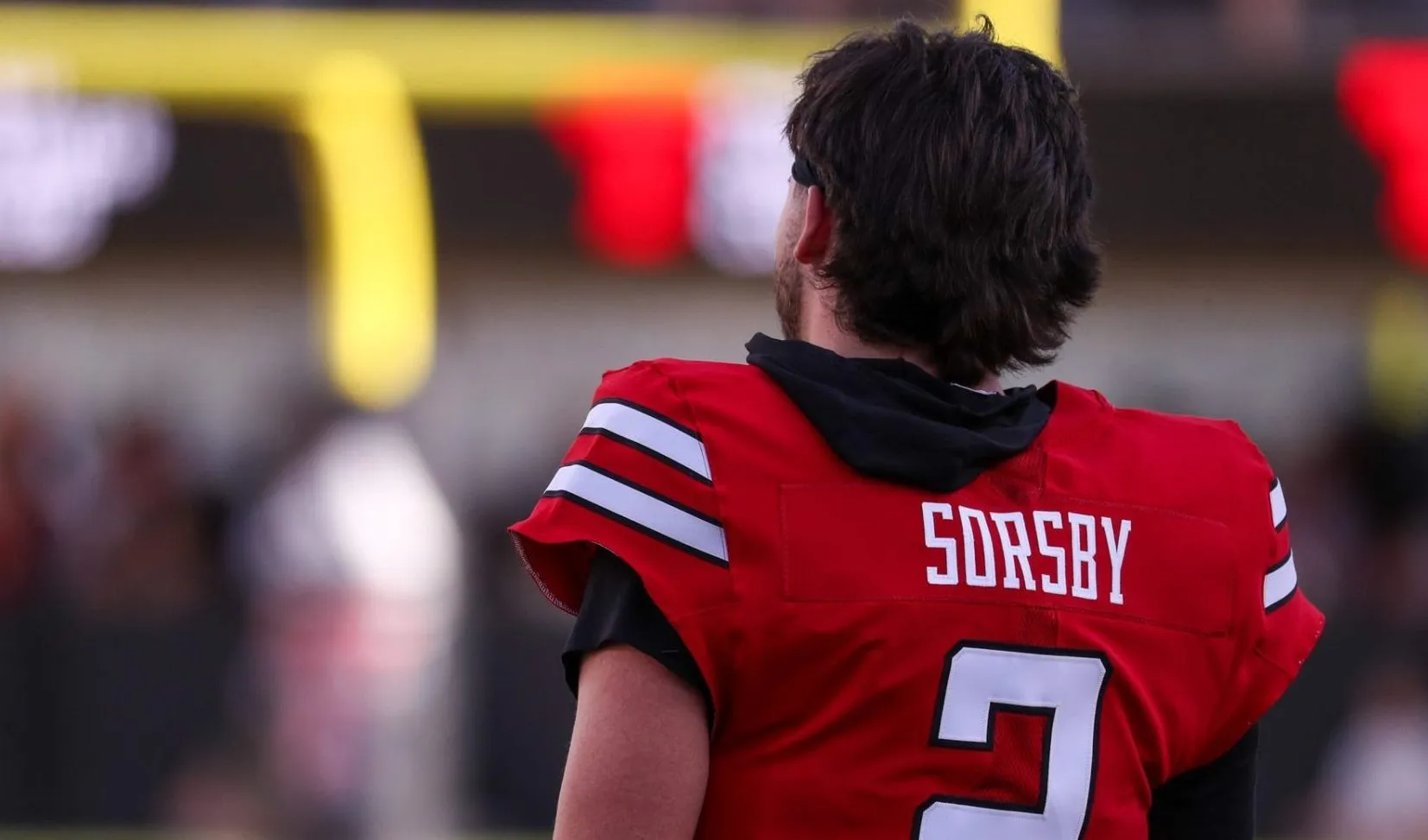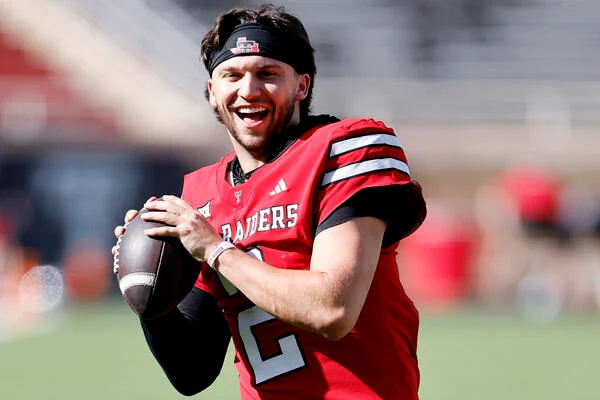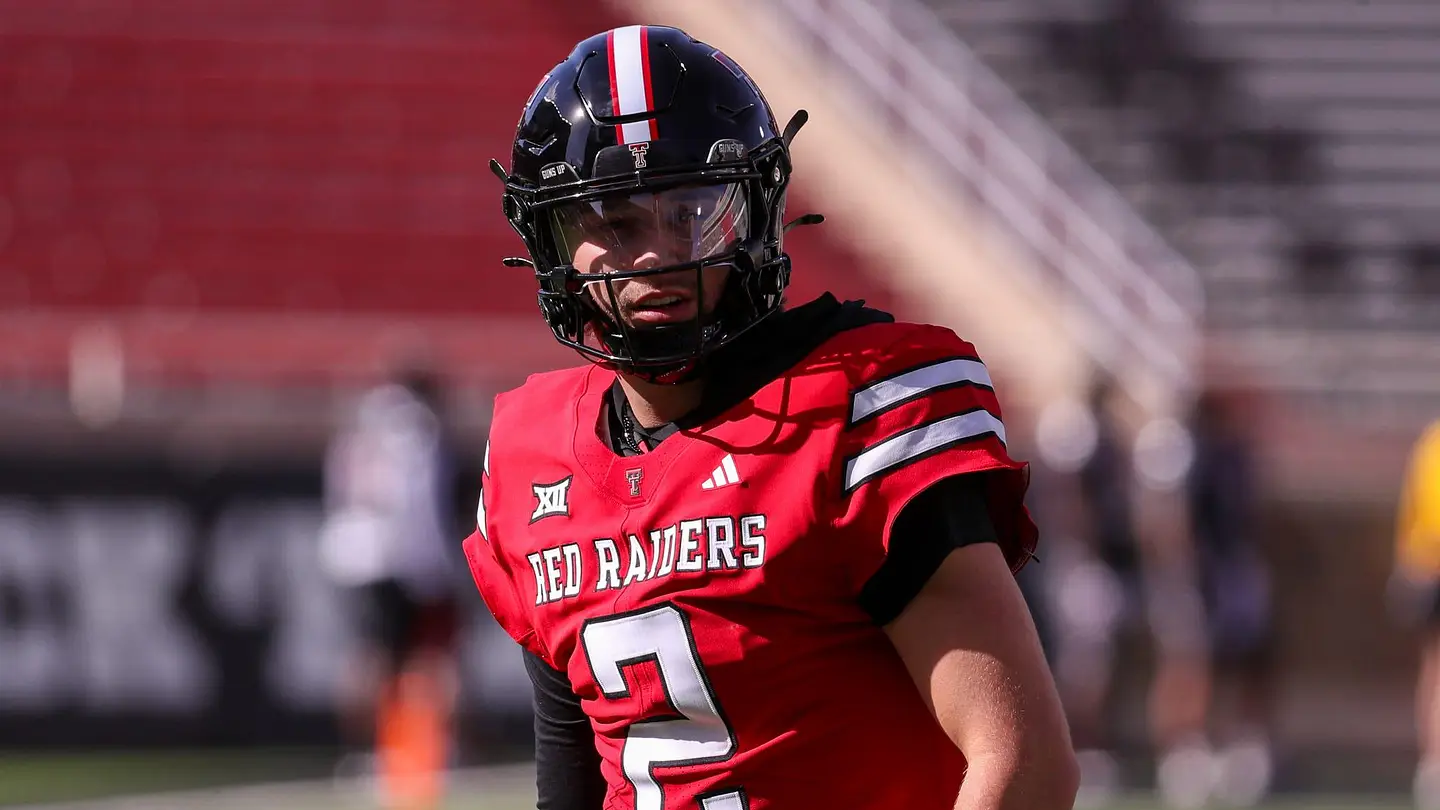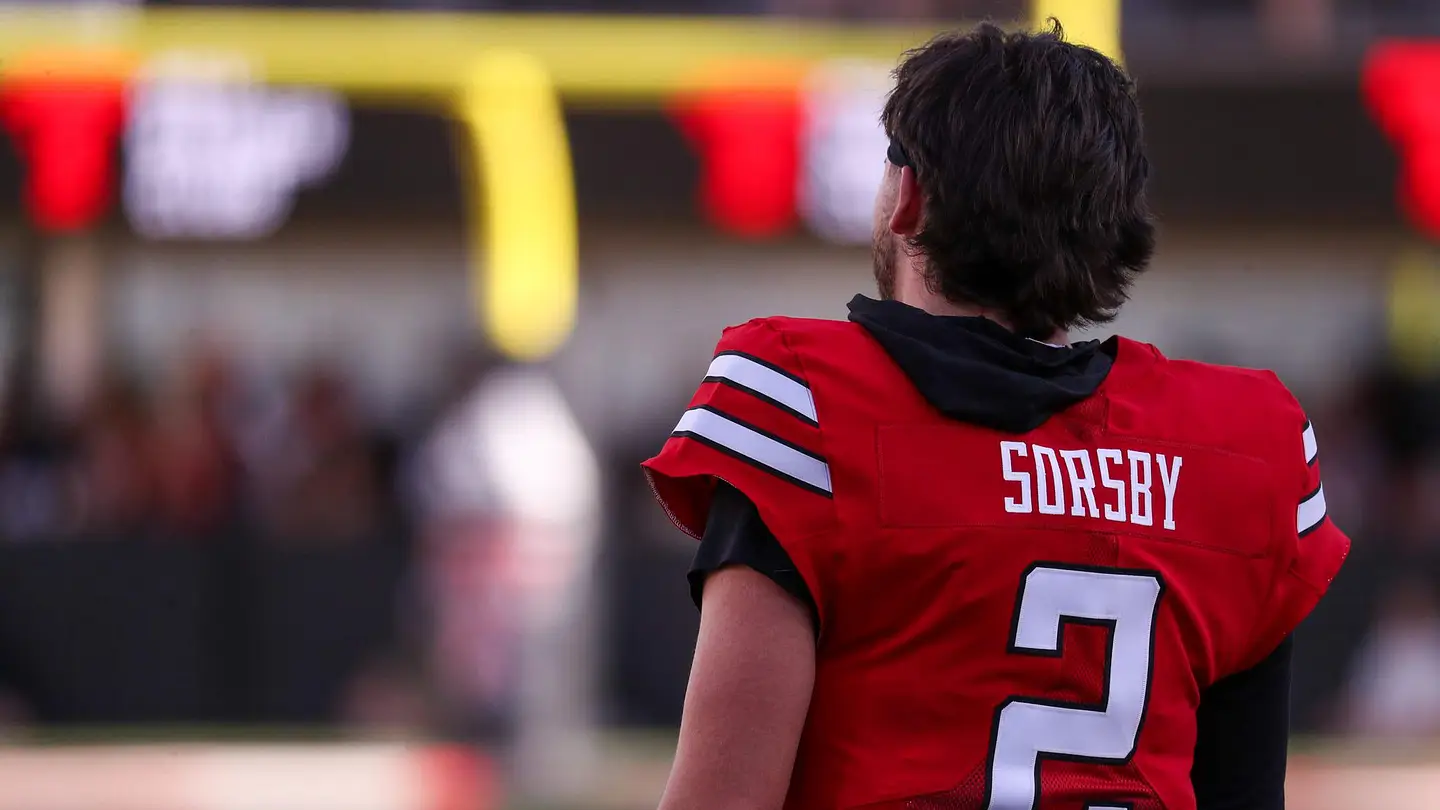
Brendan Sorsby’s lawyers made their case last week that the Texas Tech quarterback would suffer irreparable injury if the NCAA were permitted to keep Sorsby from playing in the 2026 college football season despite Sorsby’s admitted gambling violations.By then, the district court judge presiding over the hearing in the Lubbock County Courthouse had already been sized up by those with a rooting interest. Of note, specifically, was where Judge Ken Curry had, and had not, gone to college. He holds, it turned out, no degrees from Texas Tech, the Big 12 school with an enrollment of more than 40,000 that calls Lubbock County home. Instead, he graduated from the University of Texas at Arlington and the University of Houston Law Center.Why would the education of a judge be a consequential piece of information in the latest flashpoint lawsuit filed against the NCAA over player eligibility? Because Curry, a visiting judge from Fort Worth who retired from the full-time bench in 2012, had been assigned only because the judge initially assigned to the case recused himself. Judge Phillip Hays of Lubbock’s 99th District Court not only attended Texas Tech as both an undergraduate and law student, but also grew up in Lubbock. He has 50-yard-line seats for Texas Tech football games, has basketball tickets and attends several baseball games a year, he told the Lubbock Avalanche-Journal. Oh, and his wife also has two degrees from Texas Tech and his daughter went to school there as well.“It shouldn’t be put out to public discussion as to whether the judge was biased in one way or another,” Hays told the paper. “So I felt that that (recusal) was in the best interest of the court, the NCAA and Sorsby all getting the fair hearing that they needed.”A wave of lawsuits against the NCAA by individual college athletes has increased focus on the local judges who sometimes end up influencing the future of college sports. The NCAA especially is tired of being beholden to the decisions of state court judges or even state legislators. But so-called “forum shopping” — looking to file suit in what is believed to be the most favorable jurisdiction — is hardly a new phenomenon. And in most states, it’s up to the judges to decide whether they can be impartial or need to recuse themselves. And just because a judge went to a particular school does not mean they would necessarily side with that school.“For as long as we’ve had lawsuits involving sports, there have been questions about the impartiality of the judges making decisions,” said Gabe Feldman, director of the Tulane sports law program. “There’s a saying that underneath the judge’s robe, there’s often a jersey. And just like many of us, judges are often fans of a specific team or sport.”On Monday, Curry, the retired Houston law graduate, granted Sorsby’s request for a temporary injunction, clearing a path for him to play this season after a two-game suspension. The ruling rocked college football because Sorsby had admitted to placing bets on his own team — while playing for the Indiana Hoosiers — which resulted in the NCAA declaring him permanently ineligible. The ruling is not final and impacts only Lubbock County — but there are obvious concerns about a ripple effect.The NCAA has appealed to Texas’ Seventh Court of Appeals, based in Amarillo. All four justices that preside over the court are graduates of Texas Tech University School of Law.
A history of sympathetic judges in college court cases
"Now, you’re not just talking about local politics — you’re talking about Big Team U," said professor David Weber.
1,633 words~7 min read